


This article was automatically translated from the original Turkish version.
+1 More
Aircraft camouflage is a multi-layered military strategy aimed at concealing aerial vehicle systems from enemy detection, identification, and targeting systems. This practice includes not only paint patterns and color tones designed to deceive visual perception but also advanced materials and coating technologies intended to reduce radar and infrared signatures.
Camouflage seeks not only to visually integrate military aircraft with their natural environment but also to achieve low observability across various regions of the electromagnetic spectrum. In modern combat aircraft, this concept is evaluated within the framework of low-observable (stealth) designs supported by radar-absorbing materials (RAM), thermal signature-reducing structures, and matte surface coatings. In this context, camouflage functions as a multi-layered defense strategy that provides concealment not only in the physical domain but also in the electronic environment.
Military aircraft camouflage practices emerged at the beginning of the 20th century as the role of air power became prominent on the battlefield. During World War I, aircraft were primarily used for reconnaissance and limited attack missions, so camouflage typically consisted of solid colors. In this period, particularly French and German air forces painted the upper surfaces of aircraft in dark green, brown, and gray tones to blend with the ground, while using light blue or gray on the undersides to match the sky. Germany’s developed Lozenge (diamond-patterned) camouflage attracted attention as one of the first systematic and mass-produced camouflage patterns.
During World War II, aircraft camouflage became significantly more sophisticated and mission-specific. Bombers, fighters, and reconnaissance aircraft were camouflaged with different patterns and colors depending on their operational geography and altitude. For example, British RAF aircraft featured dark green and gray combinations on upper surfaces and light blue tones on undersides. The German Luftwaffe applied white camouflage in snow-covered regions such as the Eastern Front and preferred yellow-beige tones during operations in Africa. Additionally, night bombers were often painted entirely black to achieve invisibility under low-light conditions. This period marked the beginning of viewing camouflage not merely as a visual tactic but as a strategic element in aerial combat.
Camouflage color schemes varied according to operational theater. Dark green combined with brown or dark green with gray were commonly used in Europe; dark brown and yellow tones dominated in North Africa. Black was widely used for night missions. The Hawker Hurricane fighter aircraft, produced in 14,500 units during the Battle of Britain in 1940, was painted with a camouflage pattern consisting of dark green and gray colors.
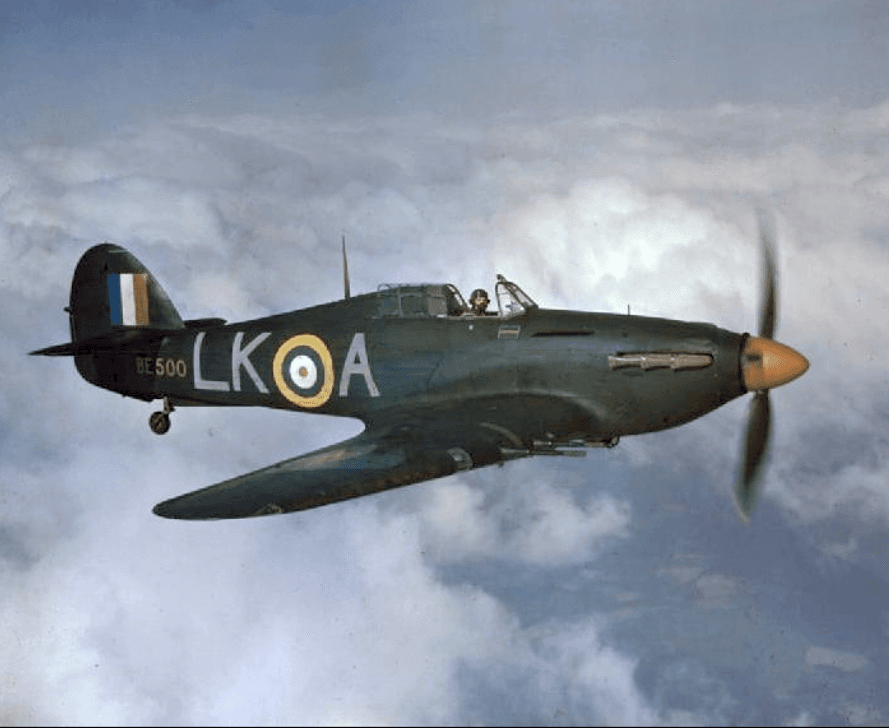
Hawker Hurricane, 1942 (worldhistory)
Following World War II, the advancement of radar technology accelerated the adoption of low-observability systems alongside traditional paint and patterns on combat aircraft. The B-1B, introduced into service in 1986, attracted attention for its reduced radar signature, limited supersonic capability, enhanced low-altitude performance, and high payload capacity.
Most B-1Bs have been painted over time in matte gray tones. The primary reasons for selecting these colors are to reduce radar visibility, achieve harmony with the sky, and minimize the aircraft’s silhouette during night operations. Gray tones also offer advantages in terms of maintenance ease and modular painting.
Although B-1Bs are not as stealthy as dedicated stealth aircraft, they are coated with special paints containing radar-absorbing materials (RAM). Additionally, surface protrusions and indentations that could increase radar visibility have been minimized to reduce the radar cross-section.
The Cold War era witnessed a radical transformation in the understanding of aircraft camouflage due to rapid advancements in air defense technologies. The widespread adoption of radar and infrared (IR) detection systems made it insufficient for camouflage to function only in the visual domain; it now had to be effective across multiple regions of the electromagnetic spectrum. In response, paints, coatings, and exterior materials used on aircraft were redesigned, with radar-absorbing materials (RAM) and specially shaped airframe geometries developed to achieve low radar cross-section (low-RCS) performance.
Matte gray tones applied to aircraft exteriors were no longer intended solely to blend with the sky; they were formulated with special additives to absorb radar reflections. Furthermore, heat-dissipating coatings applied to engine exhausts and other high-temperature surfaces reduced the aircraft’s thermal signature, providing passive protection against infrared-guided missiles. Thus, camouflage evolved from being merely a visual concealment technique into a multi-layered low-observability strategy against radar, thermal, and electromagnetic sensors. This transformation laid the foundation for modern stealth technologies and directly influenced the design processes of fifth-generation combat aircraft.
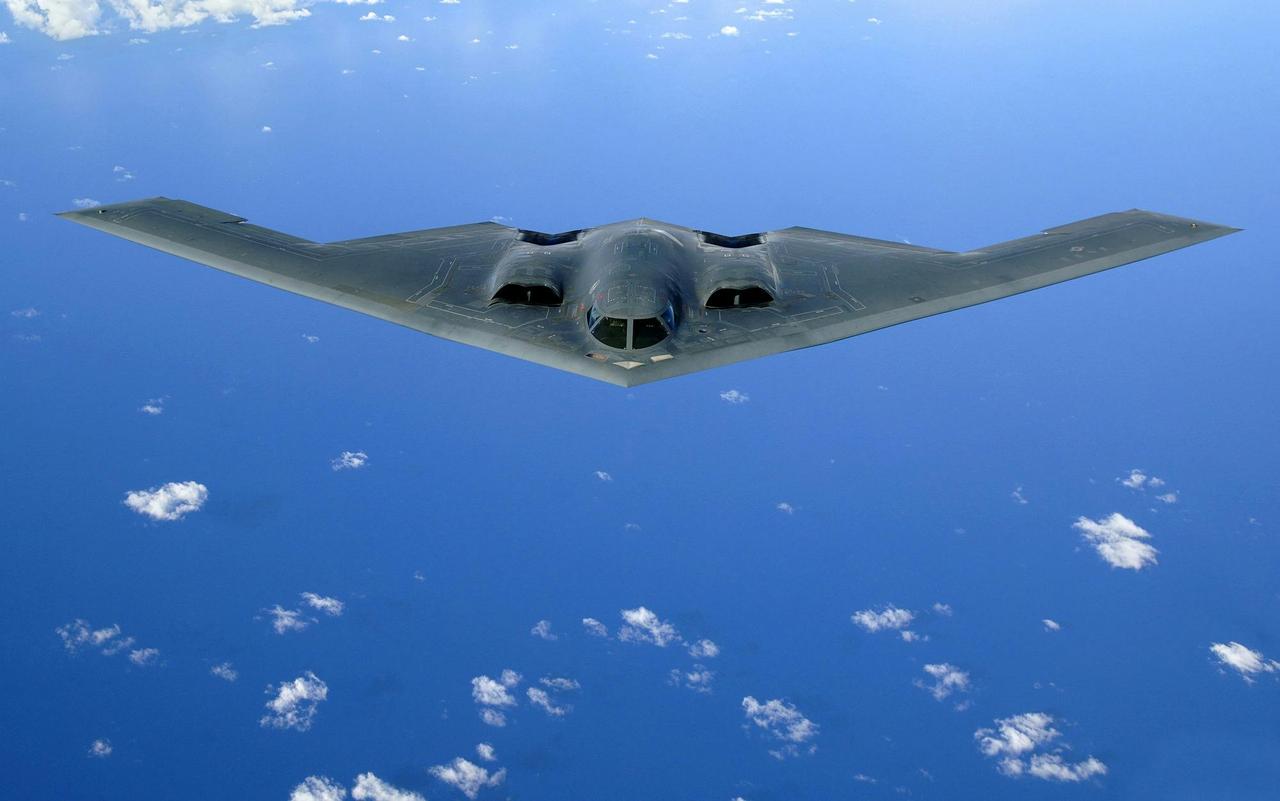
B-2 Spirit Gizli Bombardıman Uçağı (pexels)
B-2 Spirit is regarded as a fully stealth aircraft due to its flying-wing design and RAM coating. It is engineered to minimize radar, infrared, and visual signatures, with its engines embedded within the fuselage and its surface covered in matte gray paint. These features enable the B-2 to maintain high levels of stealth against multiple detection systems.
Camouflage methods for combat aircraft employ various technologies to reduce visibility and complicate detection. Color and pattern camouflage aims to conceal visibility by blending with the surrounding natural environment. Thermal camouflage seeks to reduce engine-generated heat, making detection by infrared sensors more difficult. Additionally, active and passive complex camouflage systems can dynamically alter the aircraft’s color and pattern according to environmental conditions, offering more adaptive defense. Sound and motion camouflage reduce acoustic signatures through acoustic dampeners and directional systems, thereby lowering the likelihood of detection. These methods are often combined to achieve more effective concealment. Their application and effects can be examined under two main categories.
Material-based camouflage relies on advanced technologies designed to conceal an aircraft’s radar, thermal, and acoustic signatures. Radar camouflage aims to achieve stealth through specialized coatings that absorb or redirect radar waves to minimize the radar cross-section (RCS). Thermal camouflage reduces the aircraft’s thermal signature by using heat-reflective surface coatings and engine cooling systems, making detection by infrared sensors more difficult. Sound and motion camouflage incorporates acoustic insulation structures and aerodynamic designs that regulate airflow to reduce acoustic emissions from the aircraft. These material-based technologies aim to significantly reduce the aircraft’s visibility across multiple detection systems.
The use of color and pattern in camouflage was the primary method of concealment before the development of advanced radar systems. These methods vary according to countries’ geographic features and military strategies. Instead of the camouflage patterns commonly used in military uniforms, gray tones that better match the sky’s hue are applied as aircraft camouflage paint to reduce aircraft visibility in the air.
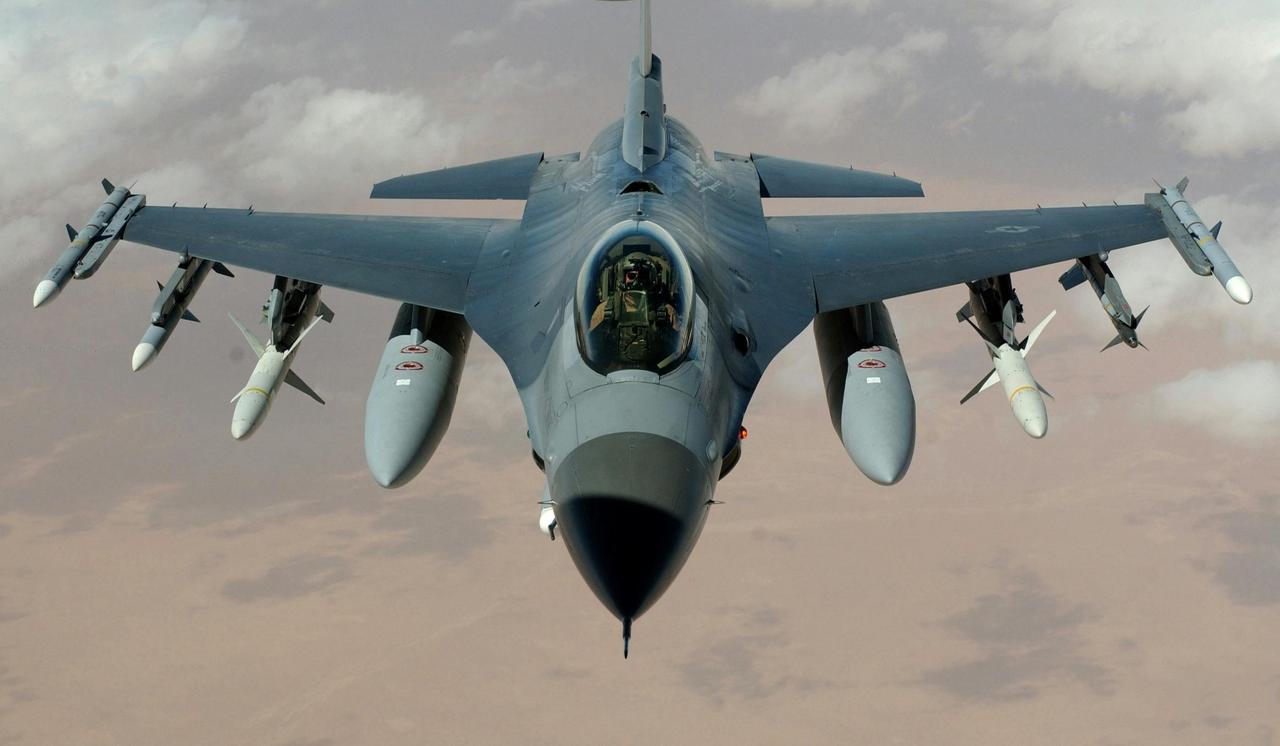
ABD Hava Kuvvetlerine ait Gri Kamuflajlı F-16 Savaş Uçağı (pexels)
Gray color reduces visual detection by blending with low-hanging clouds and airborne dust particles. These tones provide advantages for aircraft operating at high altitudes. Paints are designed to have appropriate reflective properties for different geographic conditions. These reflective properties allow the aircraft’s surface to partially mirror the sky’s tones, making it a critical factor in achieving better environmental integration.
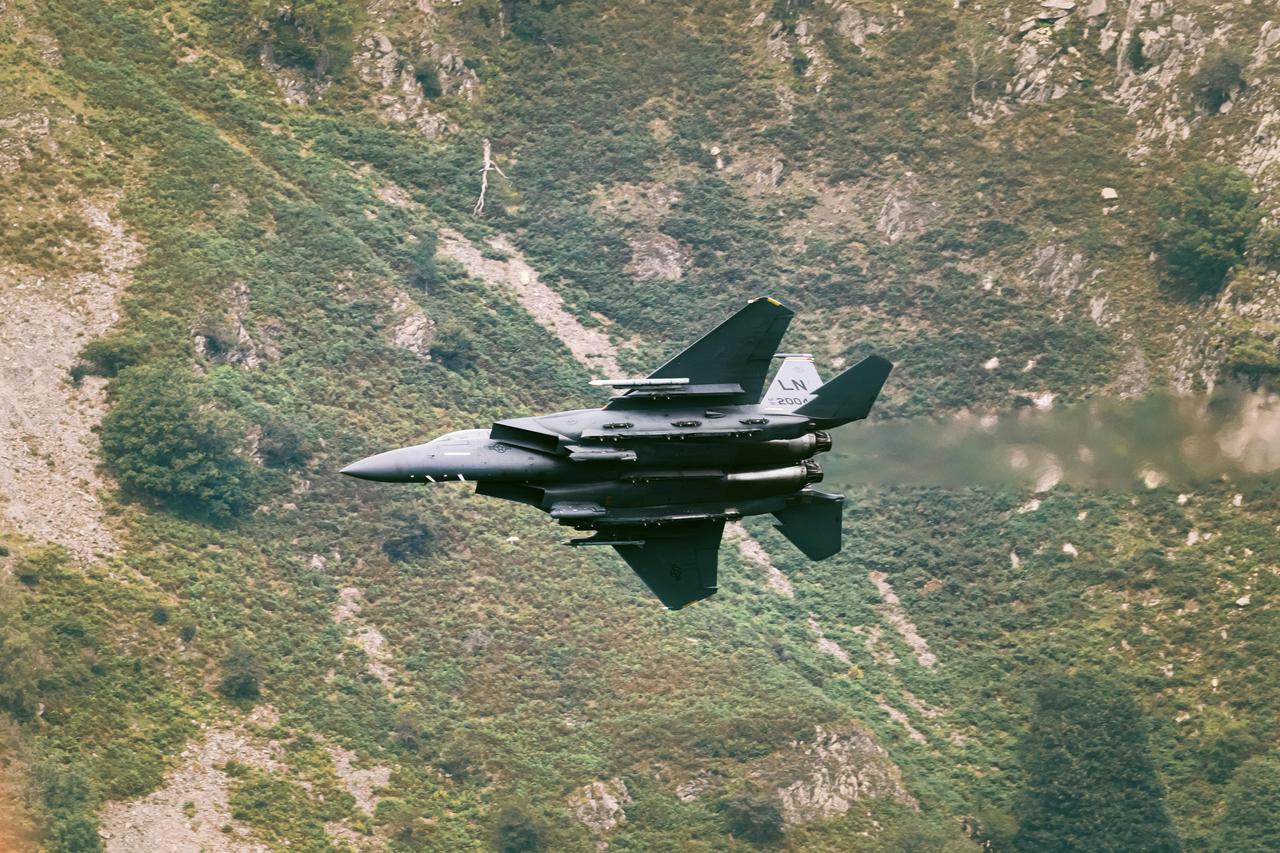
F-15 Savaş Uçağı Termal İzi (pexels)
In the image, an F-15 fighter aircraft conducting a mission over forested terrain is visible, along with its thermal trail. Although the aircraft’s fuselage is coated with radar-absorbing materials and camouflage paint, the thermal signature generated by the engines makes detection easier for ground-based radar systems equipped with thermal sensors. This demonstrates that in modern combat aircraft, thermal camouflage is at least as critical as radar camouflage.
Painting for aircraft operating in desert environments is specially designed to match environmental conditions. Beige, sand, and brown tones are typically used to help the aircraft blend with sandy terrain. These colors reduce visual detection and improve integration with the natural surroundings. Considering the high temperatures in desert conditions, the paint materials are also formulated to reflect heat, thereby reducing the aircraft’s thermal signature. Thus, the aircraft’s concealment against both visual and thermal detection systems is enhanced.
Cartwright, Mark. "Hawker Hurricane." World History Encyclopedia. Accessed May 8, 2025.https://www.worldhistory.org/Hawker_Hurricane/
Classic Warbirds. "Fighter Command Camouflage During the Battle of Britain.” Accessed May 14, 2025.https://www.classicwarbirds.co.uk/articles/fighter-command-camouflage-during-the-battle-of-britain.php
Muharebe Tarihi. "Askeri Uçaklarda Kamuflaj." Accessed May 8, 2025.https://www.muharebetarihi.com/askeri-ucaklarda-kamuflaj/
Pexels. "Fighter Jet During Daytime." Accessed May 8, 2025.https://www.pexels.com/photo/fighter-jet-during-daytime-80455/
Pexels. "Fighter Jet Parked at Bengaluru Air Show Display." Accessed May 8, 2025.https://www.pexels.com/photo/fighter-jet-parked-at-bengaluru-air-show-display-31302991/
Pexels. "Grey Jet Plane." Accessed May 12, 2025.https://www.pexels.com/photo/grey-jet-plane-76971/
Pexels. "Superiority Fighter Flying Over Valley." Accessed May 8, 2025.https://www.pexels.com/photo/superiority-fighter-flying-over-valley-5213373/
Science Learning Hub. "Camouflage." Science Learning Hub. Accessed May 14, 2025.https://www.sciencelearn.org.nz/resources/1608-camouflage
Stratejik Araştırmalar Merkezi. "Savaş Uçakları Neden Griye Boyanıyor?" Strasam. Accessed May 8, 2025.https://strasam.org/savunma/havacilik-ve-uzay-sanayii/savas-ucaklari-neden-griye-boyaniyor-3076
The Aviationist. "This picture proves the importance of fighter jets camouflage schemes for survival." Accessed May 8, 2025.https://theaviationist.com/2012/05/01/camouflage-color-scheme/

No Discussion Added Yet
Start discussion for "Aircraft Camouflage" article
History
World War I
World War II
Cold War Era
Camouflage Methods
Materials
Color and Pattern
Desert Camouflage