

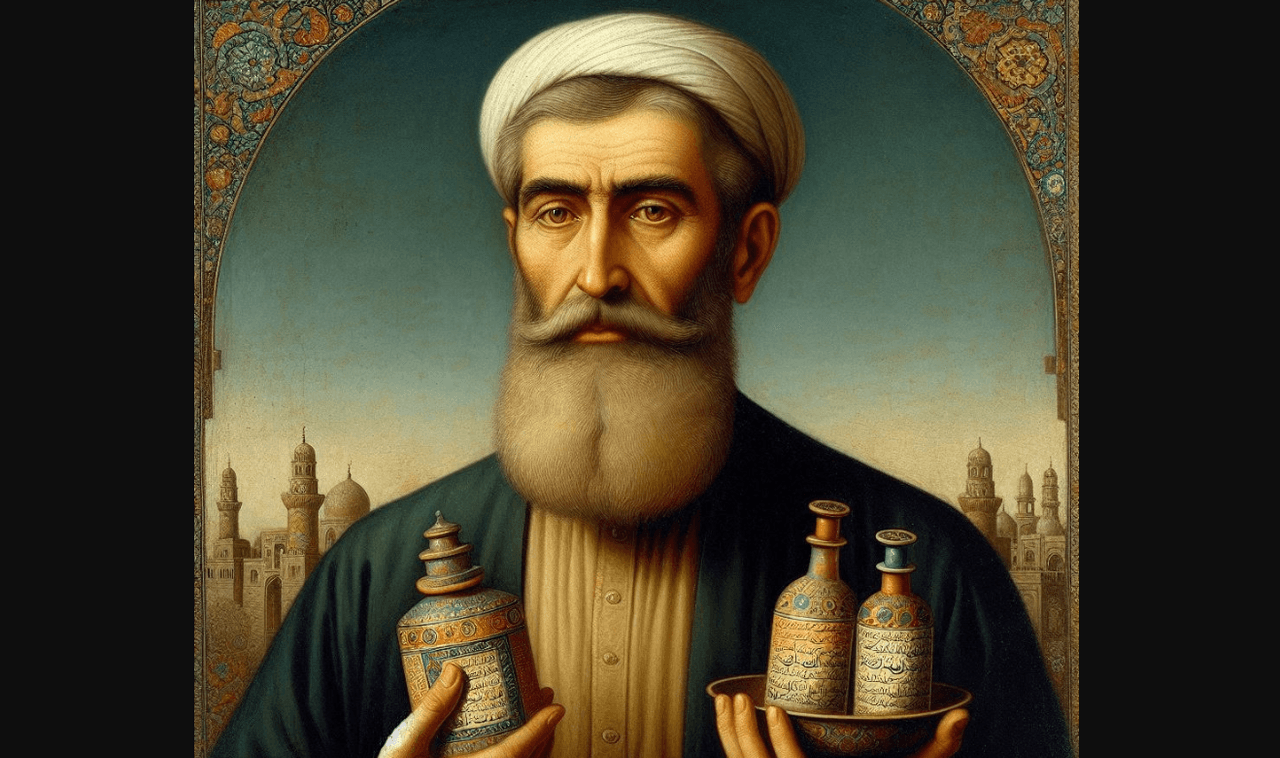

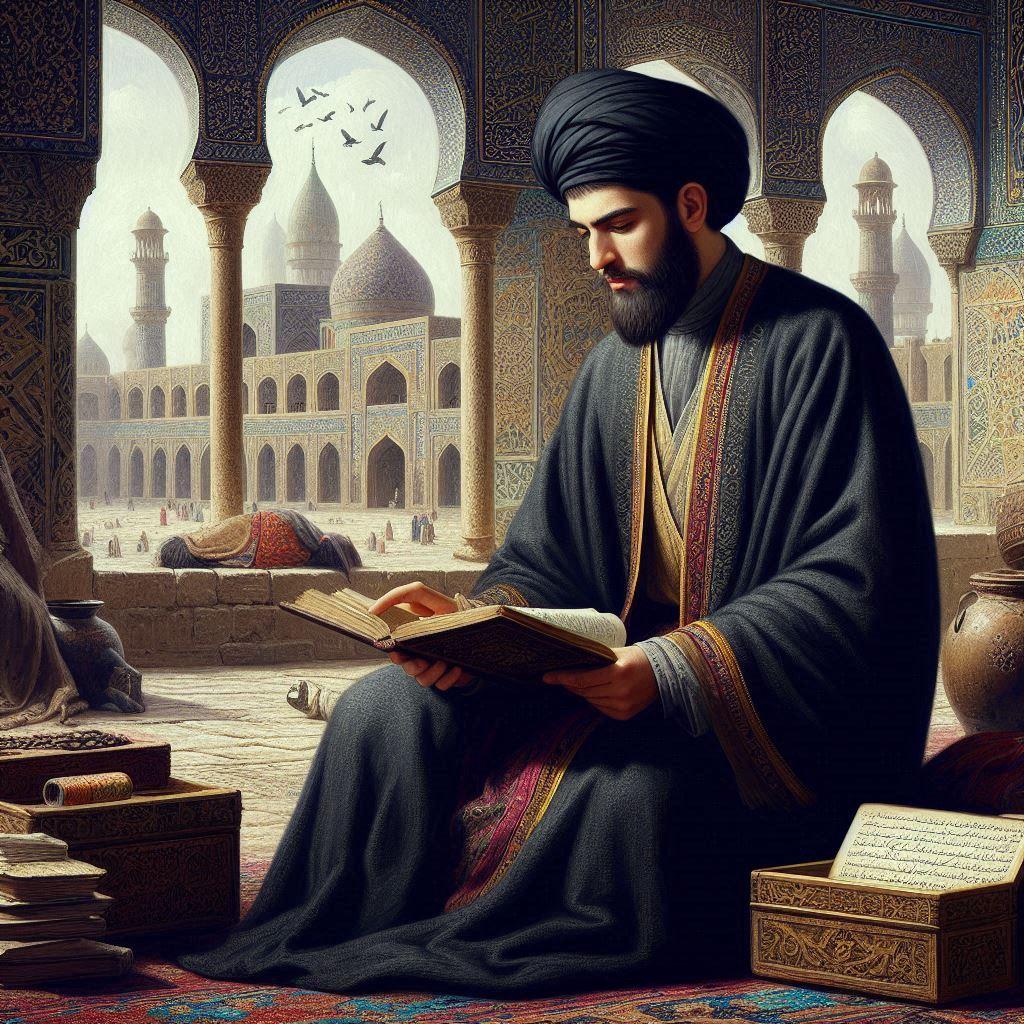
Abu al-Husayn ibn Kashkara
Estimated Date of Birth | Last quarter of the 3rd century AH | ||||||||
|---|---|---|---|---|---|---|---|---|---|
Estimated Date of Death | Mid-4th century AH | ||||||||
Profession and Responsibilities | Physician at the Adudi Hospital | ||||||||
Relationships | Sayf al-Dawla ibn Hamdan, Adud al-Dawla | ||||||||
Works | al-Hawi | ||||||||
Teacher | Abu Said Sinan ibn Sabit | ||||||||
Cities Lived In | Baghdad, Aleppo | ||||||||
Period Lived In | Abbasids | ||||||||
He was one of the renowned physicians of the Abbasid period.
There is no information in the sources regarding his place or date of birth. It is understood that he lived in Aleppo due to his association with Sayf al-Dawla ibn Hamdan (d. 356/967). However, it is difficult to assert definitively that he was born and raised there. Abu’l-Husayn is believed to have been born in the last quarter of the 3rd century AH, during which time he spent part of his life in Baghdad.
He received his medical training from Abu Sa'id Sinan ibn Thabit ibn Qurra (d. 331/943), a prominent physician, mathematician, and astronomer of his time. This education is understood to have taken place in Baghdad. After completing his studies, he likely entered the patronage of the Hamdanid emirs, particularly Sayf al-Dawla, and served him in the field of medicine.
He is reported to have been well-versed in both the theoretical and practical aspects of medicine and gained recognition for his expertise. His fame was further enhanced by his connections with political authorities and by the influence of his teacher, Sinan ibn Thabit.
When the Buyid emir Adud al-Dawla (d. 372/983) built the hospital known as the Adudi Bimaristan in Baghdad, he appointed a large group of physicians, including Abu’l-Husayn, to serve there. It is stated that Ibn Kishkira was occupied with treating patients at this institution, which further increased his renown.

Representative image of the Adudi Bimaristan (generated by AI)
Sources recount an anecdote that highlights his personality, describing him as a man who enjoyed speaking at length and who often unsettled and embarrassed other physicians with his probing questions and aggressive demeanor.
The sources also mention that his brother was a monk and that he possessed a remedy called “hakne,” which was said to be beneficial against inflammatory swellings and harmful substances with sharp properties.
It is stated that Abu’l-Husayn authored a work known as al-Havi. This work is understood to be a compilation of personal notes, observations, and knowledge, written in the kinaş style.
İbn Ebî Useybia, Muvaffakuddîn Ebü’l-Abbas Ahmed b. el-Kâsım b. Halîfe b. Yûnus es-Sa’dî el-Hazrecî. Uyûnu’l-Enbâ fî Tabakâti’l-Etıbba. thk. Nizâr Rızâ. Beyrut, 1965.
İbnü’l-Kıfti, Cemâleddîn Ebi’l-Hasan Ali b. Yusuf. İhbâru’l-Ulemâ bi-Ahbâru’l-Hukemâ. thk. İbrahim Şemseddîn. Beyrut 2005.
Abu al-Husayn ibn Kashkara
Estimated Date of Birth | Last quarter of the 3rd century AH | ||||||||
|---|---|---|---|---|---|---|---|---|---|
Estimated Date of Death | Mid-4th century AH | ||||||||
Profession and Responsibilities | Physician at the Adudi Hospital | ||||||||
Relationships | Sayf al-Dawla ibn Hamdan, Adud al-Dawla | ||||||||
Works | al-Hawi | ||||||||
Teacher | Abu Said Sinan ibn Sabit | ||||||||
Cities Lived In | Baghdad, Aleppo | ||||||||
Period Lived In | Abbasids | ||||||||
No Discussion Added Yet
Start discussion for "Abu al-Husayn ibn Kashkara" article
Education and Professional Life
Personality
Works