


This article was automatically translated from the original Turkish version.
Abrenk Church is an important Armenian church built in the 19th century located in the village of Üçpınar (formerly known as Vank), within the boundaries of the Tercan district of Erzincan. The structure is one of the late examples of Christian architecture in the region and stands out for its historical significance, architectural features, and the standing stone monument located immediately beside it. Known locally as "Vank" (monastery), this complex is one of the region’s most significant structures both religiously and culturally.
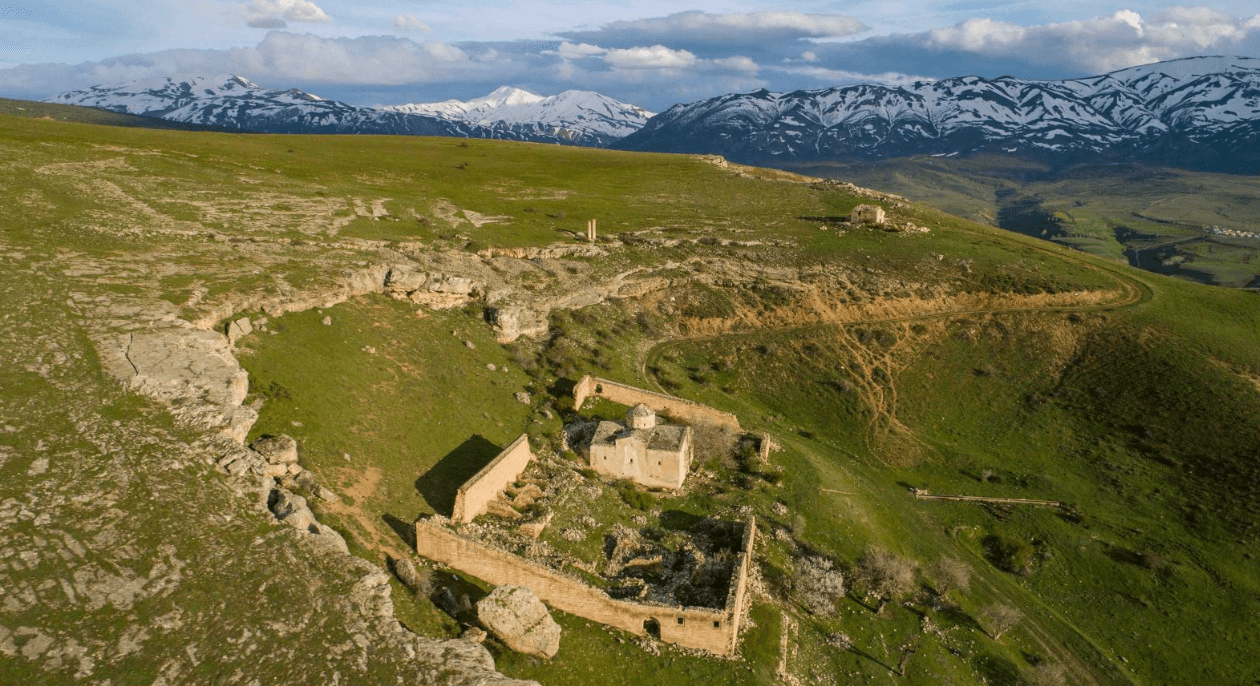
Abrenk Kilisesi (kültürportalı)
Abrenk Church was constructed in 1854 (according to Armenian sources, 1853). According to the church’s inscription, the construction was led by Hovhannes and his brother Step’anos. The building was erected to meet the religious needs of the local Armenian population and, together with the surrounding cemetery area, became a religious center. As a church built during the Ottoman period, it represents a late expression of Armenian cultural heritage in the region.
Abrenk Church is one of the traditional Armenian churches constructed using stone masonry. Yellowish and gray stones were used together, giving the structure a distinctive appearance. The church follows a single-nave rectangular plan and has a simple exterior, yet its interior contains relatively ornamental elements. A small chapel located immediately beside the church further enhances the complex’s religious function.
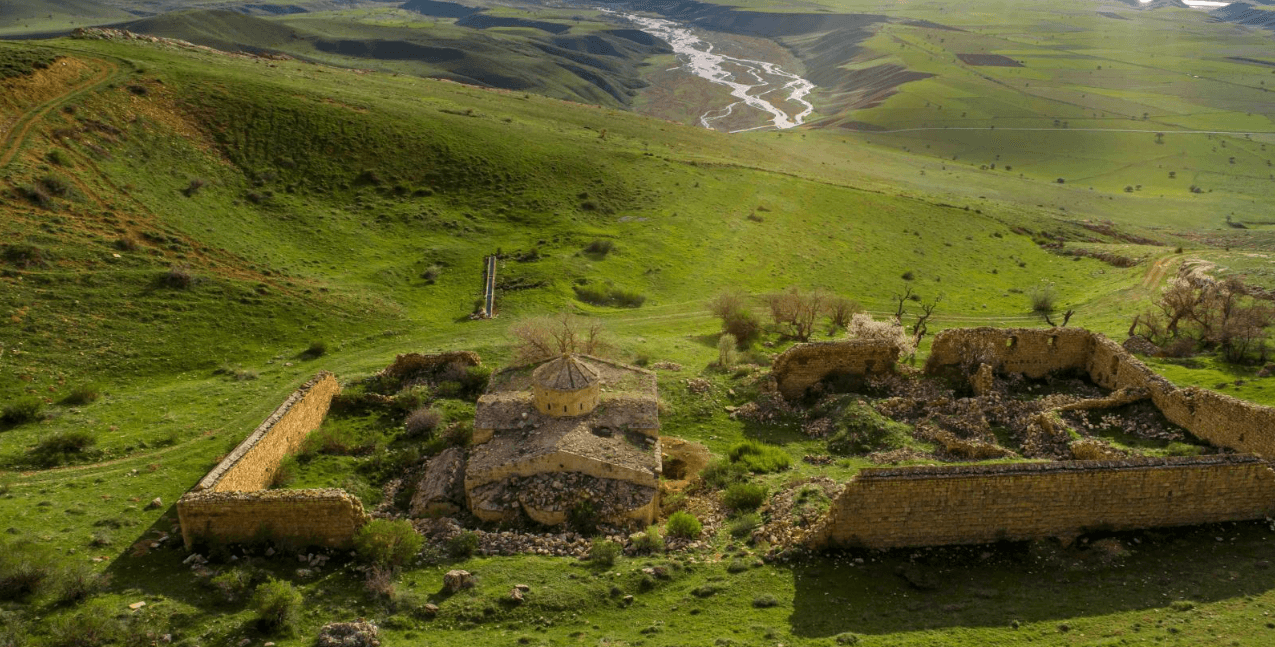
Abrenk Kilisesi (kültürportalı)
Immediately to the east of the church stand two standing stones, significant archaeological elements that enhance the historical value of the region. One of these stones is a single-piece structure approximately 2.5 meters in height. Both stones serve as monuments and feature carved crosses and various geometric decorations.
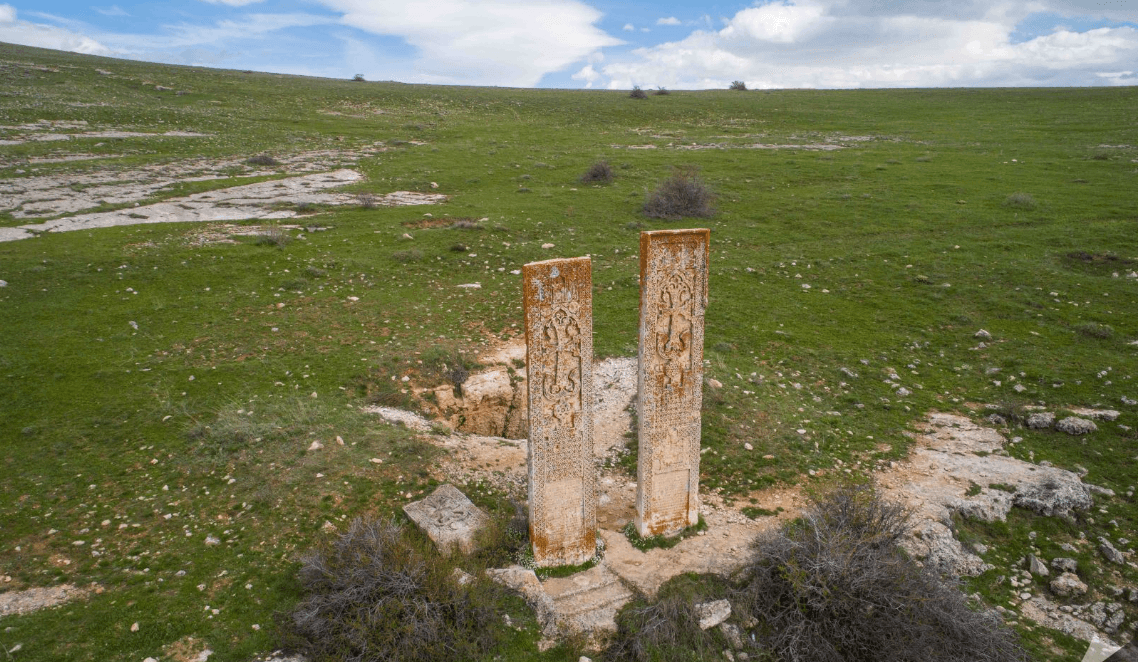
Dikili Taş (kültürportalı)
According to research, these stones may have functioned as grave markers or as monumental standing stones (stelae) associated with Armenian burial traditions.
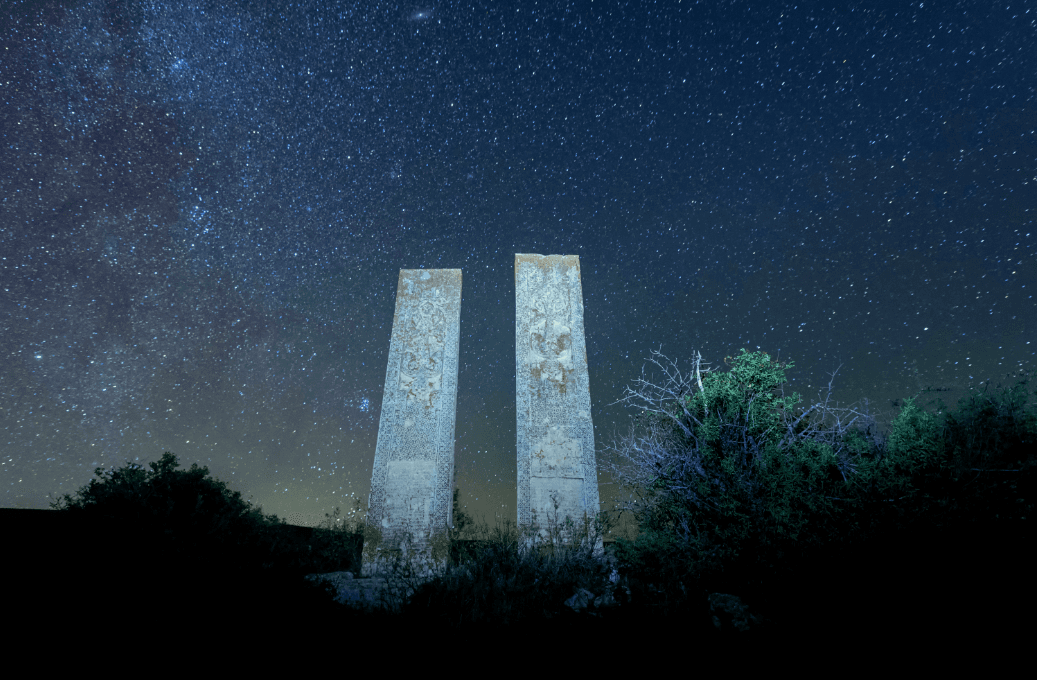
Dikili Taş (Tercan Kaymakamlığı)
Abrenk Church and its surrounding standing stones are among the historical treasures of Erzincan and attract the attention of visitors to the region. Their inclusion in promotional materials by the Erzincan Governorate and the Ministry of Culture and Tourism underscores their touristic importance. Today, the church is not actively used for worship but is protected, and efforts are periodically made through restoration work to preserve its physical integrity.
The structure is registered as a cultural asset by the Republic of Türkiye Ministry of Culture and Tourism. However, due to both natural factors and human-caused damage, the church and its surrounding stone structures have suffered deterioration over time and require continued conservation measures. Various restoration initiatives undertaken in the 21st century have partially reconstructed the building.
T.C. Erzincan Belediyesi. "Abrenk Vank Kilisesi." Accessed May 7, 2025.https://www.erzincan.bel.tr/tarihi-merkez/abrenk-vank-kilisesi/7.
T.C. Erzincan Valiliği. "Abrenk Kilisesi ve Dikili Taşlar." Accessed May 7, 2025.
T.C. Kültür ve Turizm Bakanlığı. "Abrenk Kilisesi." Kültür Portalı. Accessed May 7, 2025.https://www.kulturportali.gov.tr/turkiye/erzincan/gezilecekyer/abrenk-kilisesi.
T.C.Tercan Kaymakamlığı Governorship. "Abrenk Kilisesi." Accessed May 7, 2025.http://www.tercan.gov.tr/abrenk-kilisesi

History
Architectural Features
Standing Stones and Cemetery
Cultural and Touristic Significance
Conservation Status