

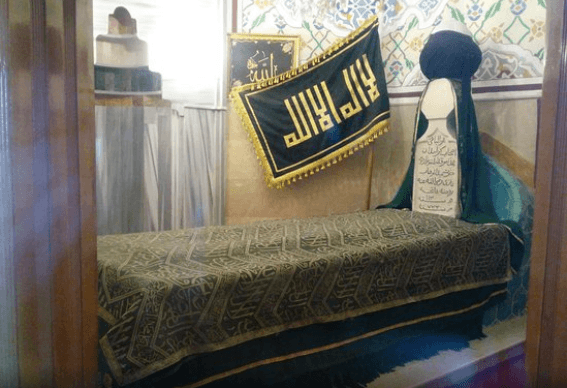
+1 More

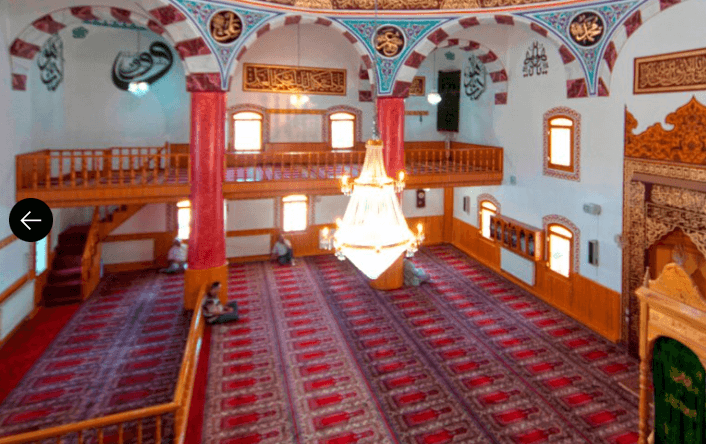
Interior of the Mosque at Abdulvehhab Gazi Hz. Sivas Yukarı Tekke Cemetery
Description | Abdulvehhab Gazi served Islam throughout his life and served as the standard-bearer of our Prophet. He participated in various wars, and some sources state that he joined the jihad alongside Abdullah Battal in Byzantine territories. | ||||||||
|---|---|---|---|---|---|---|---|---|---|
Cities Where Its Seat Is Located | Sivas Iznik Elazığ Afyon and Bayburt | ||||||||
Date of Birth and Death | There is no information regarding his date of birth. Although his date of death is not precisely known, it is stated that he was martyred in the year 113 AH (731 CE). | ||||||||
Türk-Islamic history includes important figures among whom Abdülvehhâb Gazi stands out. Throughout his life he served Islam and served as the standard-bearer of our Prophet. It is known that Abdülvehhâb Gazi participated in numerous battles alongside various heroes. Some sources indicate that he joined the jihad alongside Abdullah Battal in Rum territories. Although his exact birth and death dates are unknown, Ibn Kathir and Tabari state that Abdülvehhâb Gazi was martyred in the year 113 AH (731 CE). Some sources also mention that he was a weapons companion of Battal Gazi and Ahmet Turan Gazi. While his tomb is said to be located in various places, it is situated atop the Yukarı Tekke Cliffs in Sivas. Additionally, tombs and shrines dedicated to him exist in İznik, Elazığ, Afyon and Bayburt.
In addition to being a figure who fought for Islam in battle, he is known to have been a devout man who worshipped in mosques. Imam Malik said of him:
“He frequently performed the Hajj and Umrah and went on expeditions. When he was martyred, no one other than his companions and fellow travelers claimed any of his belongings. He was generous and open-handed. He was martyred alongside Emir Abu Muhammed Abdullah Battal in the lands of Rum and was buried there. May Allah grant him mercy.”【1】
In his youth, Abdülvehhâb Gazi served the Prophet Muhammad in campaigns and daily life and served as a standard-bearer in various expeditions, earning the Prophet’s prayers. One day, the Prophet asked his companions, “Tell me of the wonders you have witnessed of God’s creation.” Abdülvehhâb spoke of the beauty of the lands and people of Rum, saying, “O Sultan, if only this land were dâr’l-Islâm.” Upon this, the Prophet prayed that these lands would be granted to the Muslims, and he was informed by the angel Jibril that his prayer had been accepted. Those present rejoiced at this good tidings. When Abdülvehhâb Gazi asked whether any of those present would live to see that time, Jibril informed him that the one who asked the question would indeed reach that era.
Two centuries after the Prophet, Abdülvehhâb Gazi arrived in Malatya, delivered the Prophet’s instructions regarding religious matters to the commander Ja‘far, and joined him in battle. (Y. Alim, 2013)
In the later years of his life, while occupied with warfare, Abdülvehhâb Gazi had previously been involved in the transmission of hadith. One of the hadiths he transmitted is as follows:
“Muhammad ibn Ibrahim al-Dimashqi narrated this hadith to us and said: This hadith was transmitted to us by Mubashshir ibn Ismail al-Halabi from Mu‘an ibn Rifaa‘, who received it from Abdülvehhâb ibn Buht, who received it from Anas ibn Malik (may Allah be pleased with him). The Messenger of Allah (peace be upon him) said:
‘Allah will brighten the face of the servant who hears my words, understands them, and then conveys them to others. Many exist who are not jurists themselves but carry knowledge of fiqh, and many others who carry this knowledge to those more learned than themselves.’”【2】
Menâqib are legendary narratives that recount the moral virtues and extraordinary deeds of religious leaders, heroes and historical figures in an epic style.
According to menâqib, Abdülvehhâb Gazi was the standard-bearer of the Prophet and lived a long life due to the Prophet’s prayer. It is said that he later traveled to Malatya and delivered the Prophet’s entrusted items to Battal Gazi. Thereafter, he fought alongside Battal Gazi and Ahmet Turan Gazi for the Islamization of Anadolu.
According to some menâqib, Abdülvehhâb Gazi was martyred alongside Ahmet Turan Gazi during a battle near Soğuk Çermik. His body was carried away by floodwaters and remained submerged for a long time beneath the river flowing below the Yukarı Tekke Cliffs. Following a vision, his body was retrieved from the river and transferred to a tomb at Yukarı Tekke.
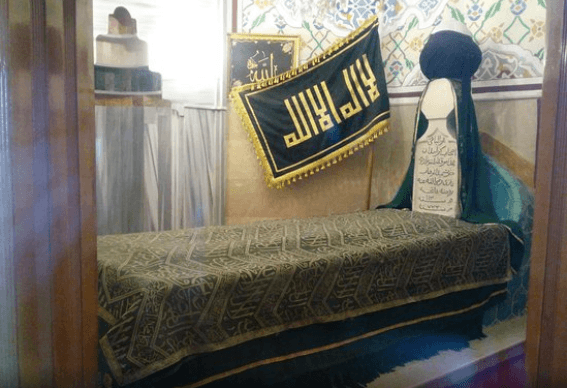
The Shrine of Abdülvehhâb Gazi at the Yukarı Tekke Cemetery in Sivas
Articles
Books
Ibn Kathir, Abu'l-Fida Ismail b. Umar. Al-Bidaya wa'l-Nihaya. Tahqiq:Ali Şîrî. Beirut: Daru Ihya al-Turath al-Arabi, 1988.
Ibn Majah, Abu Abdullah Muhammad b. Yazid al-Kazwini. Sunan Ibn Majah. Tahqiq: Muhammad Fuad Abdulbaki. Beirut: Daru Ihya al-Kutub al-Arabiyya, Faysal Isa al-Babi al-Halabi, n.d.
Internet Sources
Karataş, H. "Tasavvuf Tarihçiliğinin Yirminci Yüzyılda Zuhûr ve Neşvünümâsı: Tarihyazımında Bir Eşzamanlılık Vakası yahut Bir Dönemlendirme Denemesi." Türkiye Araştırmaları Literatür Dergisi 16, no. 31-32 (2018): 9-46.
Lugatim. "Muhassıl." *Lugatim Osmanlıca Kelime ve Terimler Sözlüğü*. Accessed February 21, 2025.https://lugatim.com/s/MUHASSIL.
Ministry of Culture and Tourism. "Abdülvahap Gazi Yatırı." Türkiye Kültür Portalı. Accessed February 18, 2025.https://www.kulturportali.gov.tr/turkiye/sivas/kulturatlasi/abdulvahap-gazi-yatiri.
Yüksel, Mücahit. "Bizans Topraklarında Bir Mücahit: Abdülvehhâb Gazi." *Mütefekkir* 5, no. 10 (December 2018): 463-475.https://doi.org/10.30523/mutefekkir.506148.
Yıldız, Âlim. "Şemseddin Sivâsî’nin Abdülvehhâb Gâzi Menâkıbı." Cumhuriyet Üniversitesi İlahiyat Fakültesi Dergisi 17, no. 2 (2013): 5-10.
Interior of the Mosque at Abdulvehhab Gazi Hz. Sivas Yukarı Tekke Cemetery
Description | Abdulvehhab Gazi served Islam throughout his life and served as the standard-bearer of our Prophet. He participated in various wars, and some sources state that he joined the jihad alongside Abdullah Battal in Byzantine territories. | ||||||||
|---|---|---|---|---|---|---|---|---|---|
Cities Where Its Seat Is Located | Sivas Iznik Elazığ Afyon and Bayburt | ||||||||
Date of Birth and Death | There is no information regarding his date of birth. Although his date of death is not precisely known, it is stated that he was martyred in the year 113 AH (731 CE). | ||||||||
The Life and Character of Abdülvehhâb Gazi
Jihad Activities and Standard-Bearer Role
His Position in Hadith Transmission
His Place in Miraculous Accounts