This article was automatically translated from the original Turkish version.
The dhikr ceremony performed by a group from Türkiye under the leadership of Muzaffer Ozak, as part of the Festival of Arts held in France in 1978, is a significant event in the modern representation of traditional Islamic practices on the international stage. This gathering was not merely the performance of a Sufi ritual but also an important example of introducing Islamic Sufism to the European public and conveying its aesthetic, cultural, and symbolic dimensions.
Such representations demonstrate that Sufism is not merely an individual spiritual practice but can also serve as a vehicle for spiritual transmission. Collective rituals like dhikr can evoke profound spiritual resonance not only among Muslim communities but also among audiences beyond religious boundaries.
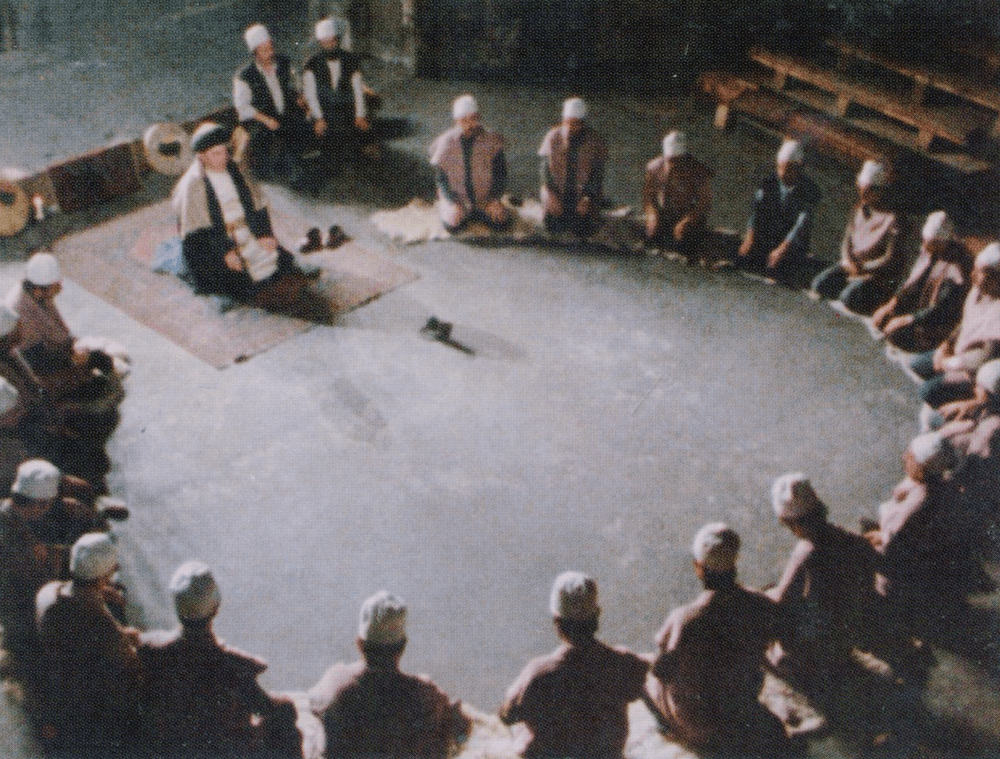
Festival of Arts France 1978 Kud Zikri (Flickr)
Muzaffer Ozak (1916–1985), the 19th successor of the Halvetî-Cerrahî order and leader of its central dergâh, the âsitâne in Istanbul’s Karagümrük district, actively promoted traditional dhikr gatherings not only across Anatolia but also in the Western world. In the 1970s, growing cultural transformations and increasing Western interest in Eastern mysticism created fertile ground for the physical and ritualistic presentation of Sufism. The Festival of Arts provided a clear platform for the representation of Islamic Sufism.
During this period, many universities and academic institutions in the West conducted theoretical research on Islamic Sufism but lacked direct exposure to its lived practices. The performance of the Halvetî-Cerrahî dhikr transformed theoretical knowledge into an experiential truth.
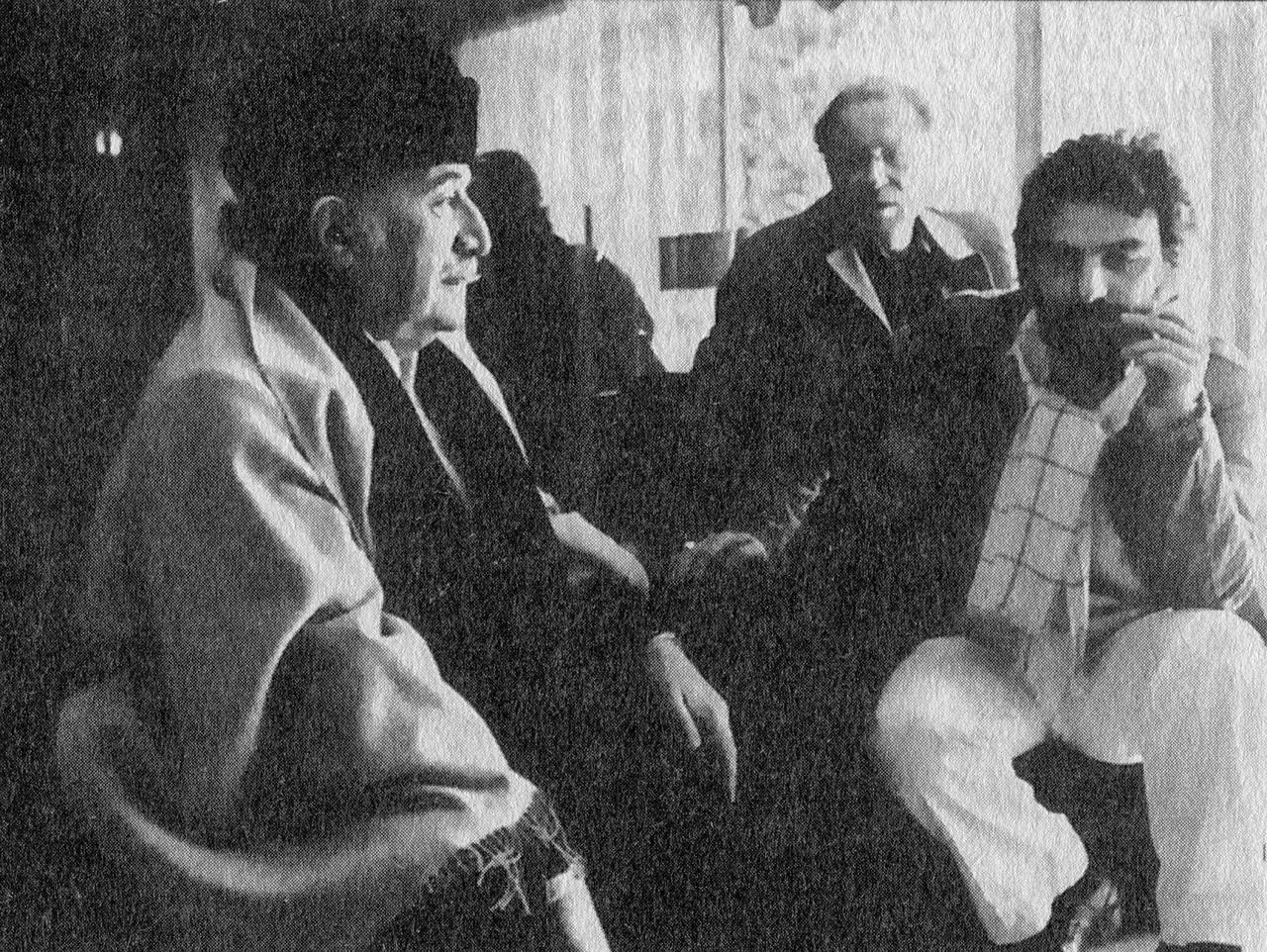
Muzaffer Ozak-Kudsi Ergüner (Far Right) During His Trip to France (Defter-i Uşak)
The dhikr gathering was conducted in accordance with classical Ottoman tariqa traditions. Throughout the ceremony, recitation of the Qur’an, ilahis, salawats, and “cehrî” (out loud) dhikrs specific to the Halvetî tradition were performed. Participants took part in the ritual wearing traditional attire such as hirka, sarık, and other tariqa garments, ensuring an authentic representation of the rite. The dhikr was not merely an individual state of ecstasy but a collective ritual reflecting communal awareness and shared spirituality.
The cehrî dhikr can be understood as a resonant vibration of Sufism’s outward expression. The fact that hundreds of people outside the hall also expressed a desire to participate attests to the universal appeal of the dhikr. The unified chanting of “Allah” and “Hû” enabled hearts to converge at a single spiritual center.
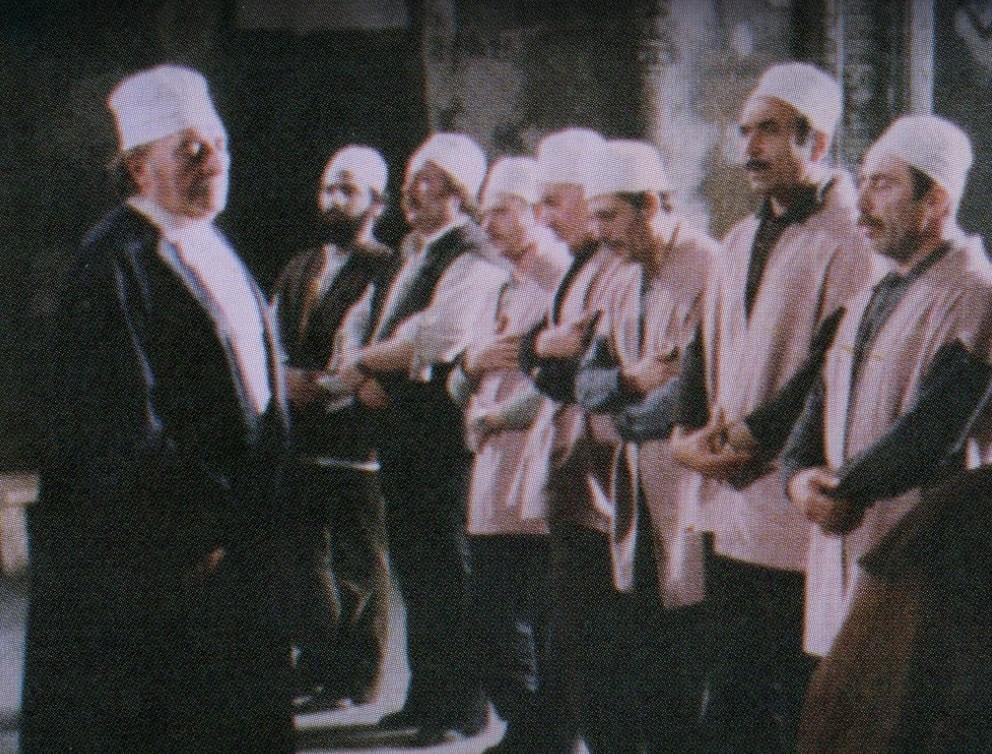
Festival of Arts France 1978 Kıyam Zikri (Flickr)
This performance demonstrated to Western audiences that Islam possesses not only political and ideological representations but also an aesthetic and spiritual dimension. It also emphasized that such rituals encompass not only the theological but also the cultural and emotional dimensions of Muslim identity.
Moreover, this dhikr gathering revealed that Islam’s spiritual heritage can be transmitted not only through knowledge but also through experience, sound, and bodily expression. The respectful participation of many non-Muslims in the dhikr gatherings demonstrated the effectiveness of this transmission and illuminated the nature of Sufism as “lived transmission.”
Following the event, several documentaries and visual materials published in the West—particularly in the United States and Europe—presented the dhikr gathering as a paradigmatic Sufi practice, significantly enhancing the international recognition of Muzaffer Ozak. Additionally, such activities laid the groundwork for the later publication of English-language works on Sufism.
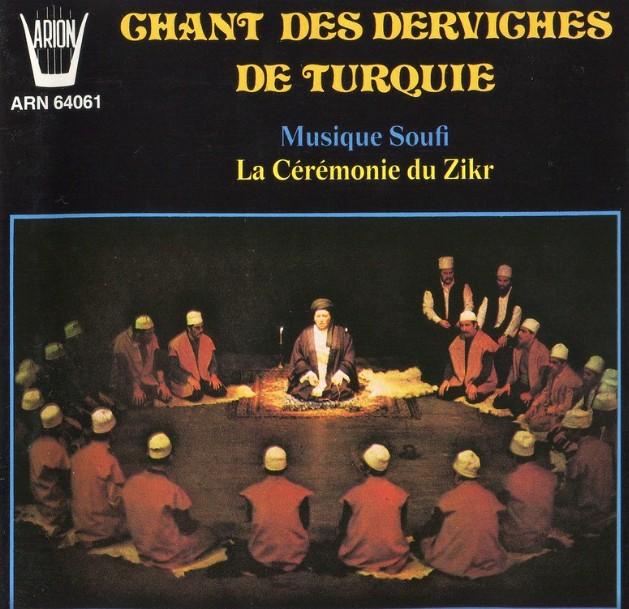
CHÂNT DES DERVICHES DE TURQUIE / Musique Soufi La Cérémonie du Zikr – Front cover of the record released in France after the festival (Flickr)
The dhikr gathering performed in the style of the Halvetî-Cerrahî order at the Traditional Art Festival held in Rennes, France in 1978, was not merely a performance before an audience but an event that entered history as a lasting cultural record. Audio recordings made by the festival’s organizer, Cherif Khaznadar, and his cultural archive teams documented the event; these recordings were later released in vinyl format and distributed in France and other European countries.
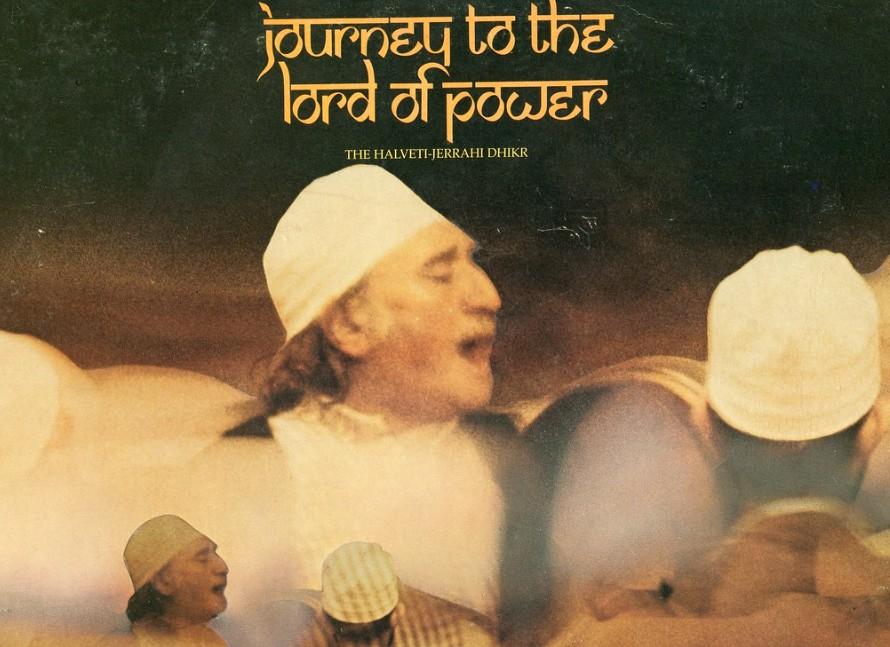
Front cover of the record "Journey to the Lord of Power" published in the United States (Flickr)
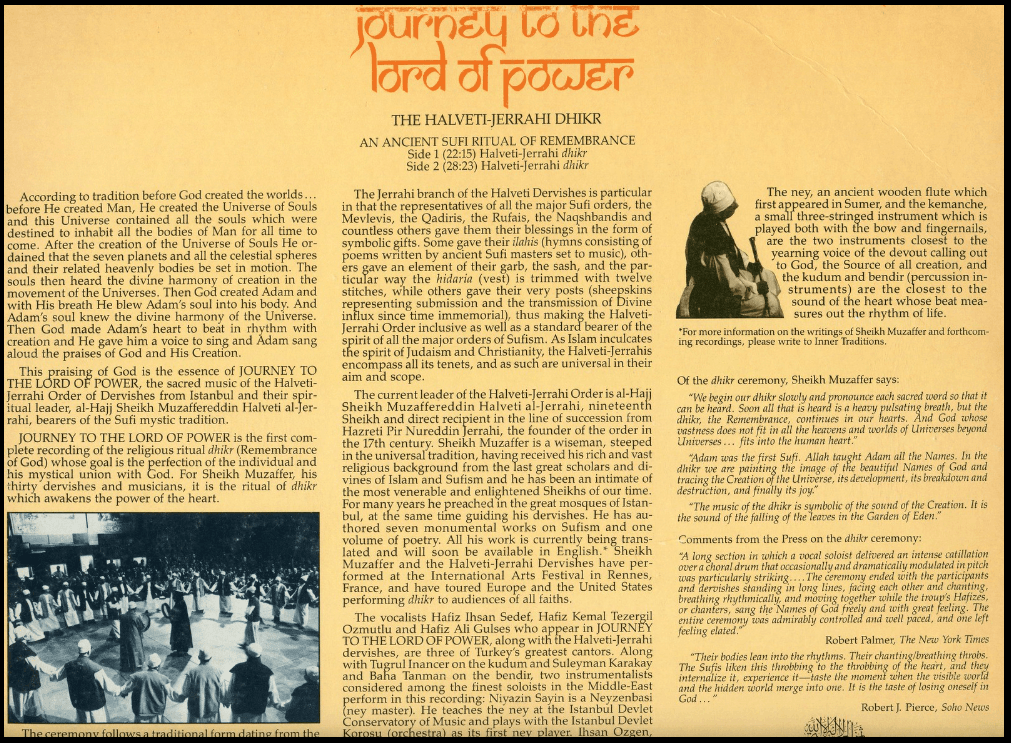
Back cover of the record "Journey to the Lord of Power" published in the United States (Flickr)
In his book Aşk Yolu Vuslat Tariki, Muzaffer Ozak described his observations from the 1978 event as follows:
At the beginning of February 1978, I was invited to the 5th Traditional Art Festival. Accompanied by 22 of my students, I traveled to Germany to accept this invitation. We performed the Halvetî Âyin-i Şerîf as a concert in Berlin’s grand opera house. Since traditional awliya ceremonies are adorned with Turkish Tekke Music, we recited and set to music the sayings of great Turkish Sufis such as Yûnus Emre, Hacı Bayrâm Velî, and Eşrefoğlu Rûmî, and we were received with great interest and affection. The 1500-seat opera house was completely full, and many people remained outside because there was no space left. Later, I learned from the organizers that more people were unable to enter than those who managed to get in. Among this large crowd, which included both those familiar with and those unfamiliar with tariqas, there were many individuals from various European nations. As was appropriate, the Âyin-i Şerîf began with “tevhîd.” It is noteworthy that the majority of those present joined us in reciting “tevhîd,” while those who did not know how to recite it observed us in reverent silence, even holding their breath.
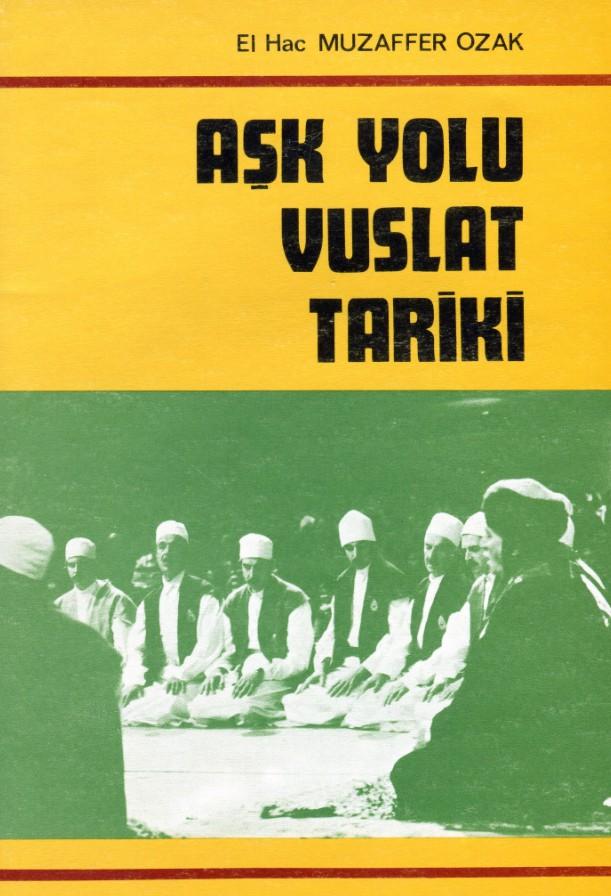
Turkish Front Cover of Aşk Yolu Vuslat Tariki (Defter-i Uşak)
When we rose to begin the devrân, I observed with boundless joy and awe that the entire audience joined us in dhikr. This vast crowd seemed to have been thirsting for “tevhîd” and sought to quench that thirst by participating with us. As is well known, nearly all universities in Europe have chairs teaching about Islamic-Turkish tariqas, and these institutions continuously conduct studies, research, and comparisons on Islamic-Turkish tariqas and Sufi movements in other religions, providing the public with extensive and detailed knowledge. Thus, Europeans possess considerable knowledge about Sufism and tariqas. However, while their teachers and students had deepened their theoretical understanding, they had never witnessed practical applications. We, therefore, demonstrated to this audience the theoretical knowledge they had acquired through direct practice. This enabled them to see with their own eyes what they had learned intellectually, captivating them deeply. The ilahis we recited seemed to enchant the entire gathering, and the Âyin-i Şerîf, performed by the dervishes in states of ecstasy and absorption, transported the audience into similar spiritual states. During the dhikr and tevhîd, in which 1500 people participated with love and fervor, the vast hall echoed with the cries of “ALLAH” and “HÛ.” We were confronted by a truly magnificent spectacle. When the dhikr, devrân, and Âyin-i Şerîf concluded, the immense crowd erupted in such ecstatic applause that they clapped wildly to express their admiration and reverence. The applause was silenced by the cry of “ALLAHUEKBER,” and the audience was informed that this was a religious ceremony and should not be applauded. Even as we bowed and withdrew with our dervishes, the crowd remained in the hall, believing we would return after a break. After repeated announcements that the ceremony had ended, people came to us in groups to individually congratulate us and express their admiration. At that moment, it seemed to me that this vast crowd had been illuminated by the light of “tevhîd” and gathered around it. This overwhelming interest and affection clearly revealed that the Church had truly failed to satisfy the religious feelings of the European people. The “tevhîd” presented to them through the sacred Âyin-i Şerîf of the awliya had announced and fulfilled this longing. Even if only momentarily, it had drawn them closer to the Truth and Reality.
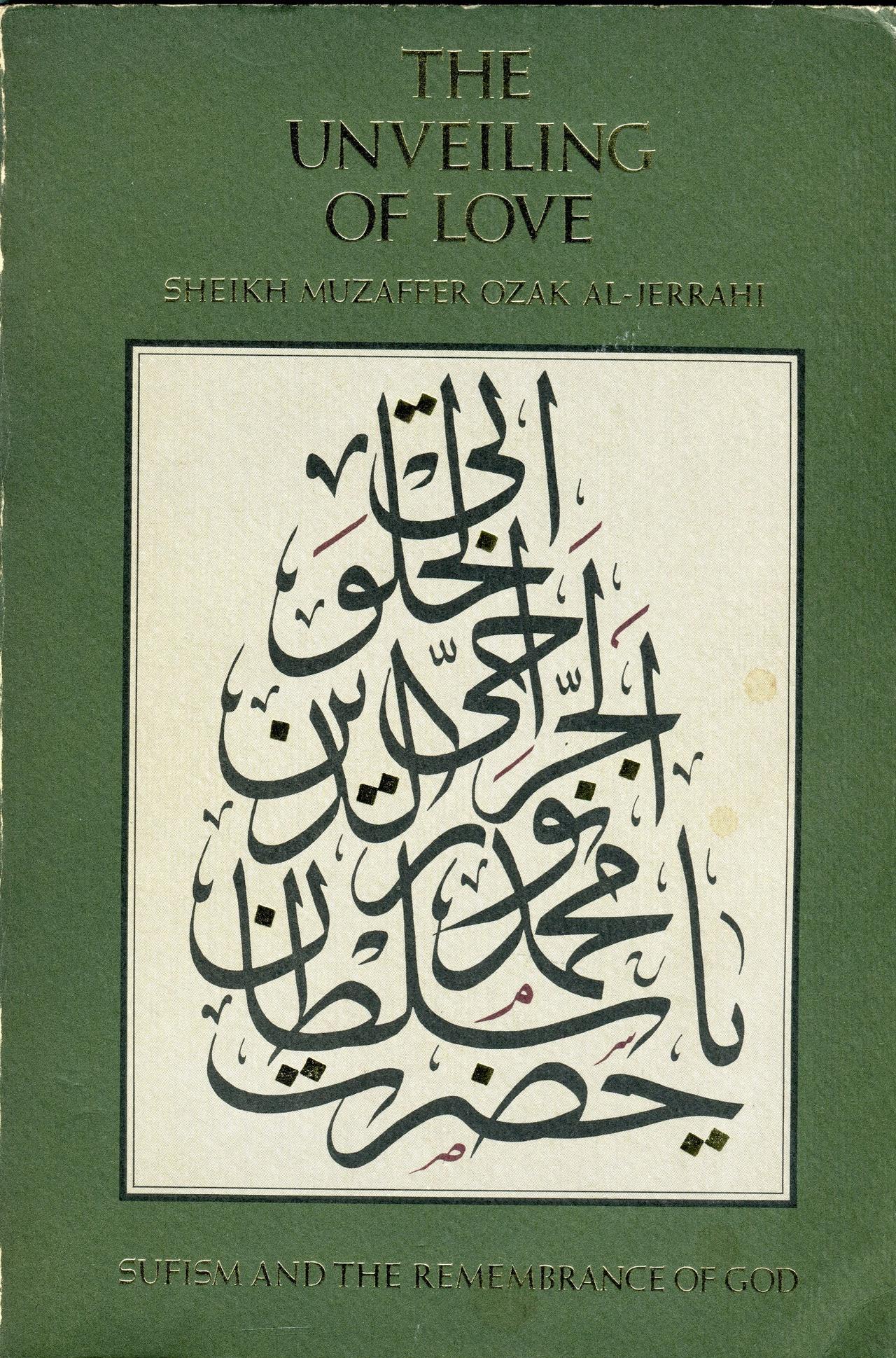
The Unveiling of Love Sheikh Muzaffer Ozak Al-Jerrahi (Defter-i Uşak)
France, after a brief rest, took us to Paris and then to Rennes, the city where the festival was held. It was said that Rennes was the historic capital of Christianity in France. At the City Hall, where we were invited, the Mayor of Rennes personally welcomed us and extended his congratulations to our group and the other participating groups. After his brief speech, he hosted a banquet for the other international groups attending the festival. We stayed in Rennes for three days and three nights. Just as in Germany, the public who came to observe our dhikr gathering in the designated square participated with great enthusiasm. We spent our days resting and our nights in dhikrullah. Without any self-praise, I can confidently record that the people, captivated by the light of “dhikr” and “tevhîd,” entered ecstatic states with increasing love and fervor, joining us in dhikr. After the Âyin-i Şerîf ended, those gathered around me asked questions about “tevhîd” and Sufism, seeking to resolve their doubts. Some, of course, also tried to test us discreetly. But the absolute and undeniable truth was that regardless of their sect or creed, the people had a strong desire and longing to say “ALLAH.” One night, I was asked: “You are Muslim, yet you accept Christians into your gathering and allow them to participate in dhikr. Can you explain the reason and wisdom behind this?” I replied: “I am a poor servant, a Muslim and a sheikh. I accept anyone who says ‘ALLAH’ into my gathering, and I say ‘ALLAH’ and allow others to say ‘ALLAH.’” My answer seemed to satisfy the questioner. Moreover, the mission of all prophets has always been to make people say “LÂİLÂHEİLLALLAH” without regard to race, color, or gender. Since we, by God’s grace, are the heirs of the prophets, it is undoubtedly our primary duty to lead all humanity to “tevhîd.” I must clearly state that during my time in Rennes and Paris, I observed and confirmed that the people were genuinely thirsty for “tevhîd” and dhikr. I must also add that several newspapers and magazines in Rennes and Paris published articles praising us. The Istanbul-based Dünya Gazetesi, citing its Paris correspondent and quoting French media outlets, published a photograph of our dhikr gathering under the headline (OUR DERVISHES ENCHANTED EUROPE) with the following report: The Turkish dervish group participating in the Traditional Art Festival in Rennes, France, attracted great attention, and their performances accompanied by Tekke Music won the admiration of both the French and other participating international groups. Moreover, the French press showed great interest in the performance. This year, 25 countries sent music and dance groups to the 5th Rennes Festival, and attendance exceeded 15,000, compared to approximately 12,000 the previous year. Observers commenting on the Turkish group’s performances said: The dervishes are presenting the most magnificent displays of Turkish Religious Music.
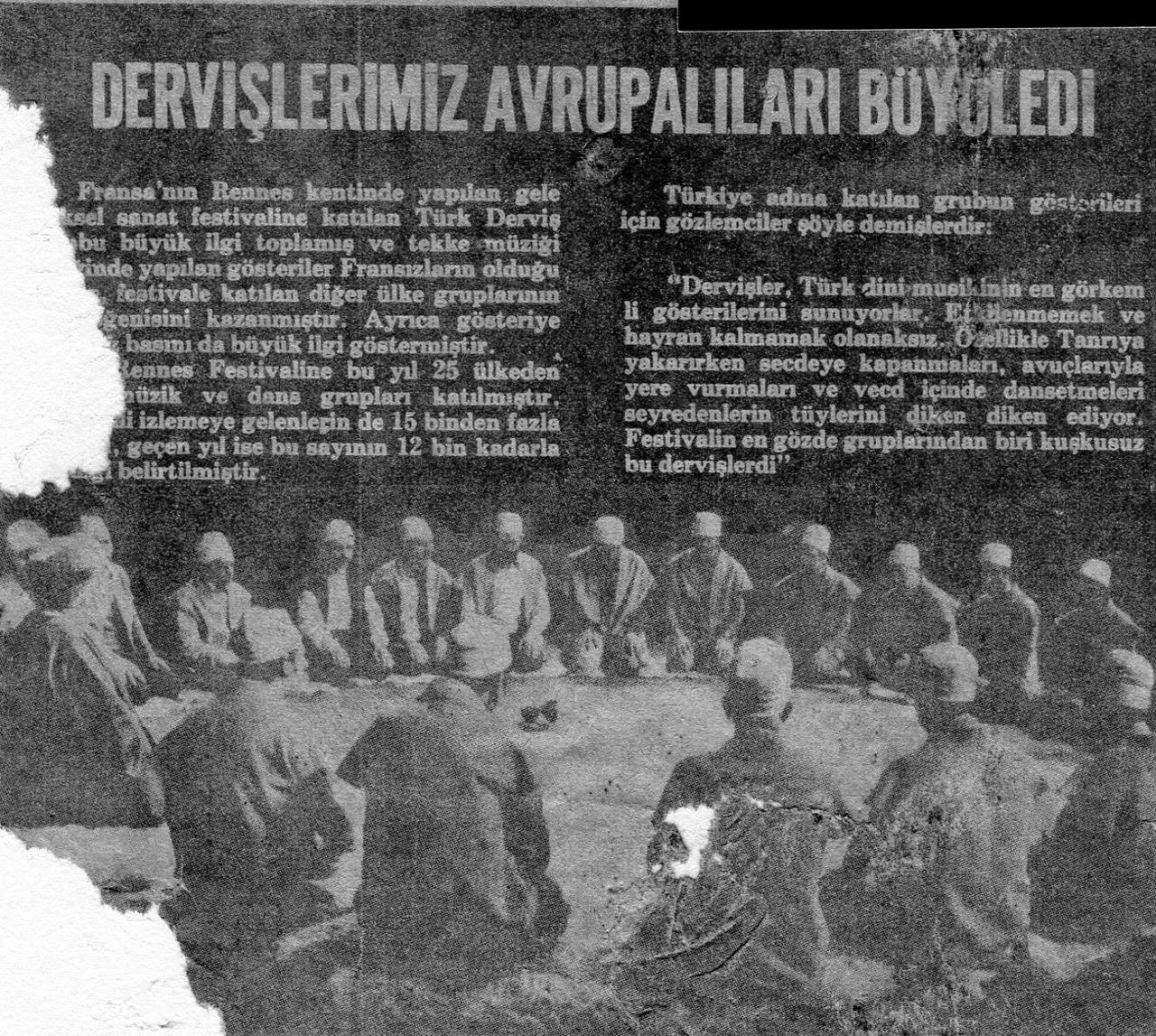
Dünya Gazetesi – 1978: News Clippings on the Dhikr Gathering (Defter-i Uşak)
It was impossible not to be moved and awestruck. Especially when they prostrated themselves in prayer to God, struck the ground with their hands, and spun in ecstasy, their actions sent shivers through the spectators. Undoubtedly, these dervishes were one of the festival’s most celebrated groups. As I read European newspapers and magazines praising us and listened to what was said about us, I see no need to conceal how profoundly specialized we are. For it was not our own talents that so brilliantly illuminated us before the European public, but the light of “tevhîd” and the dhikrullah gatherings. It is natural and evident that the same radiant light that dazzled 15,000 spectators from 25 countries was the same light that captivated them. Yes, I repeat and insist: Europe and the Europeans are genuinely thirsty for “tevhîd.” Although they did not understand the meanings of the ilahis recited or comprehend their verses, they were deeply moved by the unique rhythm and harmony of Turkish Tekke Music. Who knows what state they might have reached if they had understood the meanings of the ilahis and kasîdes and appreciated the eloquent expressions of Hazret-i Yûnus? The absolute and undeniable truth was that “tevhîd” had truly enchanted them; the sacred rites of the awliya had intoxicated and captivated them all. They forgot their identities, personalities, cultures, and religious beliefs, became lost in themselves, joined our dervishes, participated with us in the devrân, and united with us in “tevhîd” through love and fervor.
Chant des Derviches de Turquie: Musique Soufi – La Cérémonie du Zikr. Arion Records, ARN 64061. France, 1978. [Plak Kapağı Görseli]
Defter-i Uşşâk. "Traditional Art Festivali 1978." Defter-i Uşşâk (blog), January 19, 2015. Accessed May 20, 2025.https://defter-i-ussak.blogspot.com/2015/01/tarditional-art-festivali-1978.html
Dünya Gazetesi. “Dervişlerimiz Avrupa’yı Büyüledi.” Dünya Gazetesi, Paris Muhabiri, March 1978.
Ernst, Carl W. “Transmission of Knowledge in Sufism.” In Sufism: Love and Wisdom, edited by Jean-Louis Michon and Roger Gaetani, 23–45. Bloomington: World Wisdom, 2006.
Schimmel, Annemarie. Mystical Dimensions of Islam. Chapel Hill: University of North Carolina Press, 1975.
Sedgwick, Mark. Western Sufism: From the Abbasids to the New Age. Oxford: Oxford University Press, 2016.
Özak, Muzaffer. Aşk Yolu: Vuslat Tariki. İstanbul: Kalem Yayıncılık, 1978.
———. "Fotoğraf 1." Flickr. Accessed May 20, 2025.https://www.flickr.com/photos/muzafferozak/32380364122/in/photostream/lightbox/
———. "Fotoğraf 2." Flickr. Accessed May 20, 2025.https://www.flickr.com/photos/muzafferozak/32532895465/in/photostream/lightbox/
———. "Fotoğraf 3." Flickr. Accessed May 20, 2025.https://www.flickr.com/photos/muzafferozak/8206602338/in/photostream/lightbox/
———. Love is the Wine: Talks of a Sufi Master in America. Edited by Reshad Feild. Vermont: Threshold Books, 1981.
———. “Fotoğraf 4.” Flickr. Accessed May 20, 2025.https://www.flickr.com/photos/muzafferozak/8206607538/in/photostream/