


This article was automatically translated from the original Turkish version.

Event | 6th International Women and Justice Summit: Artificial Intelligence and Women | ||||||||
|---|---|---|---|---|---|---|---|---|---|
class=\
The Women and Democracy Foundation (KADEM) organizes the International Women and Justice Summit, an event aimed at addressing critical issues related to women, family, and society on a global scale.
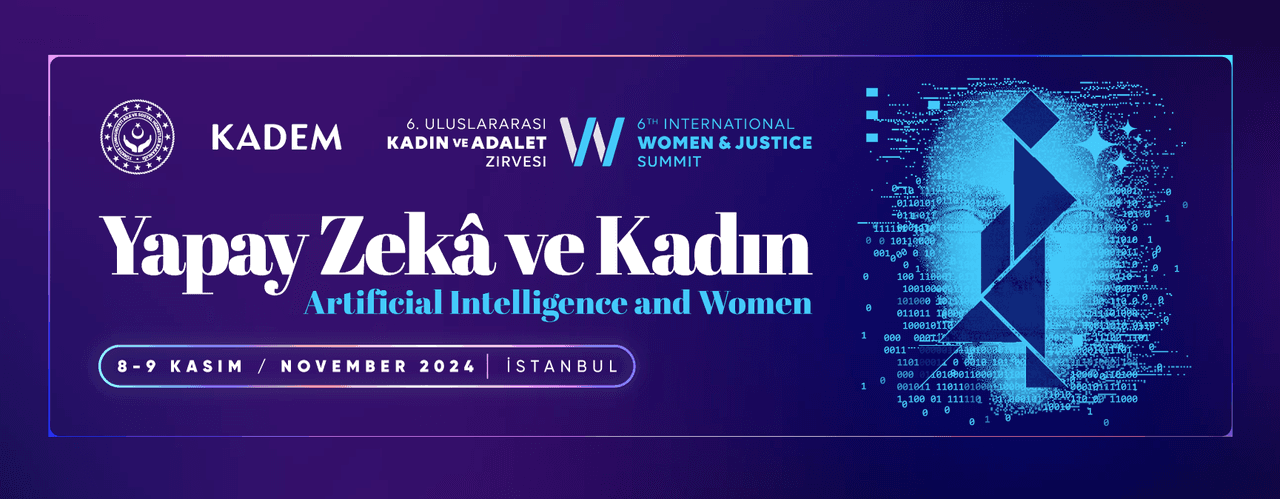
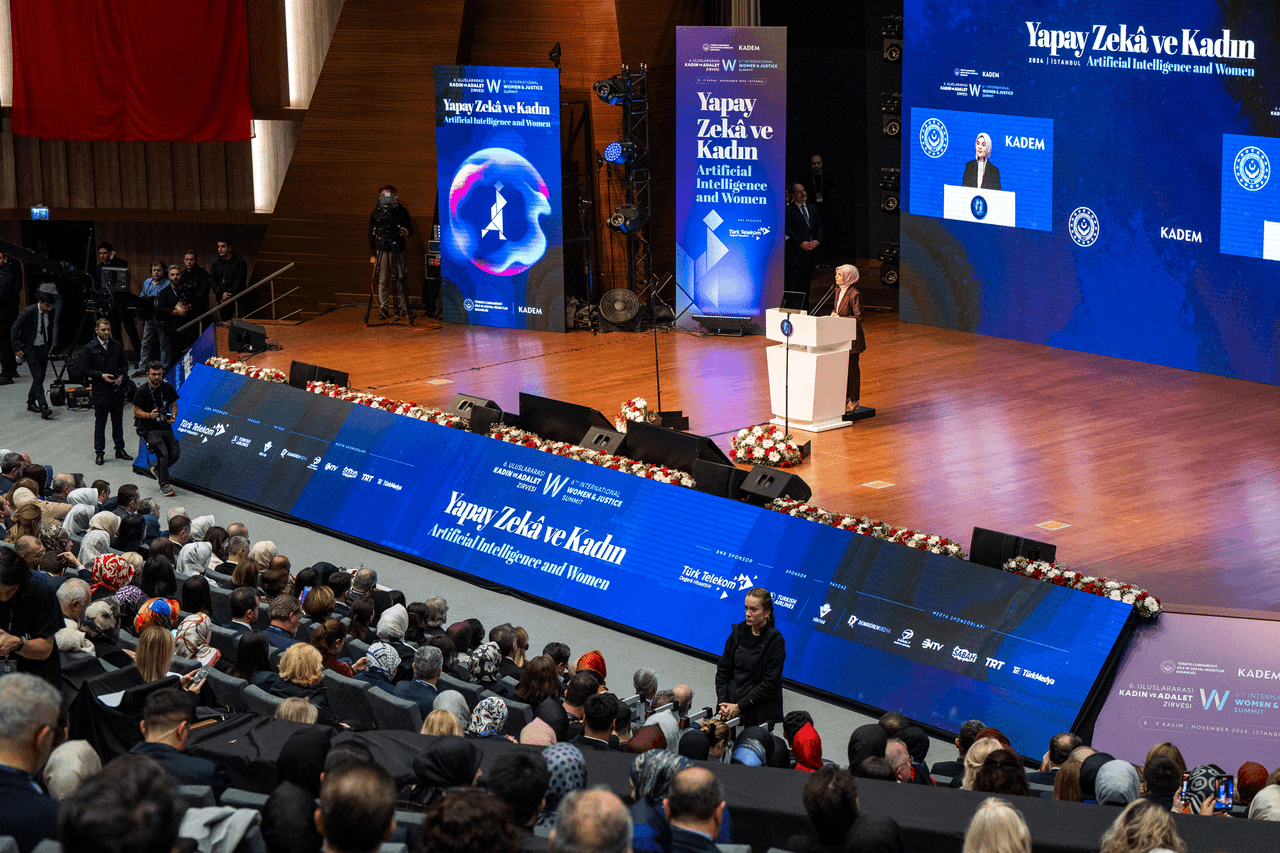
The 6th International Women and Justice Summit, held in 2024 under the theme “Artificial Intelligence and Women”, focused on empowering women in the field of artificial intelligence and promoting gender equality. The summit sought to answer how rapidly advancing AI technologies can contribute to more equitable representation of women in social, economic, and cultural spheres. By providing a comprehensive platform for dialogue on artificial intelligence and gender justice, the summit offered strategic recommendations on women’s representation in this field, measures against bias, and the development of an inclusive AI ecosystem.
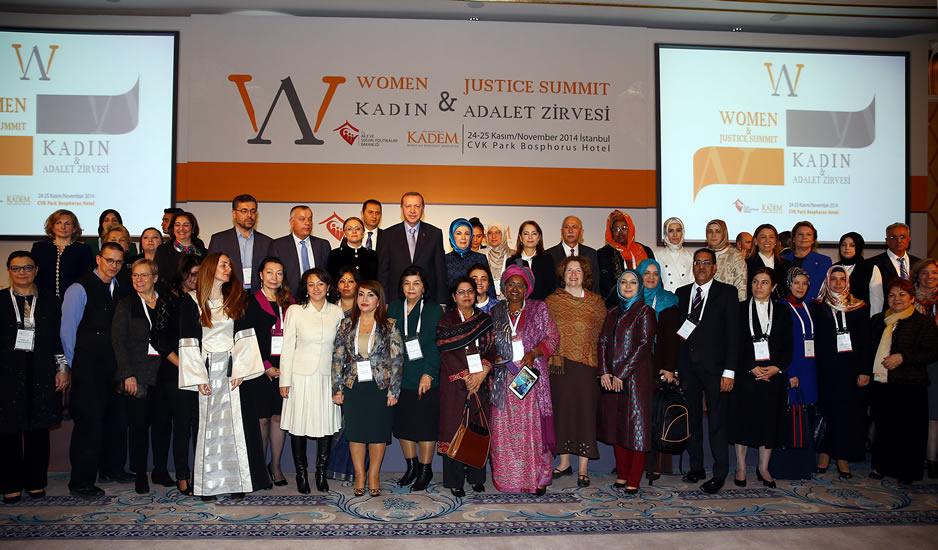
The International Women and Justice Summit, organized by the Women and Democracy Foundation (KADEM), serves as a global platform to examine the social, economic, and cultural challenges faced by women, families, and society. Held biennially since 2014, the summit promotes reforms that support fundamental values shaping social structures and the roles of women within them. This year, the summit addressed questions such as how women are affected by the rise of artificial intelligence and how these technologies can contribute to a safe and fair future for women.
class=\
The Women and Justice Summit aims to draw attention to issues such as gender justice, women’s empowerment, and the support of women’s roles within the family. Under KADEM’s leadership, the summit addresses problems concerning women’s place in public life through the lens of justice and seeks solutions. By bringing together global experts in the field, the summit strives to raise societal awareness of women’s rights and to strengthen women’s social, cultural, and economic standing.
class=\
Each summit has been shaped around a theme reflecting the most pressing and relevant issues of its time. These themes have comprehensively examined various social challenges affecting women’s lives and proposed solutions:
The first summit was held under the theme “Justice,” emphasizing that women must be fairly represented in all spheres of life and that women’s issues must be evaluated through the lens of justice.
As the refugee crisis became a global issue, this summit highlighted the challenges faced by refugee women and the critical role of women in peace processes.
This summit emphasized the importance of the family in society, asserting that a strong family structure contributes to social resilience and that women must be supported within the family unit.
The social impacts of digitalization on individuals were examined. The summit prioritized efforts to preserve individual uniqueness while pursuing human-centered digital development.
The influence of cultural norms on women and how these codes shape women’s social roles were critically analyzed.
Each of these themes has contributed to a deeper understanding of the challenges women face in public life and to the development of targeted solutions.
This year’s summit adopted the theme “Artificial Intelligence and Women”. As artificial intelligence and digital technologies increasingly shape our daily lives, it is widely recognized that these developments present both opportunities and threats for women. With the 2024 summit, KADEM aims to assess how women are affected by this transformation and to explore the potential of artificial intelligence to build a safer, more equitable world for women.
This theme encompasses not only the economic but also the social and cultural impacts of artificial intelligence. Throughout the summit, the social, economic, and ethical dimensions of AI technologies were discussed, and the gender biases within these systems and their effects on women were examined. The fact that the majority of professionals in the technology sector are men and that algorithms are often shaped by a male perspective makes it harder to construct a fair digital future for women. The summit encourages women to take more active roles in the technology world and seeks to evaluate how artificial intelligence affects women’s well-being.
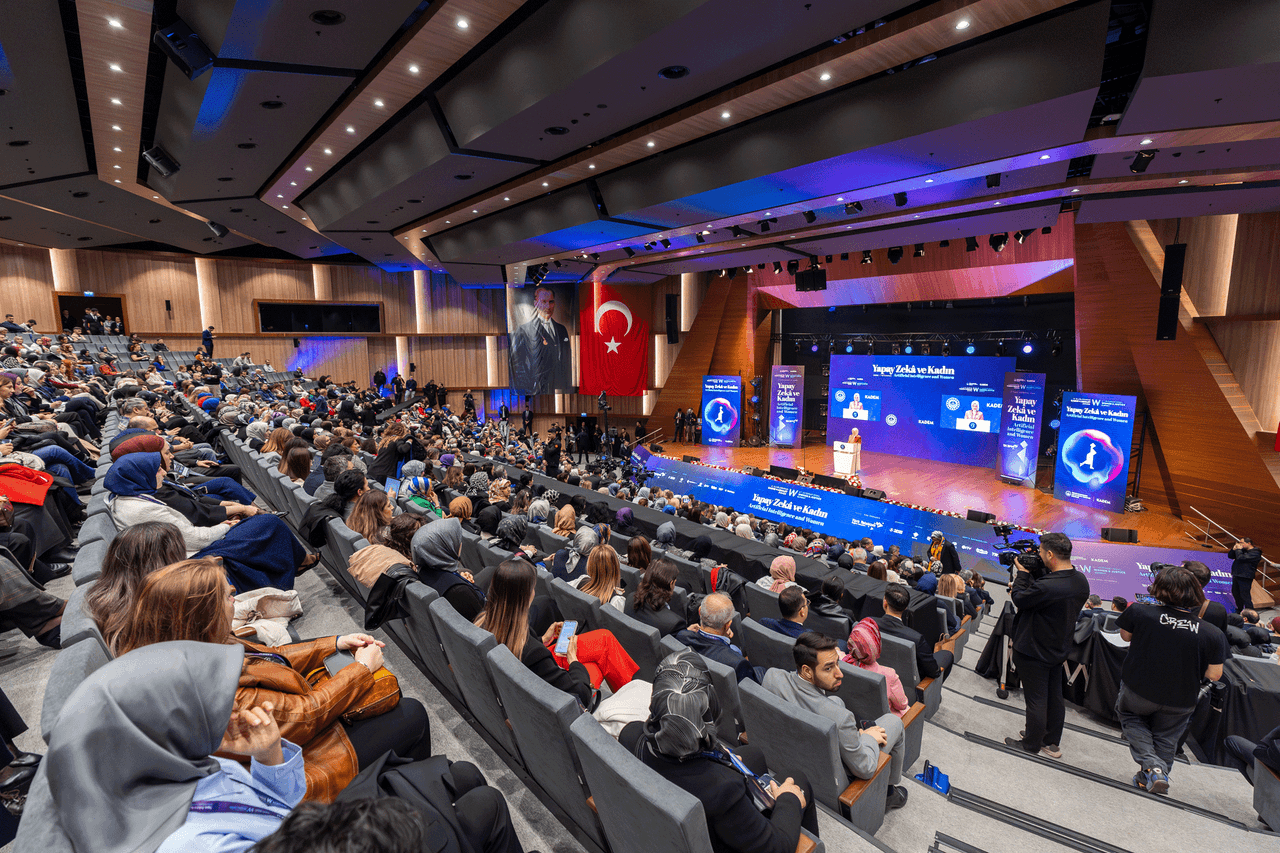
6th International Women and Justice Summit: Artificial Intelligence and Women (From Abdurrahman Mujeeb’s Lens)
Another key focus of the summit is reducing the barriers women encounter in their professional and social lives due to artificial intelligence. The summit examined whether AI could deepen existing gender inequalities in society or create new opportunities for women. A central theme of the summit was the necessity for collaboration among governments, civil society organizations, and private sector representatives to develop technology with sensitivity to gender equality.
The 2024 Women and Justice Summit provides a comprehensive platform for dialogue on how artificial intelligence affects women and what steps must be taken to ensure these new technologies contribute to a just and equitable society. The summit’s focus on this theme aims to raise awareness that in an era of rapid technological advancement, women must be represented through an equitable approach.
The first day of the 2024 Women and Justice Summit drew attention with statements from leading figures from Türkiye and around the world on the theme of artificial intelligence and women. In the opening addresses, KADEM Board Chair Assoc. Prof. Dr. Saliha Okur Gümrükçüoğlu, Minister of Family and Social Services Mahinur Özdemir Göktaş, and President Recep Tayyip Erdoğan emphasized the need for efforts to ensure women can participate more strongly, safely, and equally in a future shaped by technology. In the subsequent Leaders Session, ministers from various countries shared their perspectives on artificial intelligence and gender equality.
At the summit’s opening, KADEM Board Chair Assoc. Prof. Dr. Saliha Okur Gümrükçüoğlu emphasized that women must be supported through the lens of justice during social transformation processes. Gümrükçüoğlu noted that technological advancements are rapidly becoming central to human life and that artificial intelligence carries both the potential to solve problems affecting women and the risk of deepening them. She stressed the importance of women having a voice in this transformation, as it is essential for creating stronger representation through evolving digital technologies.
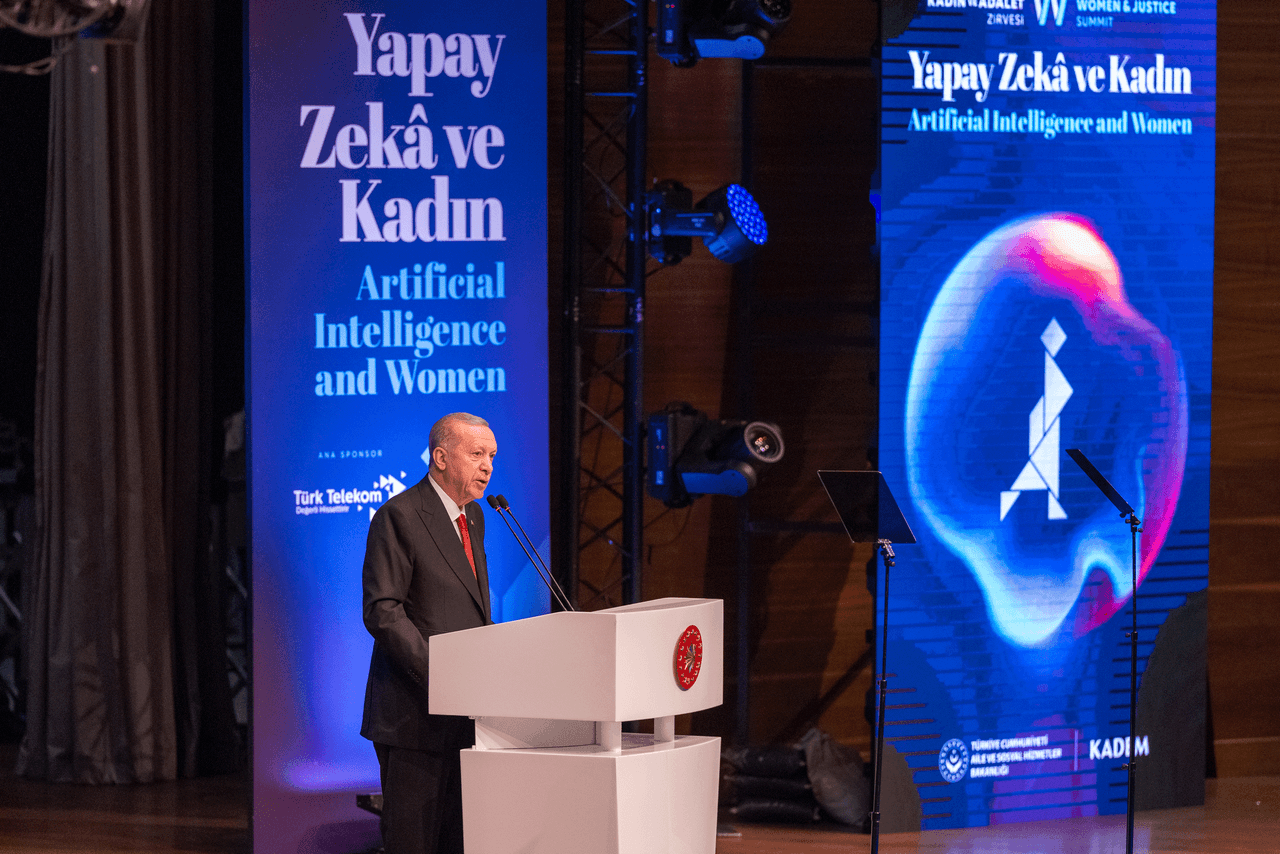
6th International Women and Justice Summit: Artificial Intelligence and Women (From Abdurrahman Mujeeb’s Lens)
At the summit’s opening, KADEM Board Chair Assoc. Prof. Dr. Saliha Okur Gümrükçüoğlu emphasized that women must be supported through the lens of justice during social transformation processes. Gümrükçüoğlu noted that technological advancements are rapidly becoming central to human life and that artificial intelligence carries both the potential to solve problems affecting women and the risk of deepening them. She stressed the importance of women having a voice in this transformation, as it is essential for creating stronger representation through evolving digital technologies.
In his address, President Recep Tayyip Erdoğan highlighted that technology has been part of major historical transformations, noting that technological advances since the Industrial Revolution have fundamentally reshaped societies. Erdoğan pointed out that today concepts such as artificial intelligence, autonomous systems, robotics, and the Internet of Things are significantly influencing human behavior and production relations, bringing both benefits and challenges. He noted that while access to information has become easier, digitalization may undermine individual uniqueness. He emphasized that while technology facilitates information sharing, it also leads to problems such as dissatisfaction. Erdoğan stressed that artificial intelligence has the potential to deepen gender inequalities and underscored the need to establish a just structure for women in this domain. He emphasized the importance of ensuring fair representation of women in the technology sector and strengthening the social, economic, and political status of women in Türkiye, noting that increasing women’s participation in the labor force plays a critical role in Türkiye’s path toward a strong future.
class=\
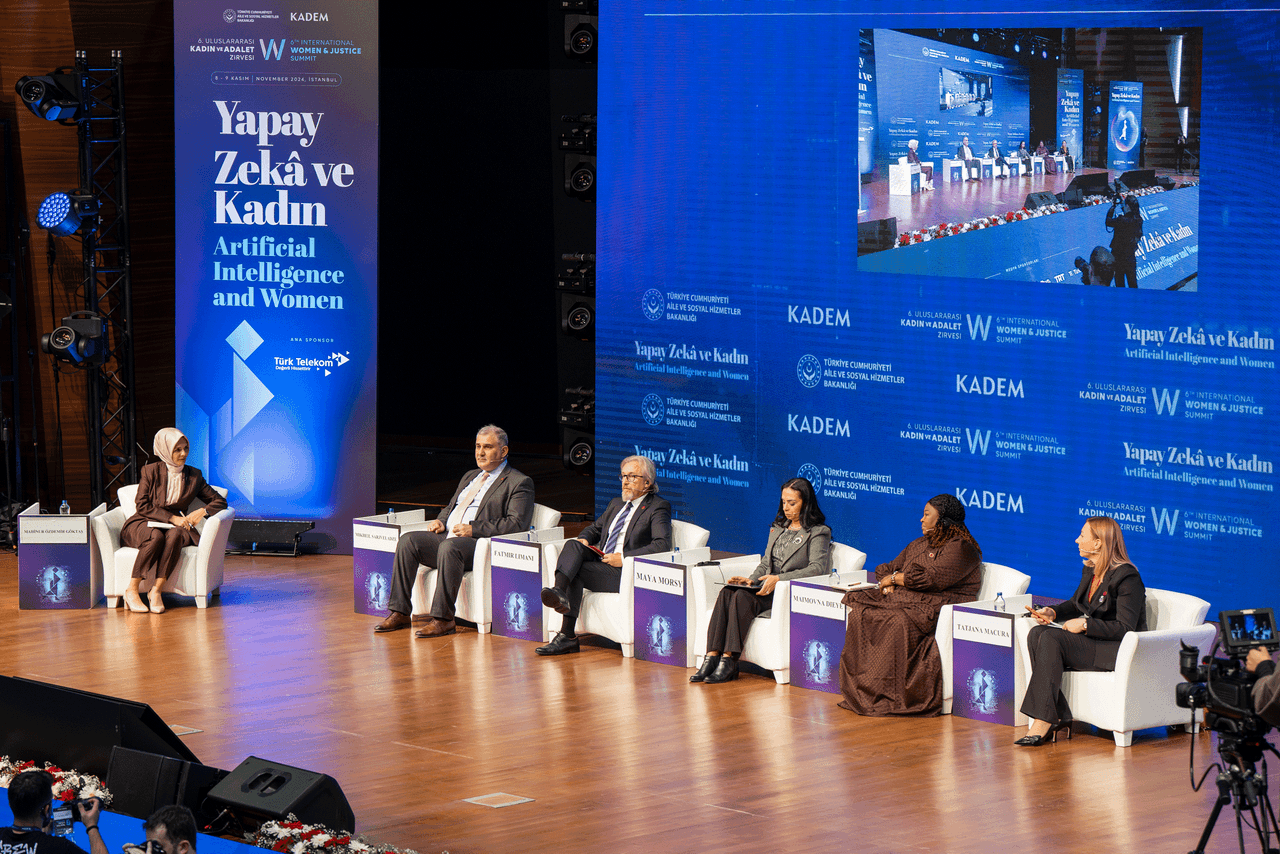
Following the opening addresses, the Leaders Session addressed global perspectives on artificial intelligence and gender equality. Moderated by Türkiye’s Minister of Family and Social Services Mahinur Özdemir Göktaş, participants included Mikheil Sarjveladze, Minister of Labour, Health and Social Protection of Georgia; Sedat Sulejmani, Deputy Minister of Culture of the Republic of North Macedonia; Maya Morsy, Minister of Social Solidarity of Egypt; Maimouna Dieye, Minister of Family and Solidarity of Senegal; and Tatjana Macura, State Minister for Gender Equality of Serbia.
The session emphasized that artificial intelligence technologies are driving profound changes across all areas of life. Speakers noted that artificial intelligence is not merely a technical advancement but a transformation carrying social responsibility. They stressed that women must be more actively included in decision-making processes to ensure AI supports a fairer social structure.
Speakers highlighted that the AI field is male-dominated and that this imbalance can lead to gender bias in AI algorithms. Leaders warned that the underrepresentation of women in AI research may reinforce gender inequality and emphasized the importance of increasing female representation in fields such as engineering and data science. They stated that efforts must be made to facilitate women’s access to technology and to guide them toward these fields during education.
The session also recalled how medical research in the 20th century was conducted almost exclusively on men, leading to negative consequences for women’s health, and warned that a similar situation could occur in AI algorithms. Speakers insisted that women must be included in the development of AI algorithms and that serious measures must be taken to eliminate gender bias from these systems.
In conclusion, leaders agreed that all countries must take responsibility to ensure artificial intelligence does not become a structure that excludes women. They emphasized that for women to have a place in a fair, equal, and safe future, AI must be developed with gender sensitivity and an inclusive understanding must be adopted across society. This session was a crucial gathering in highlighting the global concerns raised by the summit’s theme: “Artificial Intelligence and Women.”
In this section of the Women and Justice Summit, the impacts of artificial intelligence on women were examined in detail through various sessions. Discussions covered the interaction of AI technologies with social and cultural structures, gender bias in algorithms, and the contribution of AI to work-life balance for women.
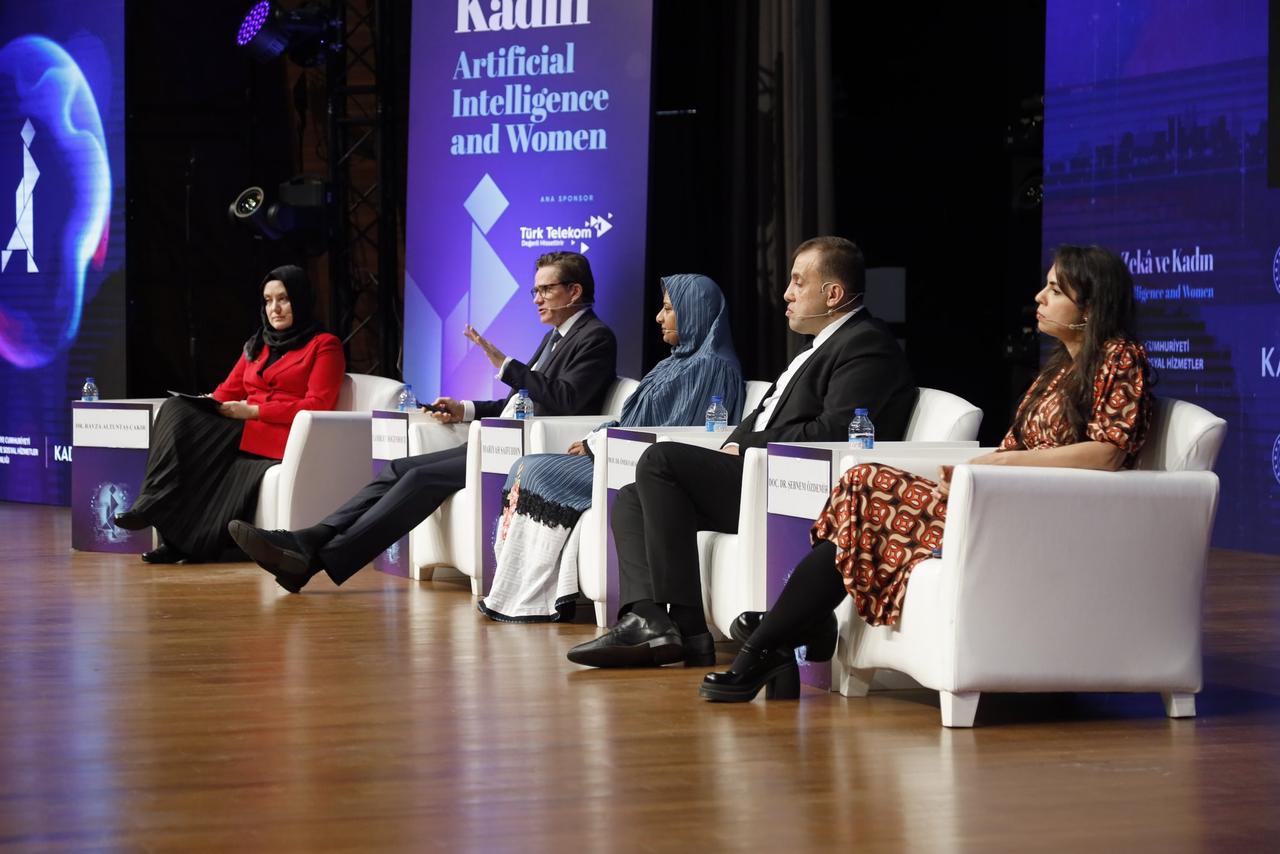
This session examined how gender bias emerges in the development of AI algorithms and how it negatively affects women. Moderated by Dr. Ravza Altuntaş Çakır, a member of KADEM’s Academic Advisory Council, the session featured insights from Lambert Hogenhout, Head of Data and AI at the United Nations, Prof. Dr. Ömer Faruk Ertuğrul, and data science experts.
class=\
It was noted that the male dominance in AI development leads to gender bias in algorithm design. AI systems developed primarily by men in engineering and data science fields risk being designed from a perspective that fails to reflect women and their needs. Speakers emphasized that male dominance not only characterizes the industry but also shapes AI systems with an understanding that sees women less clearly. They warned that this male-centric framework, much like 20th-century medical research conducted only on men, could produce negative outcomes in women’s interactions with technology.
Solutions to mitigate these biases were proposed. Speakers stressed the need to increase female representation in engineering and data science, improve educational systems, and ensure greater inclusion of women in AI development processes. They also emphasized that socially gender-sensitive approaches must be adopted in algorithm development, and that more inclusive research and development efforts in AI are essential.
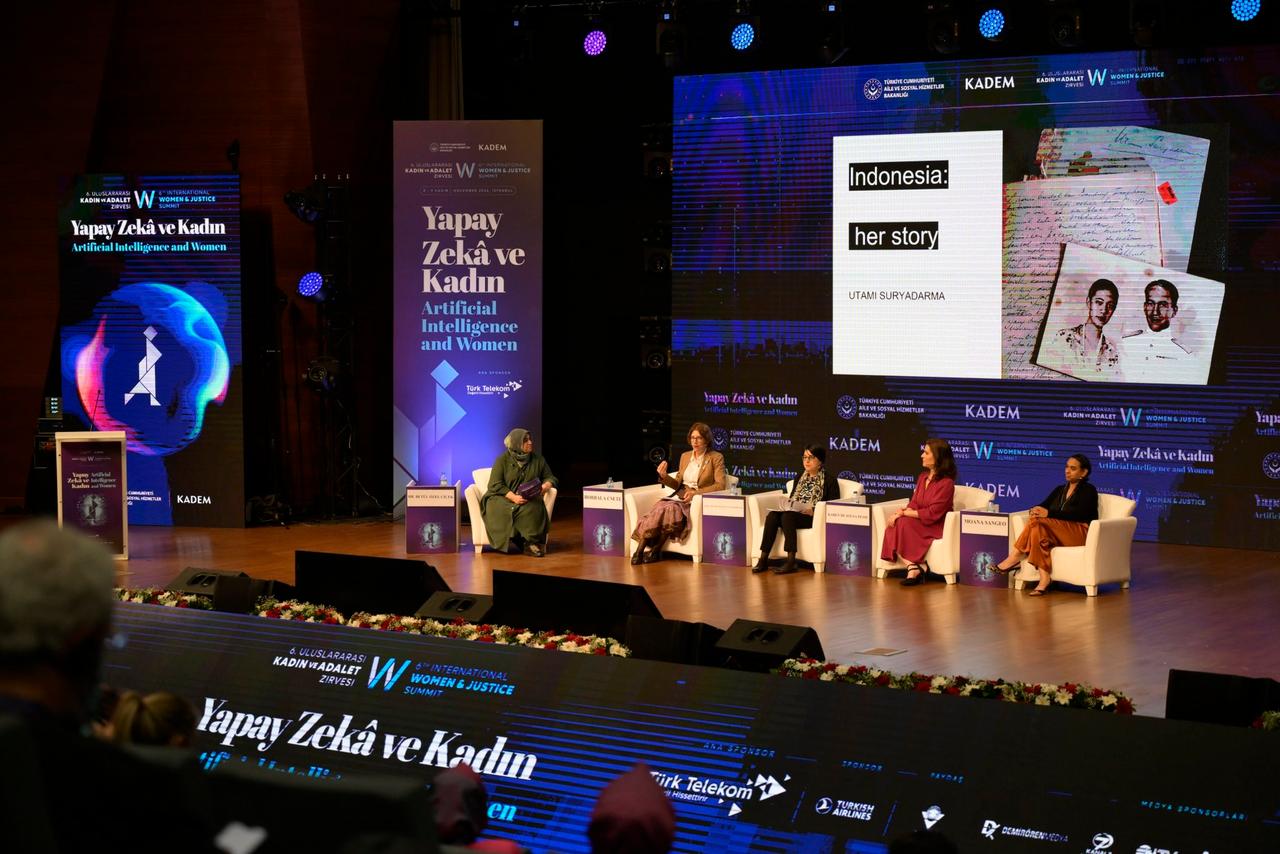
The relationship between artificial intelligence and socio-cultural norms in society was discussed by participants including Independent Cultural Advisor Borbála Csete and Salesforce executive Karen de Sousa Pesse. Speakers noted that AI adds a new dimension to social structures, reflecting existing socio-cultural codes while simultaneously reproducing them.
class=\
The session discussed how society has reached a level where technology use is associated with perceived wisdom and digital competence is linked to social status. It was emphasized that women’s access to technology must be expanded. However, the male-dominated structure of technology could weaken women’s representation in this field. Participants stated that society must adopt a more equitable approach to women’s access to technology and artificial intelligence.
Speakers also emphasized the importance of integrating artificial intelligence into society with empathy and compassion. While many women face gender bias in the workplace, AI can serve as a tool to alleviate these challenges. It was noted that for technology to support women’s professional lives and help them overcome barriers, a technological understanding that incorporates social sensitivity alongside greater female representation is required.
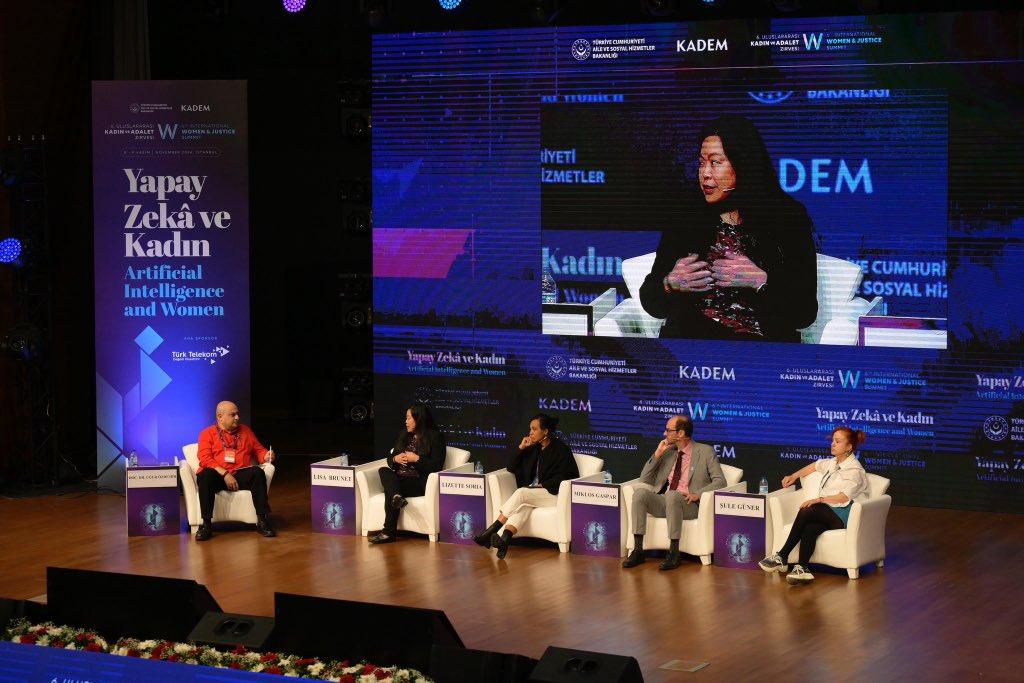
The impact of artificial intelligence on women’s work-life balance was addressed in a session moderated by Assoc. Prof. Dr. Uğur Özdemir. Experts including Lisa Brunet, CEO of DZLP Group, gender studies specialist Lizette Soria, and AI author Şule Güner discussed both the advantages and potential challenges of this technological transformation for women.
The burden of caregiving responsibilities, one of the most significant challenges women face in their professional lives, was a central topic. It was stated that advanced AI systems can help relieve women of domestic and caregiving duties. The potential of AI to reduce women’s workload and positively affect their well-being was highlighted. It was noted that AI can assist women in performing their workplace tasks more efficiently and ease their family responsibilities.
class=\
Speakers also highlighted that AI-supported projects enabling women in rural areas to receive education in their native languages could enhance their participation in social life. It was noted that the use of AI-supported language models could improve the education levels of rural women and create a more equitable learning environment. Additionally, it was emphasized that new job opportunities created by AI must be planned through a more inclusive system for women.
Finally, speakers stressed that society must adapt to the rapid development of AI. Participants stated that for women to assume stronger positions in the workforce and technology sector, change is needed in both society and policy. They emphasized that the gender equality perspective must be developed to ensure this technological transformation contributes to women’s well-being.
Following the sessions and panels under the theme “Artificial Intelligence and Women,” the 6th International Women and Justice Summit concluded with a series of action plans and policy recommendations aimed at ensuring more active representation of women in the field of artificial intelligence. The Outcome Declaration presented at the summit’s closing outlines strategic steps to develop a gender-sensitive AI ecosystem and to ensure women have greater voice in this domain.
The summit’s outcome declaration identified priority goals for ensuring artificial intelligence contributes to gender justice. These goals focus on strategies to increase women’s representation in AI, prevent gender-based bias from being embedded in algorithms, and support gender equality:
As a result of the summit’s discussions, a series of recommendations and policy suggestions were presented to strategically advance women’s leadership and representation in the AI sector:
The summit’s outcome declaration emphasized that actions to enhance women’s contributions to technology must be approached through a gender-sensitive perspective. It stated that governments, academia, the private sector, and civil society organizations must collaborate to ensure greater representation of women in AI, eliminate gender bias in algorithms, and regulate artificial intelligence to benefit society.

Event | 6th International Women and Justice Summit: Artificial Intelligence and Women | ||||||||
|---|---|---|---|---|---|---|---|---|---|
No Discussion Added Yet
Start discussion for "6th International Women and Justice Summit: Artificial Intelligence and Women" article
6th Women and Justice Summit: Theme Artificial Intelligence and Women
Primary Objective of the Summit and Themes from Past Editions
2014: “Justice”
2016: “Speak Up for Justice”
2018: “Strengthening the Family”
2020: “Remaining Human in the Digital Age”
2022: “Cultural Codes and Women”
2024 Theme: Artificial Intelligence and Women
Opening Addresses and Leaders Session
President and KADEM Board Chair
Leaders Session: Global Perspectives on Artificial Intelligence and Women
Summit Sessions and Key Discussion Topics
Artificial Intelligence and Gender Bias in Algorithms
Artificial Intelligence and Socio-Cultural Codes
Artificial Intelligence and Women’s Well-being
Summit Outcome Declaration and Recommendations for the Future
Key Highlights of the Outcome Declaration
Recommendations and Policy Suggestions for the Future