


This article was automatically translated from the original Turkish version.
+1 More
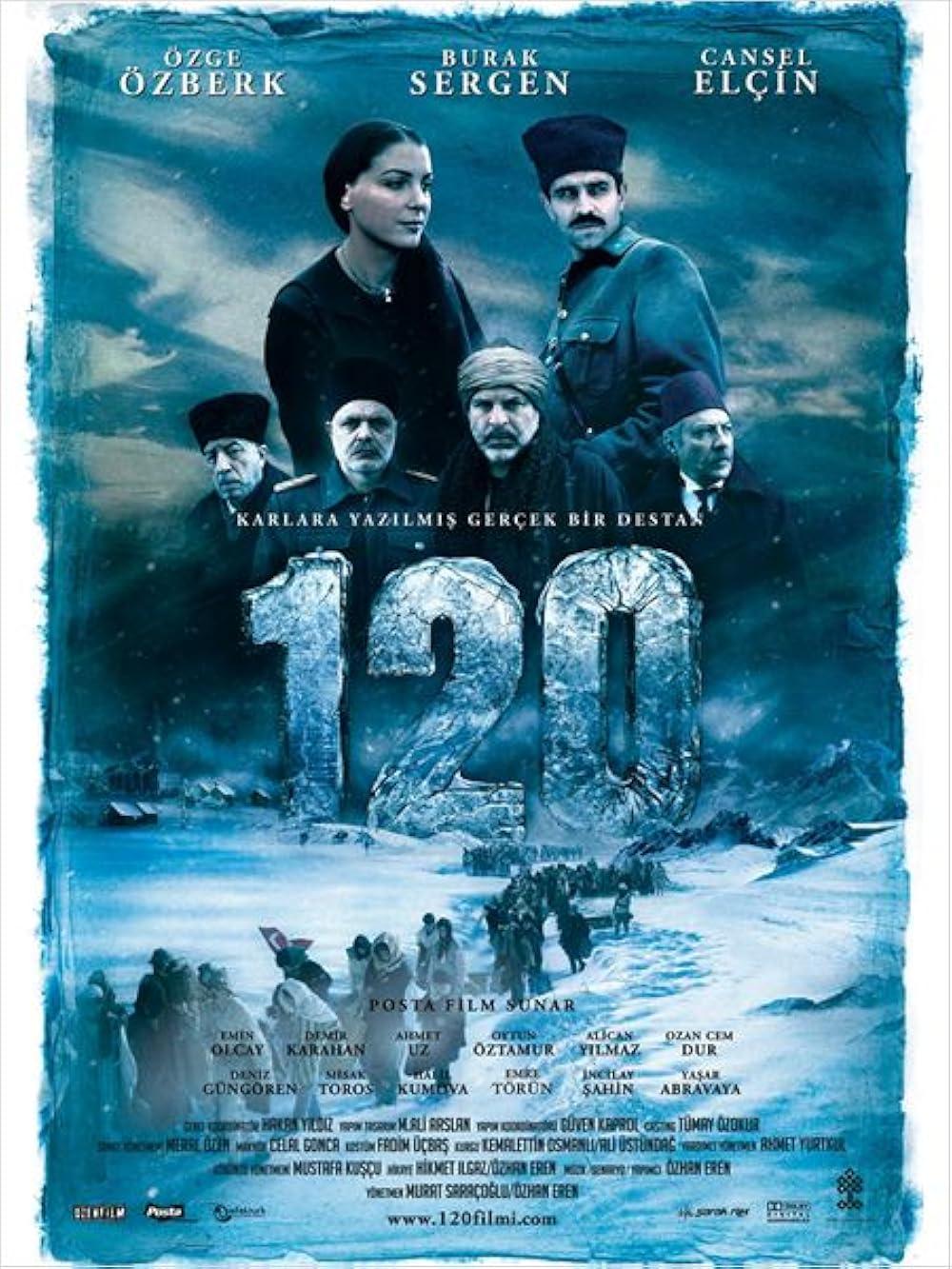
120 Film Poster
Director | Özhan Eren Murat Saraçoğlu | ||||||||
|---|---|---|---|---|---|---|---|---|---|
Screenplay | Özhan Eren | ||||||||
Music | Özhan Eren | ||||||||
Genre | History War Drama | ||||||||
Production Year | 2008 | ||||||||
Language | Turkish | ||||||||
Actor | Cansel Elçin Özge Özberk Burak Sergen Emin Olcay Demir Karahan | ||||||||
120 is a historical war film released in Türkiye in 2008, featuring dramatic elements. Directed by Murat Saraçoğlu and Özhan Eren, with a screenplay written by Özhan Eren, the film is based on the true story of 120 children tasked with transporting ammunition from Van to the front lines during the First World War, portraying the harsh conditions of the era in a dramatic framework.
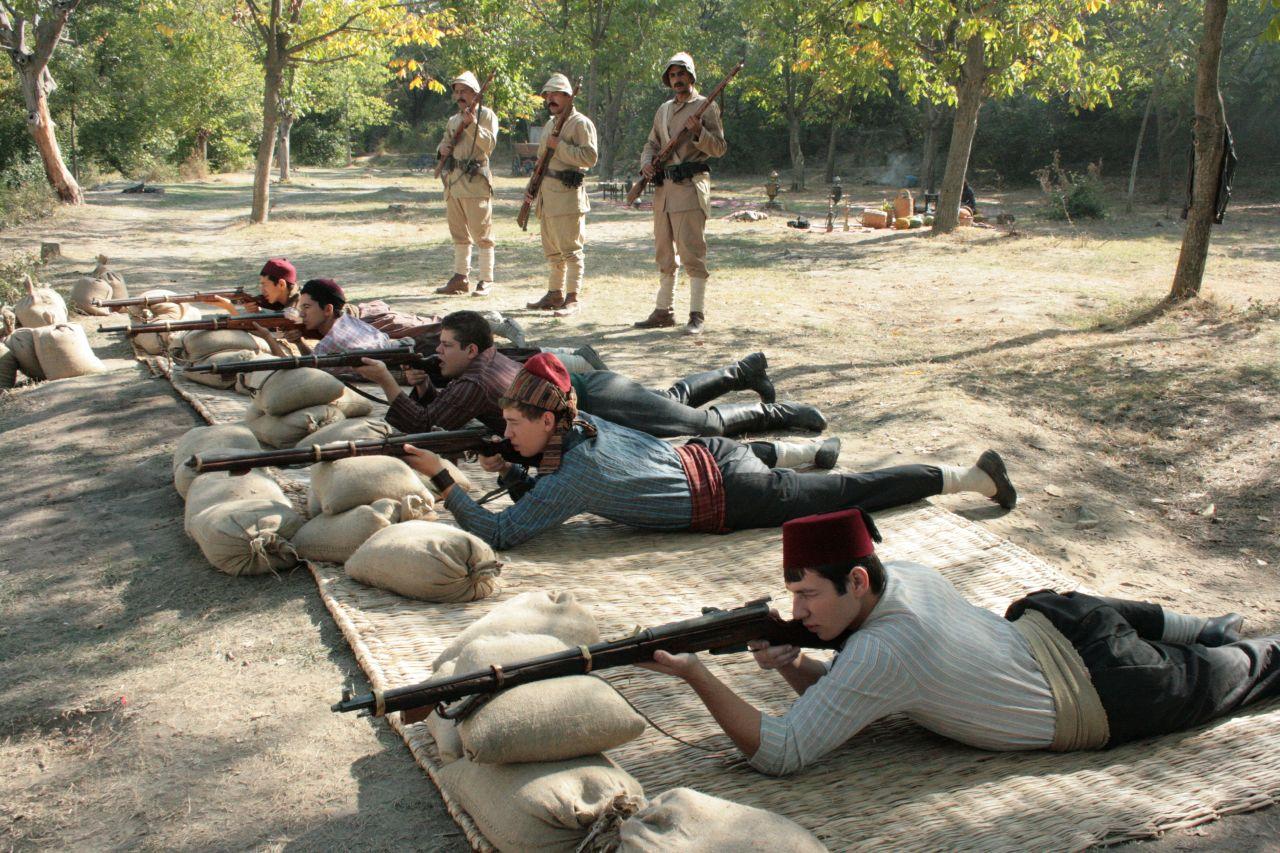
120 (IMDb)
The film centers on the story of 120 children, aged between 12 and 17, who set out from Van in 1915 during the Ottoman Empire’s eastern front campaign to deliver ammunition to soldiers. Due to severe shortages of food and munitions at the front, these children voluntarily undertake the arduous mission, traversing mountainous winter terrain under heavy loads to deliver supplies to the troops. The film presents this journey within a dramatic structure grounded in historical reality.
Filming took place in Van and Safranbolu to reflect the atmosphere of the period, with careful attention paid to period costumes and set design. The production lasted approximately one year, with a strong effort made to remain faithful to historical accuracy. The film’s music was composed by Özhan Eren.
The film features actors from various age groups. Key roles are portrayed by:
The cast was selected to serve the dramatic narration of the historical event, with particular emphasis placed on the performances of the child actors.
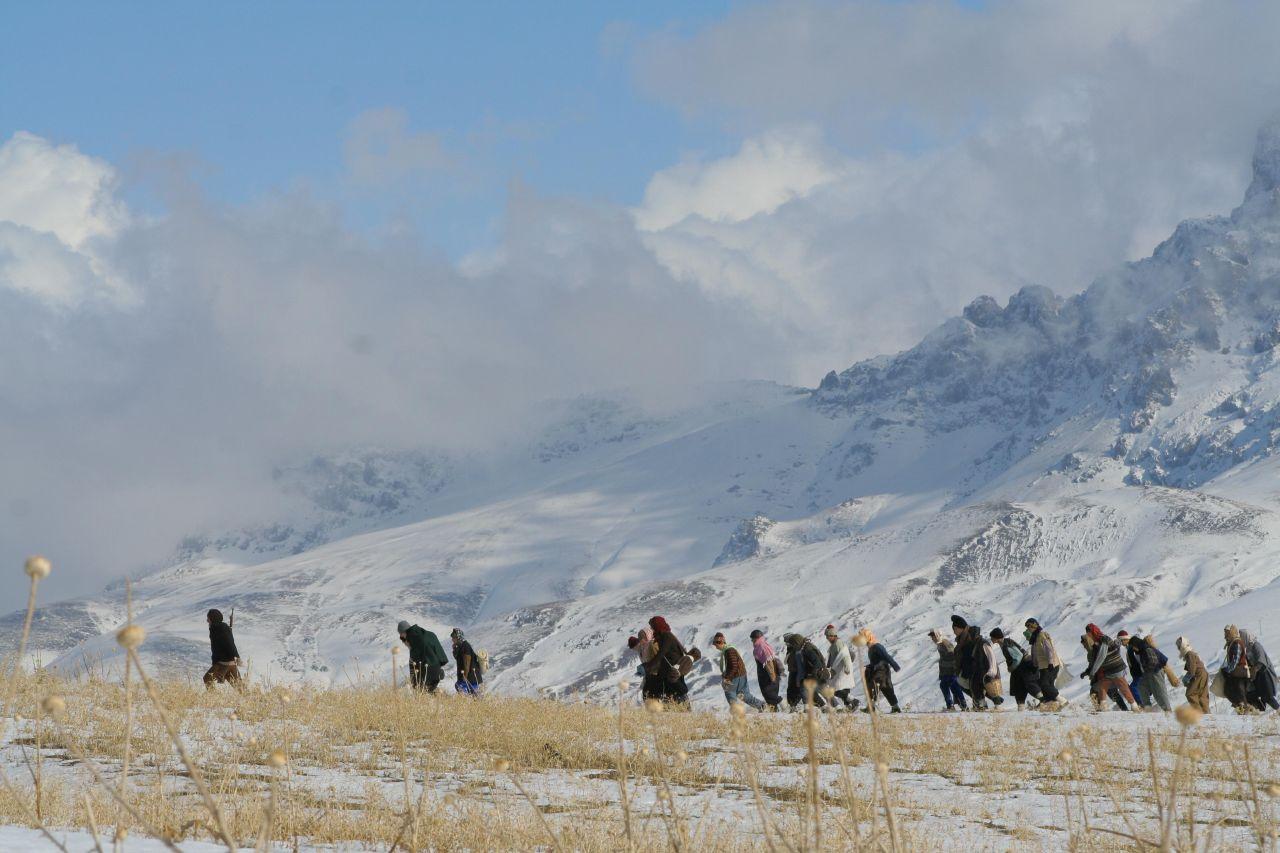
120 (IMDb)
The film is inspired by a historical event from 1915 during the First World War. The story of the children transporting ammunition from Van is based on archival documents and oral histories. Rather than focusing on individual heroism, the film emphasizes the collective contributions of civilians during wartime. While the socio-political context of the era is not directly addressed, it is subtly present in the background.
“120” presents a dramatic narrative centered on the responsibilities assumed by children under wartime conditions. Key themes include:
The film explores these themes through a minimalist cinematic style. Visual elements such as natural conditions—particularly snow-covered mountain paths and a frozen atmosphere—enhance the film’s dramatic intensity.
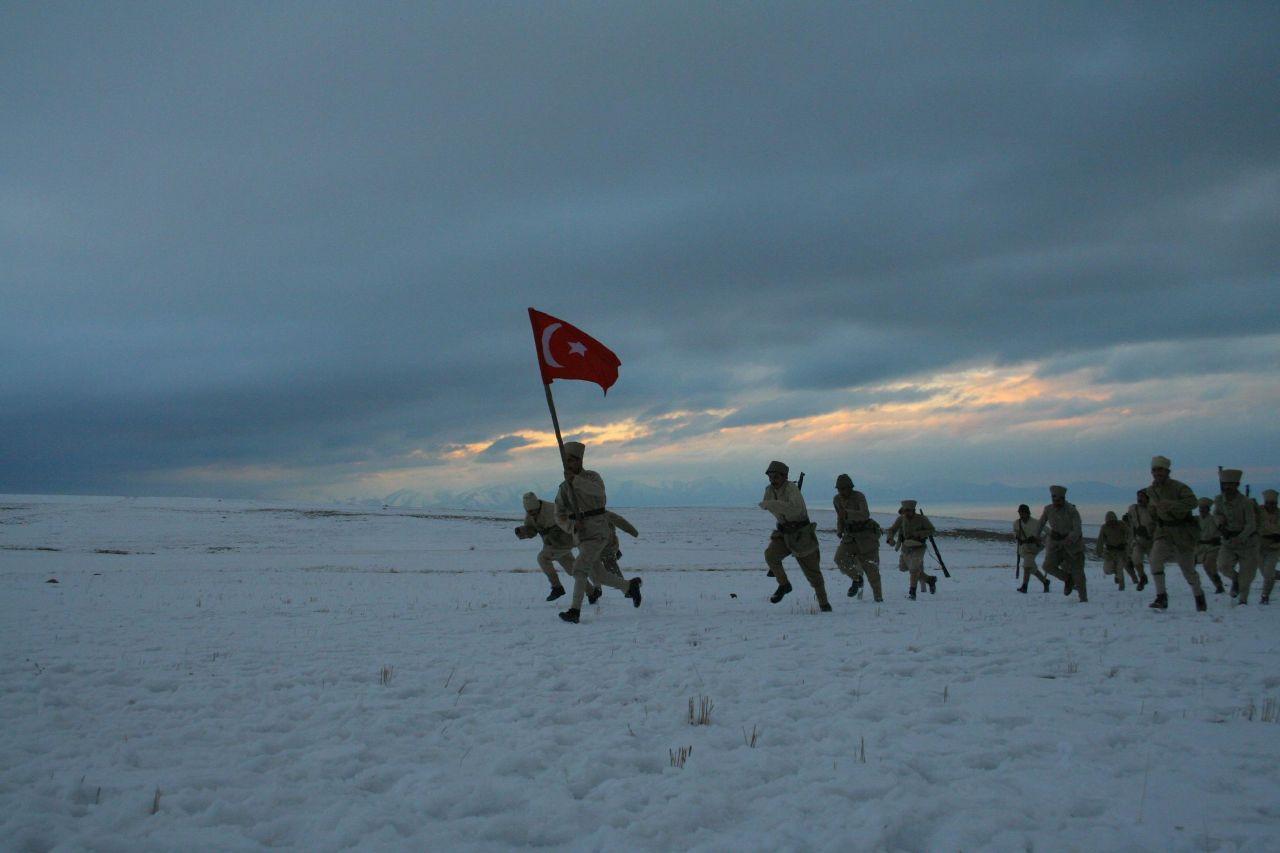
120 (IMDb)
“120” has received positive responses from various audience groups in Türkiye and abroad. Particularly due to its efforts in fostering historical awareness and its basis in a real event, the film has been screened in educational institutions. Critics have praised its emotionally charged narrative, though some have noted that character depth is limited and the storytelling occasionally veers into a didactic tone.
“120” stands out as an important example in Turkish cinema among dramatic works inspired by historical events. It plays a significant role in bringing to light the activities on the home front during the Ottoman Empire’s war years and the role children played in this period. By intertwining fiction with historical reality, the film occupies a unique position as both a dramatic and documentary work.
Beyazperde. "120." Accessed April 8, 2025.https://www.beyazperde.com/filmler/film-135617/.
Biyografiler.com. "120 (2008)." Biyografiler.com. Accessed April 8, 2025.https://www.biyografiler.com/film/120-2008.
Garip, Soner, and Bilal Ferhat Karadağ. "Çocuklara Kök Değerlerin Kazandırılmasında İzleme Metinlerinin Yeri: 120 Filmi Örneği." Paper presentation, *9. Uluslararası Çocuk ve Gençlik Edebiyatı Sempozyumu*, Erzurum, December 2022. Accessed April 8, 2025.https://www.researchgate.net/publication/366182905_COCUKLARA_KOK_DEGERLERIN_KAZANDIRILMASINDA_IZLEME_METINLERININ_YERI_120_FILMI_ORNEGI
Haber7. "120 Kahraman Türk Çocuğunun Öyküsü." Accessed April 8, 2025.https://www.haber7.com/kultur/haber/299898-120-kahraman-turk-cocugunun-oykusu.
Hürriyet. "120 Kahraman Çocuğun Öyküsü." Hürriyet, November 26, 2007. Accessed April 8, 2025.
IMDb. *120* (2008). Accessed April 8, 2025.https://www.imdb.com/title/tt1166085/.
Sabah. "120 Filmi Konusu Nedir, Oyuncuları Kimler?" Sabah, January 2, 2024. Accessed April 8, 2025.https://www.sabah.com.tr/yasam/120-filmi-konusu-nedir-oyunculari-kimler-120-filmi-bu-aksam-tvde-6288063.
Sinemalar.com. "120." Accessed April 8, 2025.https://www.sinemalar.com/film/6848/120.
T.C. Ministry of National Education Marmaris District National Education Directorate. "‘Öğrenciler Sinema ile Buluşuyor’ Etkinliği 120 Filmi ile Nihayete Erdirildi." MEB Marmaris. Accessed April 8, 2025.https://marmaris.meb.gov.tr/www/quotogrenciler-sinema-ile-bulusuyorquot-etkinligi-120-filmi-ile-nihayete-erdirildi/icerik/1785.
TRT Haber. "Donarak Şehit Olan Vanlı 120 Kahraman Çocuk Anıldı." TRT Haber, January 30, 2022. Accessed April 8, 2025.https://www.trthaber.com/haber/turkiye/donarak-sehit-olan-vanli-120-kahraman-cocuk-anildi-549747.html
Şahin, Murat, and E. Gizem Uğurlu. "Türk Sinemasında Popüler Tarihi Filmlerde Millî Kimliğin Yeniden İnşası." *Karadeniz Teknik Üniversitesi İletişim Araştırmaları Dergisi* 12, no. 1 (2022): 64–95.https://dergipark.org.tr/tr/pub/e-kiad/issue/71618/1094316

120 Film Poster
Director | Özhan Eren Murat Saraçoğlu | ||||||||
|---|---|---|---|---|---|---|---|---|---|
Screenplay | Özhan Eren | ||||||||
Music | Özhan Eren | ||||||||
Genre | History War Drama | ||||||||
Production Year | 2008 | ||||||||
Language | Turkish | ||||||||
Actor | Cansel Elçin Özge Özberk Burak Sergen Emin Olcay Demir Karahan | ||||||||
Plot
Production Process
Cast
Historical Background
Thematic Structure and Narrative Features
Criticism and Reception