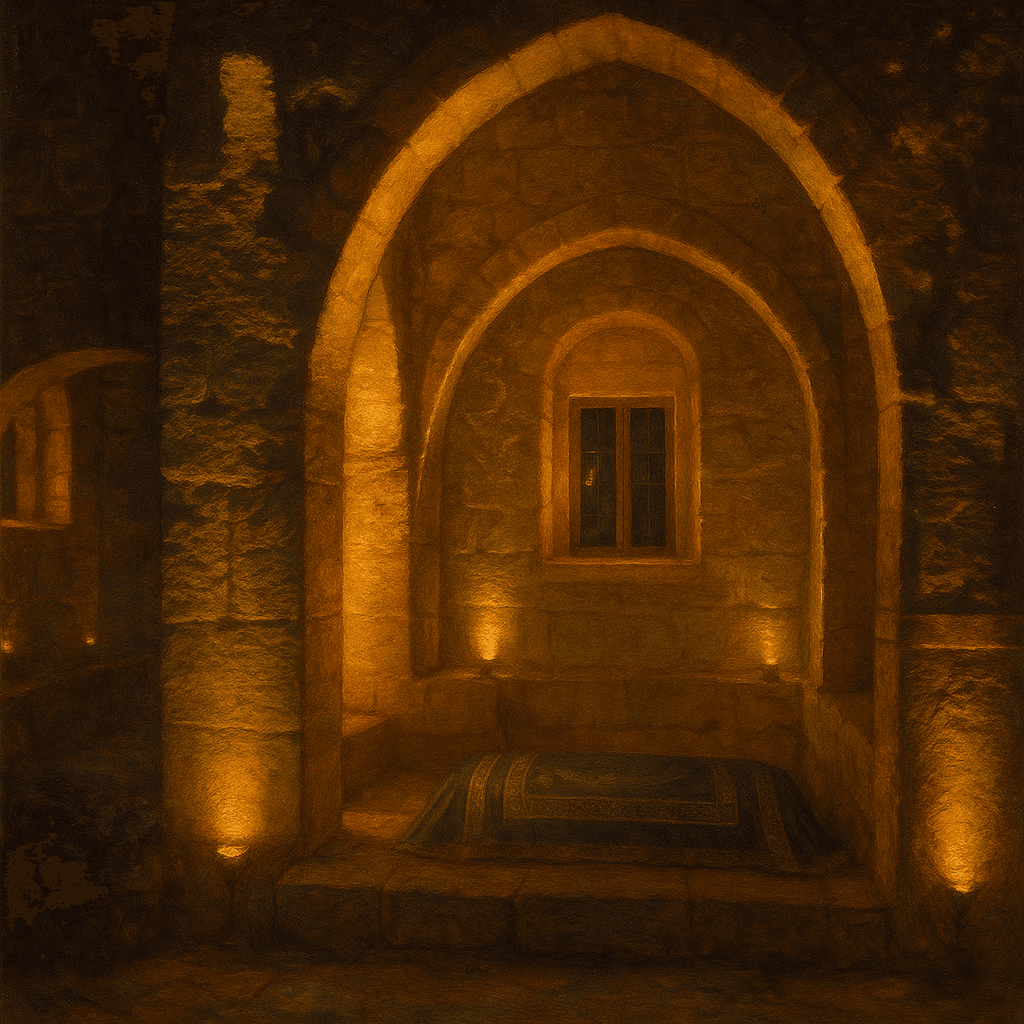


The Shrine of Prophet Daniel
Who is Prophet Daniel?
Prophet Daniel was a prophet who lived in ancient times during the period of the Babylonian Kingdom. According to tradition, the King of Babylon had a dream in which it was foretold that a male child born from the Children of Israel would shake his throne. In response, the king ordered the killing of all newborn male children. To protect him from this danger, Prophet Daniel was left in a cave, where he was raised under the protection of two lions, one male and one female.
Many years later, he returned to his people and became renowned for his wisdom and prophecies. During a time of famine, he was invited to Tarsus, and his arrival brought abundance; the people refused to let him leave. After his death, he was buried at the site of the present-day Makam-ı Danyal Camii in Tarsus.
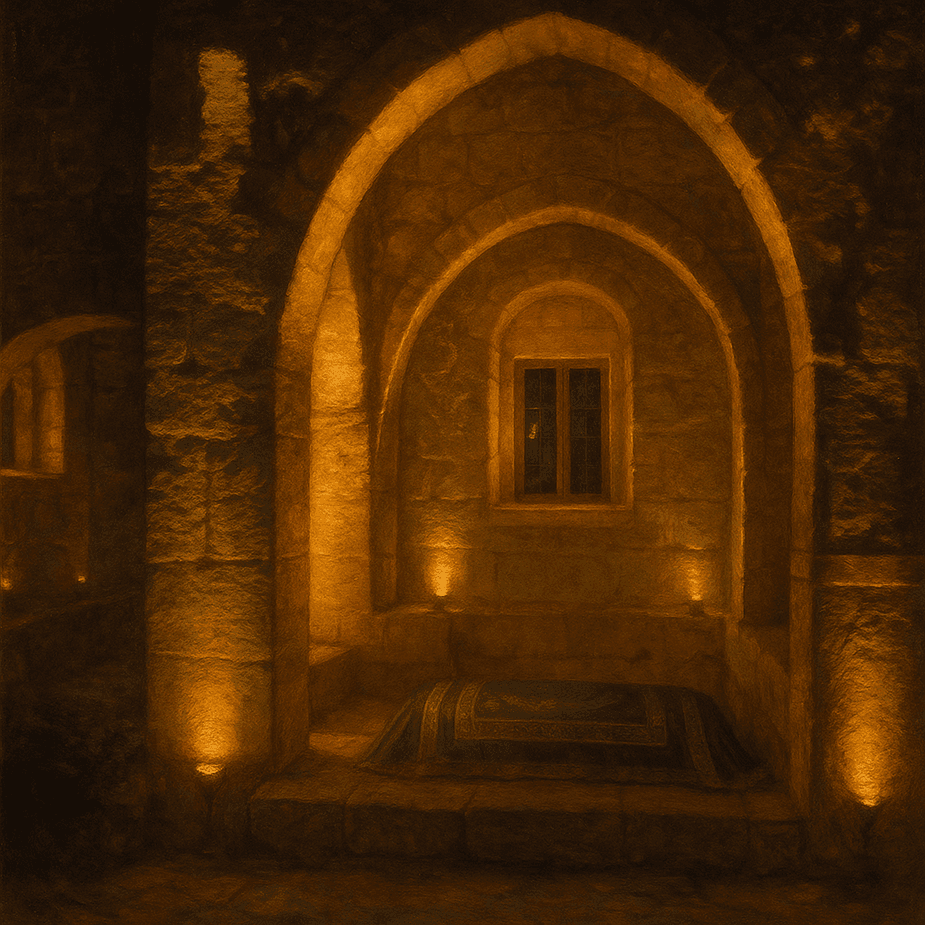
(Generated by Artificial Intelligence)
The Story of the Preservation of the Tomb
During the time of Caliph Umar, Tarsus was conquered and the tomb of Prophet Daniel was discovered. Inside the tomb was a tall corpse wrapped in fabric woven with gold thread, and on his finger was a ring depicting a child between two lions. This ring was regarded as a symbol of his childhood deliverance. To prevent the tomb from being looted, a stream of water was directed over it as a safeguard.
Makam-ı Danyal Camii
In 1857, the Makam-ı Danyal Camii was constructed over the symbolic tomb of Prophet Daniel. In the 1960s, an additional prayer space was added to the mosque. During excavations carried out between 2006 and 2007, a bridge from the Roman period, a tomb structure dating back to the 7th century, and arched graves were uncovered. On the eastern facade of the tomb, a seven-pointed star relief is visible.
The tomb of Prophet Daniel is revered by Jews, Christians, and Muslims alike. Today, it is open to visitors.
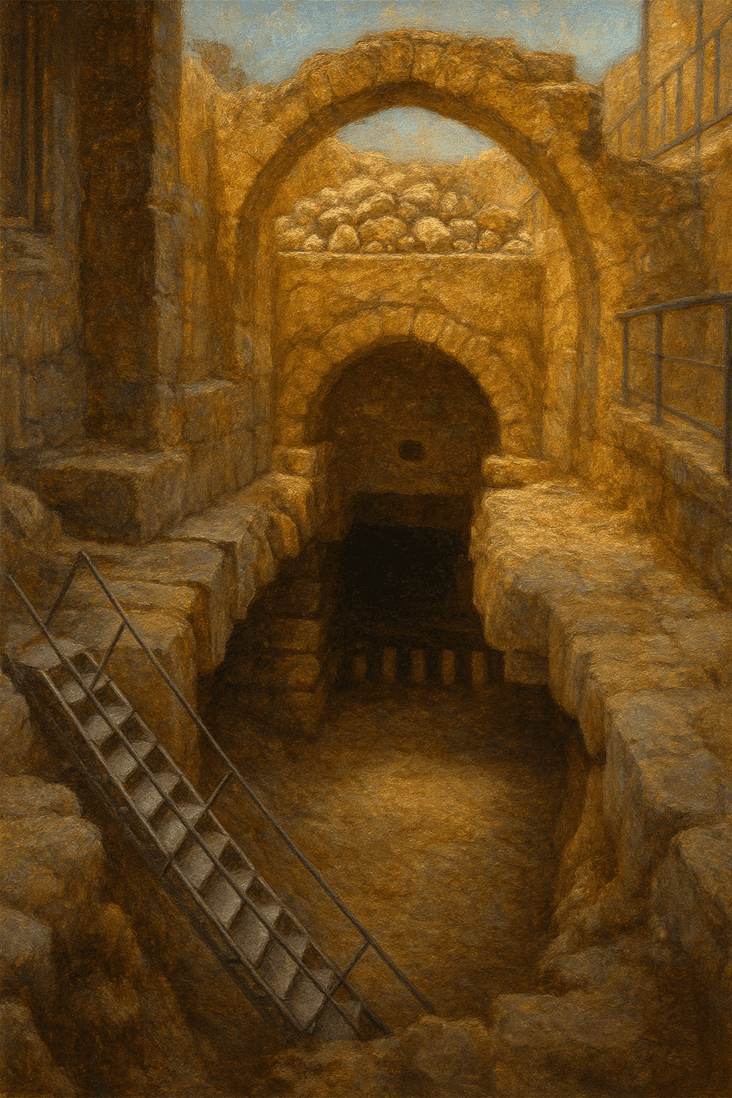
(Generated by Artificial Intelligence)