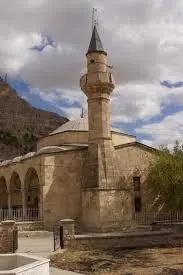




Malatya Köprülü Mehmet Paşa Camii
The Köprülü Mehmet Paşa Mosque is a structure commissioned by Köprülü Mehmet Paşa, a prominent statesman of the Ottoman Empire. This mosque is typically part of a külliye—a complex containing a mosque along with other buildings such as a medrese and a library. These mosques, embodying the characteristics of Ottoman architecture, served not only as places of worship but also contributed to the educational and social life of their time through the surrounding structures. The term “mosque” refers to a large building where Muslims gather for communal prayer.
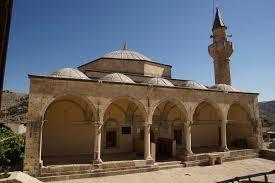
Köprülü Mehmet Paşa Camii (Culture Portal)
Time travel
The construction of these mosques generally dates to the 17th century, approximately 350 years ago. For example, the Köprülü Külliye Mosque in Istanbul was built in 1662. These mosques were erected during the years when Grand Vizier Köprülü Mehmet Paşa held office in state administration. The Grand Vizier was the most powerful official after the Ottoman sultan.
Who commissioned the building?
The Köprülü Mehmet Paşa Mosque was commissioned by Köprülü Mehmet Paşa, one of the most significant grand viziers of the 17th century (the highest-ranking minister in the Ottoman Empire). He was a leader known for restoring order in state affairs. The patron of a building is the person who funded and initiated its construction.
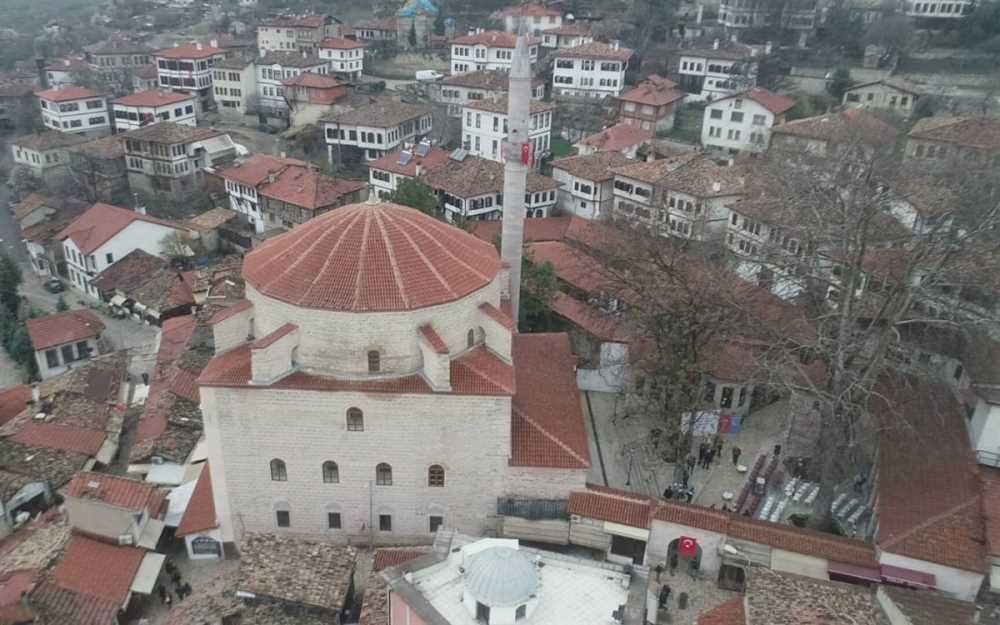
Köprülü Mehmet Paşa Camii (Culture Portal)
Architecture and features
The architecture of the Köprülü Mehmet Paşa Mosques exhibits minor variations depending on location but generally reflects the characteristics of the Ottoman Classical Period.
Most mosques feature a square-plan main prayer hall covered by a large dome (a hemispherical ceiling). Around the dome, smaller half-domes or arched sections may be present. The Köprülü Mosque in Istanbul was originally constructed as part of the medrese’s classroom, with an octagonal plan and a single dome.
These mosques are typically built of cut stone. In the courtyard entered through the main gate, additional structures such as a şadırvan (a fountain-equipped pool used for ablutions) or a muvakkithane (a building housing instruments like sundials for timekeeping) may also be found.
What does the interior look like?
Inside the mosque, the area where prayer is performed is called the harim. Along the qibla wall—the wall facing Mecca—stands the mihrab (a niche where the imam stands to lead prayer). Mihrabs are often decorated with carved or painted ornamentation.
In one corner of the interior, there is a minber, a raised pulpit with stairs used for delivering sermons. Notable interior features include kalem işleri (delicate, colorful decorative paintings on walls and ceilings) and fine woodwork.