

Kırşehir Kepez Underground City
Kepez Underground City is located in the village of Kepez, within the Mucur district of Kırşehir. This city is one of the special shelters constructed thousands of years ago by people seeking safety. These underground cities reveal how people lived in the past and the challenges they faced.
Time Travel
The history of Kepez Underground City dates back to ancient times, approximately 1700 years ago—long before your great-great-grandparents were born. During the 3rd and 4th centuries AD, Christians living in this region faced pressure from Roman authorities due to their faith.
Why Did They Go Underground?
At that time, Christianity was beginning to spread. Some Roman officials viewed this new religion with hostility. To protect themselves from persecution and danger, people carved shelters into soft rock beneath the surface. Just as in a game where you hide from enemies, these underground cities kept them safe.
Kepez Underground City (Culture Portal)
What Does It Look Like?
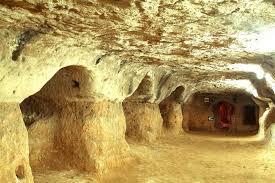
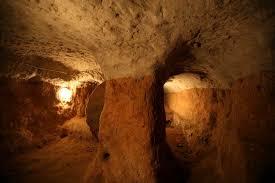
Kepez Underground City was carved into a type of soft rock called tuff, formed from hardened volcanic ash and mud. The city extends over a length of 1050 meters—roughly equivalent to ten football fields placed end to end.
Rooms and Tunnels:
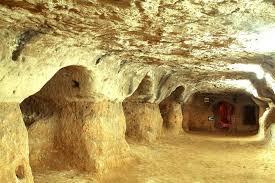
The underground city features rectangular rooms arranged in groups of three. These rooms are connected by narrow tunnels and galleries, much like a labyrinth. The city was excavated as a single level, making it easier to explore than some other underground cities.
Kepez Underground City (Culture Portal)
Features of the Underground City
To enable people to live comfortably in this dark subterranean environment, several special features were designed:
Air and Water:
Clean air and water were essential in underground cities. To ensure ventilation and a supply of fresh air, shafts were dug to the surface. Water needs were met through wells and storage chambers.
Safety Doors:
To protect the city from external threats, large circular rolling stones were placed at the entrances of tunnels. These stones could be moved from inside to completely seal off the entrances. Like locked doors in a house, these stones kept the city secure.