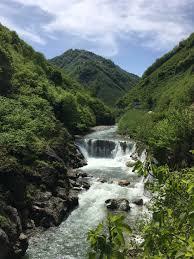


Espiye Seven Mills Cave
Caves are natural underground cavities formed over millions of years. The Espiye Yedi Değirmenli Mağarası is an underground formation located within the Yedideğirmenler Nature Park in Giresun. This cave illustrates how geological features develop and supports the operation of local mills through its internal water source.
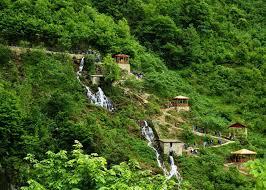
Espiye Yedi Değirmenli Mağarası (Culture Portal)
Where Is It Located?
The Yedi Değirmenli Mağarası lies within the boundaries of the villages of Yeniköy, Akkaya, and Avluca in the Espiye district of Giresun province, in the Black Sea Region. The area where the cave is situated was designated as a Nature Park in 2013 due to its natural resource value. This designation means the natural structure of the area is protected.
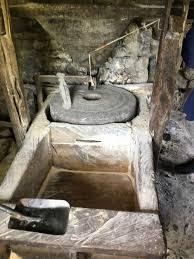
Espiye Yedi Değirmenli Mağarası (Culture Portal)
Internal Structure of the Cave
The cave is approximately 207 metres long, with ceiling heights ranging from half a metre to ten metres in different sections. Inside the cave, stalactites and stalagmites—formations created by dripping water—are observable.
Stalactites form as minerals carried by water dripping from the cave ceiling gradually accumulate. Stalagmites form from minerals deposited by droplets falling onto the cave floor. Each centimetre of these formations takes between 50 and 80 years to develop.
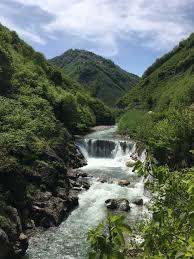
Espiye Yedi Değirmenli Mağarası (Culture Portal)
Origin of the Name: Seven Mills
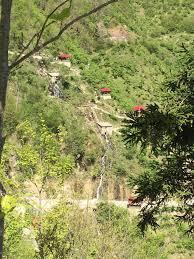
The water emerging from the cave forms a stream known as the Patlak Su Deresi. As this stream flows through the nature park, it creates waterfalls. Seven historic water mills, powered by this water, are located along its course. These mills were traditionally used by the local population for grinding grain. The term “Yedi Değirmenli” in the cave’s name refers to the presence of these mills.
Espiye Yedi Değirmenli Mağarası (Culture Portal)
Access Conditions to the Cave
The entrance to the cave is narrow and its interior functions as a water channel, meaning water flows through it. Therefore, entering the cave requires special safety precautions and equipment. Visits are generally possible only after the end of summer, following the drop in water levels in August, and must be conducted by experienced specialists.