

Dara Ancient City
The Mysterious Stone City
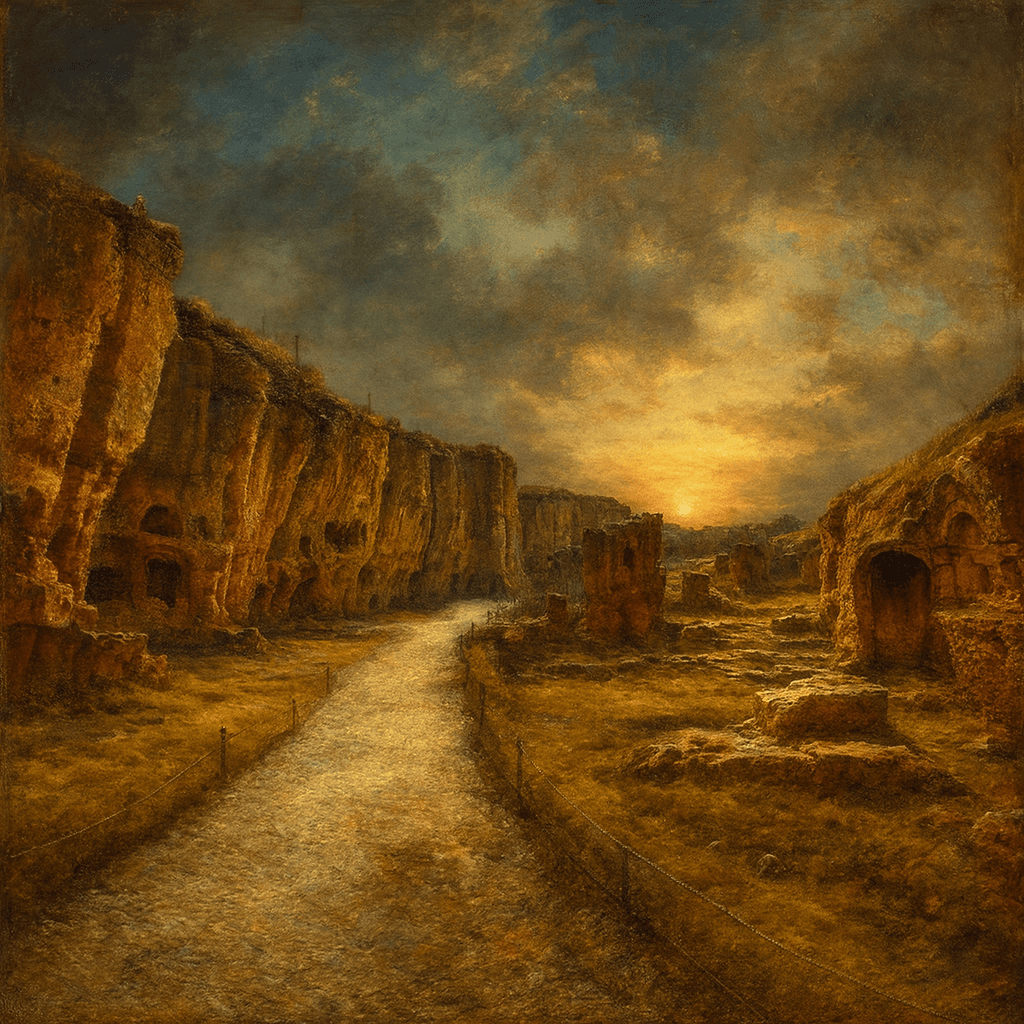
The Ancient City of Dara is located in Oğuz Village, 30 kilometers southeast of Mardin. This was a vast city carved into the rock, inhabited for hundreds of years by both soldiers and civilians. Dara was founded in 505 by the Eastern Roman Emperor Anastasius as a fortified city on the frontier to defend against the Sasanians. Today its thick walls, massive cisterns, and rock-cut tombs still stand as a gateway to the past.
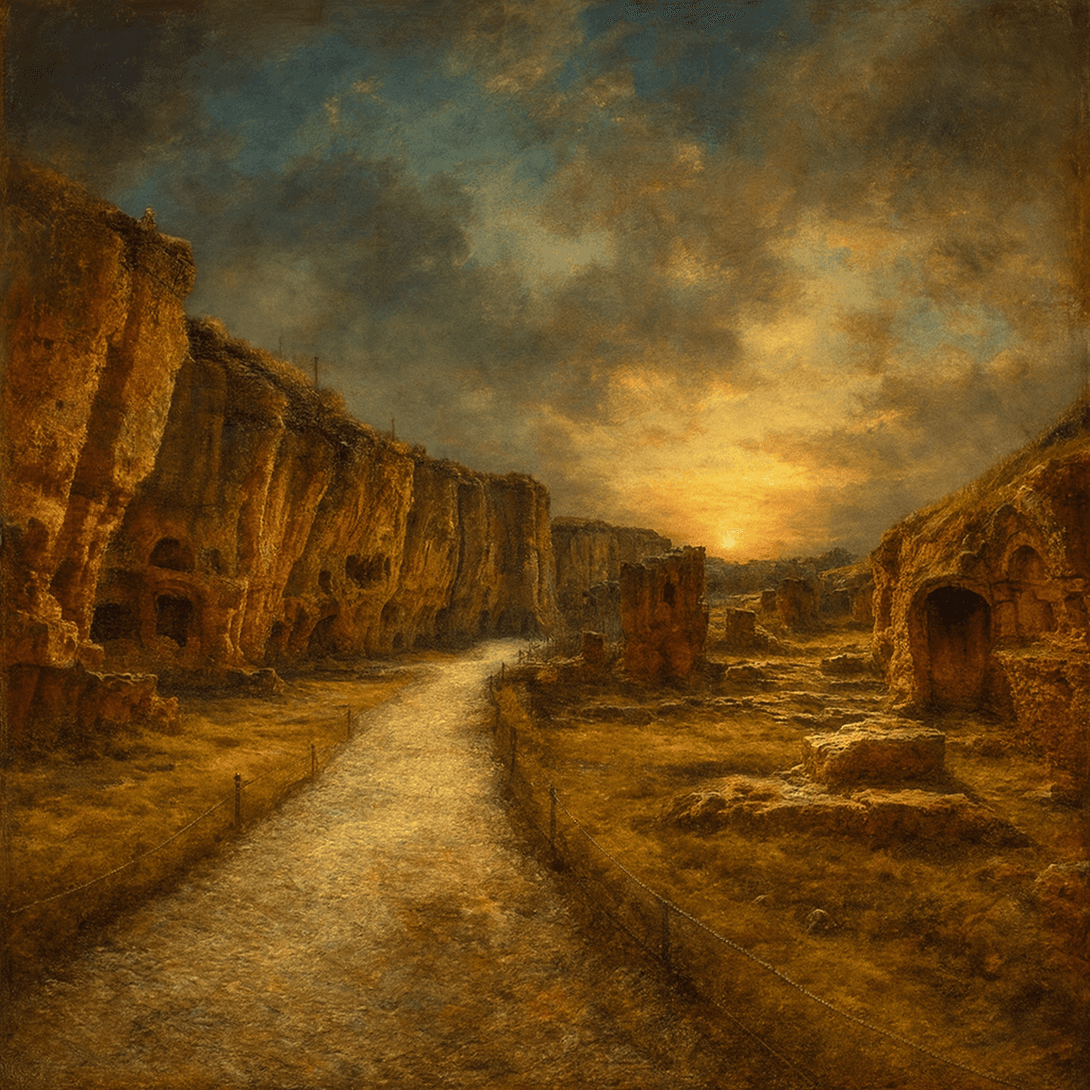
(Generated by Artificial Intelligence)
Where and Why Is It Important?
Dara was one of the most significant settlements in Upper Mesopotamia. Due to its strategic location, it held great military and commercial importance. A stream flowing through the city provided water for its inhabitants. Moreover, situated along the Silk Road, it served as a meeting point for diverse cultures.
The Structure of the City
The city was enclosed by walls stretching four kilometers in length. Within its boundaries stood churches, palaces, markets, dungeons, and water dams. Beneath the surface were enormous cisterns used to store water and protect the population during sieges. To the west of the city lie rock-cut tombs, carved directly into the bedrock, which still retain their impressive appearance today.
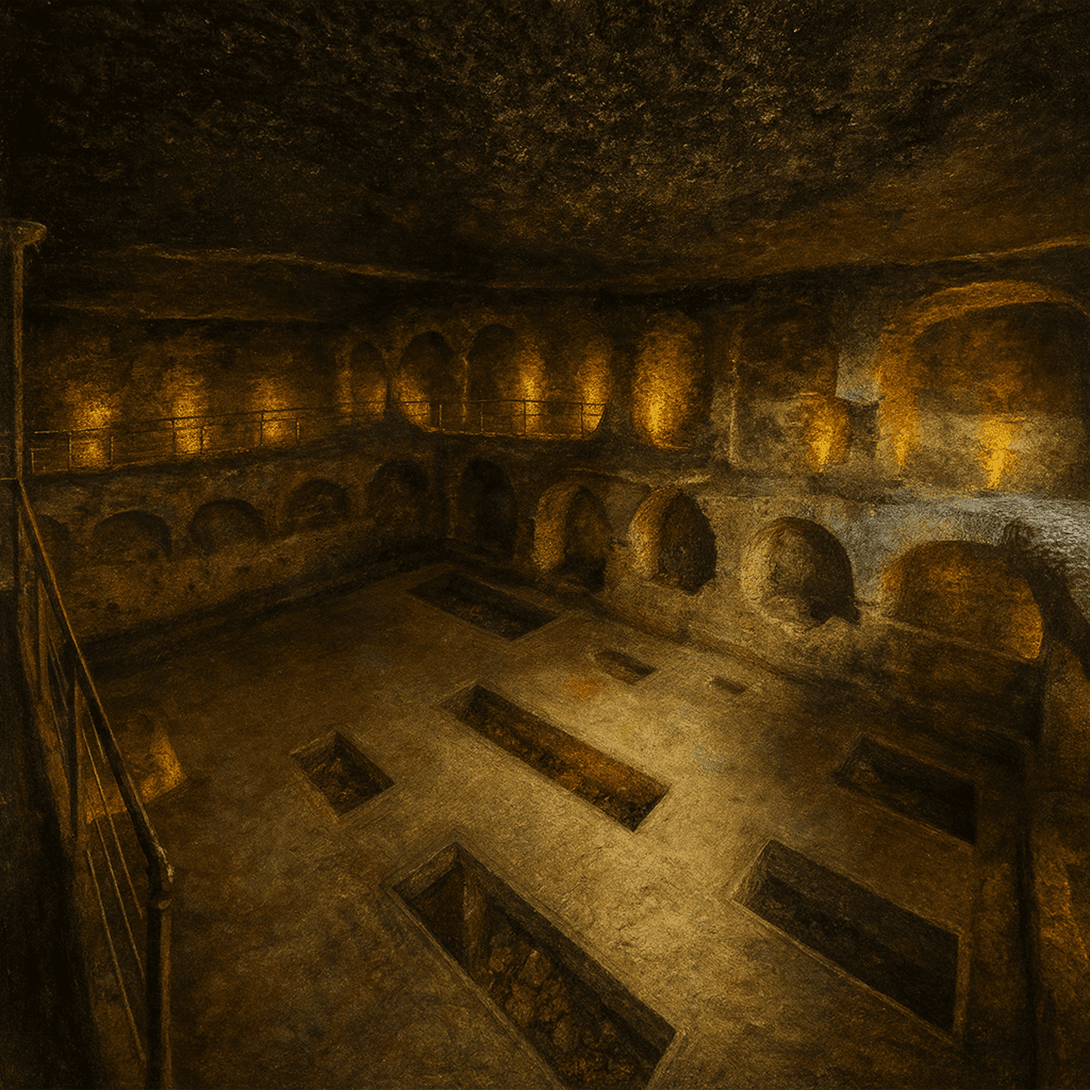
(Generated by Artificial Intelligence)
Origin of the Name Dara
According to some ancient historians, the name Dara derives from the Persian King Darius III. It is believed that one of the famous battles between Alexander the Great and Darius took place in this region. Although this claim has not been definitively proven, it is plausible that the city’s name was inspired by Darius.
Dara Through the Centuries
After its foundation, Dara became the site of numerous conflicts between Byzantine and Sasanian armies. In 640 it fell to the Arabs, then back to the Byzantines in the 10th century, and finally to the Artuqids in the 12th century. As its strategic importance declined over time, the city gradually shrank into a small village by the 14th century. Today, the modern village settlement continues to exist atop the ruins of the ancient city.
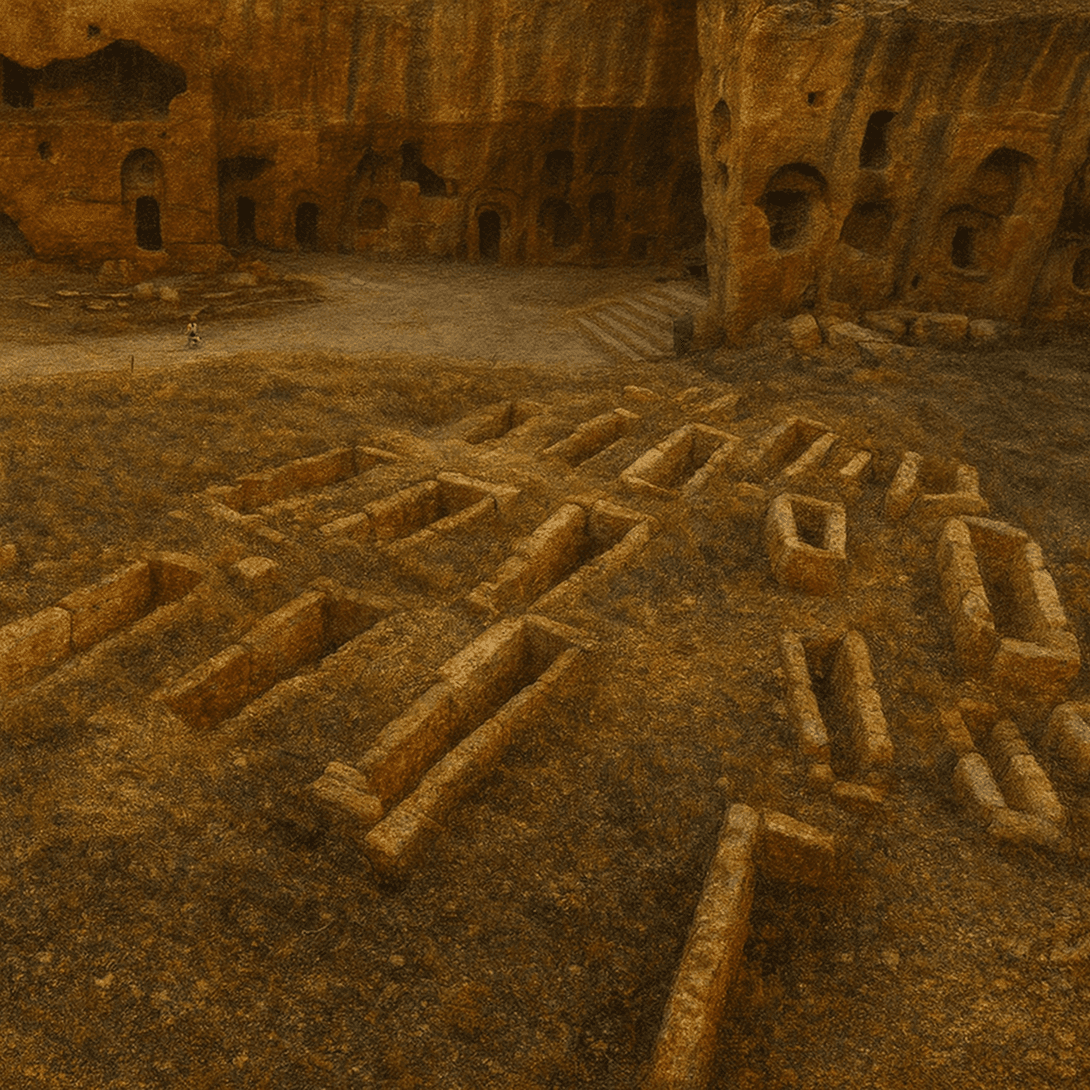
(Generated by Artificial Intelligence)