

`zajal` ile İlgili Madde Sonuçları
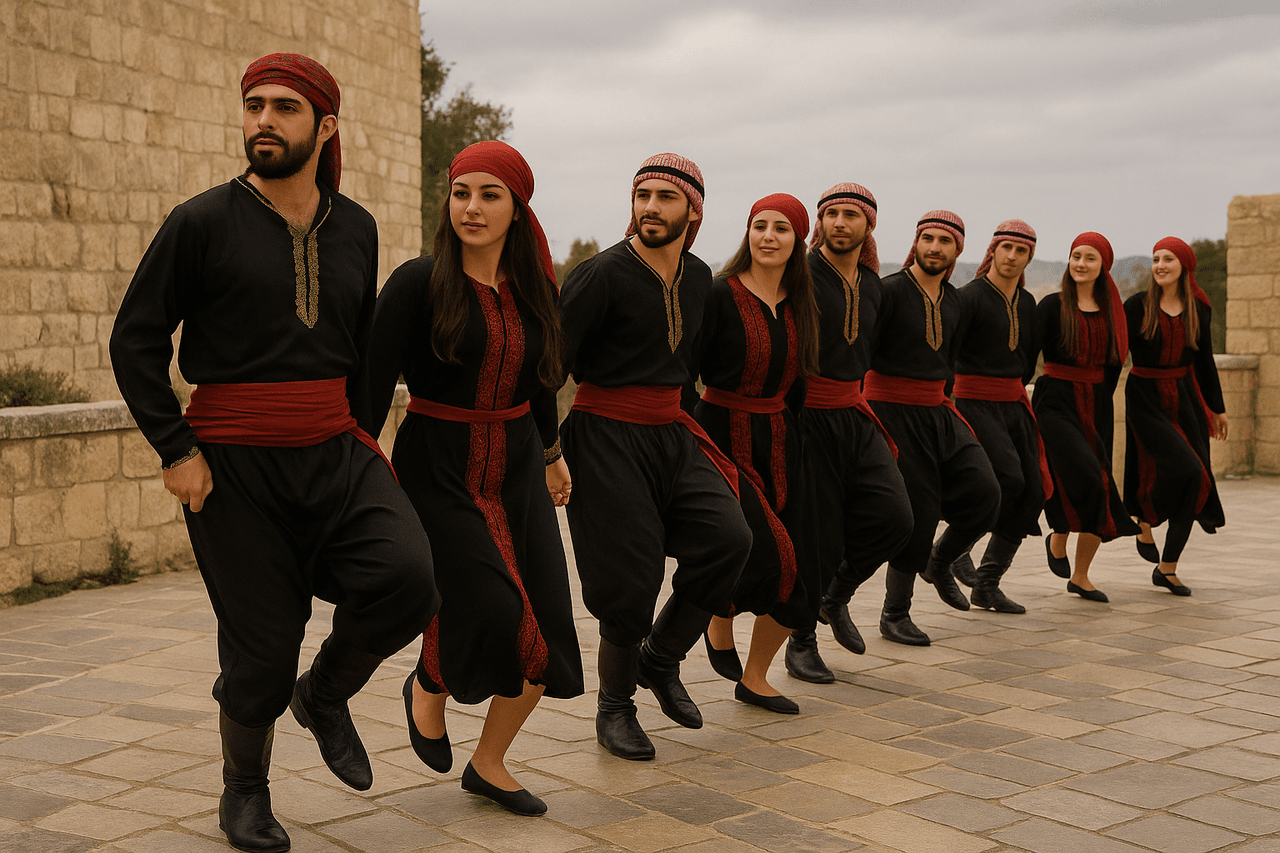
Dabke
Dabke, Levant bölgesinde (Filistin, Lübnan, Suriye, Ürdün ve çevresi) yaygın olarak icra edilen, topluluk temelli bir halk dansıdır. Tarihsel süreç içinde hem eğlence hem de dayanışma unsurlarını birleştiren bu dans, 2023 yılında UNESCO Somut Olmayan Kültürel Miras Listesi’ne dahil edilmiştir. Hem erkekler hem de kadınlar tarafından icra edilen Dabke, düz bir hat veya yarım daire biçiminde dizilen dansçıların el ele tutuşarak senkronize biçimde adım atmasıyla gerçekleştirilir. Dabke Dansı (AA) "
TR
Sümeyye Akkanat Terzioğlu
Dabke
Dabke is a community-based folk dance widely performed in the Levant region (Palestine, Lebanon, Syria, Jordan, and surrounding areas). Historically combining elements of entertainment and solidarity, this dance was inscribed in 2023 on UNESCO’s Intangible Cultural Heritage List. Dabke is performed by both men and women, with dancers forming a straight line or semicircle, holding hands and stepping in synchronized motion. Historical Origins The origins of Dabke are rooted in the rural life of th
ENSümeyye Akkanat Terzioğlu