

`worldcusine` ile İlgili Madde Sonuçları
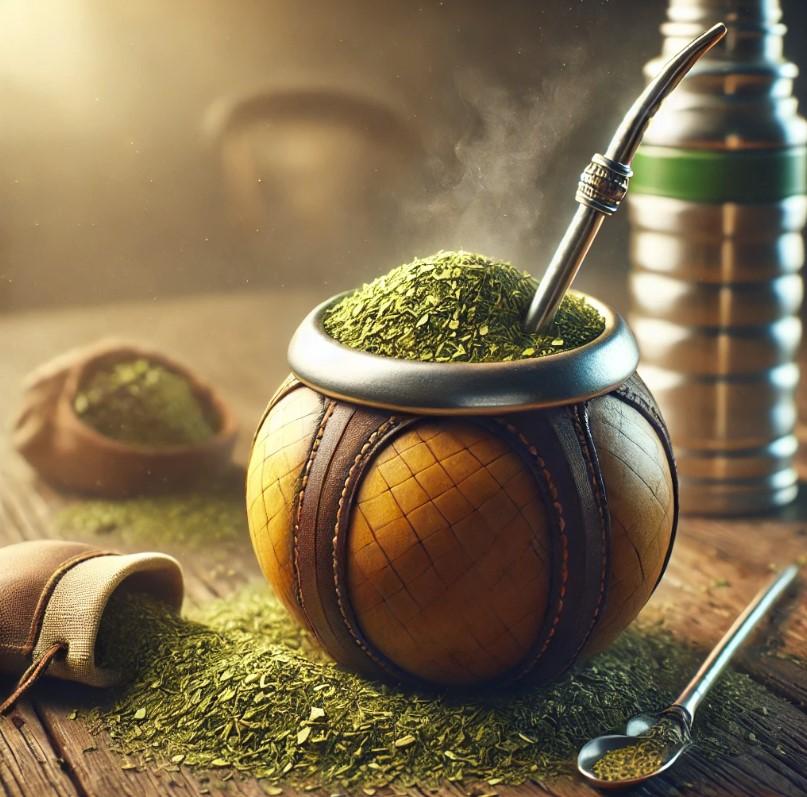
Mate Tea
Mate tea (Chá Mate) is a traditional beverage widely consumed across several regions of South America, particularly in Brazil, Argentina, Uruguay, and Paraguay. Within Brazilian culinary culture, Mate occupies a central role in both daily life and social interactions. This beverage is prepared from the leaves of the Ilex paraguariensis plant and was historically consumed by Indigenous communities. Over time, it was adopted by colonial societies and immigrant populations. Mate tea is consumed thr
EN
Ahsen Karakaş
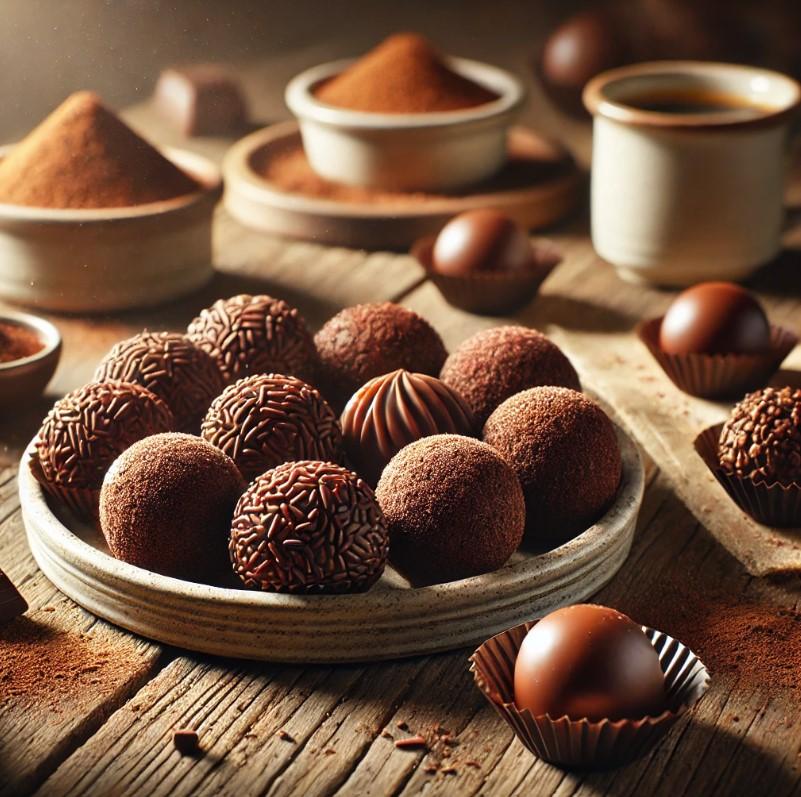
Brigadeiro
Emerging in the mid-20th century, Brigadeiro is one of the desserts that has become widely consumed throughout Brazil today. Based on simple ingredients, this dessert has become a staple offering, particularly at children's birthday parties, weddings, and festive celebrations. Brigadeiro, which originated during the period of World War II and subsequently acquired broader social functions, is considered not merely a type of sweet, but also an expression of Brazilian cultural identity through gas
ENAhsen Karakaş
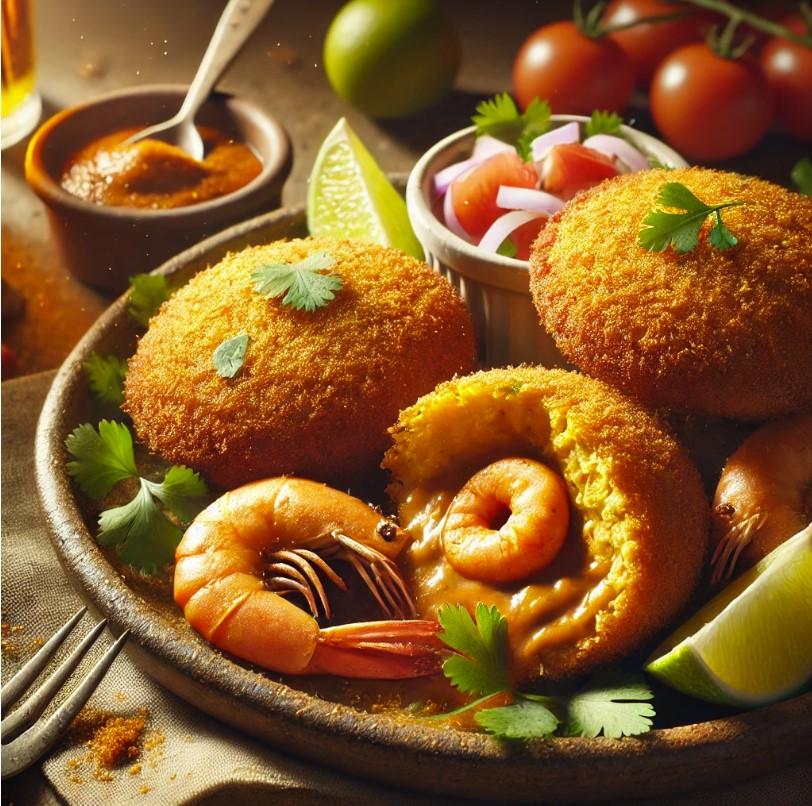
Acarajé
Brazilian cuisine, shaped by prolonged interactions among African, European, and Indigenous cultures, presents a multi-layered gastronomic system characterized by regional differences. Within this context, Acarajé stands out as a significant dish associated with the cultural and religious practices of Afro-Brazilian communities, particularly in the northeastern state of Bahia. More than just a street food or a daily dietary item, Acarajé has become an essential component of religious rituals and
ENAhsen Karakaş
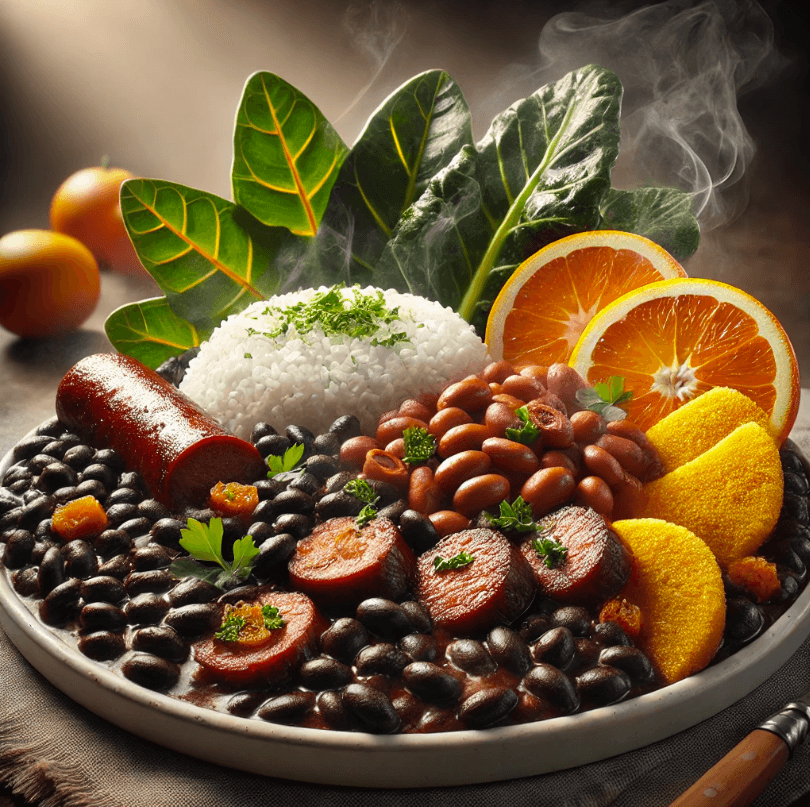
Feijoada
Brazilian cuisine is characterized by a multilayered and regionally diverse structure, shaped by the historical interaction of various cultural traditions. One of the most characteristic elements of this cuisine is Feijoada, a well-known dish in terms of both its historical origins and its sociocultural functions. Prepared by combining black beans and various meat products, Feijoada has evolved beyond merely fulfilling nutritional needs to become a ritual through which social interaction and cul
ENAhsen Karakaş
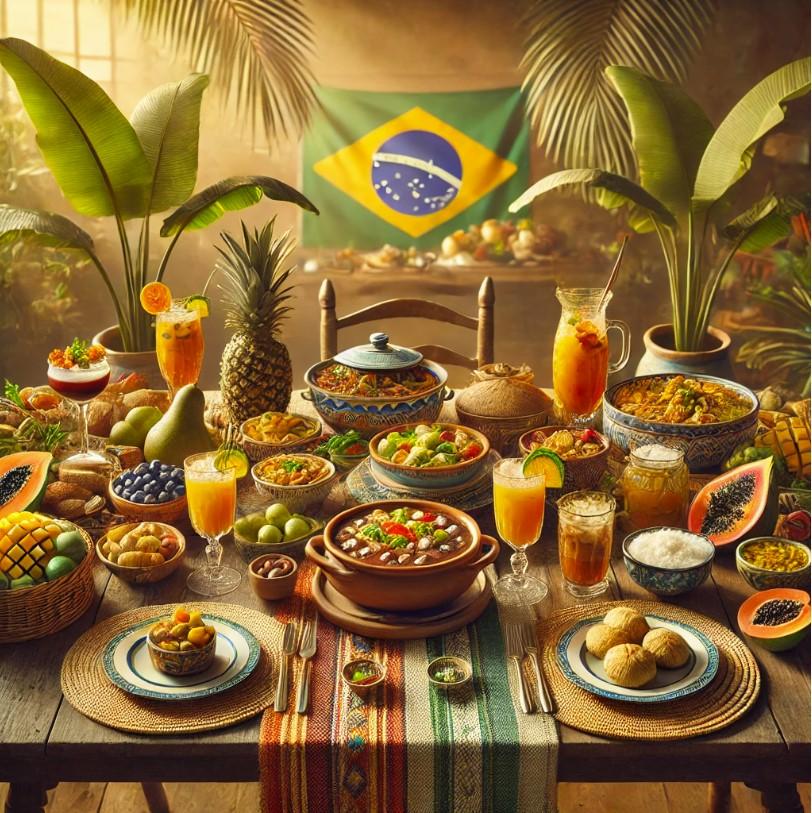
Brazilian Cuisine
Brazilian cuisine is a highly diverse and regionally distinct gastronomic system shaped by the country’s vast geographical expanse, varied climatic conditions, and multicultural social structure. Situated on the eastern side of South America and occupying nearly half of the continent, Brazil has developed a rich culinary culture rooted in its abundant natural resources and agricultural diversity. The ecological variety extending from the Amazon Basin to the pampas of the south has significantly
AZAhsen Karakaş
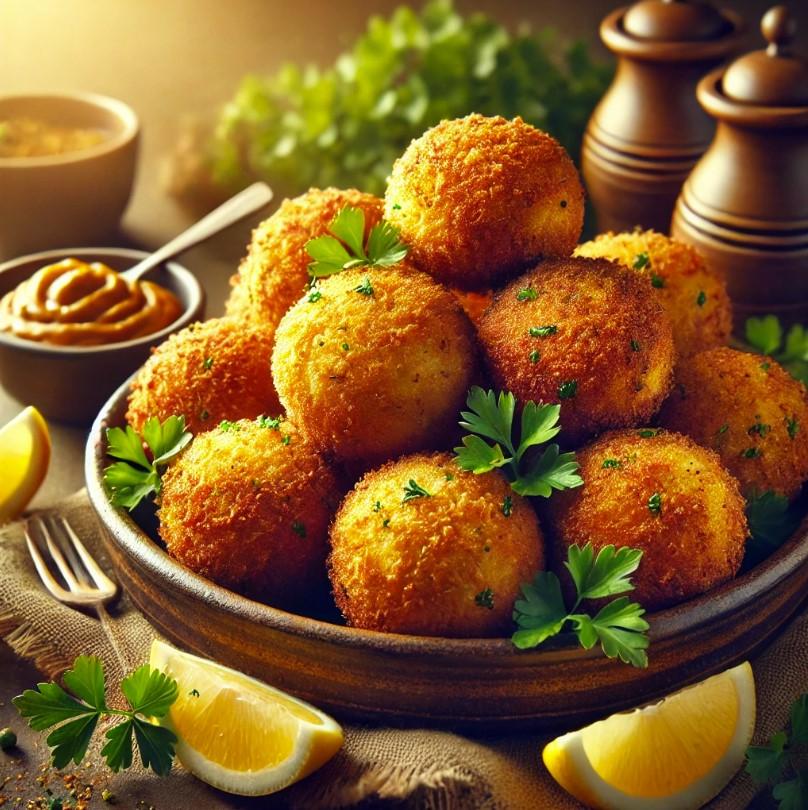
Bolinho de Bacalhau
Bolinho de Bacalhau represents one of the Atlantic-influenced components of Brazilian cuisine, symbolizing a fusion between Portuguese colonial heritage and Brazil’s own gastronomic identity. This deep-fried codfish fritter is particularly popular in coastal cities and traditional eateries. In Brazil, especially in the northeastern and southeastern states, it is widely consumed and functions as a culturally significant appetizer, commonly served at social gatherings and festivals. Historical and
ENAhsen Karakaş
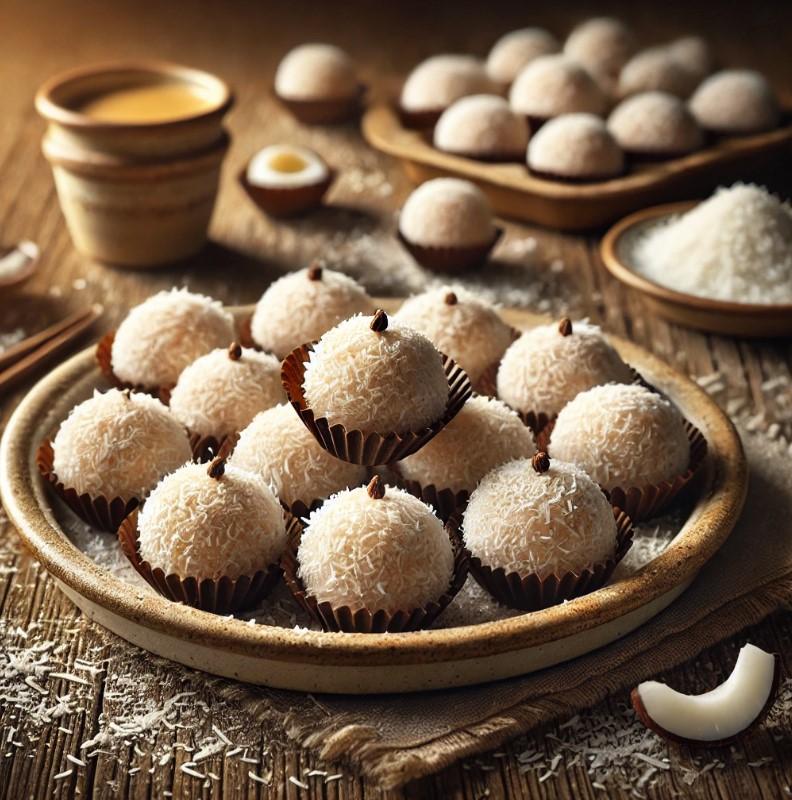
Beijinho
Beijinho is one of Brazil’s traditional sweets, commonly served during social events such as children’s birthday parties, weddings, and religious holidays. The name Beijinho, meaning “little kiss” in Portuguese, reflects both its visual appeal and its symbolic role as a token of affection in celebratory contexts. Owing to its simple and affordable ingredients, Beijinho has become widespread across Brazil, gaining popularity in both homemade preparations and industrial production. With its main c
ENAhsen Karakaş
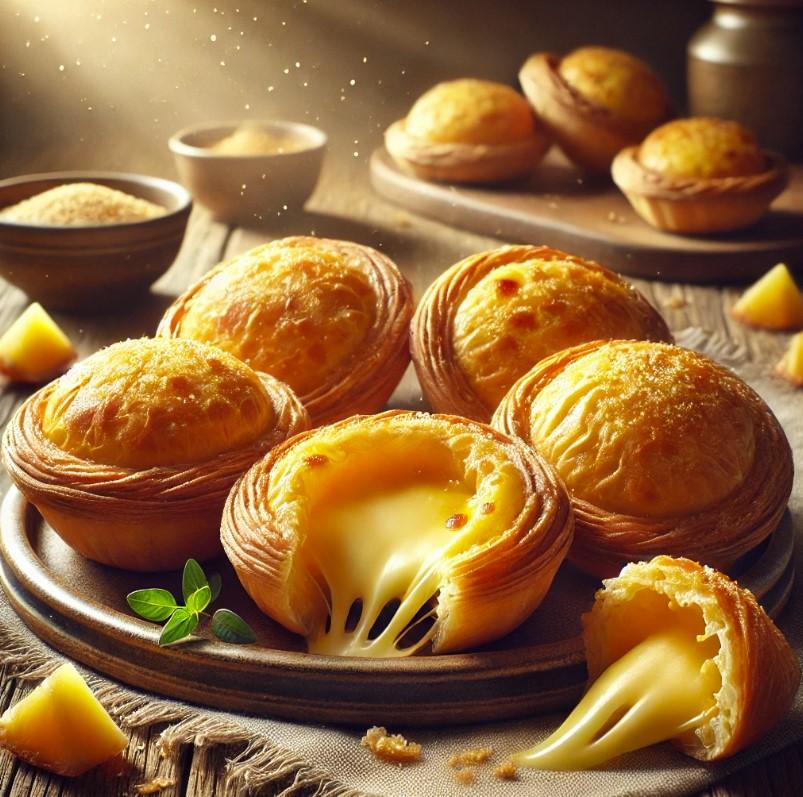
Pastel de Queijo
Brazilian cuisine is renowned for the richness and variety of its street food. Among these, Pastel de Queijo stands out as one of the most widespread and beloved snacks in the country. Essentially composed of fried dough filled with cheese, this dish is offered with various fillings across different regions of Brazil. However, the cheese-filled version remains prominent in both traditional and contemporary culinary contexts. Pastel de Queijo is commonly found in markets, street vendor stalls, an
ENAhsen Karakaş
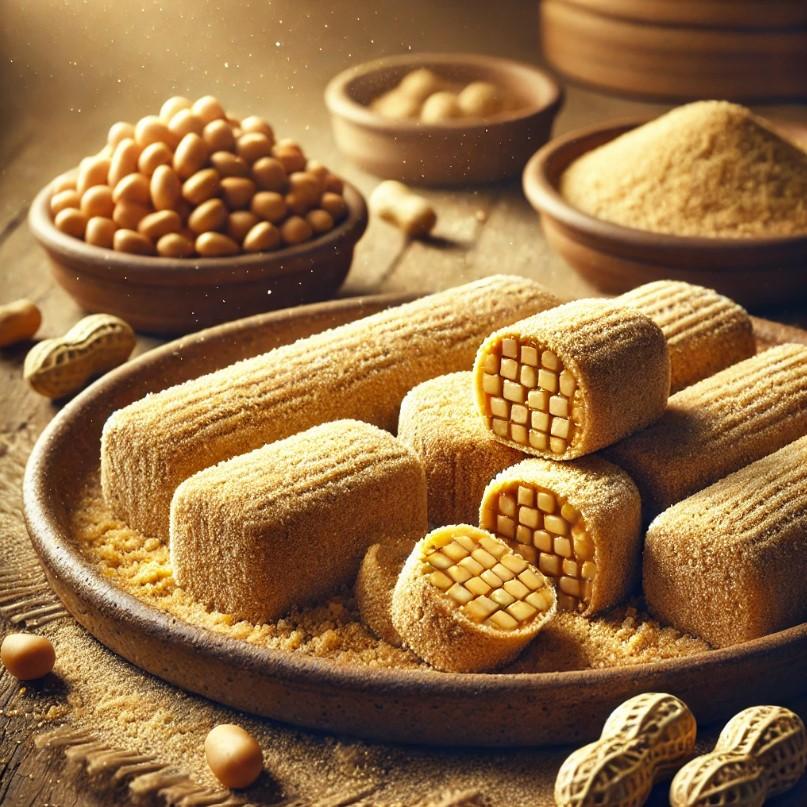
Paçoca
Brazilian cuisine is characterized by a rich gastronomic diversity shaped through the historical interplay of Indigenous communities, populations of African descent, and European immigrants. Paçoca, as one of Brazil’s traditional sweets, stands out both for its historical roots and its simplicity of ingredients. Especially popular in the country’s inland and northeastern regions, Paçoca is a frequent feature of both religious festivals and daily life. Made primarily from peanuts and sugar, this
ENAhsen Karakaş