

`ulu-cami` ile İlgili Madde Sonuçları
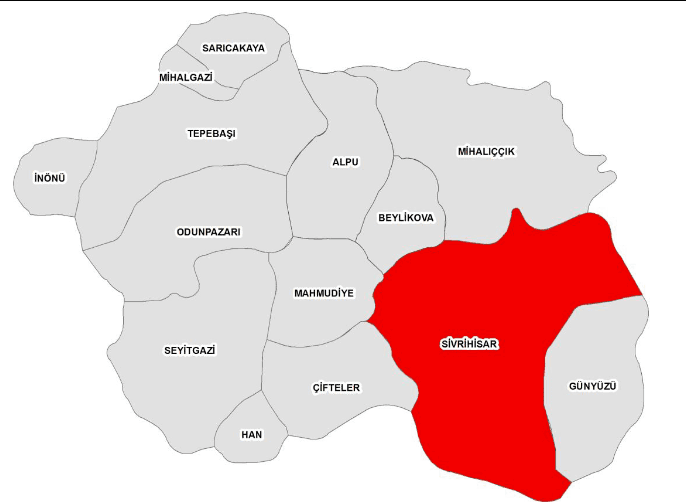
Sivrihisar (District)
Sivrihisar is a district of Eskişehir province in the Central Anatolia Region of Türkiye. With an area of 2,987 km², it is one of the districts with the largest surface area in Eskişehir. Archaeological findings confirm that the region has been inhabited since prehistoric times and has been under the rule of various civilizations throughout different historical periods. It acquired its current administrative status in the early years of the Republic. History Sivrihisar, located in the southeaste
EN
Sümeyra Uzun
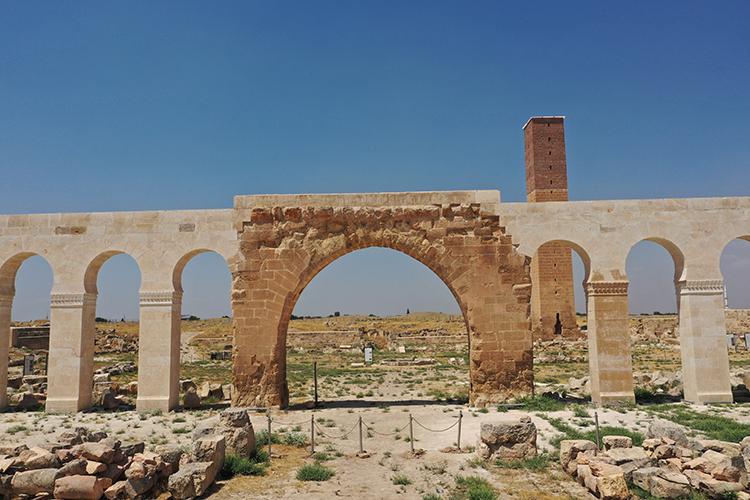
Harran Ulu Camii
Harran Ulu Camii is a place of worship located on the northeast slope of Harran Höyüğü in the Harran district of Şanlıurfa province, recognized as one of the earliest monumental examples of Islamic architecture in Anatolia. The structure was commissioned by the Umayyad Caliph Al-Walid II during the years 744–750 CE. Following Harran’s incorporation into Islamic rule, its brief period as the capital of the late Umayyad state directly influenced the mosque’s scale, layout, and architectural charac
EN
Sevgi Kıraç

Mardin Ulu Cami
Imagine a city covered in golden-yellow stones, nestled beside the sky. This is Mardin! Within this beautiful city stands a vast structure that has remained standing for exactly 845 years: Mardin Ulu Cami. Have you ever walked inside a building this old and listened to the stories it whispers? Let us explore its historic gates together. The Oldest Story in the City Mardin Ulu Cami was built in 1176 by Sultan Kutbettin İlgazi during the Artuklu period. This mosque is older than your great-great-g
EN
Zerrin Bayar
Muş Ulu Cami
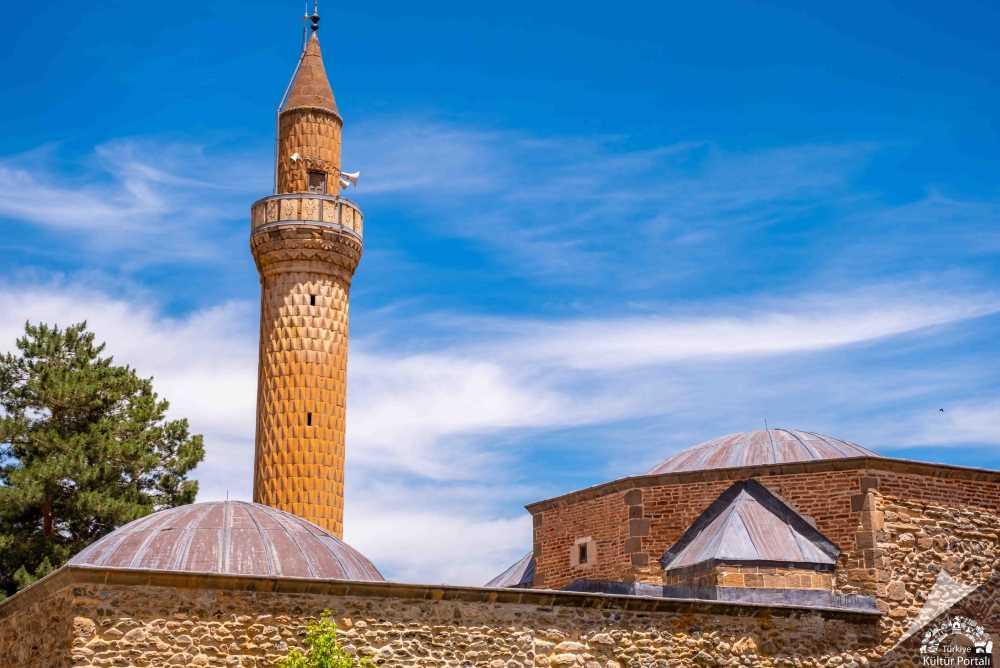
Muş şehrinin tam kalbinde, yüzyıllardır dimdik ayakta duran ve şehre sessizce eşlik eden dev bir taş yapı hayal et. İşte bu yapı, Muş’un en eski ve en önemli hazinelerinden biri olan Ulu Camii'dir. Muş Ulu Cami (Kültür Turizm Bakanlığı) " image-element-format="right" image-height="534" image-source="https://cdn.t3pedia.org/media/uploads/2026/04/17/hwCe2h7oTXBxyWlLWnefjJhEZRh0VPT6.png" image-width="800"> Bu Camiyi Kim Yaptırdı? Ulu Camii’nin üzerinde, ne zaman yapıldığını yazan bir tabela (kit
TR
Amine Öztürk
Sivrihisar (İlçe)
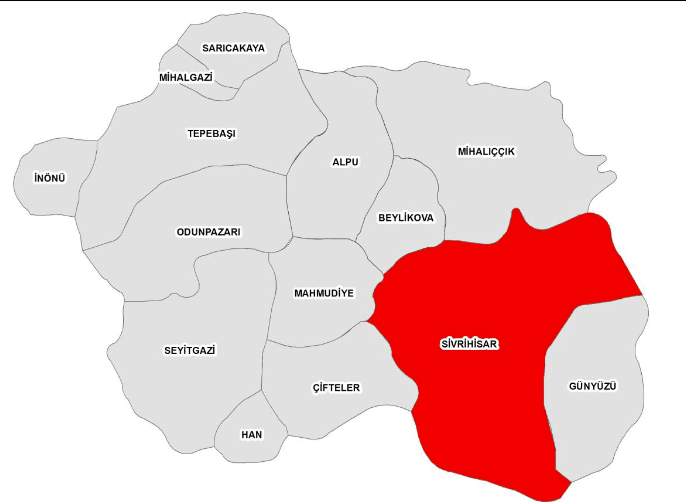
Sivrihisar, Türkiye’nin İç Anadolu Bölgesi’nde, Eskişehir iline bağlı bir ilçedir. Yüzölçümü 2.987 km² olan ilçe, Eskişehir’in en geniş yüzölçümüne sahip ilçelerinden biridir. Tarih öncesi dönemlerden itibaren yerleşim gördüğü arkeolojik bulgularla desteklenmiş, farklı dönemlerde çeşitli uygarlıkların egemenliği altında kalmıştır. Bugünkü idari statüsünü Cumhuriyet’in ilk yıllarında kazanmıştır. Tarihçesi Eskişehir’in güneydoğusunda yer alan Sivrihisar, Orta Anadolu’nun en eski yerleşim merkezle
TR
Sümeyra Uzun
Muş Grand Mosque
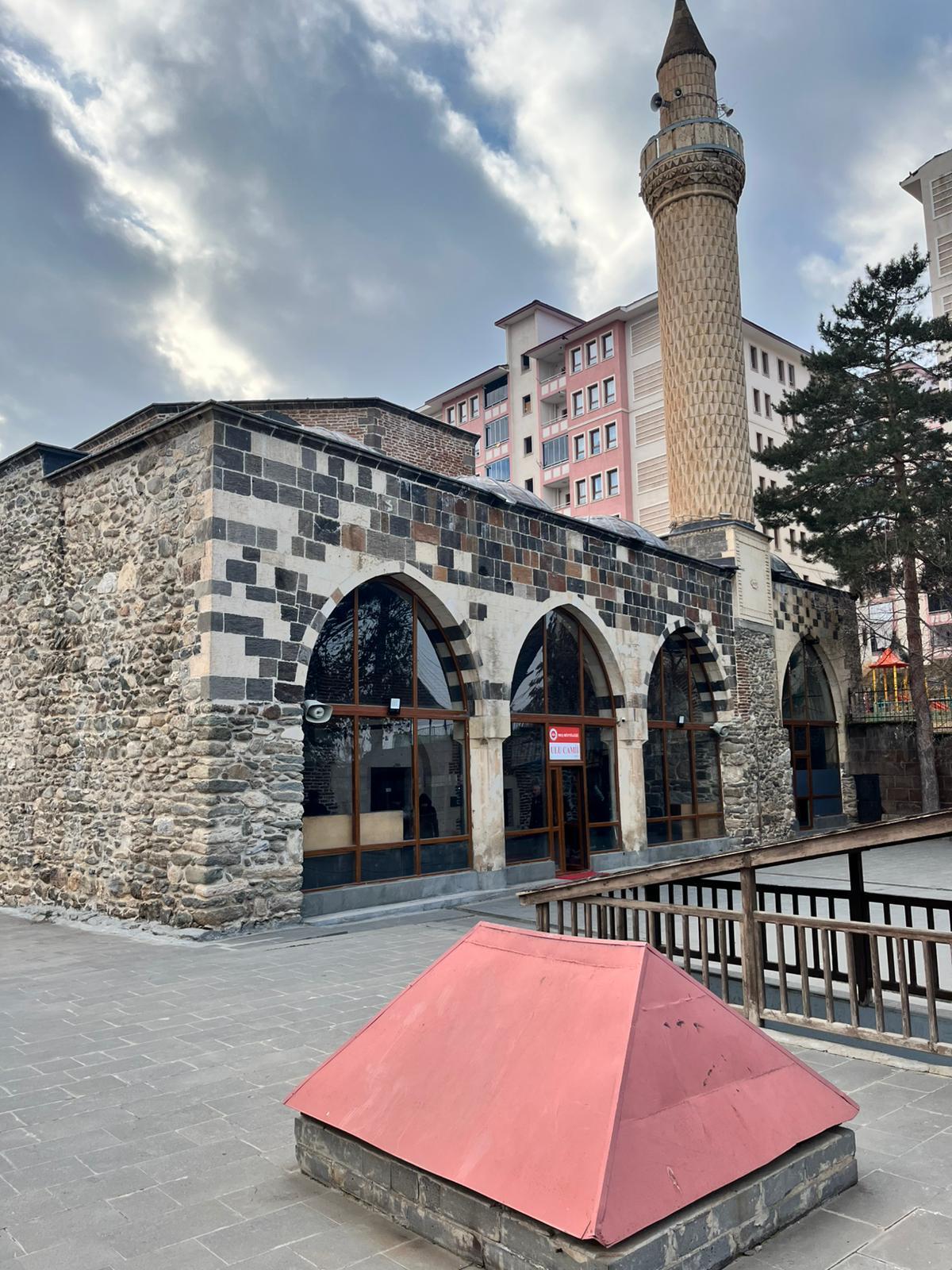
Muş Ulu Camii, located in the Minare (Kale) Neighborhood on Ulu Cami Street in the center of Muş, is a historical place of worship reflecting 16th-century Ottoman architectural style. Although the original foundation inscription has not survived, archival records from the General Directorate of Foundations indicate that the mosque was commissioned by Sheikh Muhammad al-Maghribi in 1571 (Hijri 979).T.C. Muş Valiliği, "Tarihi Eserler: Muş Ulu Camii", Son Erişim: 26 Aralık 2025, https://www.mus.gov
EN
Umut Taş

Divriği Great Mosque
Have you ever seen lace carved into stone? The structure located in the district of Divriği in Sivas appears as if it has sprung from a fairy tale. This monumental work, formed by thousands of stone motifs coming together, leaves all who see it in awe. Let us explore together this enchanting place known as “Anatolia’s Elhamra.” Why Is It So Significant? Divriği Ulu Camii and Darüşşifası is the first architectural structure in Türkiye to be inscribed on UNESCO’s World Heritage List. What makes it
EN
TÜLİN YILDIZ
Muş Grand Mosque
Imagine a massive stone structure standing tall for centuries at the very heart of the city of Muş, silently accompanying the life of the town. This structure is the Ulu Camii, one of Muş’s oldest and most important treasures. Muş Ulu Cami (Ministry of Culture and Tourism) " image-element-format="right" image-height="534" image-source="https://cdn.t3pedia.org/media/uploads/2026/04/17/hwCe2h7oTXBxyWlLWnefjJhEZRh0VPT6.png" image-width="800"> Who Commissioned This Mosque? There is no inscription
ENAmine Öztürk
Harran Ulu Camii
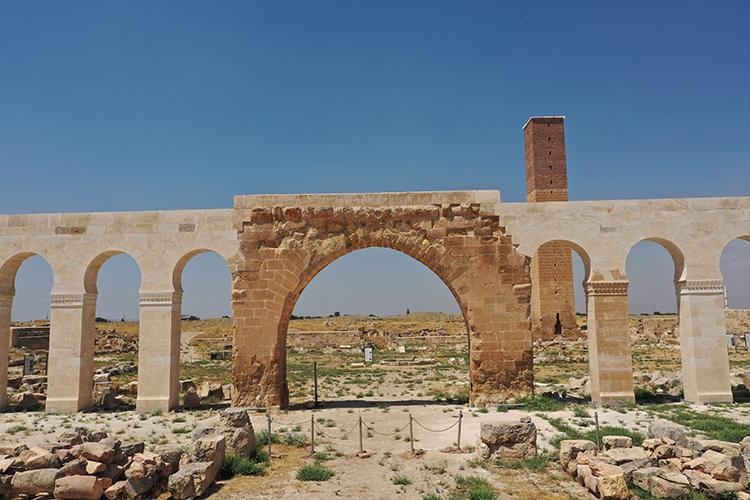
Harran Ulu Camii, Şanlıurfa ilinin Harran ilçesinde, Harran Höyüğü’nün kuzeydoğu eteğinde yer alan ve Anadolu’daki İslam mimarisinin en erken tarihli anıtsal örneklerinden biri olarak kabul edilen bir ibadet yapısıdır. Yapı, Emeviler Dönemi’nde Halife II. Mervan tarafından MS 744–750 yılları arasında inşa ettirilmiştir. Harran’ın İslam hâkimiyetine girmesinin ardından Emeviler Devleti’nin son döneminde bir süre başkent olarak kullanılması, caminin ölçeğini, planını ve mimari niteliğini doğrudan
TR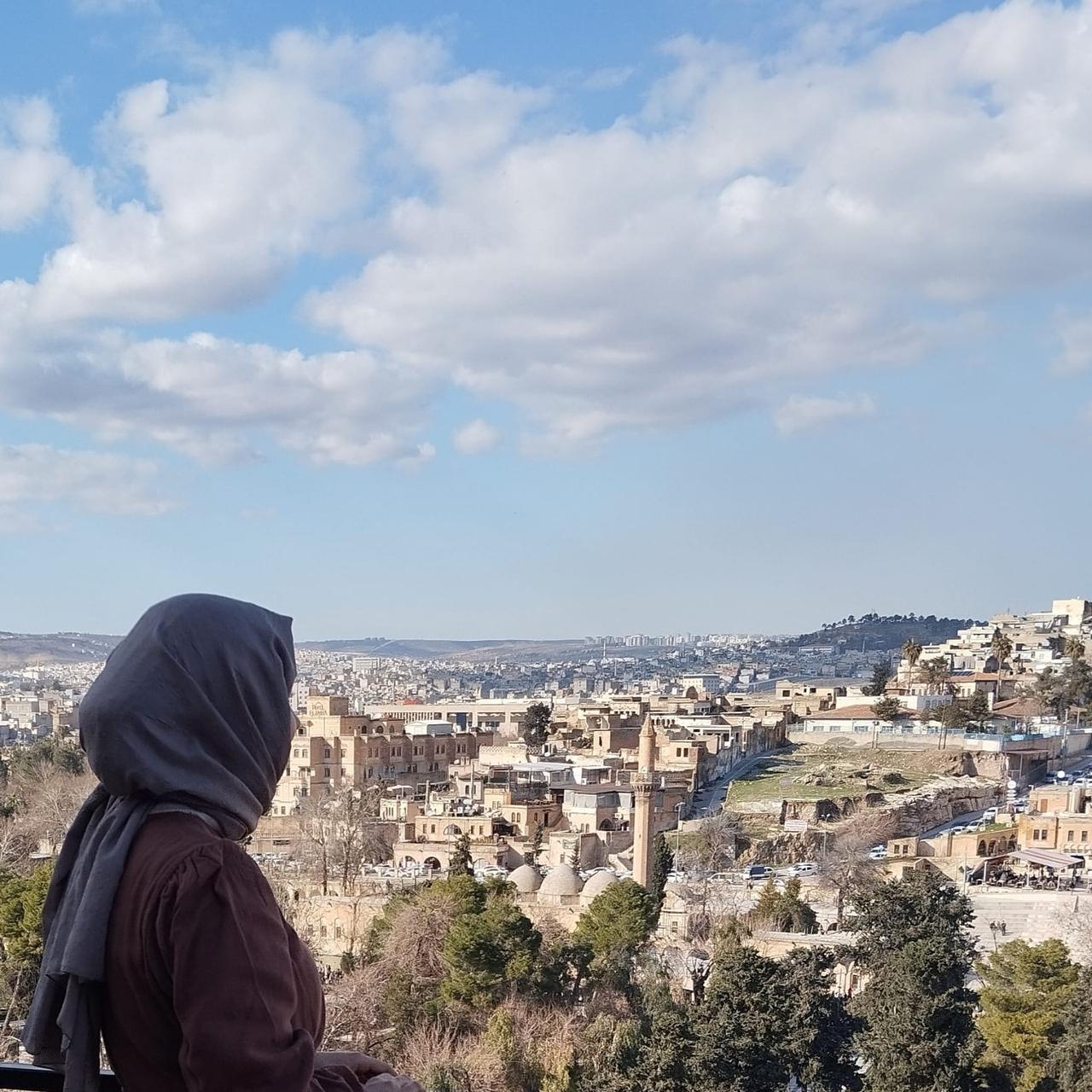
Sevgi Kıraç

Şanlıurfa Ulu Cami
Şanlıurfa Ulu Cami. Bu cami, sadece bir ibadethane değil, aynı zamanda farklı medeniyetlerin ve inançların izlerini taşıyan canlı bir tarih kitabıdır. Caminin Mimari Özellikleri Şanlıurfa şehir merkezinde yer alan caminin en dikkat çekici özelliklerinden biri, on dört sivri kemerle çevrili geniş avlusudur. Mimari uzmanları, bu tarz kemerlerin Anadolu'da ilk kez burada kullanıldığını belirtir. Caminin avlusunu gezerken, farklı dönemlere ait sütunlar ve sütun başlıkları görebilirsiniz. Bunlar, cam
TR
Kasım Emre Anıl