

`turbe` ile İlgili Madde Sonuçları
 Sü
SüSüleyman Şah Türbesi
Turkmens, Anatolia before arriving, they had also traveled to Syria and Iraq and settled there. Historical accounts also relate that the tribe to which the Ottoman dynasty belonged migrated to Türkiye via Syria. Aşıkpaşazâde, Neşri and Fasting Bey like recount that the ancestor of the Ottoman dynasty, Süleyman Shah, drowned while crossing the Euphrates River near Ca‘ber Castle and that his body was retrieved from the river and buried at the foot of castle. Süleyman Şah must have died by drowning
EN
Erhan Afyoncu
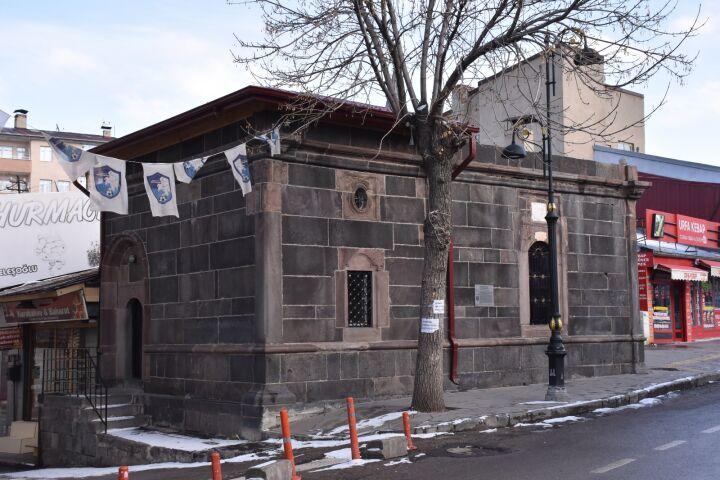
Habipbaba Türbesi
Habipbaba Türbesi is a tomb structure located in the city of Erzurum, Türkiye, associated with the Sufi tradition. It is noted that the tomb was originally known as the Timurtaş Baba Türbesi, but after Habip Baba was buried there in the 19th century, it began to be commonly referred to by the public as Habipbaba Türbesi. The structure is regarded among Erzurum’s historical and religious sites and holds a significant place in the local belief system. Habipbaba Türbesi (Erzurum Municipality) Locat
EN
Melikcan BUDAK
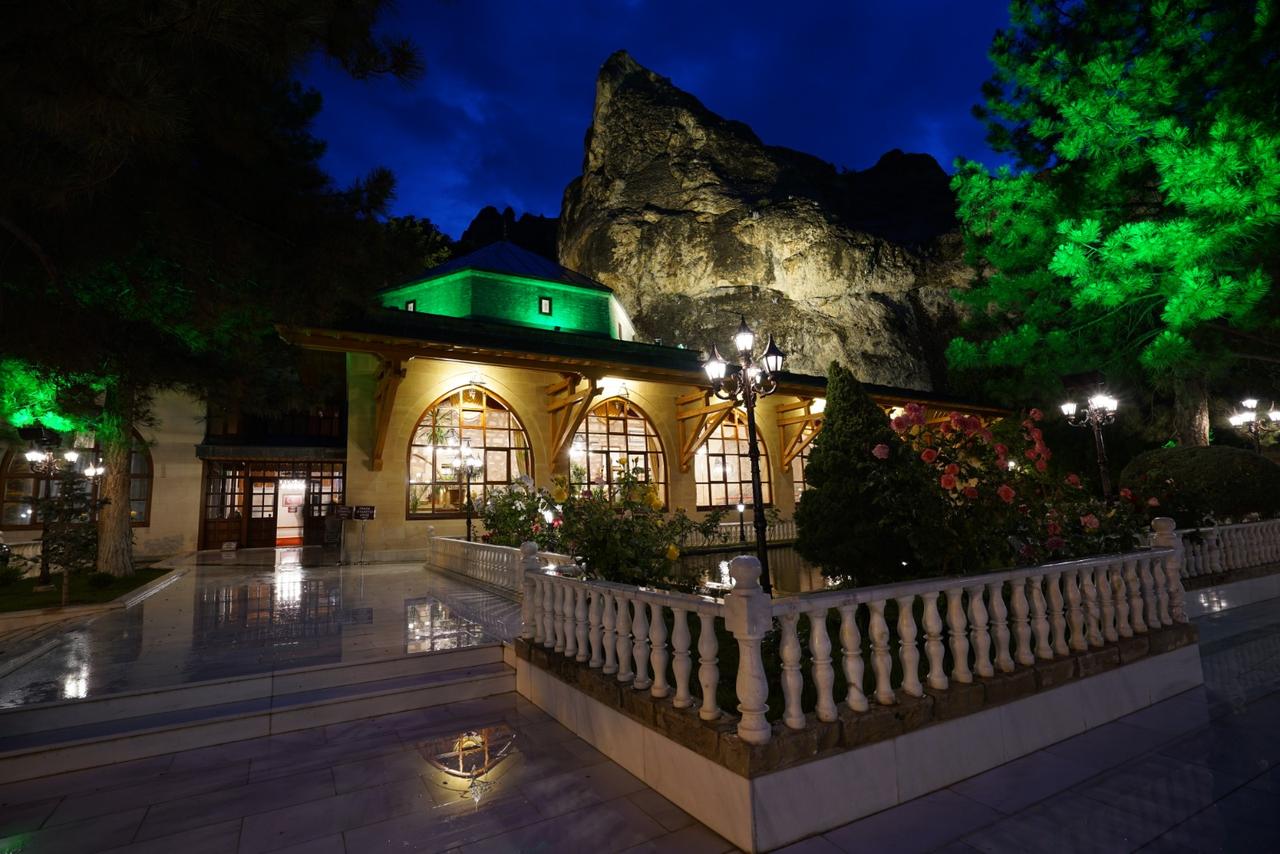
Somuncu Baba Mosque and Tomb
The Sheikh Hamid-i Vali (Somuncu Baba) Mosque and Tomb is a religious and cultural heritage site located in the Zaviye Neighborhood of Darende District, Malatya Province, Türkiye, beside the Tohma River. This complex is also known as the Somuncu Baba Külliyesi and comprises a multifaceted ensemble of structures including a mosque, tomb, cemetery, museum, library, fish pond, crown gate, additional mosques, and social facilities. Sheikh Hamid-i Vali (Somuncu Baba) Sheikh Hamid-i Vali, who lived in
EN
Beyzanur KOVANTÜRK
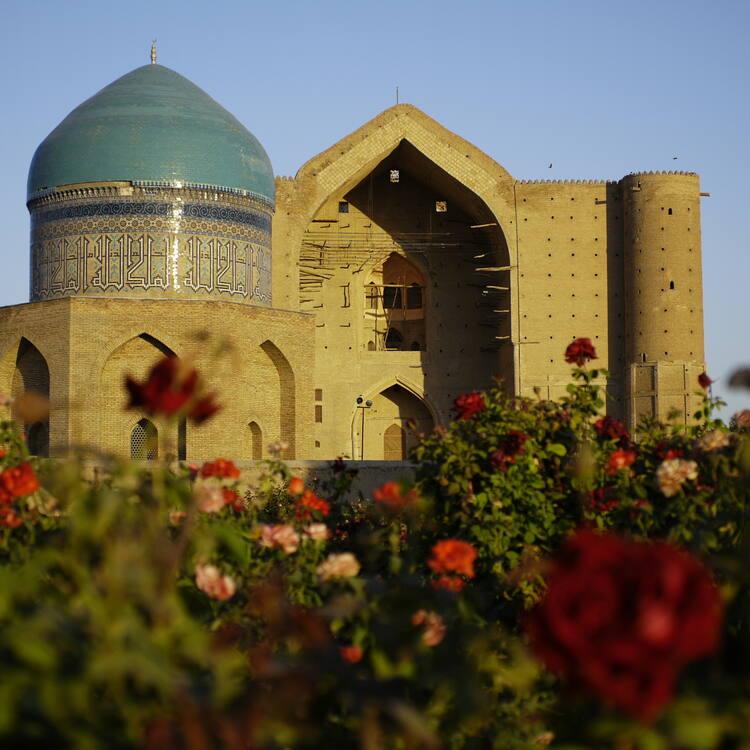
Hoca Ahmed Yesevi Türbesi
Hoca Ahmed Yesevi Türbesi is one of the most significant structures of Central Asian Islamic architecture, located in the city of Turkistan in southern Kazakhstan. The tomb was built in honor of the 12th-century Sufi mystic Hoca Ahmed Yesevi. The monumental form visible today emerged from construction activities initiated under the orders of Timur at the end of the 14th century. History Ahmed Yesevi was born in the late 11th century in Sayram and began his education in the city of Yesi. He recei
EN
Neriman Çalışkan
AlAlemşah Kümbeti
Alemşah Kümbeti was built in 1328 by Melikşah in memory of his brother Sultan Şah, who was martyred at a young age. The structure is located in the Sivrihisar district of Eskişehir, north of the Ulu Camii. As one of the significant monumental tombs of its era, the kümbet is a unique building serving both as a tomb and a mosque. Although it has suffered some damage over time, recent restoration efforts have ensured its preservation. Alemşah Kümbeti (Sivrihisar Municipality) " image-element-format
EN
Meltem Saraç
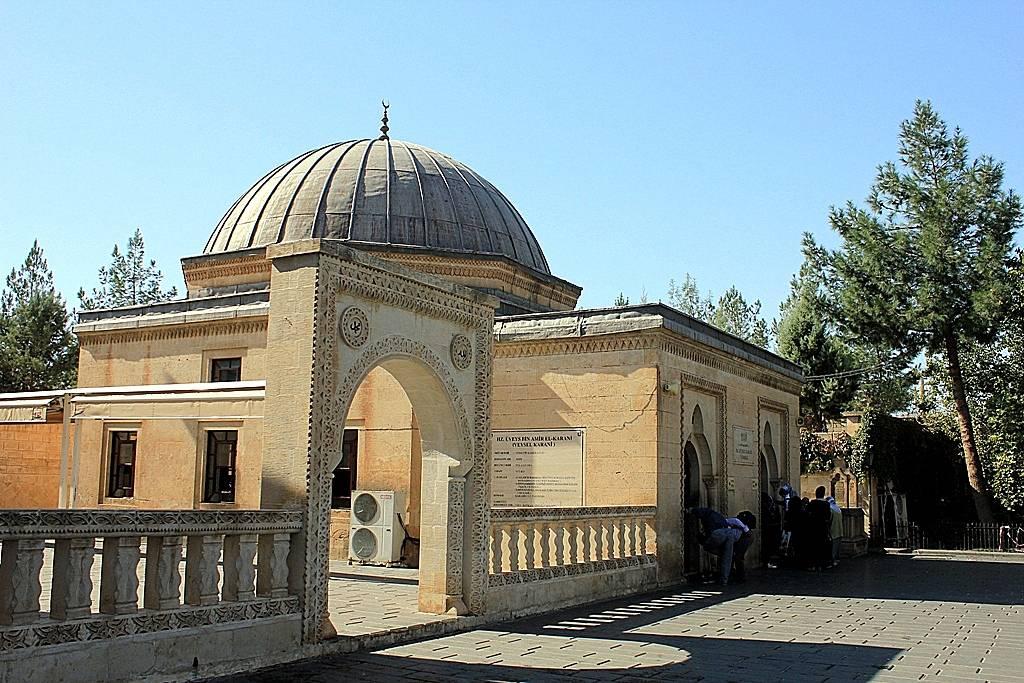
Veysel Karani Türbesi - Siirt
The Veysel Karani Türbesi is located in the Veysel Karani Village of the Baykan District, dependent on Siirt Province, along the Diyarbakır–Siirt highway. It is approximately 40 km from the provincial center and about 8 km from Baykan. The türbe is situated on a natural hilltop within an area characterized by dense religious structures and settlements. Historical Background and the Identity of Veysel Karani Hz. Veysel Karani (Üveys b. Âmir al-Karanî) was born in the village of Karen in Yemen and
EN
Mesut Akbaba
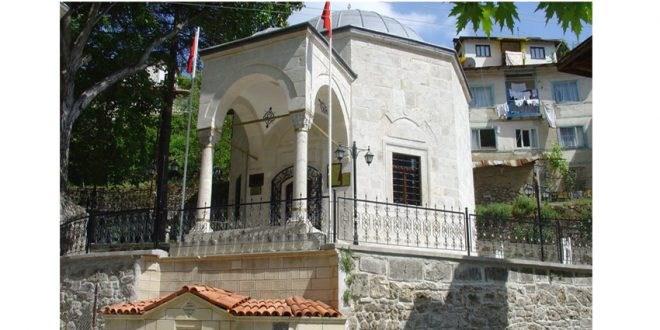
Tomb of Ömer Sikkînî (Bıçakçı Ömer Dede)
Ömer Sikkînî (Bıçakçı Ömer Dede) Türbesi is a visitation site located in the Göynük district of Bolu, recognized as one of the earliest representatives of the dervish tradition in the region. The türbe holds historical significance due to its Sufi heritage and its role in shaping the spiritual structure of Göynük during the Ottoman period. The türbe is situated in the town center of Göynük, within an area that forms a “spiritual identity zone” alongside other türbes and religious structures in t
EN
Meryem Şentürk Çoban
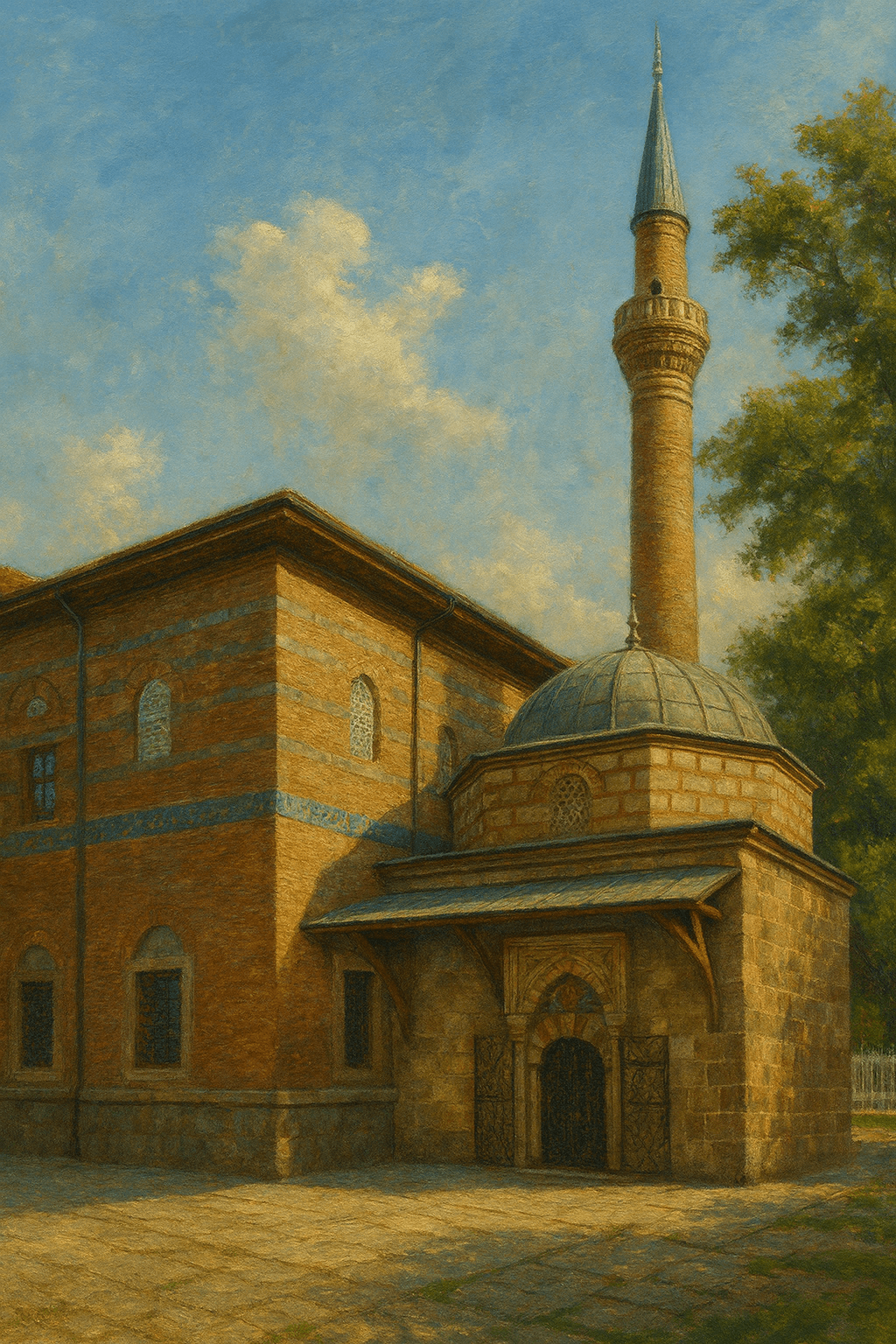
Tomb of Hacı Bayram Veli
The Hacı Bayram Veli Türbesi is one of Ankara’s most important historical structures. It is located directly in front of the Hacı Bayram Mosque. The tomb is constructed from large red Ankara stone, with its upper section covered in white marble. Colorful marble decorations on the entrance door are particularly striking. The structure was restored in 1947 according to its original design. (Generated by Artificial Intelligence) " image-element-format="right" image-source="https://cdn.t3pedia.org/m
EN
Hikmet Can Urhan
ToTomb of Prince Mustafa
In the Osmangazi district of Bursa, within the Muradiye Külliyesi, the Şehzade Mustafa Türbesi stands southwest of the tombs of II. Murat and Alaattin. It commemorates one of the most tragic events in Ottoman dynastic history. Also known in sources as the Mustafa-i Cedid Türbesi, the structure was commissioned by Prince Selim II, brother of Şehzade Mustafa, in memory of Mustafa, the son of Kanuni Sultan Süleyman and Mahidevran Sultan. A two-line marble inscription measuring 0.15 x 0.30 metres ab
ENMeltem Saraç
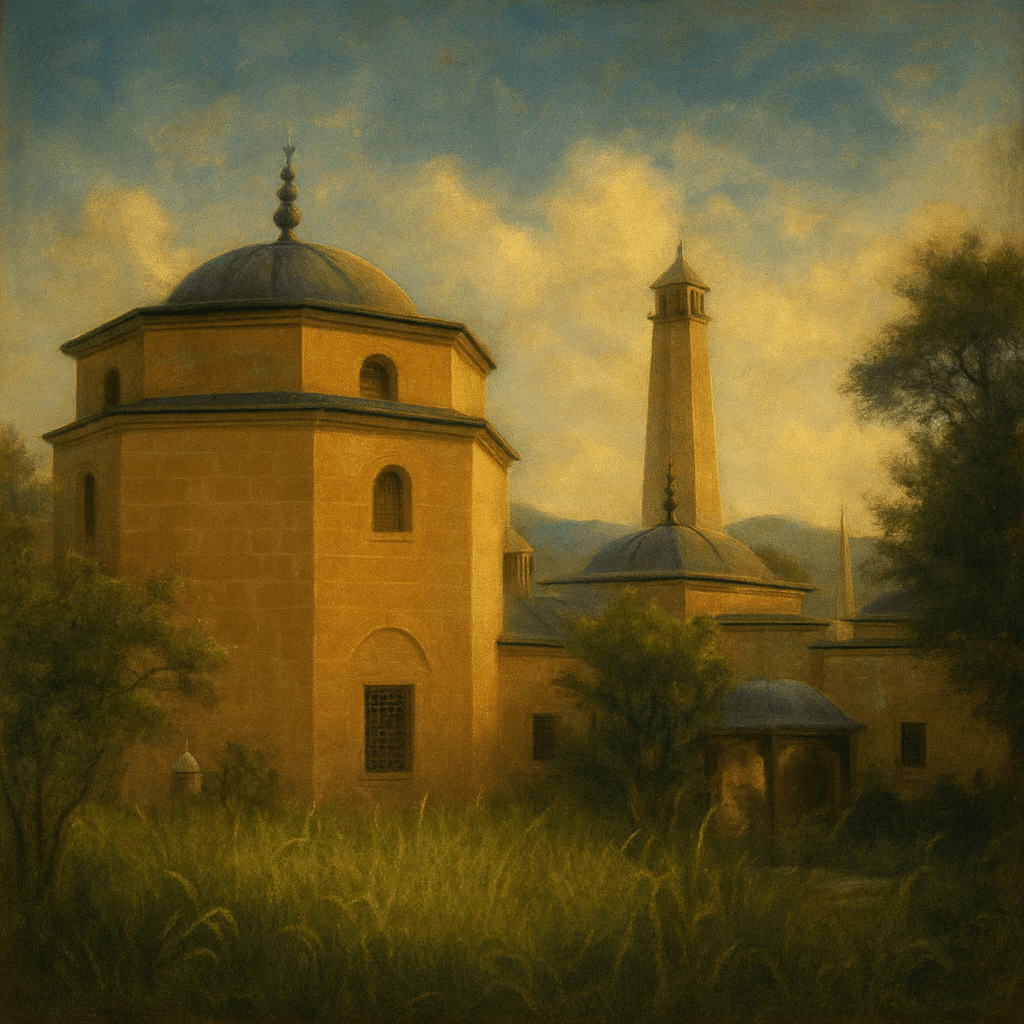
Tomb of İsmail Fakirullah
The Tomb of Ismail Fakirullah is located in the Tillo district of Siirt. The tomb was built in the 18th century by his student, Ibrahim Hakki of Erzurum. What makes this tomb unique is both its expression of reverence for the teacher and the occurrence of a rare astronomical phenomenon here. (Generated by Artificial Intelligence) " image-element-format="right" image-source="https://cdn.t3pedia.org/media/uploads/2025/08/25/XKgf5ap5jUazAcH3SIqh9NASR4ZwWFZE.png"> The Event That Makes the Tomb Un
ENHikmet Can Urhan