

`sad` ile İlgili Madde Sonuçları
 Pe
PePerisan
Origin Perişan has entered Turkish from the Persian word پریشان (perīşān). The term derives from the Persian verb parēşīdan, which conveys the meanings of disruption and spreading, and is used to describe things that are disordered, scattered, or in a bad state. Areas of Use Everyday Language: Used to describe objects or environments that are disordered, messy, or complicated. Literature: Preferred in a metaphorical sense to express a person’s mental state, helplessness, or difficult circumstanc
EN
Fatmanur Mavibaş
EvEvil
Origin Arabic derives from the root f-n-y (ف ن ي), which conveys meanings such as "perishing," zail, "darkening." The term fanā’ (فناء) is derived from this root. The word shares a common origin with the Aramaic-Syriac root p-n-y and the term panəyā (פניא), meaning "sunset" or "evening." This shared etymological foundation reveals that the core concept underlying the word is the action of "turning the face away" or "turning the back" (pənā). Semantically, the phenomenon of light turning away and
EN
Emirhan Polat
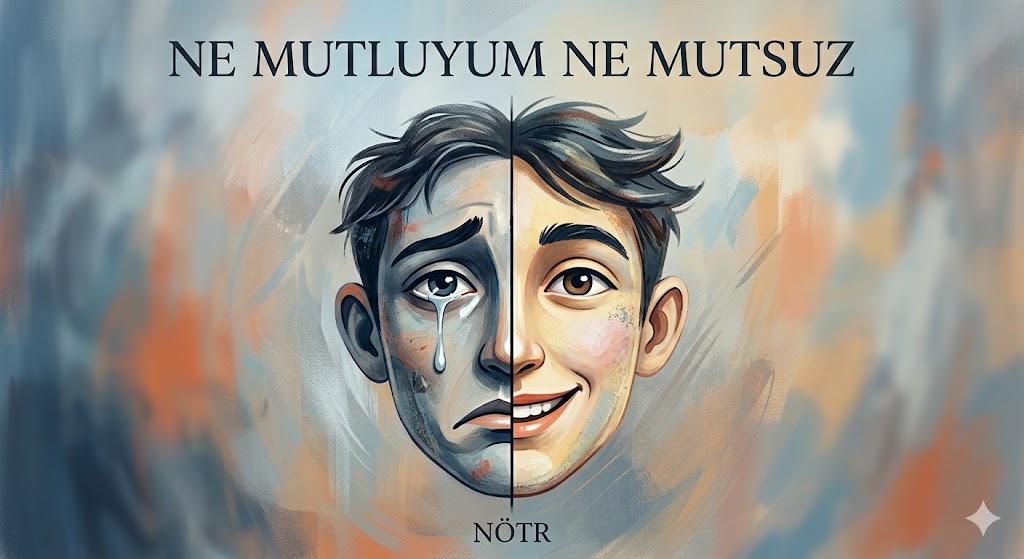
The Concept of 'Languishing' in Psychology: Neither Happy Nor Sad
You open your eyes in the morning. Nothing dangerous is happening. You are healthy, you have a job, you are with loved ones. Yet still, you fight a small battle with yourself to get out of bed. You spend the day doing things, always doing things, but none of them fill you. Evening comes, and you ask yourself, “What did I even do today?” There is an answer—but no satisfaction. You are not unhappy, really. Have you fallen into depression? No, you do not feel that. So what is this? It has a name: l
EN
Nida Üstün
ŞaŞad
Köken Şad kelimesi (ﺷﺎﺩ) Farsça kökenlidir. Farsça ve Orta Farsça şād “huzurlu, dingin, mutlu” anlamındaki sözcükten Türkçeye geçmiştir. Kullanım Alanları Klasik Türk Edebiyatı ve Eski Türkçe: “Şad” kelimesi, özellikle divan şiirlerinde ve eski yazılı metinlerde sevinçli, neşeli anlamında kullanılır. Arapça ve Farsçadan geçmiş edebî bir kelimedir. Dinî ve Manevî Anlatımlar: “Ruhu şâd olsun” gibi dualı ifadelerde yer alır. Vefat eden bir kişinin ruhuna selamet ve sevinç dilemek amacıyla kullanılı
TR
Ayşenur Bayraktar