

`rice` ile İlgili Madde Sonuçları

Tiridine Bandım (Folk Song)
Tiridine Bandım is an anonymous folk song from the Anatolian folk music repertoire, associated with the region of Kastamonu and its surroundings in terms of both lyrics and melody. The song emerged within the oral culture tradition and contains narrative elements reflecting local life practices and social relationships. Everyday speech patterns, regional linguistic features, and narrative structure reveal the cultural context in which the song developed. Yılmaz Cesur - Tiridine Bandım (Netd Müzi
EN
Beyza Başar

Rice pudding
Sütlaç is one of the most beloved desserts in Turkish cuisine, combining the pure white color of milk with the soft texture of rice. This light dessert, made from simple ingredients such as milk, rice, and sugar, refreshes the palate especially on hot summer days. Have you ever considered that this delicious treat has traveled a journey of thousands of years to reach our tables? How Is Sütlaç Made? Making sütlaç is truly a matter of patience. First, milk is poured into a pot and brought to a boi
EN
Samet Cemalettin ALKAN

RICE Metodu
Projeler, özellikler ve diğer girişimlerle ilgili karar süreçlerinde, ürün ekiplerinin karşısına sıklıkla çok sayıda fikir çıkmaktadır. Bu fikirlerin her biri olumlu sonuçlar doğurma potansiyeline sahip olsa da, hangi projelere öncelik verileceği ve kaynakların en verimli biçimde nasıl tahsis edileceği konularında net bir yön belirlemek güçleşmektedir. Bu gibi durumlarda, karar alma süreçlerini kolaylaştırmak ve öznelliği azaltmak amacıyla yapılandırılmış bir çerçeveye ihtiyaç duyulmaktadır. Bu
TR
Yağmur Yıldız Parıltı
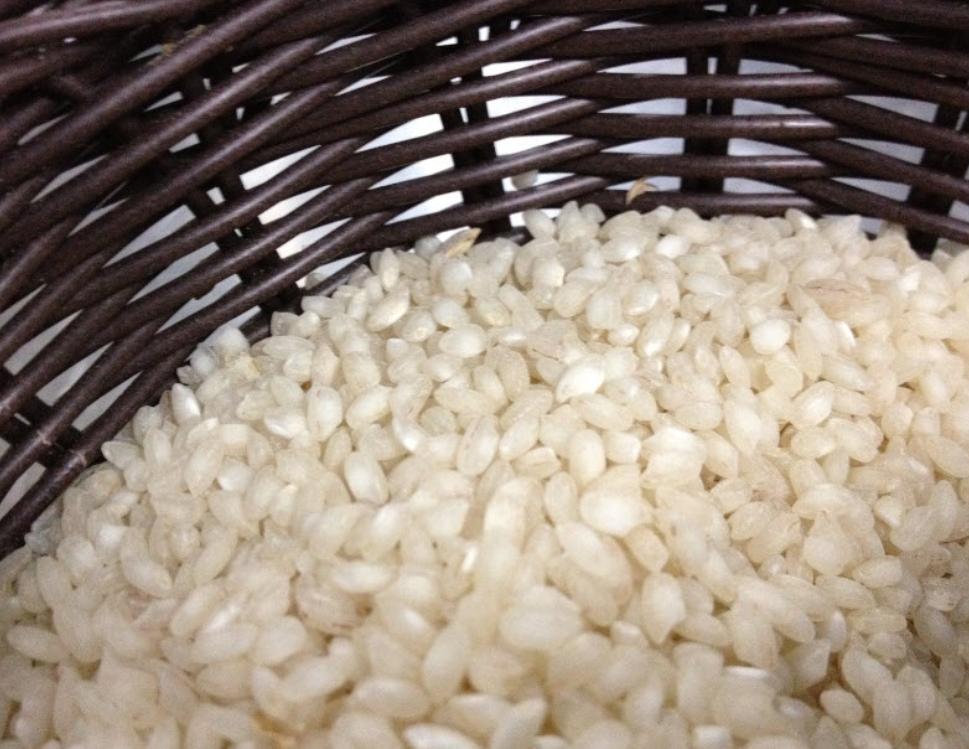
Bolu Kıbrıscık Pirinci
Bolu Kıbrıscık Pirinci is a native rice variety grown in specific villages under the Kıbrıscık district of Bolu province. It is medium-grained and of first-class quality. The product has been officially registered as a “Geographical Indication” by the Turkish Patent and Trademark Office under Registration No. 513 dated 28 July 2020. Bolu Kıbrıscık Pirinci (Bolu Belediyesi) " image-element-format="right" image-source="https://cdn.t3pedia.org/media/uploads/2026/02/11/bolu-kibriscik-pirinci-bd5fb-K
EN
Ali Hakyol

Tiridine Bandım (Folk Song)
Tiridine Bandım is an anonymous folk song from the Anatolian folk music repertoire, associated with the Kastamonu region and its surroundings in terms of both lyrics and melody. The song emerged within the oral culture tradition and contains narrative elements reflecting local life practices and social relationships. Everyday speech patterns, regional linguistic features, and narrative structure reveal characteristics of the cultural environment in which the song developed. Origin and Historical
EN
Beyza Başar
RICE Method
In decision-making processes related to projects, features, and other initiatives, product teams frequently encounter a large number of ideas. While each of these ideas has the potential to yield positive outcomes, it becomes difficult to clearly determine which projects should be prioritized and how resources can be allocated most efficiently. In such situations, a structured framework is needed to simplify decision-making and reduce subjectivity. At this point, the RICE Method (Reach, Impact,
ENYağmur Yıldız Parıltı

Biga Rice
Biga rice is a long-grain variety of rice obtained from the Oryza sativa L. plant, cultivated in the Biga district of Çanakkale province. This product acquires unique characteristics due to the region’s alluvial and clay-silt soil structure and its climatic conditions, which exhibit Mediterranean climate traits. The rice plant has a growth cycle of approximately four months and produces long, yellow grains in a panicle structure. The crop is sown using the broadcasting method and is grown contin
EN
Sabiha Meyra Şahinler
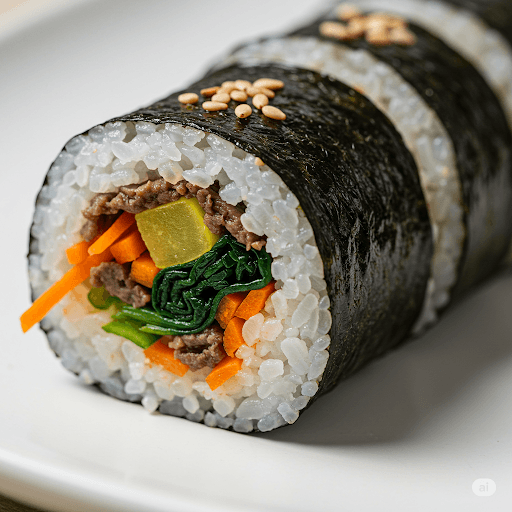
Gimbap
Gimbap is one of the characteristic dishes of South Korean cuisine. In some regions, it is also called "Kimbap." At its core, it consists of steamed short-grain rice (bap) rolled together with various ingredients in a sheet of dried seaweed (gim). Gimbap holds a significant place in Korean society as both a homemade meal and a convenient dish commonly consumed outside the home. Historical Background and Debates on Origin There are differing views regarding the origin of gimbap. According to one
EN
Emre Özen
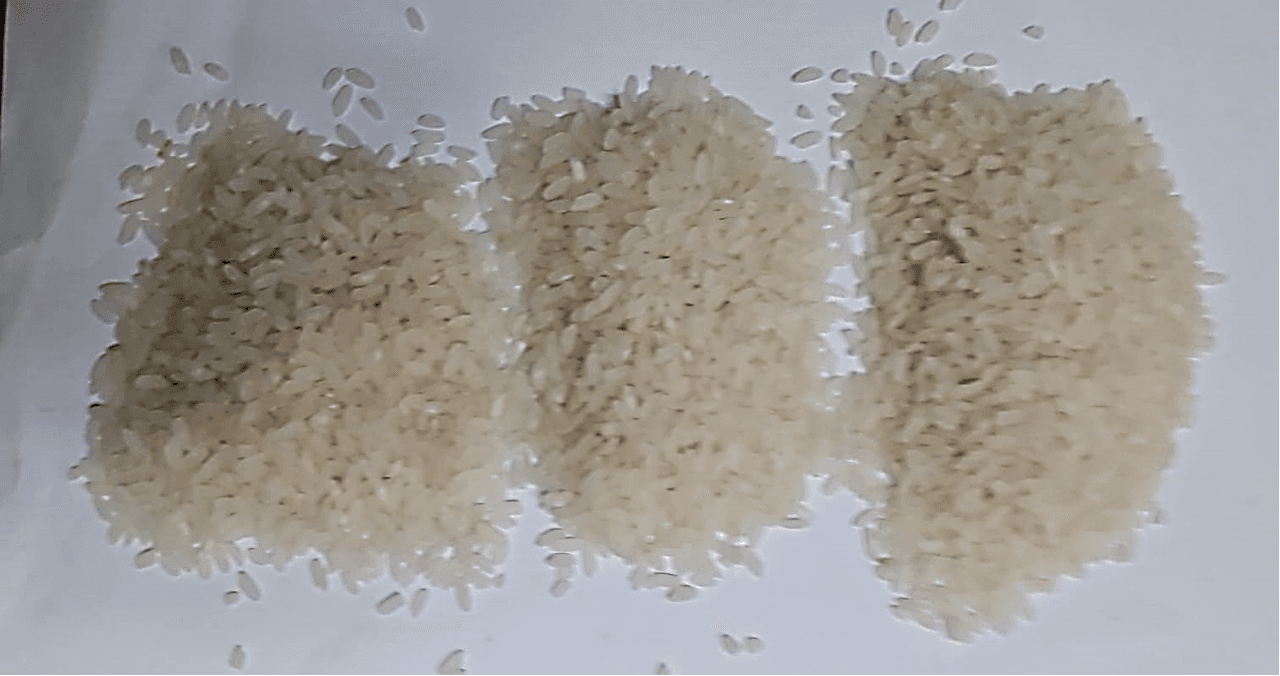
Çatalca Ormanlı Pirinci
Çatalca Ormanlı Pirinci is a geographical indication rice variety produced from Japonica-type paddy rice in a 10-kilometer area encompassing the villages of Ormanlı, Karacaköy, and Çiftlikköy in the Çatalca district of Istanbul. The region’s proximity to the Black Sea allows iodine-rich sea breezes to reach the fields, while clean irrigation water sourced from the Istıranca Mountains contributes to the rice’s distinctive aromatic qualities. Classified as Type C under the Turkish Food Code, Çatal
ENSabiha Meyra Şahinler
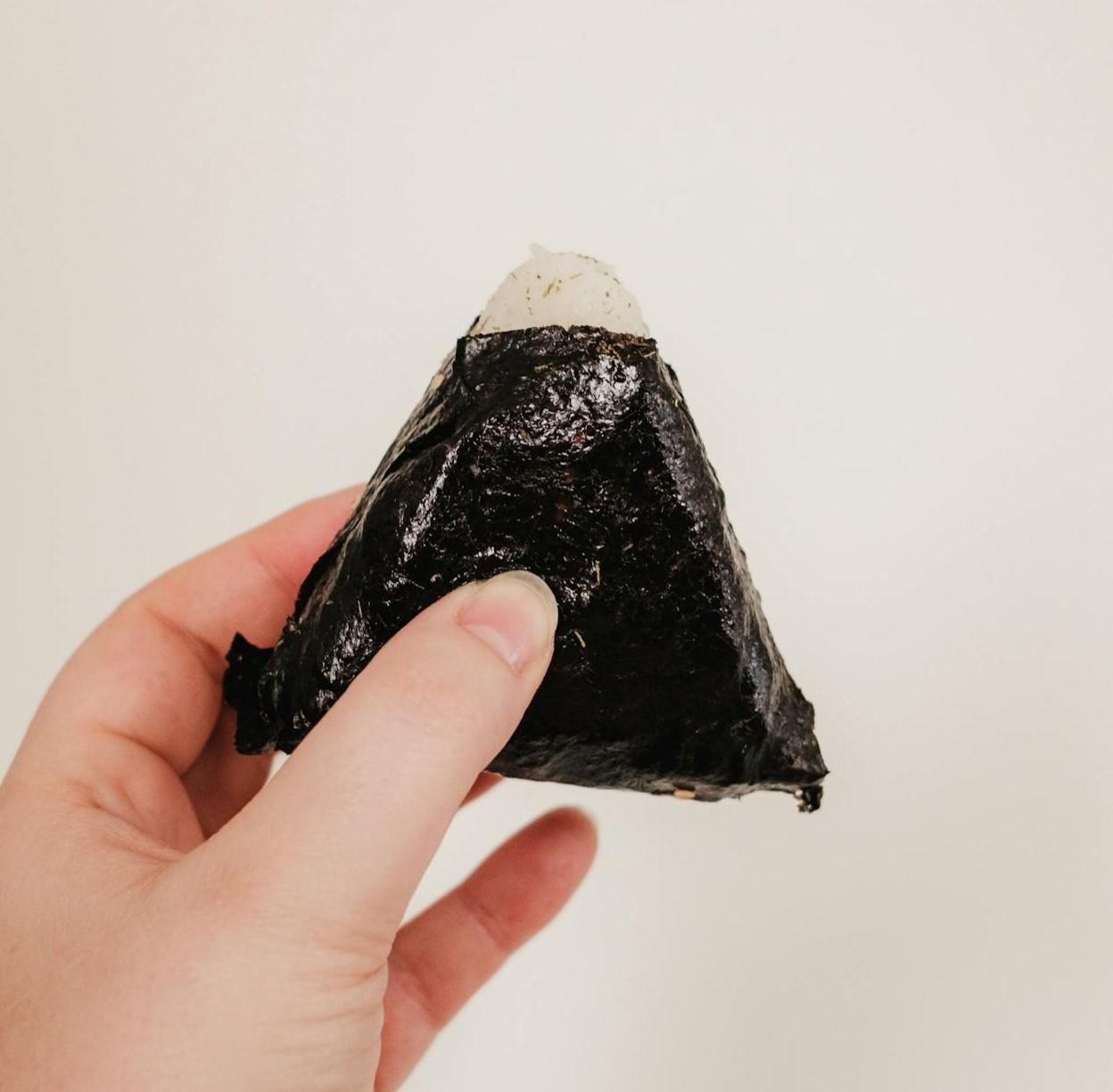
Onigiri
Onigiri is a Japanese rice ball prepared using one of the staple ingredients of Japanese cuisine—rice. Typically shaped into triangles or rounds, onigiri can be filled with various ingredients or wrapped in seaweed (nori). In Japan, it plays a central role in both traditional home-cooked meals and convenience foods. Due to their small size, portability, and wide availability, onigiri are regarded as a “practical snack” throughout the country. History The historical origins of onigiri date back a
EN
Ömer Faruk Bilcan