

`rene-descartes` ile İlgili Madde Sonuçları

René Descartes
René Descartes (March 31, 1596, La Haye en Touraine, France – February 11, 1650, Stockholm, Sweden) was a French philosopher, mathematician, and scientist. As a pioneer of the rationalism movement, Descartes is famous for the phrase "I think, therefore I am" (Cogito, ergo sum). He is one of the figures symbolizing the break from the scholastic tradition of the Middle Ages in the history of philosophy. He made important contributions to the foundations of the scientific method and merged mathemat
EN
Nida Üstün
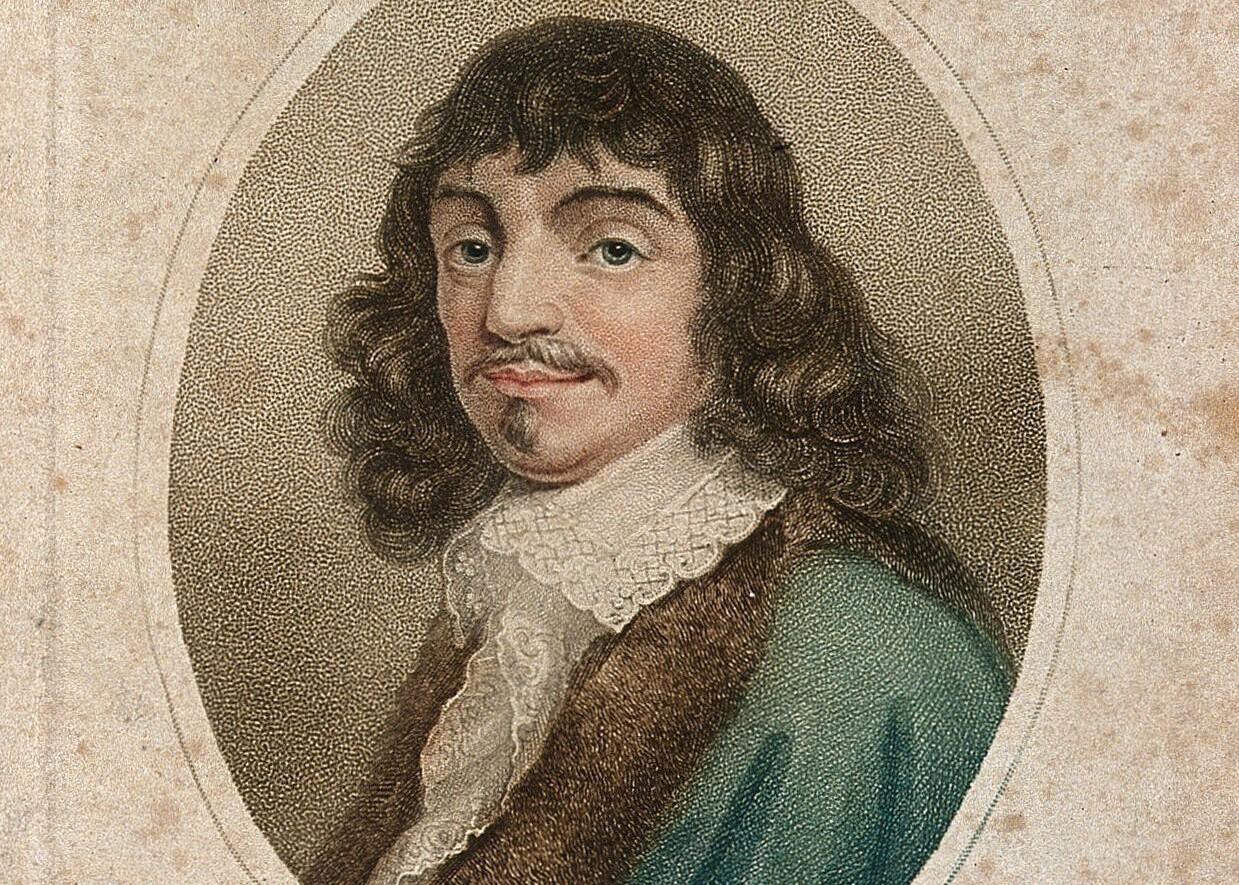
Descartes’ın Şüphe Üzerine Kurduğu Sarsılmaz Dünyası: "Yöntem Üzerine Konuşma"
On yedinci yüzyıl Avrupa’sı, düşünce tarihinde kırılma noktalarından biri olarak kabul edilir. Orta Çağ boyunca baskın olan otoriteye dayalı bilgi anlayışı yerini, bireyin aklına ve sorgulama gücüne bırakmaya başlamıştır. Deneyim, akıl ve bireysel düşünme artık felsefenin merkezine yerleşir. Galileo ve Kepler’in doğa anlayışında yarattığı sarsıntılar, yalnızca bilimsel alanla sınırlı kalmaz; felsefi düşüncenin yönünü de belirler. Descartes'in Bir Tasviri (Yapay Zeka Yardımıyla Oluşturulmuştur) "
TR
Yaren Erva Keskin
 Me
MeMethodical Doubt
Methodical doubt (Lat. dubitatio methodica) is a method of systematically questioning and temporarily rejecting all thoughts to establish knowledge on a solid foundation. This approach holds a central place, particularly in the philosophy of René Descartes, the founder of Cartesian philosophy. Methodical doubt is based on the premise that the validity of all knowledge must be tested, and only that which is certain and indubitable should be accepted as fundamental knowledge. Philosophical Backgro
EN
Sümeyye Akkanat Terzioğlu
MeMetodik Şüphe
Metodik şüphe (Lat. dubitatio methodica), bilginin sağlam temellere dayandırılabilmesi için her türlü düşünceyi sistematik olarak sorgulama ve geçici olarak reddetme yöntemidir. Bu yaklaşım, özellikle Kartezyen felsefenin kurucusu René Descartes’ın felsefesinde merkezi bir yer tutar. Metodik şüphe, tüm bilgilerin geçerliliğinin sınanması ve yalnızca kesin ve şüphe götürmez olanların temel bilgi olarak kabul edilmesi gerektiği öncülüne dayanır. Felsefî Arka Plan 16. ve 17. yüzyıllarda Avrupa'da b
TRSümeyye Akkanat Terzioğlu
Descartes’ s Unshakable World Built on Doubt: "Discourse on Method"
Seventeenth-century Europe is regarded as one of the turning points in the history of thought. The authority-based understanding of knowledge that had dominated the Middle Ages began to give way to an emphasis on the individual’s reason and capacity for questioning. Experience, reason, and individual thought now became central to philosophy. The upheavals introduced by Galileo and Kepler in the understanding of nature did not remain confined to the scientific realm; they also determined the dire
ENYaren Erva Keskin