

`plato` ile İlgili Madde Sonuçları
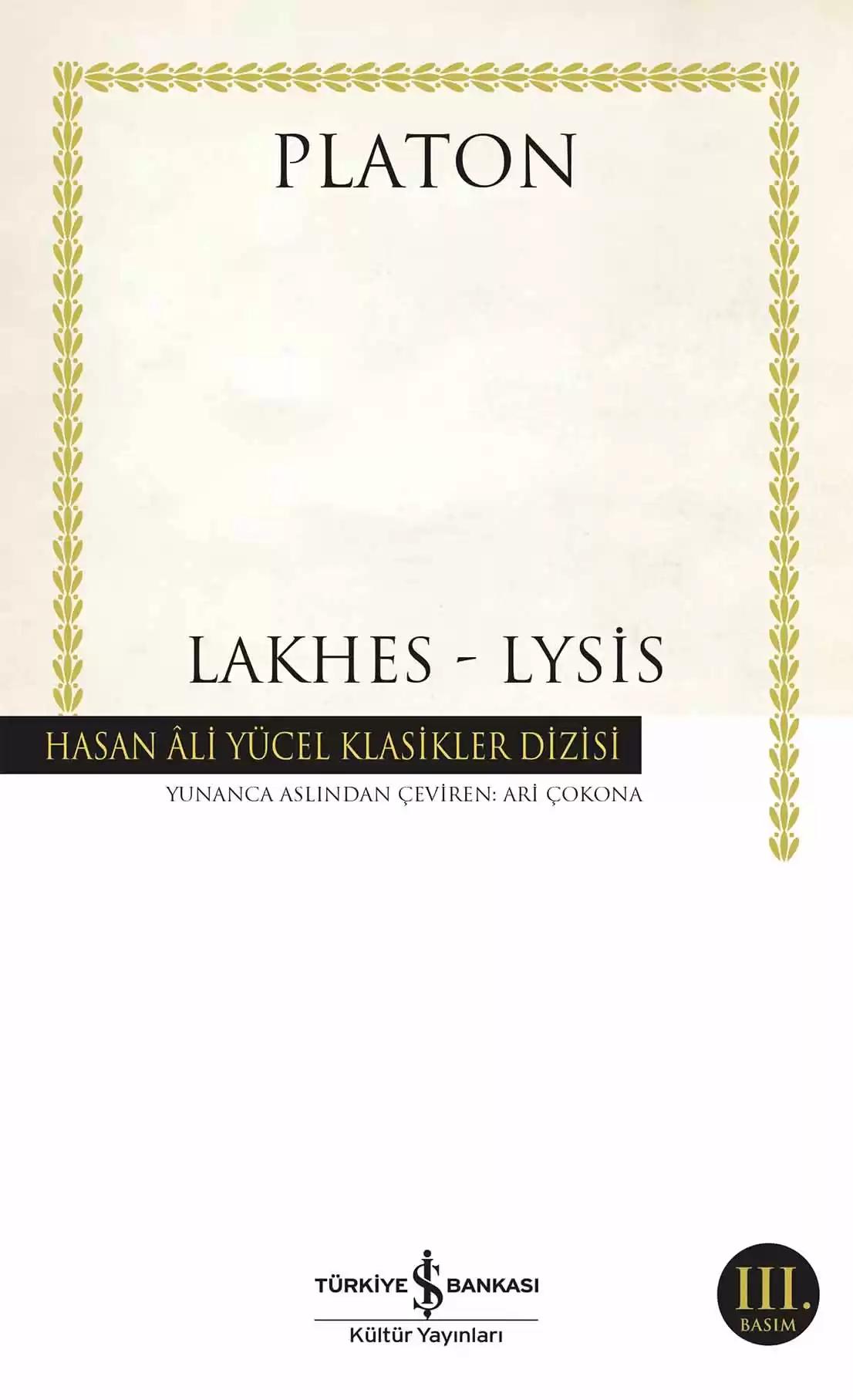
Lakhe - Lysis (Book)
Laches and Lysis are two separate dialogues written by the ancient Greek philosopher Plato. These works, composed in the dialogue form, are considered among the foundational texts of ancient Greek philosophy and are classified among Plato’s early writings. In both dialogues, the aim is to examine and define moral concepts through the Socratic method. The dialogues have been translated into Turkish and published by İş Bankası Kültür Yayınları. Summary Laches and Lysis are among Plato’s dialogues
EN
Zeynep Şule Bingöl
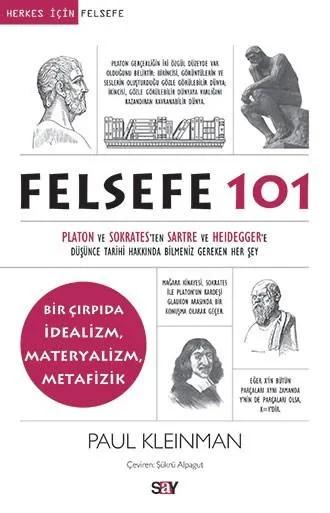
Philosophy 101 (Book)
Philosophy 101: A Basic Introduction to Ethics and Metaphysics from Plato and Socrates to the History of Thought, written by Paul Kleinman, is a work that explains the fundamental concepts and historical development of philosophy in simple language. Published in 2013 by Adams Media, the book aims to introduce the main figures, theories, and concepts of Western philosophy. Kleinman has created a guiding resource for newcomers to philosophy by presenting complex philosophical ideas in an accessibl
EN
Meryem Beyza Utkulu
 Pl
PlPlato's Allegory of the Cave
Plato’s Allegory of the Cave is a narrative found in the seventh book of the ancient Greek philosopher Plato’s work Republic (Politeia). The allegory is employed to concretize Plato’s theory of Forms, which forms the foundation of his metaphysics (ontology) and epistemology. The narrative addresses themes such as the nature of reality, the possibility of knowledge, the process of transition from ignorance to enlightenment, and the transformative role of education. The allegory has been interpret
EN
Yunus Emre Yüce
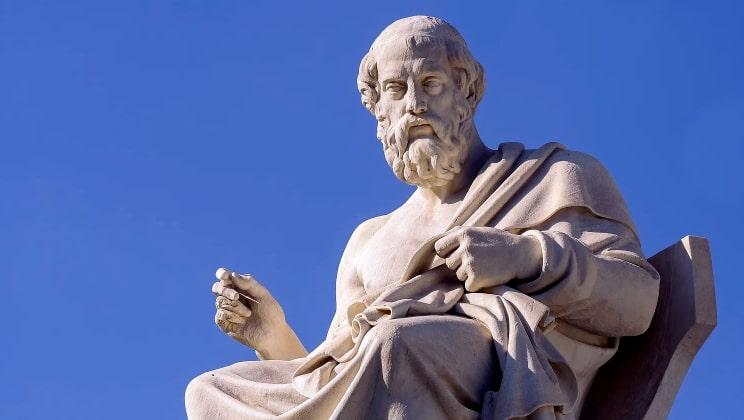
Plato
Plato (c. 428/427 – c. 348/347 BCE) is one of the most influential figures in ancient Greek thought. A student of Socrates and teacher of Aristotle, Plato profoundly shaped not only the course of only philosophical thought history but also the understanding of politics, education and science society in the ancient world. Through the Academy he founded, he laid the foundations of systematic education. His dialogues are structured around themes of justice, information, Erdem and the ideal society
EN
Meryem Betül Kaya
Ancient Philosophy
Ancient philosophy (Pre-Socratic Philosophy) refers to philosophical thought spanning approximately from the 6th century BCE to the 6th century CE, forming the roots of Western intellectual history. This period encompasses systematic modes of thought developed primarily within the frameworks of ancient Greek and Roman civilizations. Ancient philosophers questioned fundamental issues such as the nature of the universe, the source of knowledge, the foundation of ethics, and the purpose of human li
EN
Esra Can
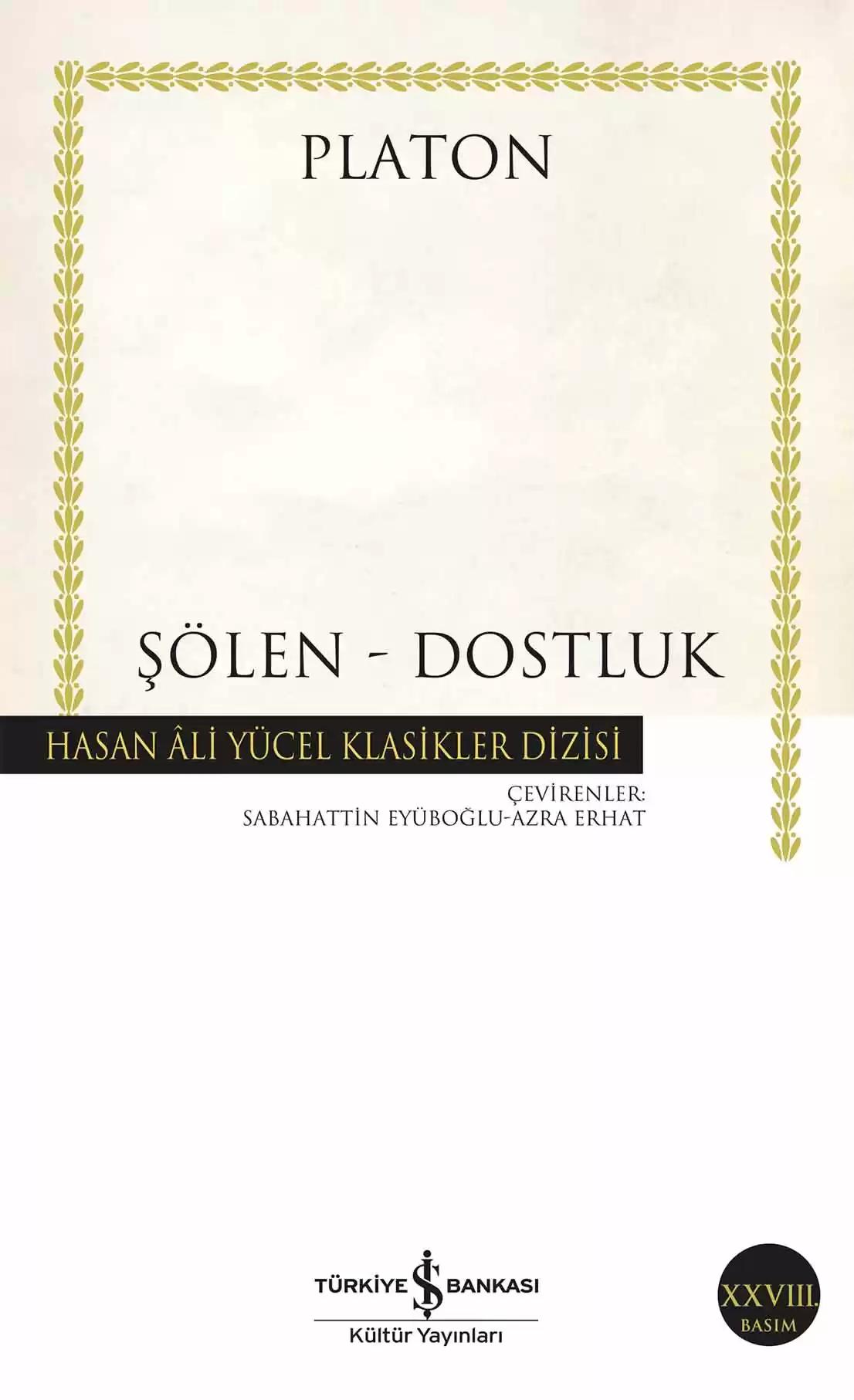
Celebration - Friendship
Plato’s work Symposium is one of the foundational texts of ancient Greek philosophy. Written in the form of a dialogue, it contains philosophical discussions on love (Eros), friendship, and virtue. In the work, Athenian elites engage in speeches about Eros during a drinking party. As the speeches progress, it is emphasized that love is not merely an individual emotion but is also connected to the education of the soul and the attainment of virtue. Today, it is published in Turkish translation by
ENZeynep Şule Bingöl
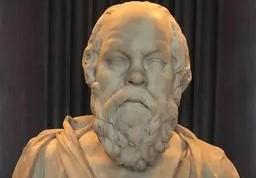
Socrates
Socrates is regarded as one of the foundational figures of ancient Greek philosophy. Living in Athens during the 5th century BCE, he deepened philosophical thought through inquiry and critical dialogue. His teachings and methods have reached us through his students Plato and Xenophon. Life Socrates’ exact birth year is unknown, but he is believed to have been born around 470 BCE in the Alopeke district of Athens. His father, Sophroniscus, was a stonemason, and his mother, Phaenarete, was a midwi
ENBirgül Kayık
ByByzantine Philosophy
Bizantine philosophy refers to the unique form adopted by the Greco-Roman philosophical heritage as it merged with Christianity over a period of approximately one thousand years within the geographical boundaries of the Eastern Roman Empire (Byzantium). This philosophical tradition is not merely the copying and preservation of classical philosophical texts; it is also an intellectual domain in which these texts were reinterpreted at theological, ethical, logical, and metaphysical levels. Bizanti
EN
Aslı Öncan
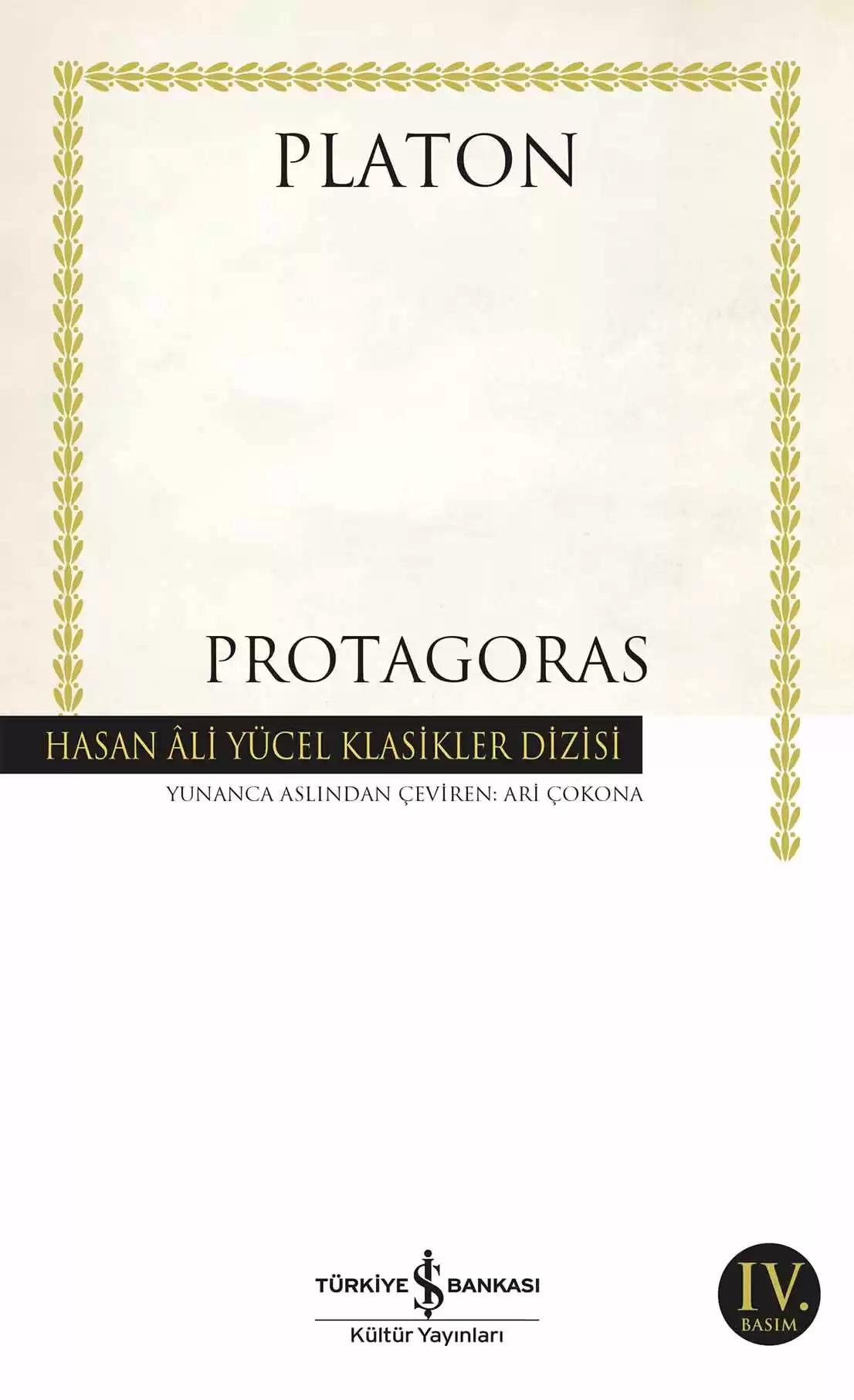
Protagoras (Book)
Plato’s work Protagoras is one of the foundational texts of ancient Greek philosophy. This dialogue between the sophist philosopher Protagoras and Socrates centers particularly on the question of whether virtue can be taught. Regarded as one of Plato’s early dialogues, Protagoras holds significant value for the history of ancient thought due to its philosophical debates and character portrayals. The Turkish translation of the work was published by Türkiye İş Bankası Kültür Yayınları. General Inf
ENZeynep Şule Bingöl
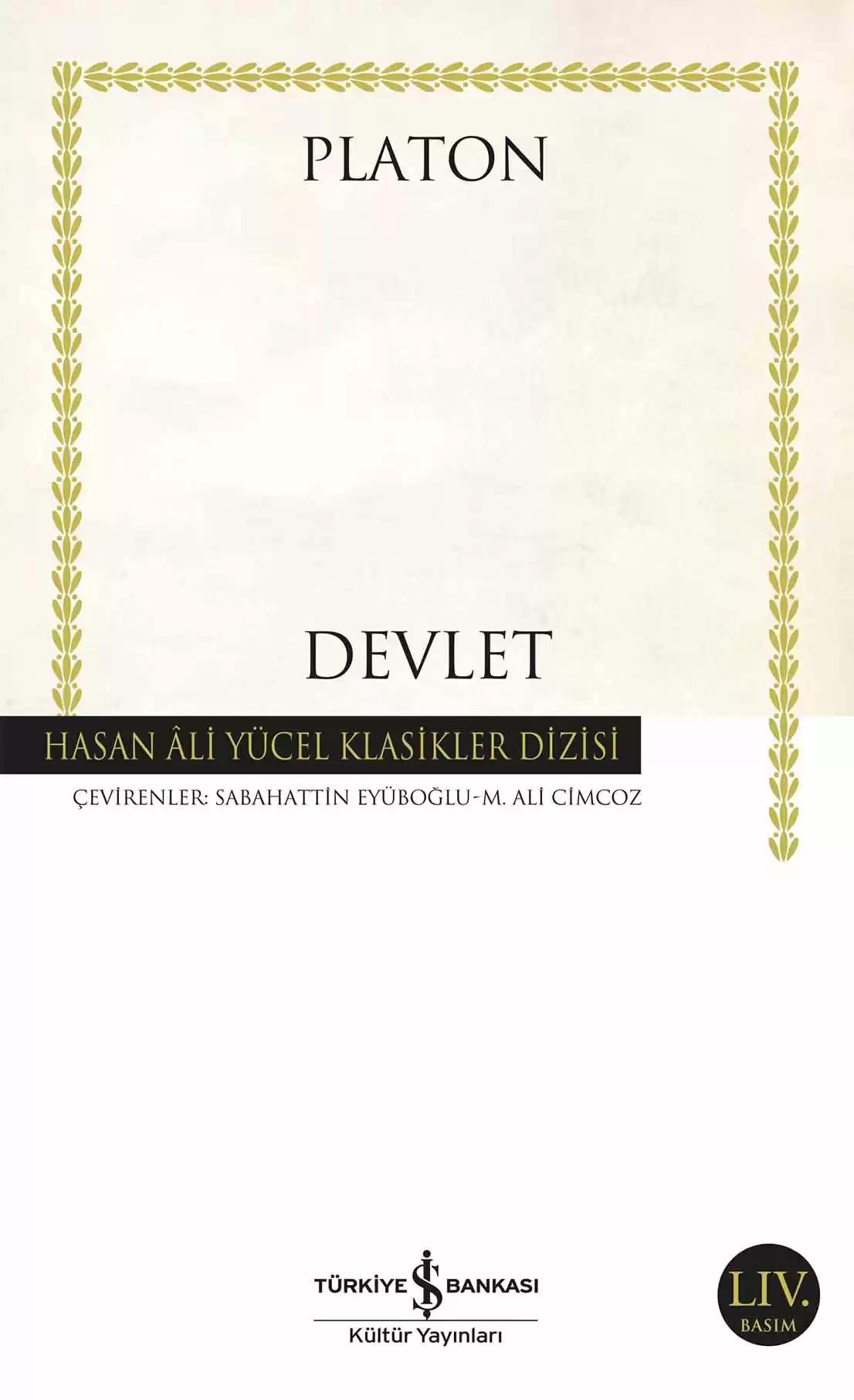
State (Book)
Plato’s work Republic is regarded as one of the most important classics in the history of philosophy. Written in dialogue form, this work examines what an ideal state should be like, grounded in the concept of justice. First composed in the 4th century BCE, Republic stands among the foundational texts of political philosophy and draws attention for both its educational and political dimensions. The current Turkish translation of the work was published by Türkiye İş Bankası Kültür Yayınları. Gene
ENZeynep Şule Bingöl