

`phytoremediation` ile İlgili Madde Sonuçları
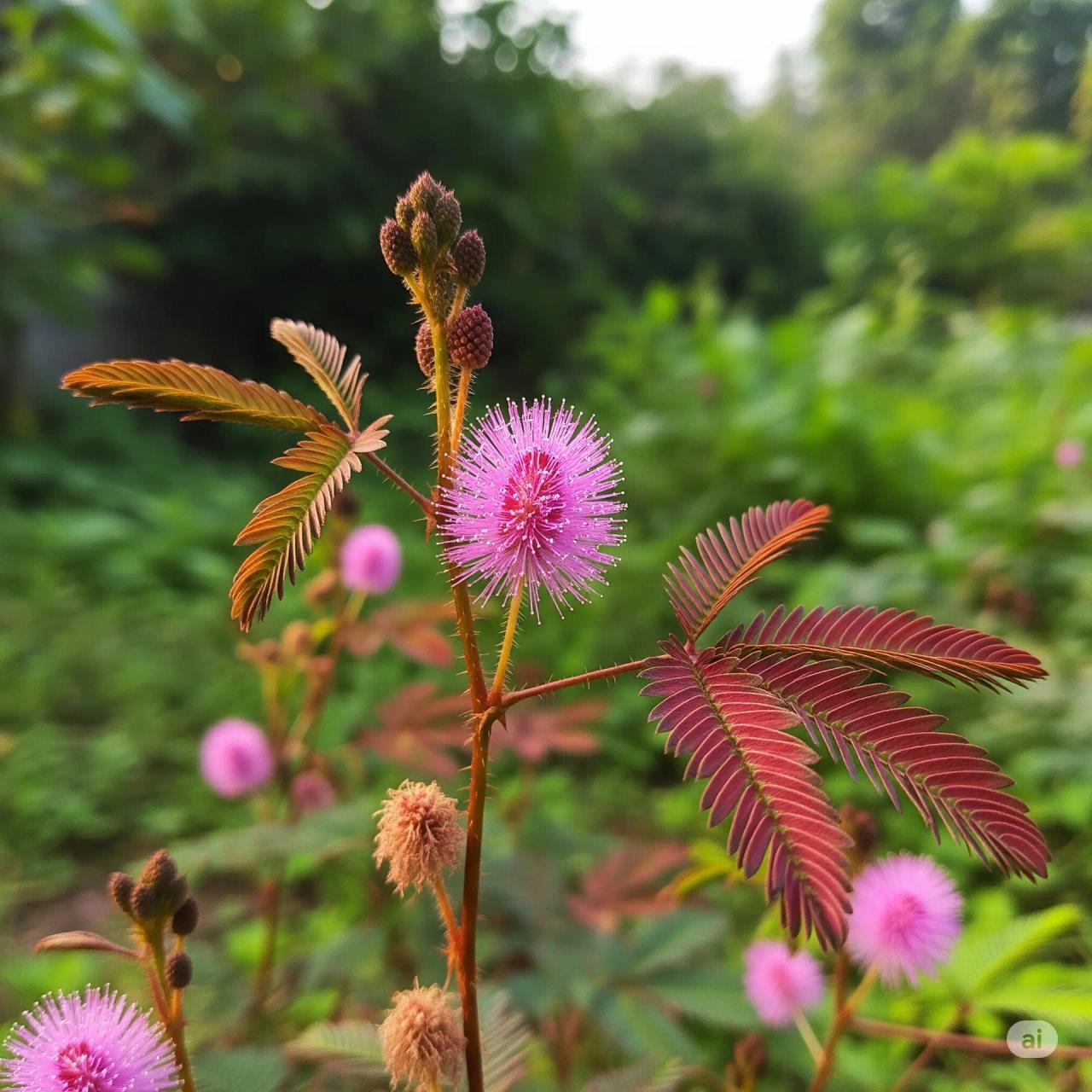
Mimosa Pudica
Mimosa pudica, commonly known as the "sensitive plant" or "touch-me-not," is a tropical, perennial herbaceous species belonging to the Fabaceae (legume) family. This species is renowned for its rapid leaf-folding response to mechanical stimuli such as touch or vibration. This unique trait has contributed to its popularity both in scientific research and as an ornamental plant. Additionally, its use in traditional medicine for various ailments and its content of bioactive compounds with pharmacol
EN
Okan Kanpolat
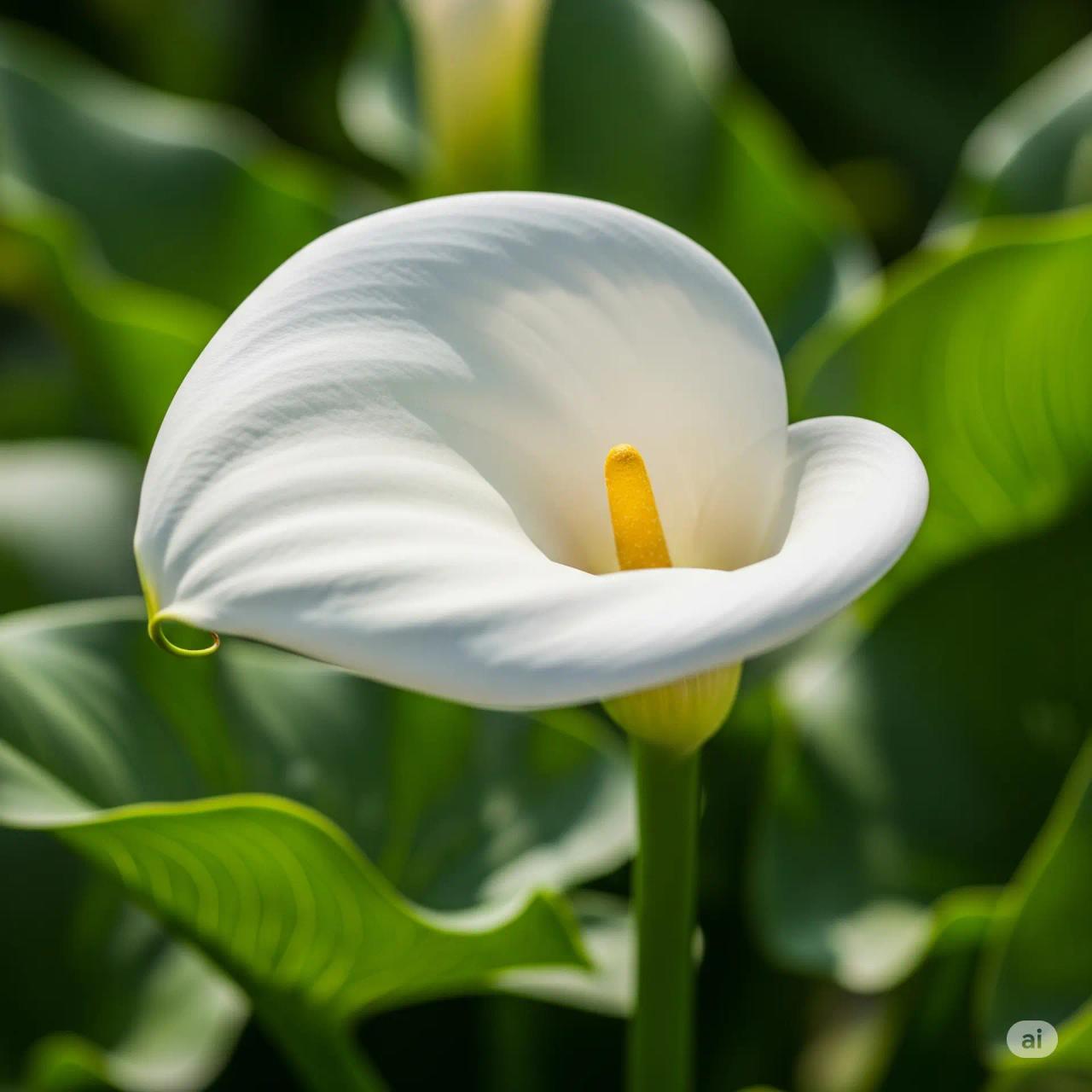
Calla Lily
Zantedeschia aethiopica, commonly known as the "calla lily" or "arum lily," is a perennial herbaceous plant belonging to the Araceae family, native to South Africa. Due to its aesthetic appearance, it is widely cultivated worldwide as an ornamental plant and is also utilized in traditional medicine and environmental applications. This species is notable for its morphological features, phytochemical constituents, and ecological adaptations. Plant Morphology The calla lily is an evergreen plant wi
AZOkan Kanpolat
 En
EnEndophytic Plants
Endophytic plants are plants that form symbiotic relationships based on mutual benefit with microorganisms living within their tissues—particularly fungi and bacteria. These microorganisms are called “endophytes” and colonize plant tissues (roots, stems, leaves, seeds, flowers) where they complete their life cycles alongside the host plant. Endophytes colonize without harming the plant and often provide benefits. The term “endophyte” is derived from the Greek words endo (inside) and phyton (plan
EN
PINAR GÜNER
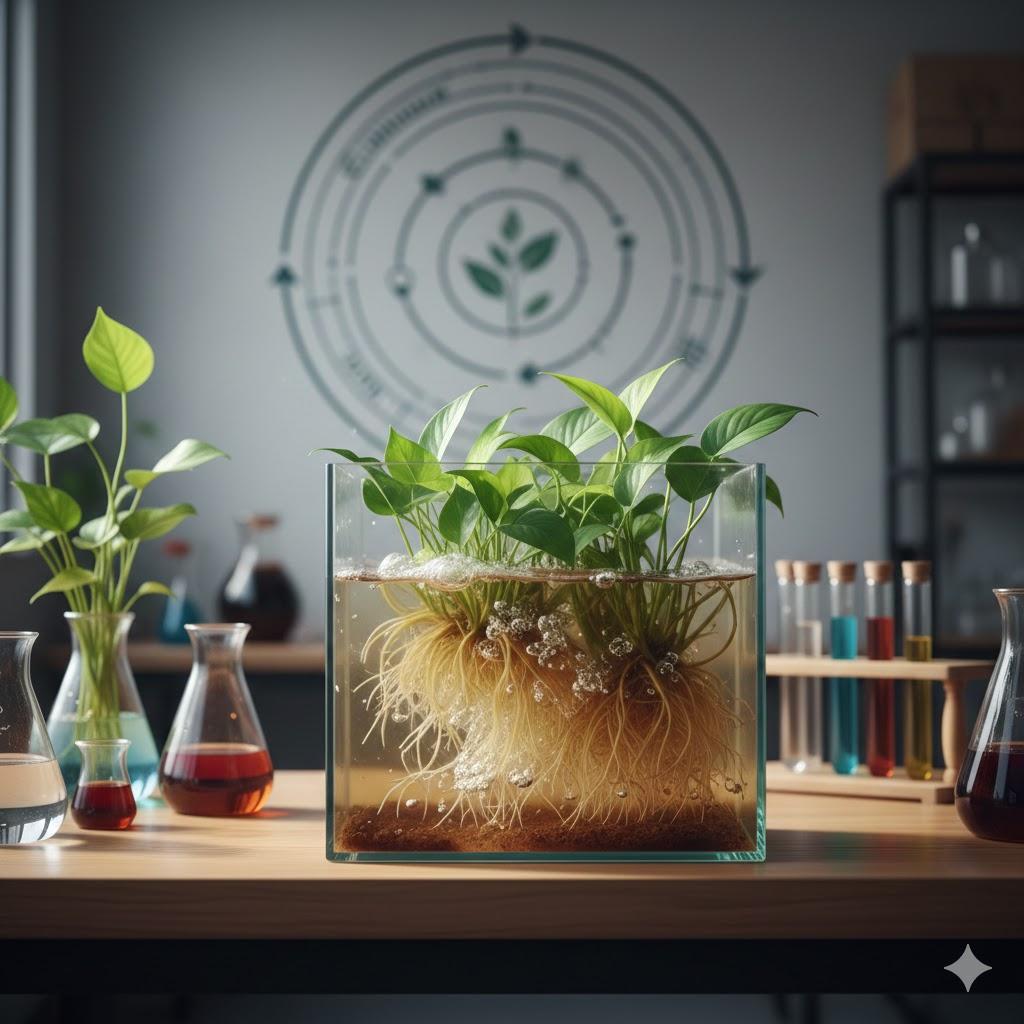
Phytoremediation
Phytoremediation is an environmental remediation technology that involves the removal, degradation, or detoxification of organic and inorganic pollutants in soil, water, and sediments using plants. Due to its lower cost and ability to preserve ecosystem integrity compared to physical and chemical treatment methods, it is employed as a plant-based remediation technique. This method is primarily preferred for the cleanup of low- and medium-risk contaminated sites, as it enables in-situ remediation
EN
Sevde Köktaş