

`modulus-of-elasticity` ile İlgili Madde Sonuçları
 Yo
YoYoung's Modulus
The concept of the modulus of elasticity was first introduced by the British physicist and physician Thomas Young in 1807. For this reason, the term is often referred to in the literature as Young’s Modulus. By developing this concept, Young provided a quantitative means of describing how materials deform under mechanical forces. Definition The modulus of elasticity (E) is a measure of a material's tendency to deform when a force is applied. It quantifies the ratio of stress (force per unit area
EN
Elyesa Köseoğlu
YoYoung's Modulus
The concept of the modulus of elasticity was first introduced by the British physicist and physician Thomas Young in 1807. For this reason, the term is often referred to in the literature as Young’s Modulus. By developing this concept, Young provided a quantitative means of describing how materials deform under mechanical forces. Definition The modulus of elasticity (E) is a measure of a material's tendency to deform when a force is applied. It quantifies the ratio of stress (force per unit area
TRElyesa Köseoğlu
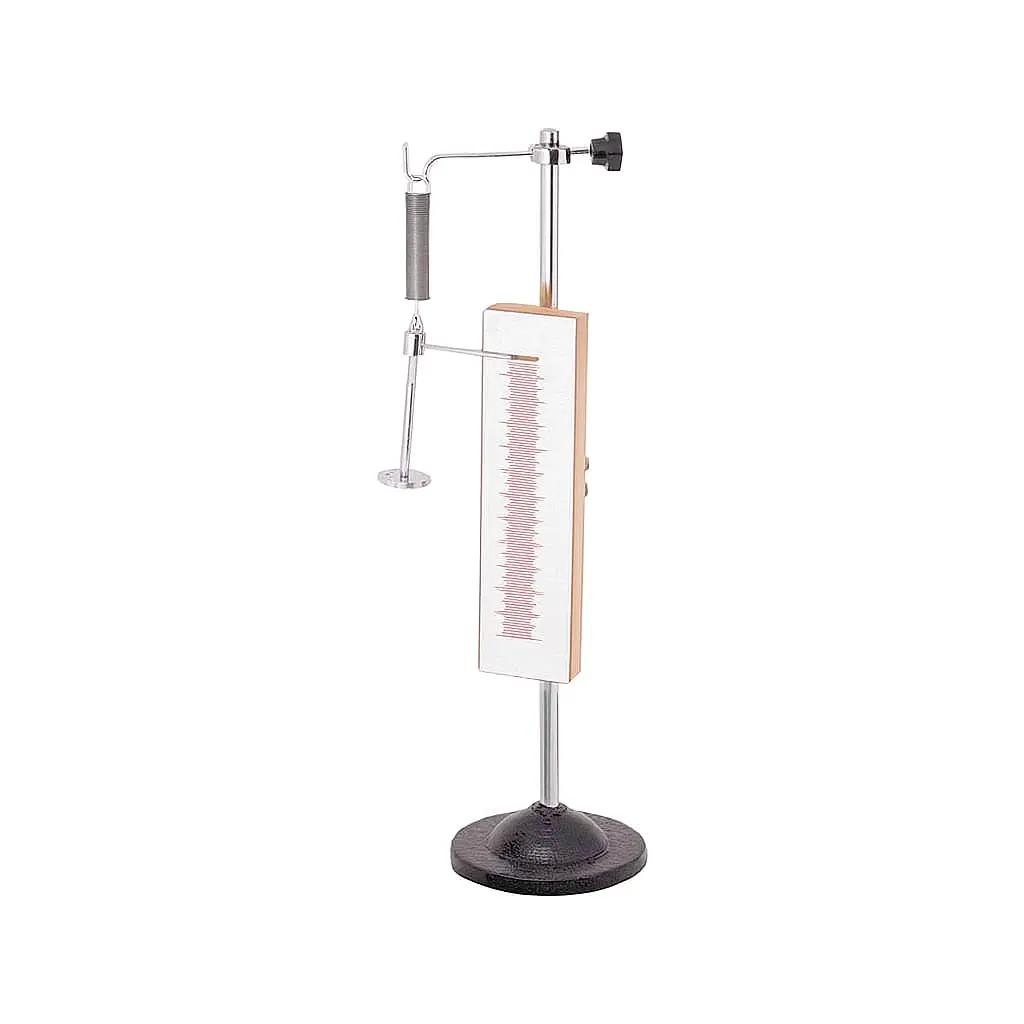
Hooke’s Law
Hooke’s Law emerged during the 17th-century Scientific Revolution, particularly alongside advancements in mechanics and materials science. The English scientist Robert Hooke introduced this law in his 1678 publication titled “Lectures de Potentia Restitutiva, or of Spring.” Through experiments on various spring systems, Hooke discovered that there is a constant ratio between the deformation of an elastic object and the force applied to it. This ratio varies depending on the material and geometry
EN
Sümeyye Akkanat Terzioğlu