

`matter` ile İlgili Madde Sonuçları
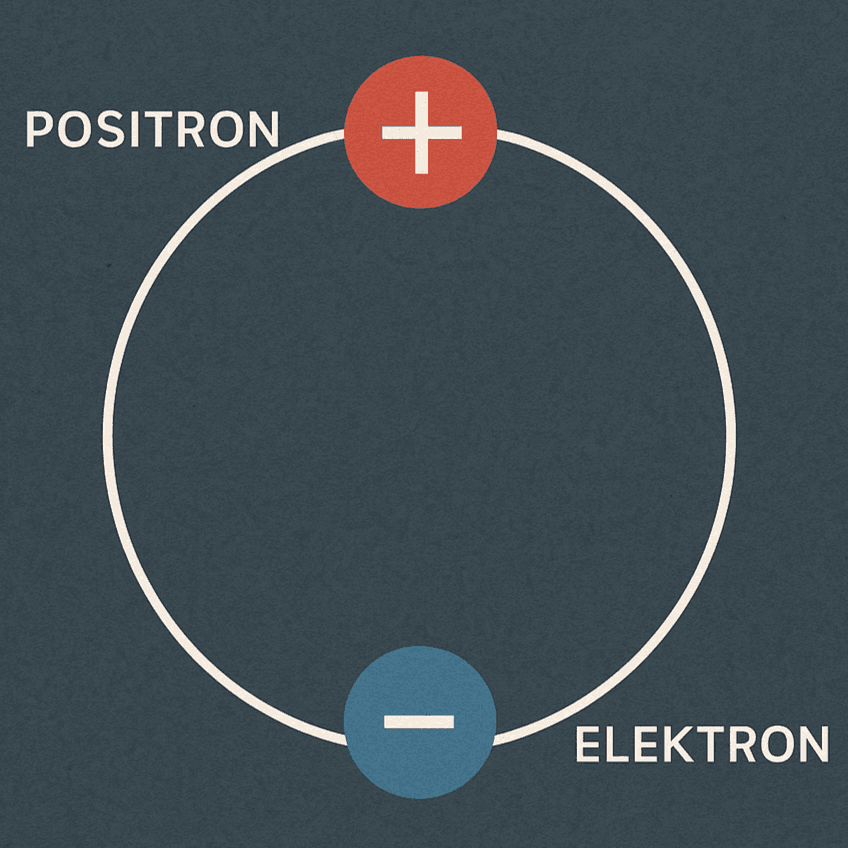
Positronium
Positronium (Ps) is an exotic atom consisting of an electron (e⁻) bound to its antiparticle, the the positron's (e⁺), by the Coulomb force. It has a structure similar to the hydrogen atom but contains a positron instead of a proton. This composition makes Ps a unique model for studying particle-antiparticle systems. The existence of positronium was first predicted theoretically by Mohorovičić in 1934. Its spectroscopic structure was calculated by Ruark in 1945, and its binding energy and lifetim
EN
Muhammed Mehdi İleri

Mixtures
Mixture is a collection formed by the combination of different types of atoms and molecules. substance substances consist either of a single element or a single compound, but most but substances are neither a single element nor a single compound. Many objects we encounter in daily life are not pure and belong to the category of mixtures. For example, the air we breathe, the food we eat chocolate, and the milk we drink are all examples of mixtures. General Properties of Mixtures The chemical prop
EN
Sude Nur Akgül

What Is a Transparent Substance?
Transparent materials are substances that allow nearly all incoming light to pass through, enabling clear visibility of objects behind them. Since light passing through such materials does not change direction, the image remains undistorted. For example, we can easily see the landscape behind a window because glass is a transparent material. 🔬 Physical Properties Transmits light: Transparent materials allow most light to pass through. Provides clear images: Objects behind them can be seen disti
EN
Berranur Öksüzömer
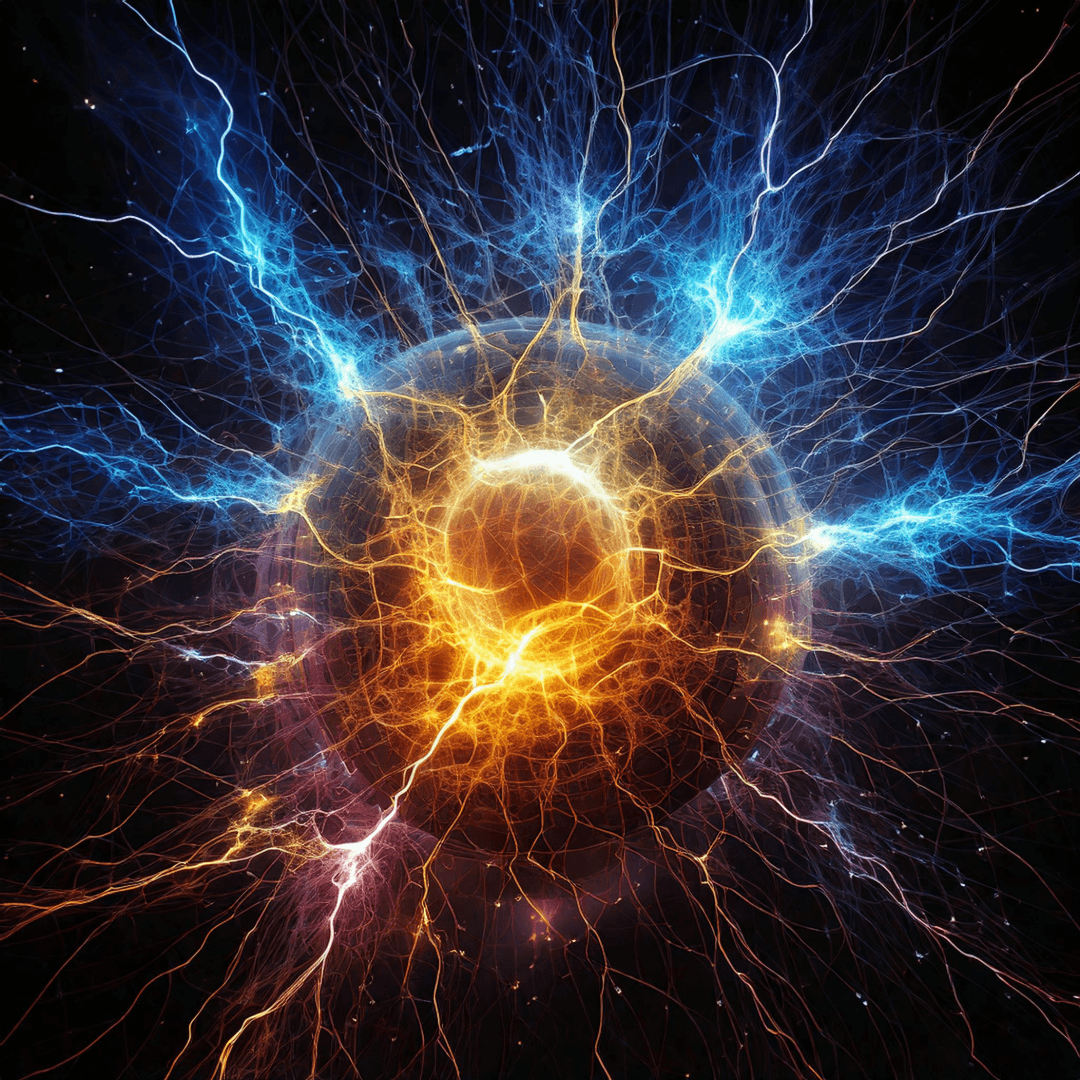
Plasma Physics
Plasma Physics is a branch of physics that studies the properties, formation, and behavior of plasma, the most common state of matter in the universe. Following the solid, liquid, and gas states, plasma is an ionized gas at high energy levels. In other words, it can be defined as an environment consisting of free electrons and ions, which are formed when atoms lose their electrons. What is Plasma? Plasma is considered the fourth state of matter. When a gas is heated sufficiently or subjected to
TR
Mustafa Güven
Plasma Physics
Plasma physics is a branch of physics that studies the properties, formation, and behavior of plasma, the most common state of matter in the universe. Following the solid, liquid and gas states, plasma is one ionized gas at at high energy levels. In other words, it can be defined as an environment consisting of free electrons and ions, which are formed when atoms lose their electrons. What is Plasma? Plasma is considered the fourth state of matter. When a gas is heated sufficiently or subjected
EN
Mustafa Güven

Mixtures
Mixture is a collection of substances formed by the combination of different types of atoms and molecules. Pure substances consist of either a single element or a single compound but most substances are neither a single element nor a single compound. Many objects we encounter in daily life are not pure and belong to the category of mixtures. For example, the air we breathe, the chocolate we eat, and the milk we drink are all examples of mixtures. General Properties of Mixtures The chemical prope
ENSude Nur Akgül
Plasma Physics
Plasma Physics is a branch of physics that studies the properties, formation, and behavior of plasma, the most common state of matter in the universe. Following the solid, liquid and gas states, plasma is an ionized gas at high energy levels. In other words, it can be defined as an environment consisting of free electrons and ions, which are formed when atoms lose their electrons. What is Plasma? Plasma is considered the fourth state of matter. When a gas is heated sufficiently or subjected to h
ENMustafa Güven
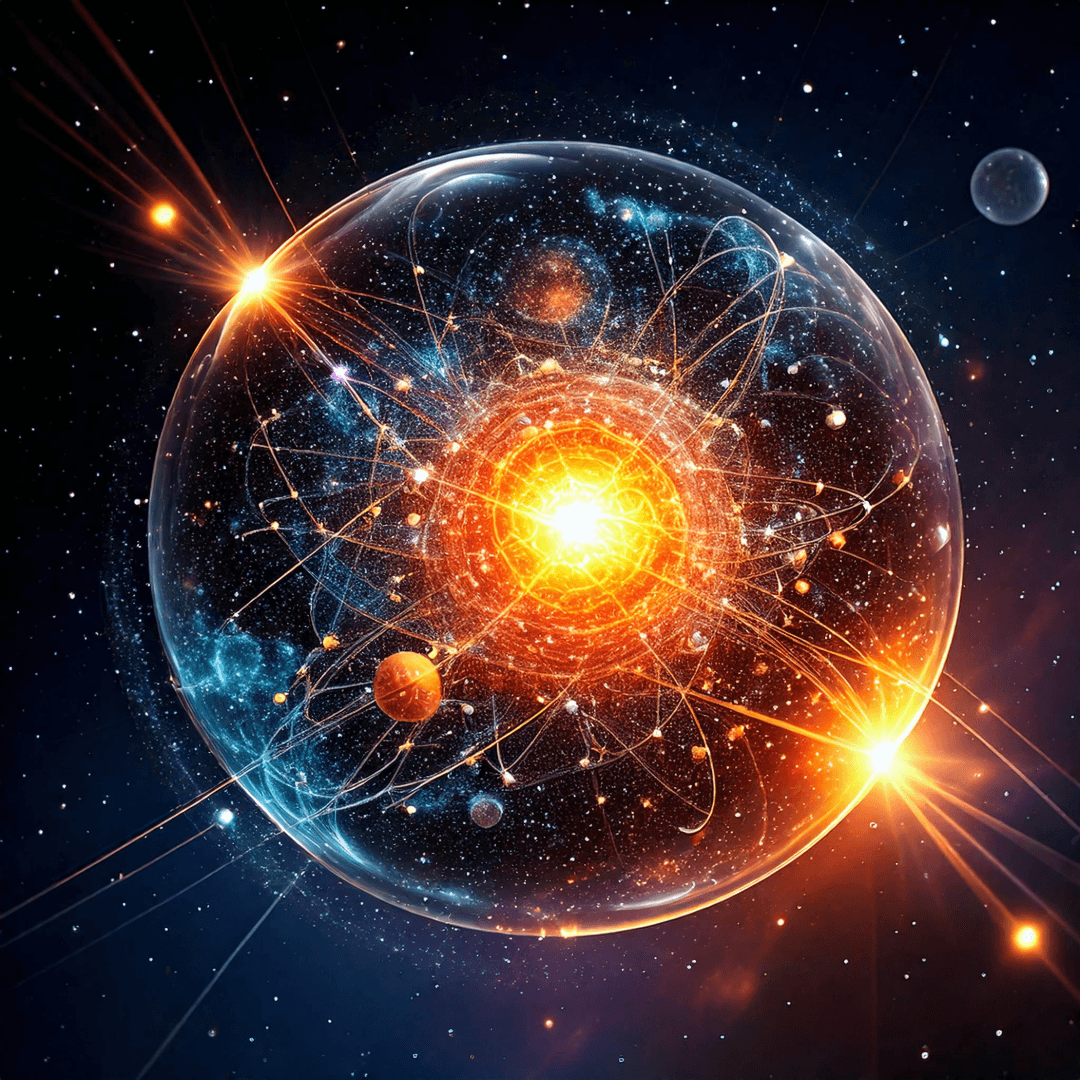
Particle Physics
Particle physics is a branch of science that studies the most fundamental building blocks of matter and the interactions between these building blocks. Everything in the universe is made up of these fundamental particles. How these particles interact with each other determines the structure and functioning of the universe. Fundamental Particles and the Standard Model The Standard Model is the most well-understood and experimentally verified theory of particle physics today. According to this mod
ENMustafa Güven
 Da
DaDark Matter and Dark Energy: The Mysterious Twins of the Universe
The universe contains far more than just observable matter; astronomers have discovered that a large portion of the universe is filled with two mysterious components—dark matter and dark energy—that cannot be directly observed but whose existence is inferred from gravitational effects. Dark Matter: The Skeleton of the Universe Dark matter is a type of matter that does not emit or absorb light, making it undetectable through direct observation. Its existence has been proven through observations s
ENMustafa Güven
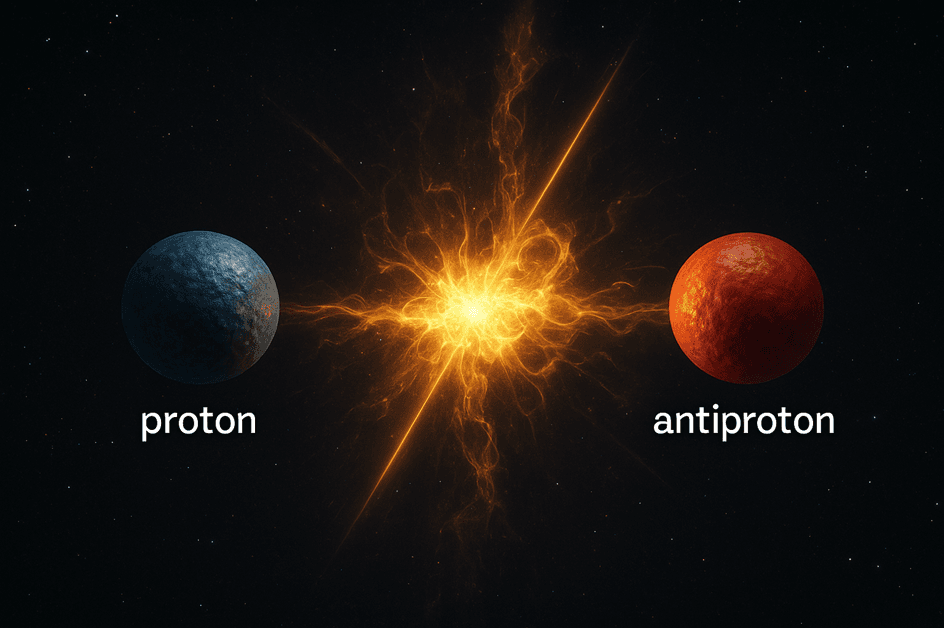
Antimatter
Antimatter is a type of matter composed of antiparticles, each of which has the same mass as the fundamental particles in the universe but opposite electric charge. In the context of modern physics, antimatter can be described as the mirror image of matter. The antiparticle of the electron is the positron, that of the proton is the antiproton, and that of the neutron is the antineutron. When antimatter comes into contact with matter, it transforms into energy through a process known as annihilat
ENMuhammed Mehdi İleri