

`malatya` ile İlgili Madde Sonuçları
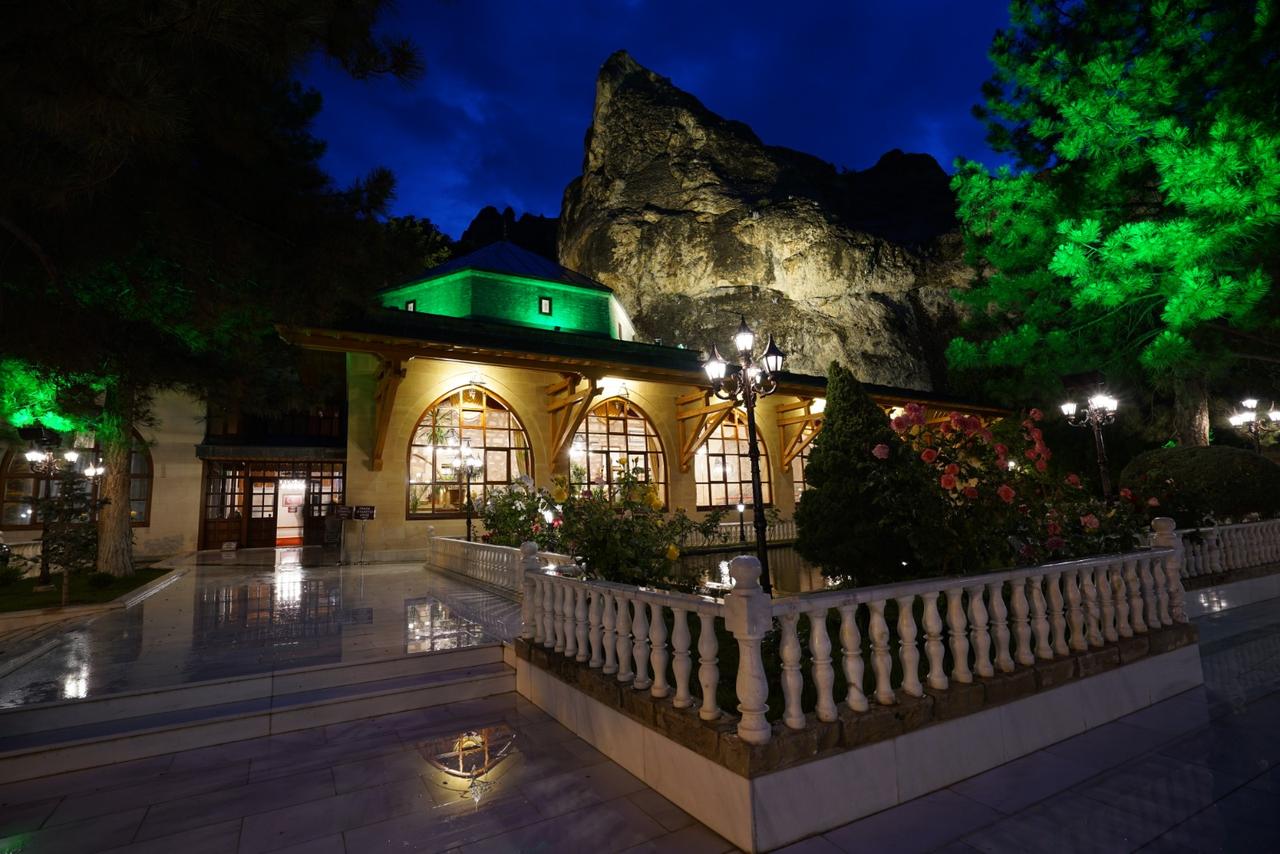
Somuncu Baba Mosque and Tomb
The Sheikh Hamid-i Vali (Somuncu Baba) Mosque and Tomb is a religious and cultural heritage site located in the Zaviye Neighborhood of Darende District, Malatya Province, Türkiye, beside the Tohma River. This complex is also known as the Somuncu Baba Külliyesi and comprises a multifaceted ensemble of structures including a mosque, tomb, cemetery, museum, library, fish pond, crown gate, additional mosques, and social facilities. Sheikh Hamid-i Vali (Somuncu Baba) Sheikh Hamid-i Vali, who lived in
EN
Beyzanur KOVANTÜRK

Akçadağ Pear
Akçadağ Pear is a local pear variety grown in the Akçadağ district of Malatya, Türkiye. It is distinguished by its unique structural, chemical, and cultural characteristics. This product, which is geographically limited to the Akçadağ district, is consumed both fresh and dried and holds economic significance for the region. Akçadağ Pear on the Branch (Generated by Artificial Intelligence) " image-element-format="right" image-source="https://cdn.t3pedia.org/media/uploads/2025/08/09/YNCn2lGddCOQpd
EN
Sevgi Kıraç
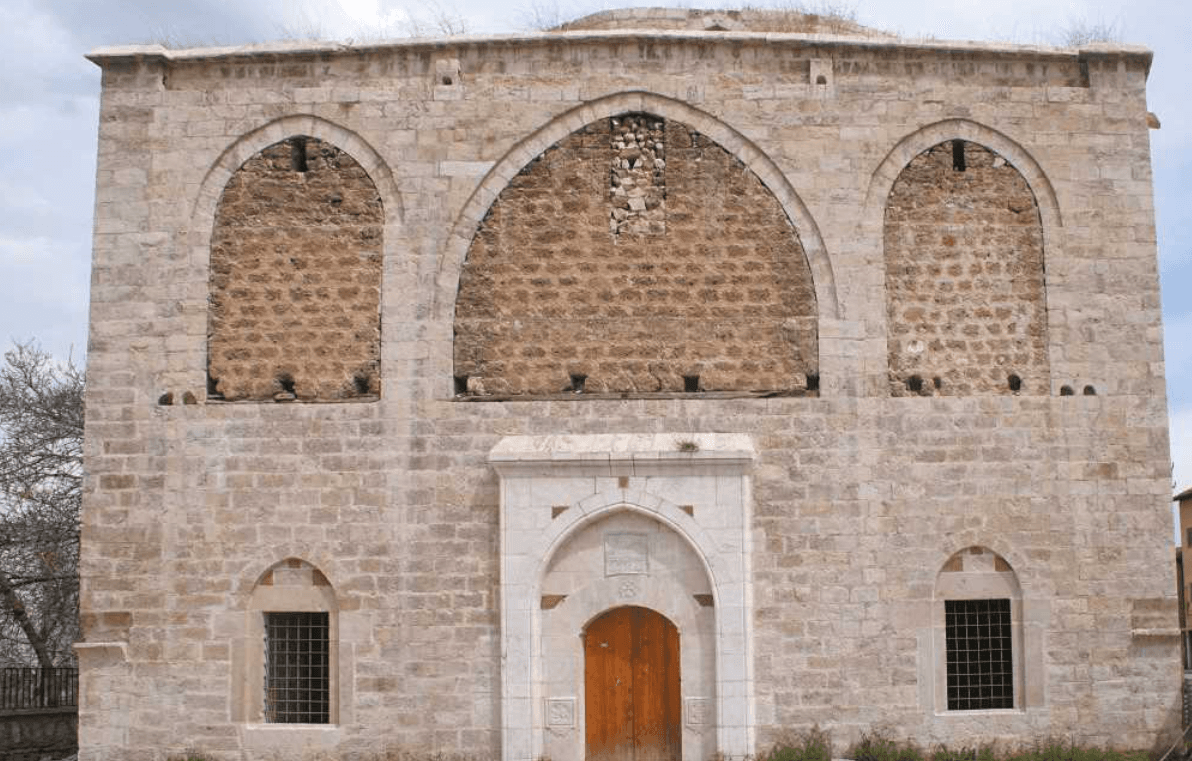
Taşhoron Church
Taşhoron Church, located in the Çavuşoğlu neighborhood of Yeşilyurt district in Malatya city center, was built as an Armenian Apostolic Church. Although the year of construction and by whom is unknown, it is estimated that it was built in the second half of the 1700s. The church, which has a rectangular basilical plan measuring 15.90x26.40 meters in east-west direction, is made of cut stone. The earthen dome made of brick in the center of the building survived until the late 1970s. The churchyar
EN
Seher Gökalp
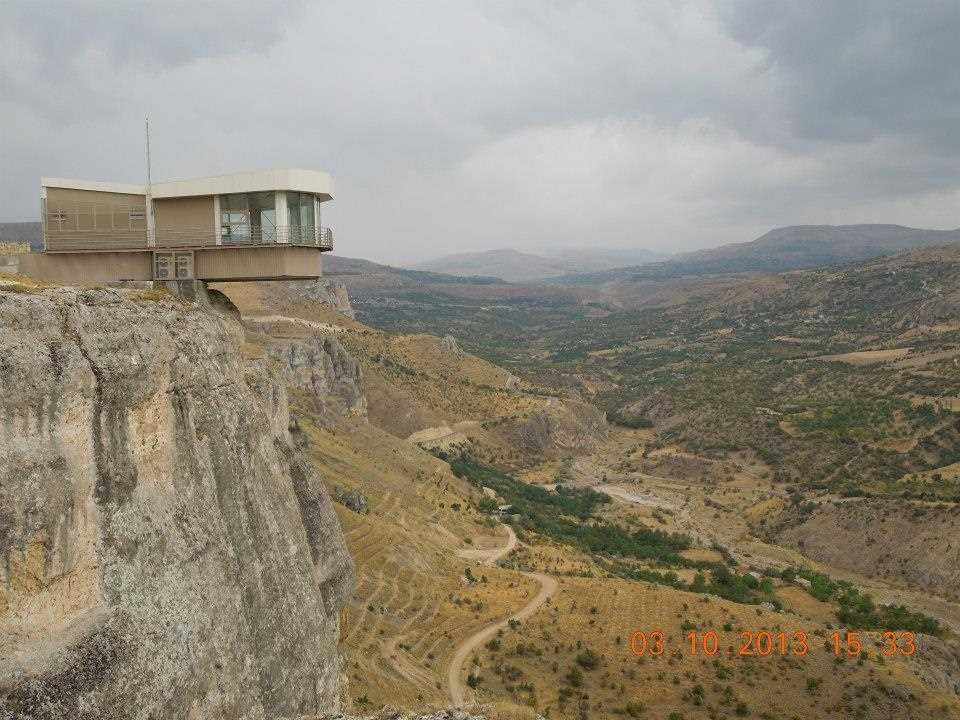
Levent Valley
Levent Valley is located in the Levent neighborhood within the Akçadağ district of Malatya Province in Türkiye’s Eastern Anatolia Region. It is situated approximately 45 kilometers from the city center of Malatya. Geological Structure The valley features geological formations dated to approximately 65 million years ago. The area consists of a natural landscape characterized by rock formations caves and steep slopes. Levent Valley has a length of approximately 28 kilometers. Infrastructure and Fa
EN
Zelal Çakar
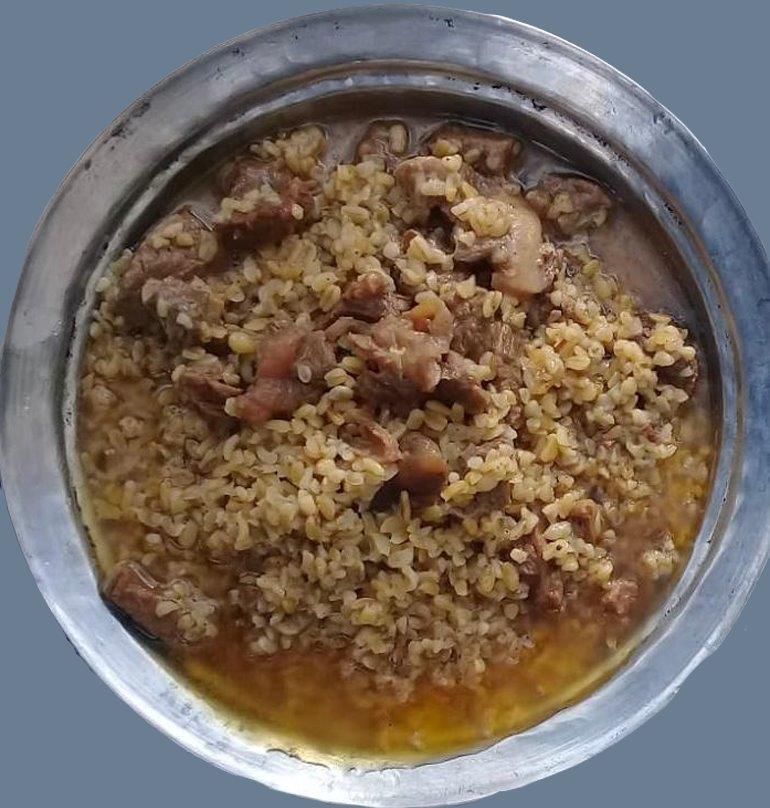
Akçadağ Pilavı
Akçadağ pilaf is a geographically registered dish unique to the Akçadağ district of Malatya Province in Türkiye. It is prepared using bulgur made from kundura wheat and meat from small livestock, particularly lamb or mutton, with cuts such as ribs, hind leg, foreleg, and back diced into small pieces and cooked in butter and tail fat. Seasoned with black pepper, this pilaf holds an important place in Akçadağ’s culinary culture and is consumed both in daily meals and on special occasions such as e
EN
Sabiha Meyra Şahinler
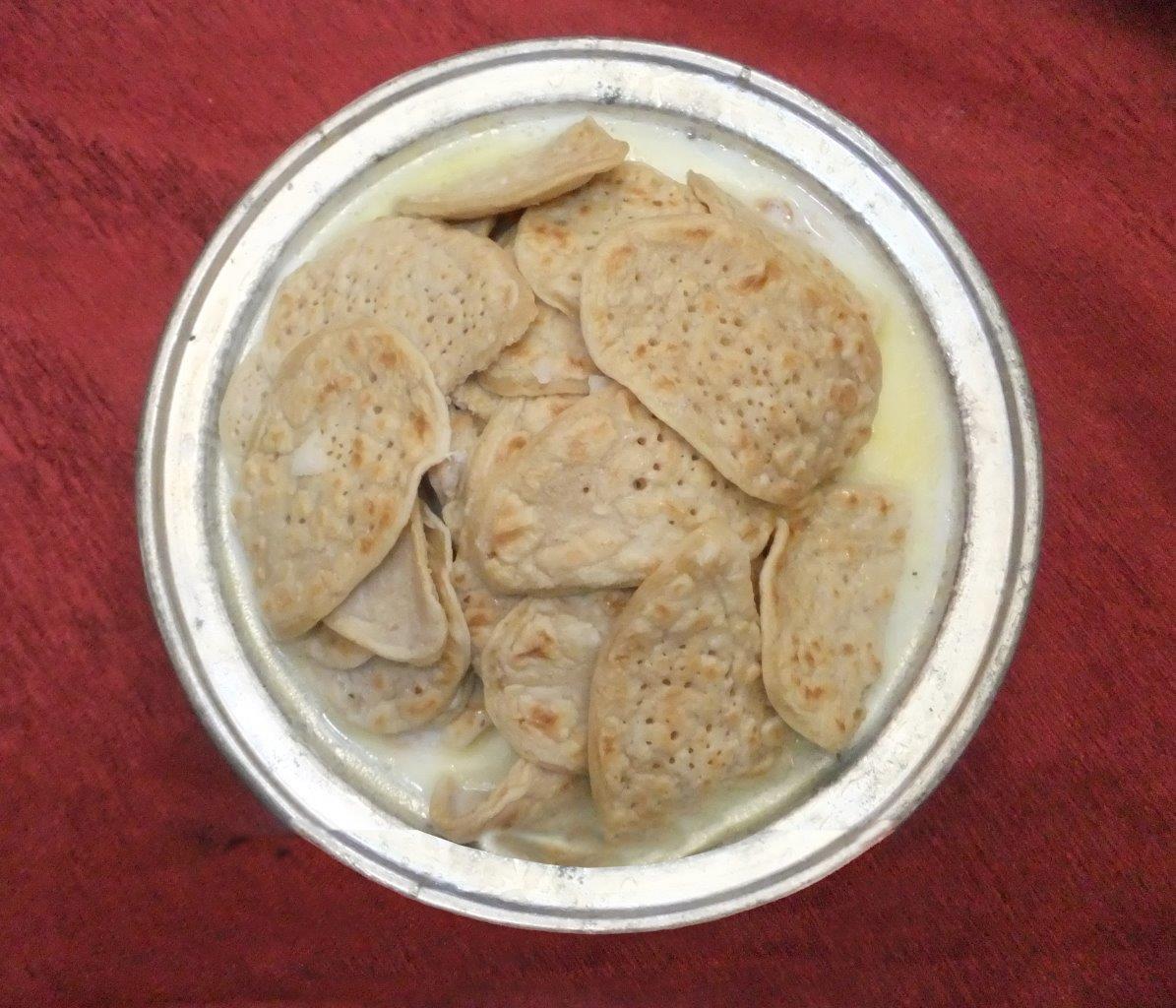
Arapgir Akıtma Bıciği
Arapgir Akıtma Bıciği is a traditional dish unique to the Arapgir district of Malatya, officially registered with a geographical indication. The dish is made from a liquid dough prepared with wheat flour, egg, water, liquid oil, and salt, which is cooked lightly on both sides on a greased metal sheet. Once cooked, the dough pieces are topped with a sauce made from melted butter, milk, and crushed garlic, and the dish is served cold. The composition of this sauce, which reflects regional characte
ENSabiha Meyra Şahinler

Arapgir Manusa Weave
Arapgir Manusa Weaving is a shuttle-woven handloom textile produced in the Arapgir district of Malatya, using wool and cotton yarns woven on jacquard looms with patterned and embroidered motifs. For the patterns, 20-count yarn is preferred, while 40-count yarn is used for the warp; the width and thickness of the fabric vary depending on the final product. This weaving is widely used in the production of pillows, quilt covers, shirts, trousers and other items, and is manufactured in various color
ENSabiha Meyra Şahinler
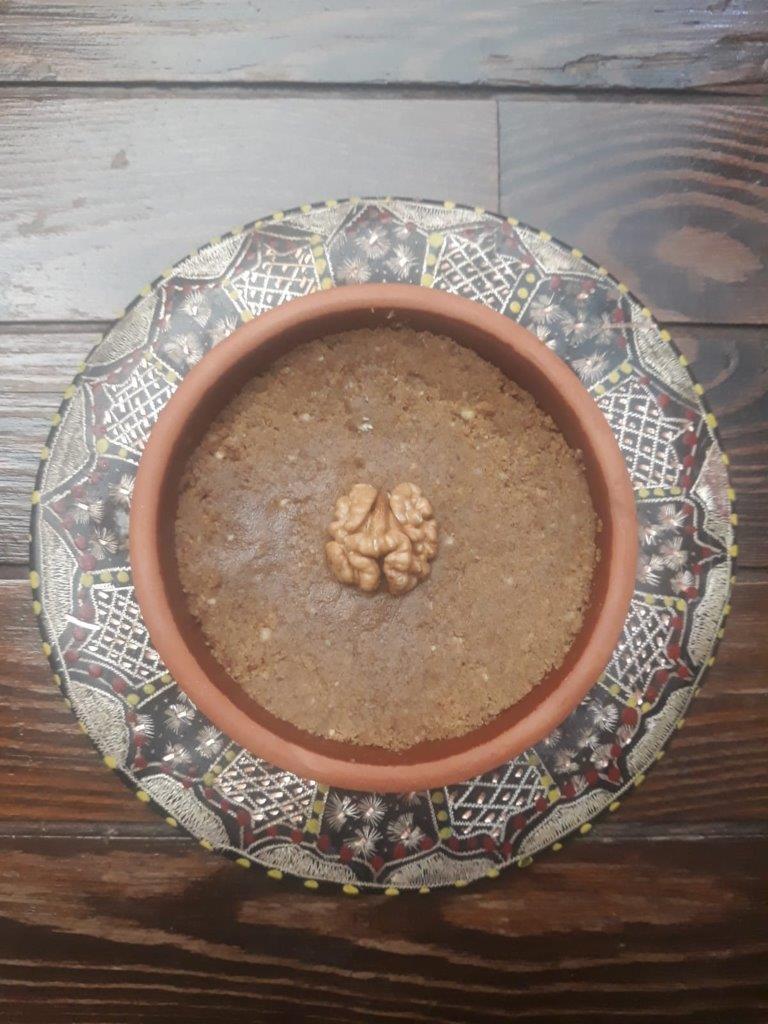
Arapgir Pohmutu / Pohmut
Arapgir Pohmutu / Pohmut is a traditional confection unique to the Arapgir district of Malatya Province, primarily composed of dried mulberries. This product is officially registered with a geographical indication mark. It is prepared by grinding dried mulberries into a flour and then adding Hekimhan walnut, almond, and Malatya apricot kernel. The production process depends on the region’s climate, agricultural characteristics, and local craftsmanship, with all stages carried out exclusively wit
ENSabiha Meyra Şahinler
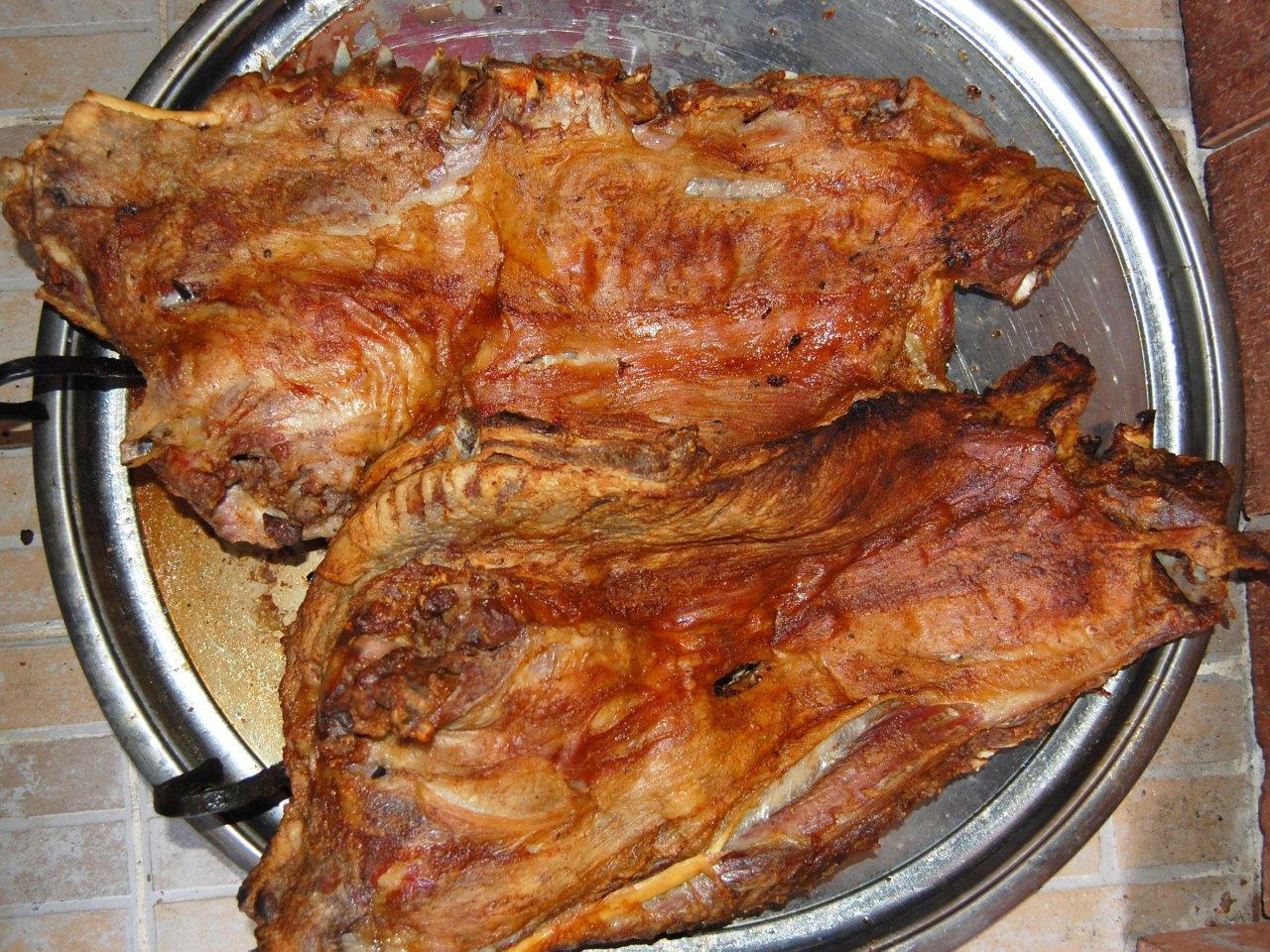
Arapgir Tandır Kebabı
Arapgir tandır kebabı is a traditional kebab variety unique to the Arapgir district of Malatya and is officially registered with a geographical indication. It is prepared using carcass meat from yearling castrated goats raised in the natural environment of the Arapgir Sarıçiçek Pasture. After the ribs and shoulder bones are removed and the meat is salted, it is threaded onto long skewers and roasted for 3 to 5 hours in a tandır, a special oven heated by burning oak wood until it becomes embers.
ENSabiha Meyra Şahinler
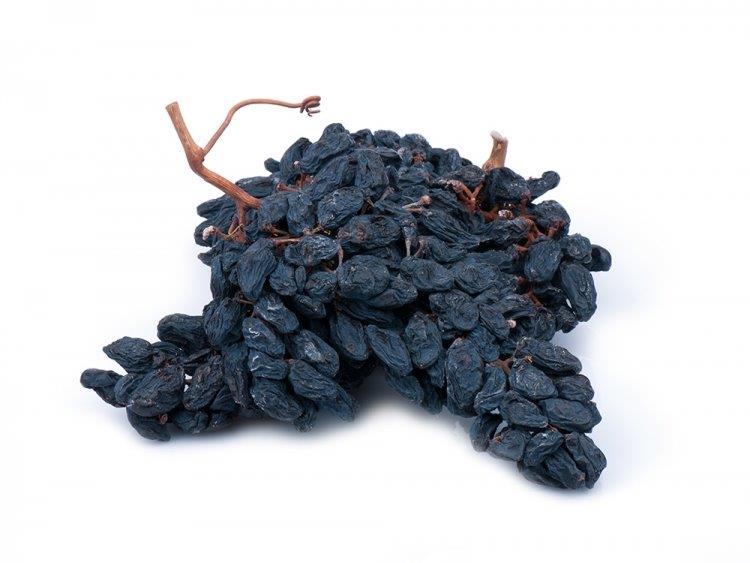
Malatya Banazı Karası Grape
Malatya Banazı Karası Üzümü is a seeded, black-skinned grape variety native to Malatya Province in Türkiye, belonging to the species Vitis vinifera L. Due to its high tannin content in the skin, it has a bitter taste and is rarely consumed fresh; instead, it is typically dried naturally and marketed in this form. Its distinctive feature is that it is dried whole with the bunch intact. Ripening is completed in September, and the water-soluble dry matter content in dried berries ranges between 26%
ENSabiha Meyra Şahinler