

`logic` ile İlgili Madde Sonuçları
Psychologism
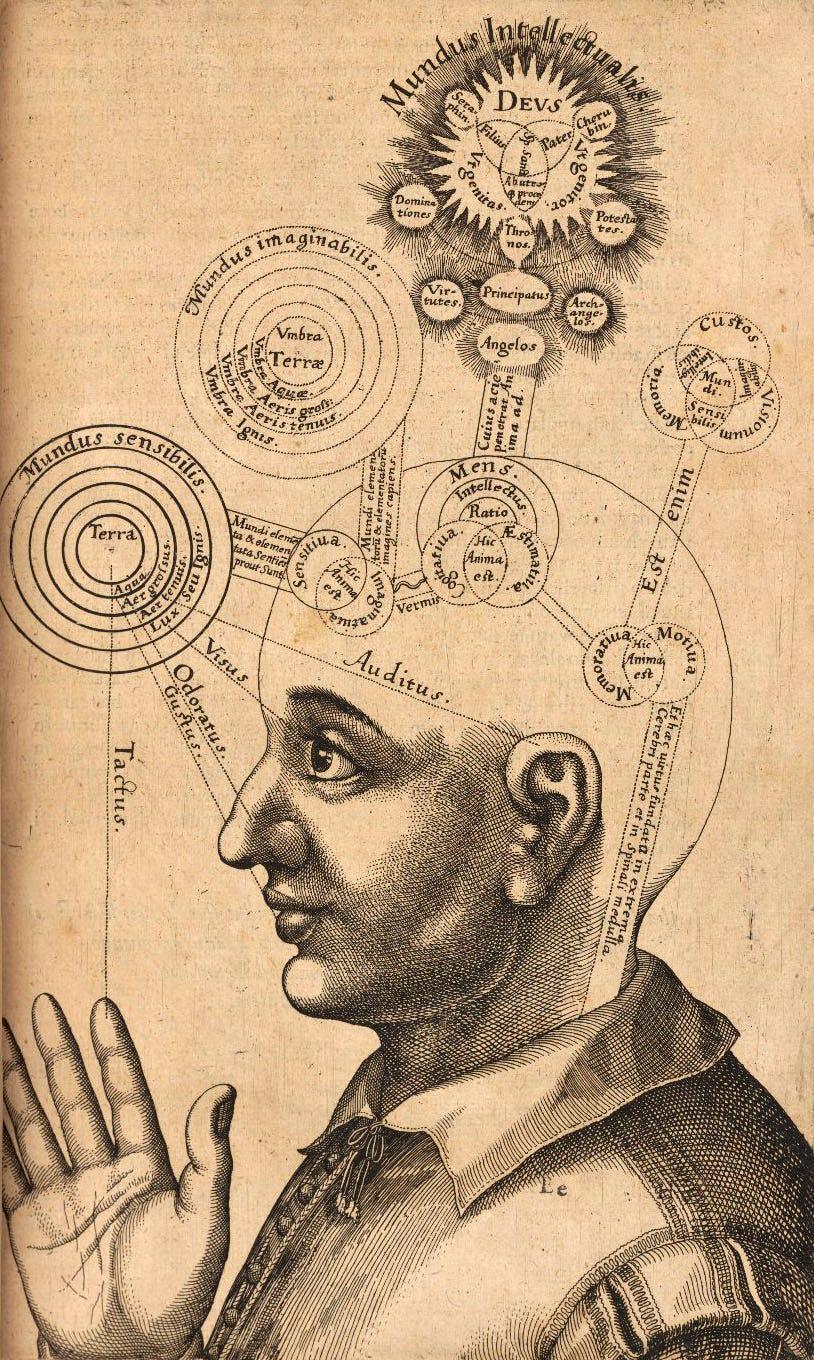
Psychologism is a stance in the philosophy of logic that fundamentally reduces logical and mathematical truths to psychological facts. For instance, the psychologistic position holds that the laws of logic themselves carry no intrinsic meaning but are merely psychological laws describing how the mind thinks. Historically, those who advocated psychologism as an intellectual movement adopted this stance. This current of thought characterizes certain attitudes displayed by some thinkers in 19th-cen
EN
M. Esad Çetin

Red Ringa Fish Misconception
Red herring fallacy, also known as the red herring fish fallacy (red herring fallacy), is a method of diverting attention from the main issue by introducing an irrelevant but attention-grabbing element into the discussion. This type of fallacy belongs to the category of fallacies of relevance.Historical OriginThe term was introduced in 1807 by the English journalist William Cobbett using the example of smoked herring. Herring (herring) is a species of fish found in the North Atlantic. When dried
EN
Erdem Erden
Leibniz's Universal Language Project
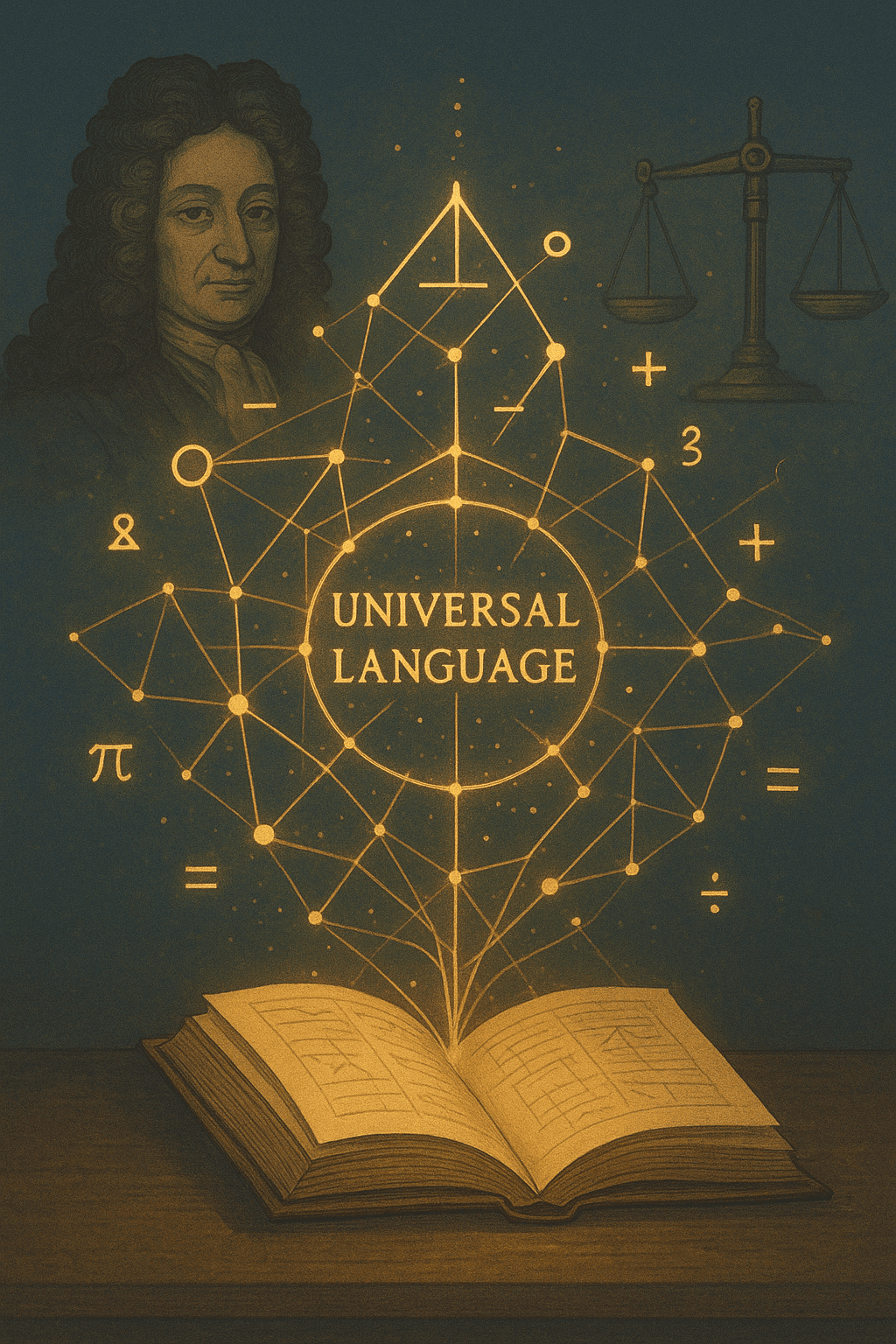
Leibniz’s Universal Language Project (Latin: characteristica universalis) is a philosophical and logical endeavor developed by 17th century philosopher Gottfried Wilhelm Leibniz with the aim of representing thoughts in a universal form and making reasoning calculable. Leibniz designed this project not merely as a language to facilitate communication but also as a rational writing system that reflects the workings of the human mind. The project is later regarded as one of the precursors to the co
EN
Esra Can
 Ze
ZeZeno's Paradoxes
Zeno’s Paradoxes are a series of philosophical arguments developed by the philosopher Zeno, who lived in the 5th century BCE in the city of Elea in Southern Italy. These arguments reveal contradictions between common sense and logical analysis regarding the nature of motion, plurality, space, and time. In the history of philosophy, these paradoxes were designed to defend the monist doctrine of Parmenides, founder of the Eleatic School, who claimed that reality is “One,” unchanging, indivisible,
ENYunus Emre Yüce

Aristotle
Aristotle, or simply Aristotle, was a renowned philosopher and sage who lived in ancient Greece in very distant times. A philosopher is someone who seeks to understand life, nature, and humanity. Aristotle was curious about many subjects: the sky, animals, cities, and even how people achieve happiness…Have you ever tried different approaches while searching for an answer to a question? Aristotle did exactly that: he began to think by asking, “How can I understand this?”Childhood and EducationAri
EN
İbrahim Mert Akbaş
FuFuzzy Logic (dictionary)
Fuzzy logic is a mathematical theory that represents sets defined by uncertain and imprecise boundaries. It is also known as "bulanık mantık" in Turkish. Fuzzy logic is an approach used for decisions made with uncertain and imprecise data. Unlike traditional logical systems, memberships are expressed within a specific range of values (between 0 and 1), which indicates the degree of membership of an element in a set. For example, if a person is 45 years old, it is not possible to definitively def
ENMevlüt Acar
Empathy or Logic? Seeking Balance in Human Relationships
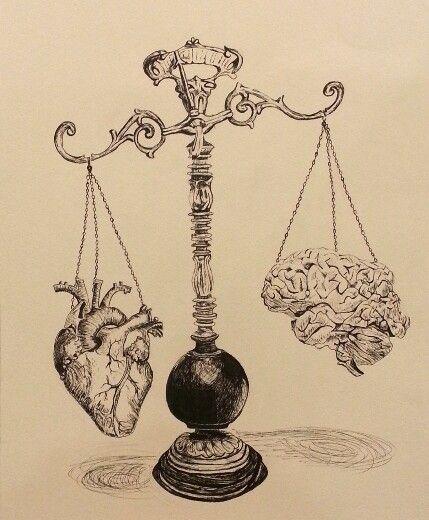
Human relationships are a complex art of balance, and the most common dilemma in this balance is choosing between logic and empathy. One seeks truth through cold calculations, while the other focuses on understanding others’ worlds guided by the heart. So, which should be more decisive in human relationships? The answer depends not only on what is “right” but also on the purpose and context of the relationship.The Role and Power of LogicLogic equips us with the ability to evaluate situations obj
ENAyşe Sultan Şahinci

Who is Al-Farabi?
Al-Farabi was a great Turkic-Islamic thinker who lived in ancient times and devoted himself to science and philosophy. His real name was Abu Nasr Muhammad ibn Muhammad al-Farabi. He was born in 870 in the city of Otrar, in present-day Kazakhstan (formerly known as Farab), which is why he became known as “al-Farabi,” meaning “the one from Farab.”🏡 Early Life and EducationFrom an early age, al-Farabi showed great interest in books and learning. He received his initial education in his hometown an
EN
Mustafa Cem İnci

Are Our Decisions Truly Ours? Behavioral Economics and the Invisible Wires of Daily Life
Behavioral Economics and the Invisible Wires of Daily Life1. The Myth of Rationality and Bounded RationalityIn "Economics 101," we learn about the rational human with perfect information. In reality, we hit the wall of "Bounded Rationality." As Nobel laureate Herbert Simon pointed out, the human mind is not a supercomputer. Our time is limited, our energy is low, and our brains get tired.Instead of analyzing thousands of options like a machine, our brains use "shortcuts" called heuristics. If we
TR
Ayberk Purutçuoğlu