

`kitchen` ile İlgili Madde Sonuçları
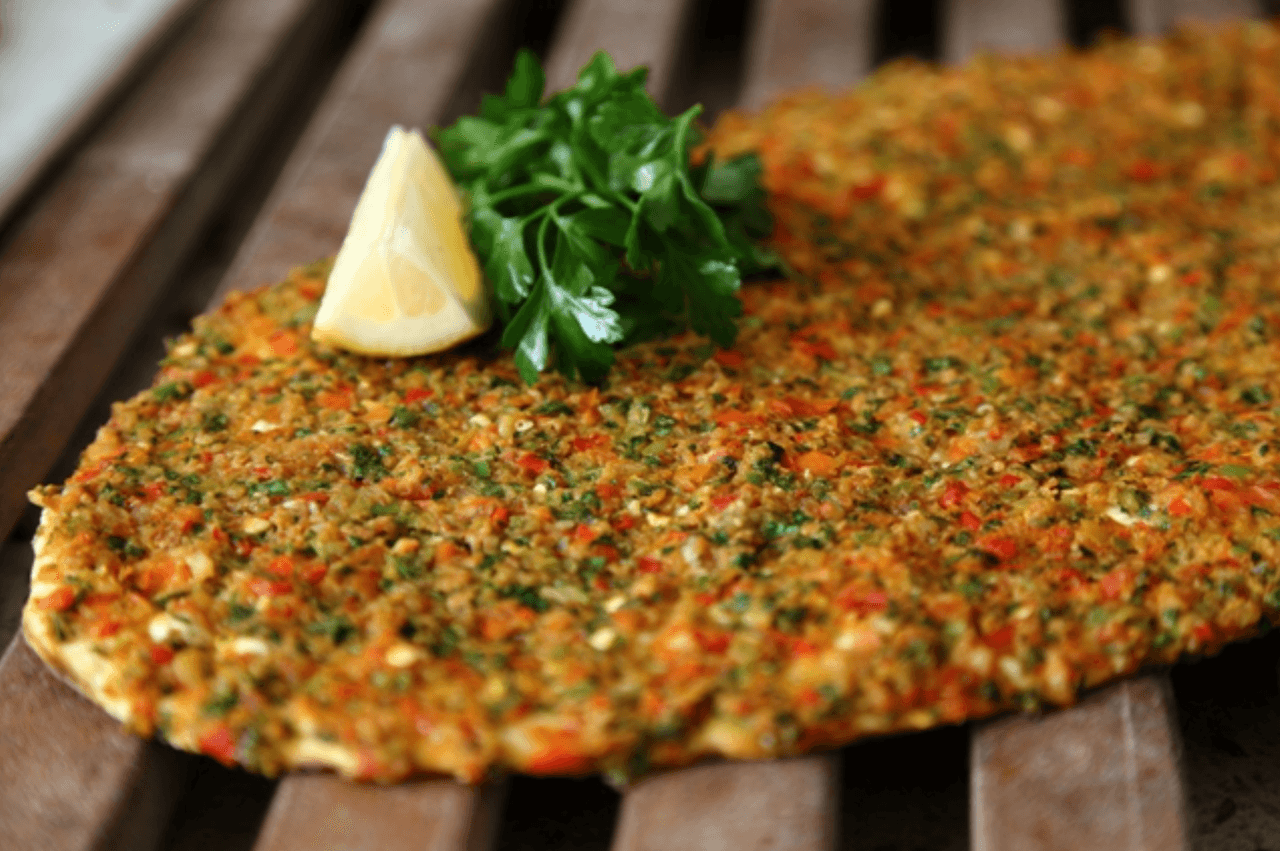
Gaziantep Lahmacunu
Gaziantep Lahmacunu, a traditional pastry unique to the city of Gaziantep in Türkiye’s Southeastern Anatolia Region, is prepared using minced lamb meat processed with a special curved knife (zırh), and baked in a stone oven. This product holds a geographical indication under the category of designation of origin, and is produced using traditional methods specific to the designated region. Origin and Characteristics The origin of Gaziantep Lahmacunu lies in the region’s rich culinary heritage, es
EN
Rabia Aras
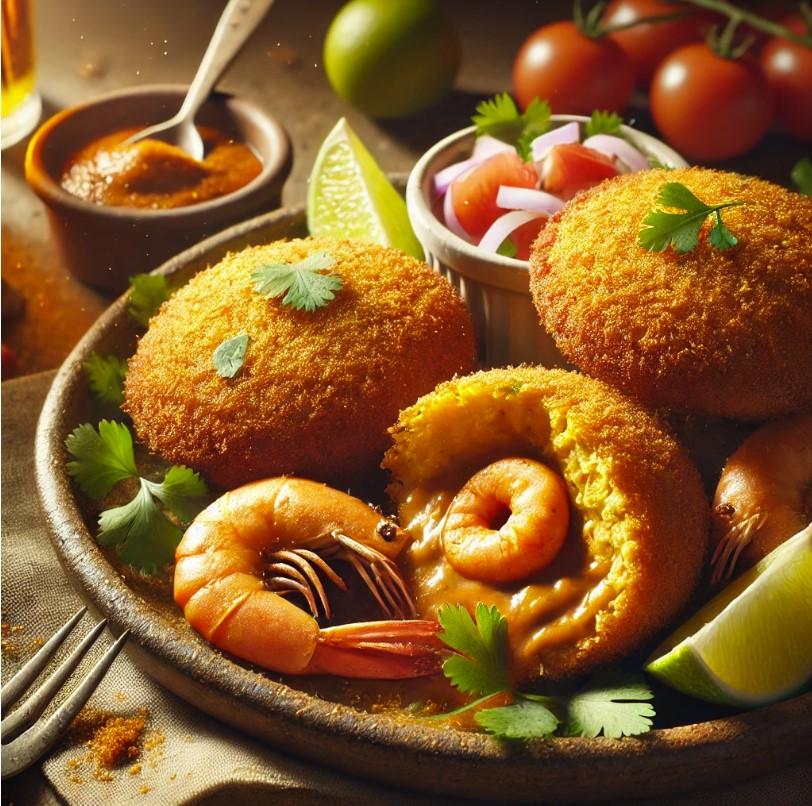
Acarajé
Brazilian cuisine, shaped by prolonged interactions among African, European, and Indigenous cultures, presents a multi-layered gastronomic system characterized by regional differences. Within this context, Acarajé stands out as a significant dish associated with the cultural and religious practices of Afro-Brazilian communities, particularly in the northeastern state of Bahia. More than just a street food or a daily dietary item, Acarajé has become an essential component of religious rituals and
EN
Ahsen Karakaş
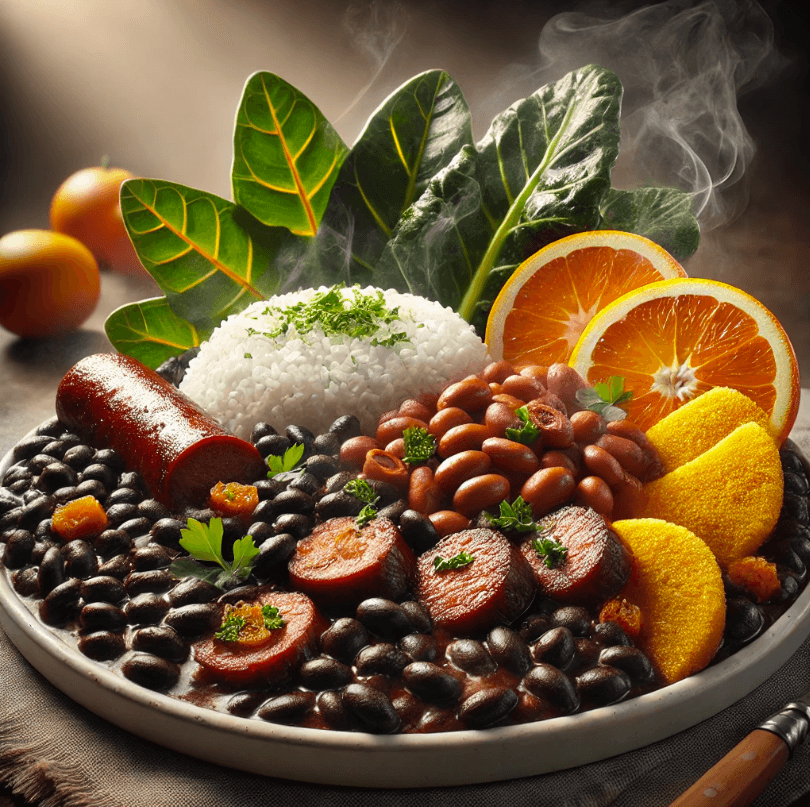
Feijoada
Brazilian cuisine is characterized by a multilayered and regionally diverse structure, shaped by the historical interaction of various cultural traditions. One of the most characteristic elements of this cuisine is Feijoada, a well-known dish in terms of both its historical origins and its sociocultural functions. Prepared by combining black beans and various meat products, Feijoada has evolved beyond merely fulfilling nutritional needs to become a ritual through which social interaction and cul
ENAhsen Karakaş
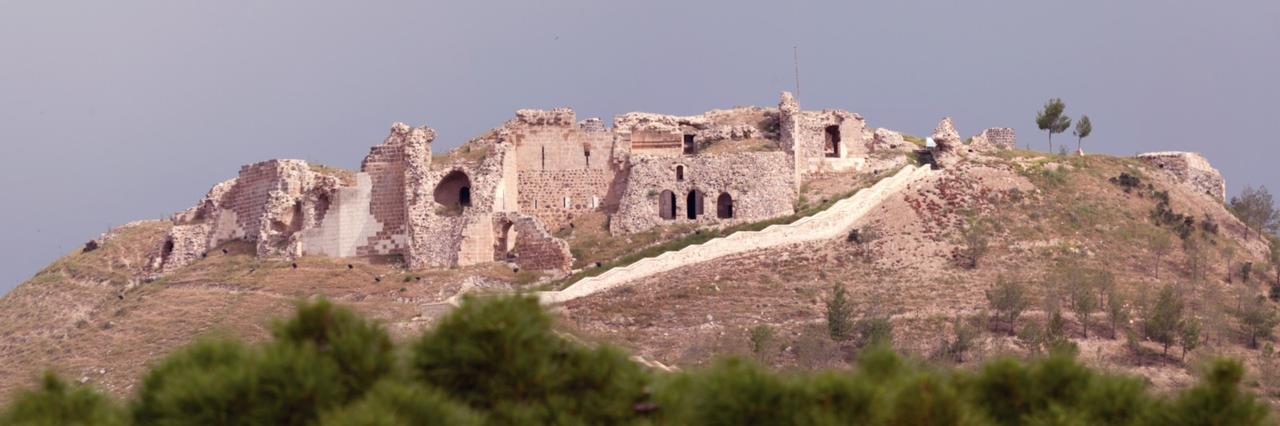
Kilis (Province)
Kilis is a province located in southeastern Türkiye, bordering Syria, and has been home to numerous civilizations throughout history. Due to its strategic location, it has borne traces of diverse cultures from the Hittites to the Ottomans, and has served as an economic and cultural hub, particularly because of its position along key trade routes. Its geography, exhibiting transitional characteristics between continental and Mediterranean climates, provides favorable conditions for agriculture an
EN
Mehmet Salih Çoban
 Ga
GaGaziantep Itinerary
Did you know that one of our cities has been included in UNESCO’s Creative Cities Network? Gaziantep is a city where history, culture, geography, and flavor have all merged into one pot. It is possible to explore the city center in a single day, but if you allocate two days, you can savor the experience and fully enjoy the local flavors. City Structure and Transportation In Gaziantep, restaurants, hans, and historical structures are concentrated in the city center. Therefore, you can visit all m
EN
Sümeyra Uzun
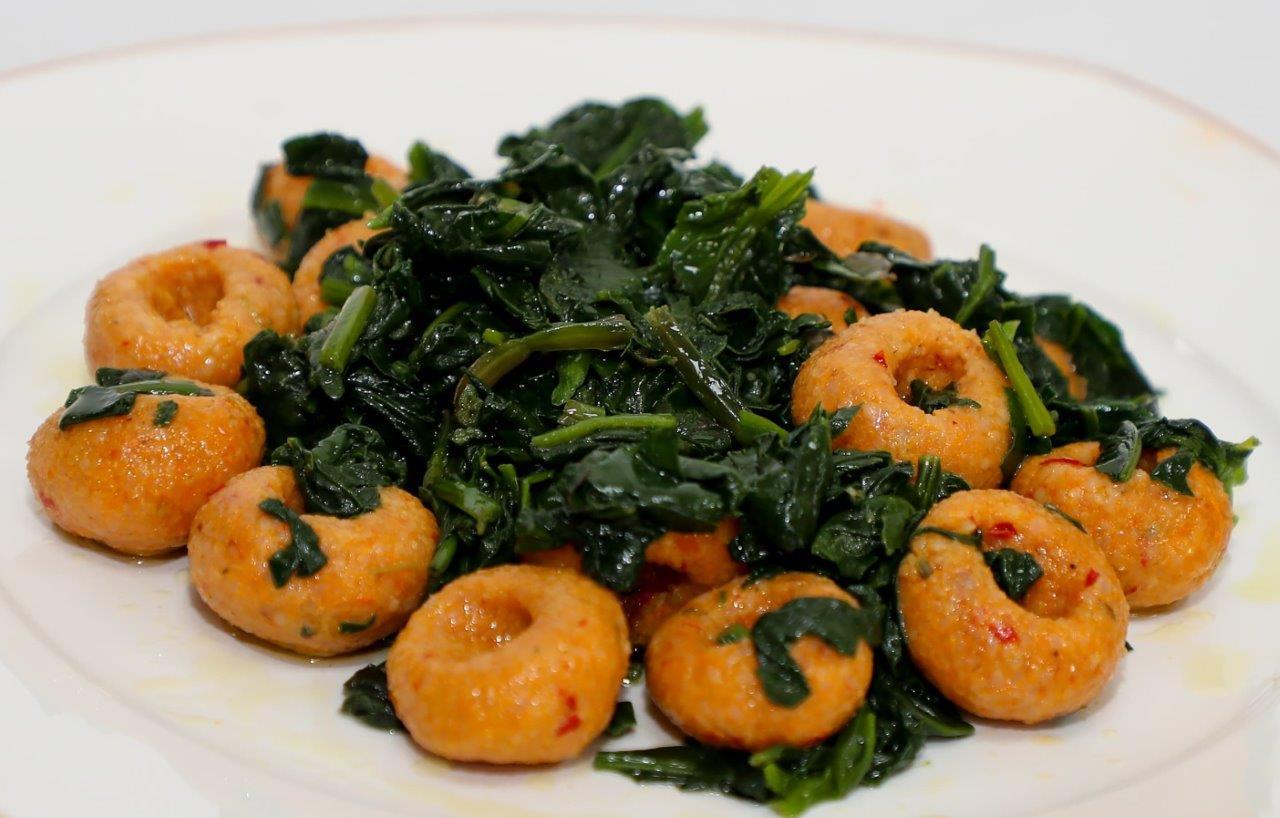
Hatay Fellah Köftesi
Hatay Fellah Köftesi is a dish registered with a geographical indication and belonging to the regional culinary culture of Hatay. Its main ingredients are fine bulgur, water, dried onion, wheat flour, salt, ground red pepper, cumin, pepper paste, and basil. The meatballs, prepared by mixing these ingredients, are combined with a distinctive sauce and served hot. The serving may also be accompanied by spinach-based or tomato-based sauces, depending on preference. It is stated that the name of the
EN
Nida Üstün
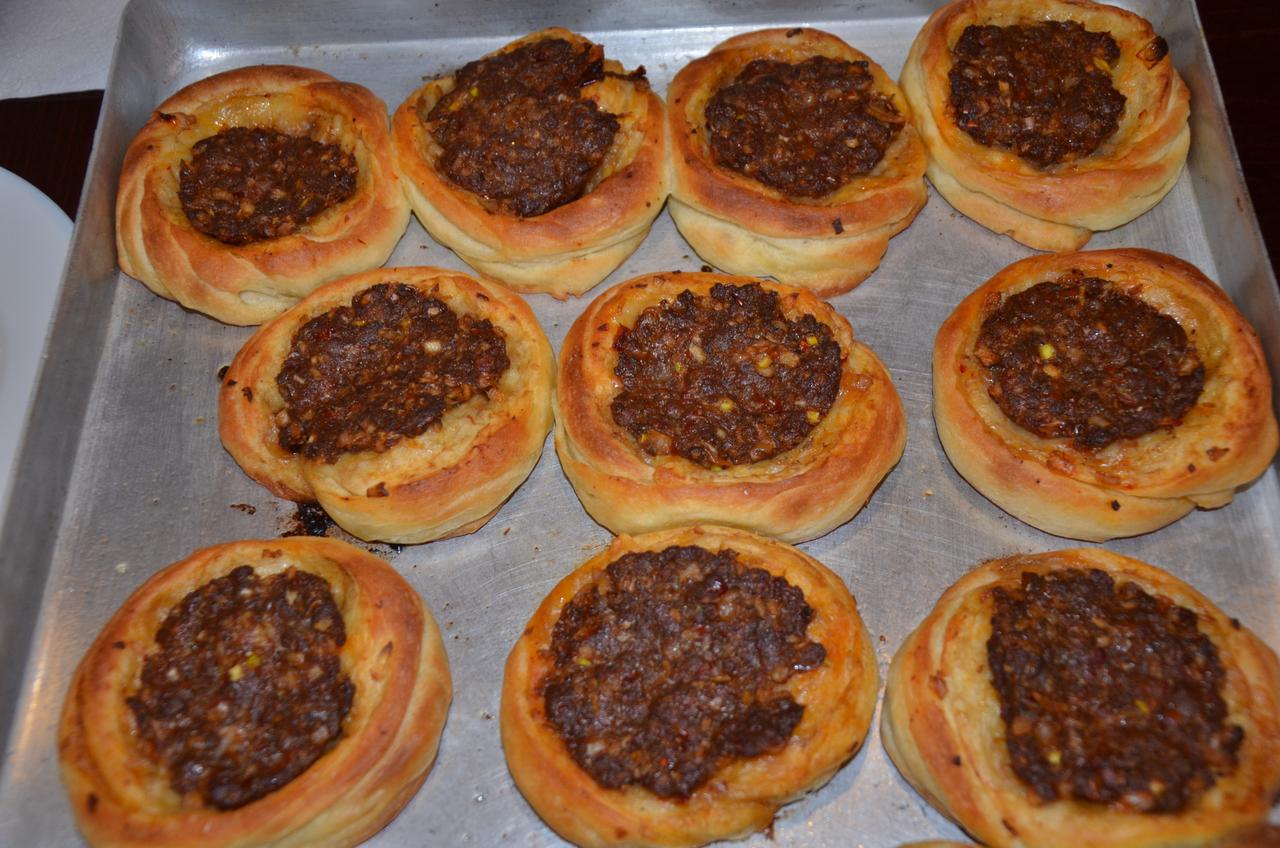
Hatay Kaytaz Böreği
Hatay kaytaz böreği is a traditional pastry product with a long history, unique to the province of Hatay. This product has been officially registered by the Turkish Patent and Trademark Office under the geographical indication, representing one of the distinctive flavors of Hatay culinary culture. The distinguishing feature of the pastry is achieved by placing a special filling—composed of minced meat, onion, pomegranate molasses, and various spices (red pepper flakes, black pepper)—inside thin
ENNida Üstün
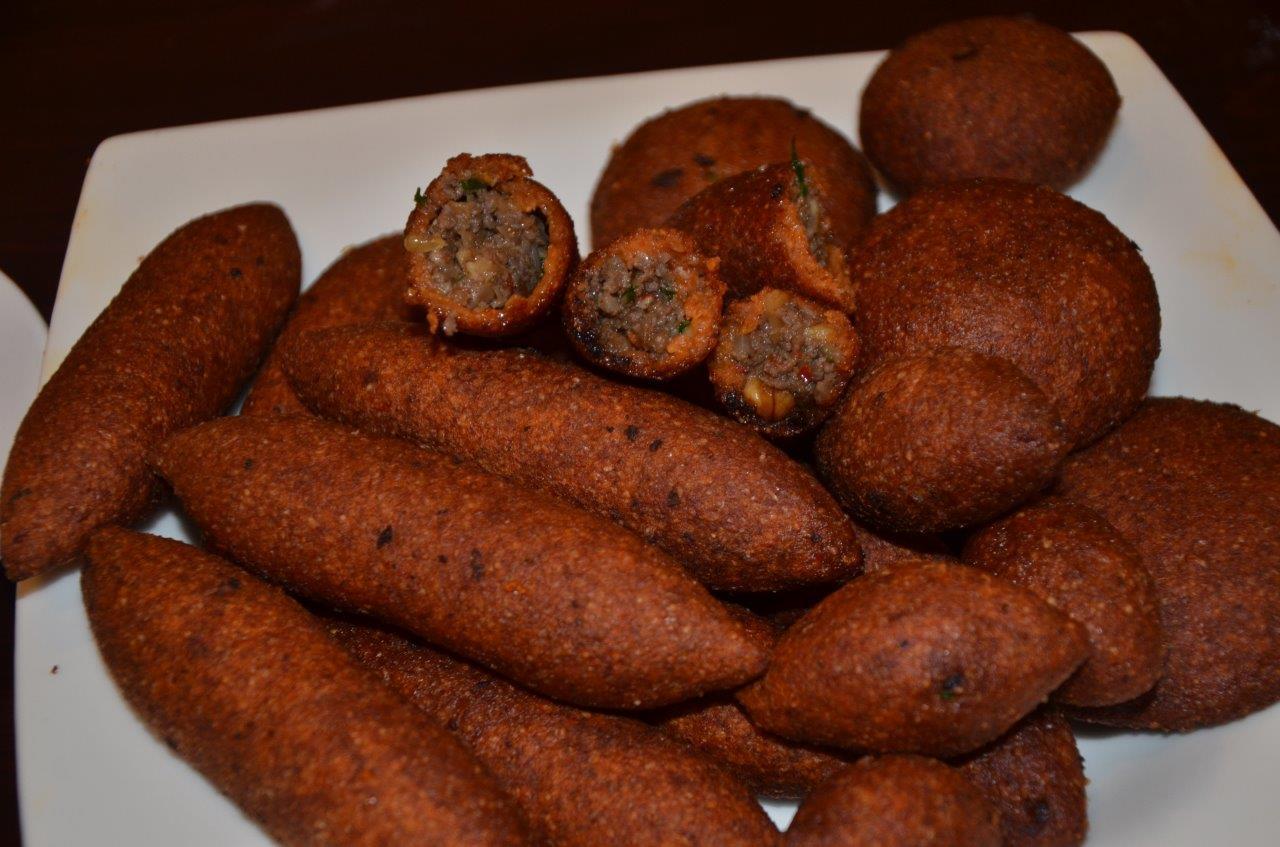
Hatay Oruğu
Hatay Oruğu is a stuffed meatball variety included in the culinary culture of Hatay province, prepared with bulgur and minced meat. This geographical indication product, characterized by its kibbe-like shape, was officially registered on 18 April 2022 under number 1082. The product’s basic structure consists of an outer dough made by kneading bulgur with various ingredients and an inner filling of minced meat. Hatay Oruğu is prepared and served in two distinct forms on the market: kibbe-shaped a
ENNida Üstün

Hatay Tepsi Oruğu
Hatay Tepsi Oruğu is a traditional stuffed meatball dish unique to Hatay Province and was registered as a geographical indication by the Turkish Patent and Trademark Office on 17 April 2024. With registration number 1577, this geographical indication aims to safeguard the product’s established link to Hatay Province and its distinctive production method. Product Description and Distinctive Characteristics Hatay Tepsi Oruğu is a stuffed dish composed primarily of minced meat, dried onion, bulgur
ENNida Üstün
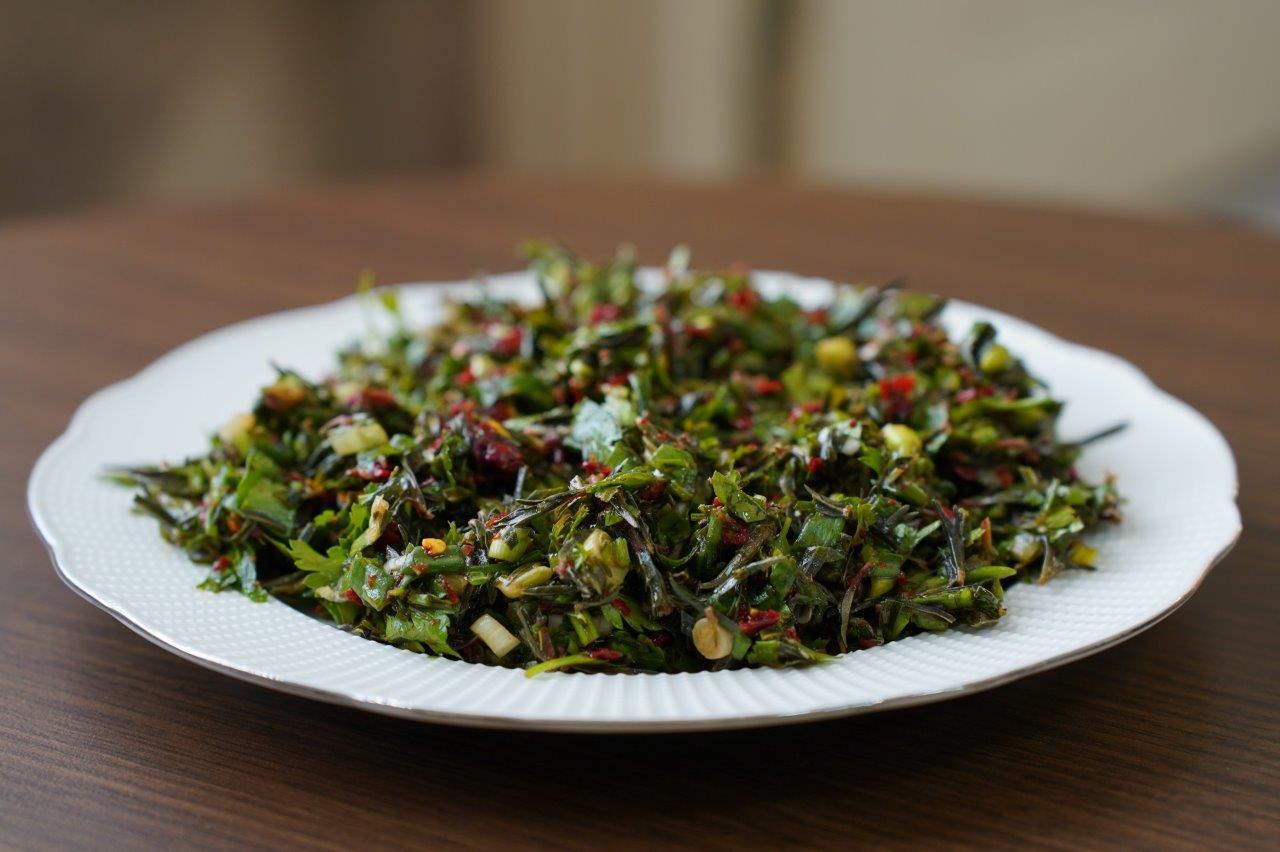
Hatay Zahter Salad / Hatay Oregano Salad
Hatay Zahter Salad / Hatay Oregano Salad is a distinctive salad composed primarily of zahter (oregano), green onion or dried onion, parsley, olive oil, pomegranate molasses, and various spices. It was officially registered as a geographical indication by the Turkish Patent and Trademark Office on 19 July 2024. The product has deep roots in the culinary culture of Hatay province and is intrinsically linked to its geographical boundaries. Therefore, all stages of production must take place within
ENNida Üstün