

`kaizen` ile İlgili Madde Sonuçları

Gemba
Gemba is a Japanese-origin concept meaning "real place." This term is used especially in production and management fields to describe the physical location where the work actually takes place. Gemba can include both production lines and points of contact with customers. The concept is one of the fundamental pillars of lean thinking and is based on the idea that problems or opportunities can only be fully understood where the events occur. This approach, which plays a central role in the developm
EN
Emre Özen
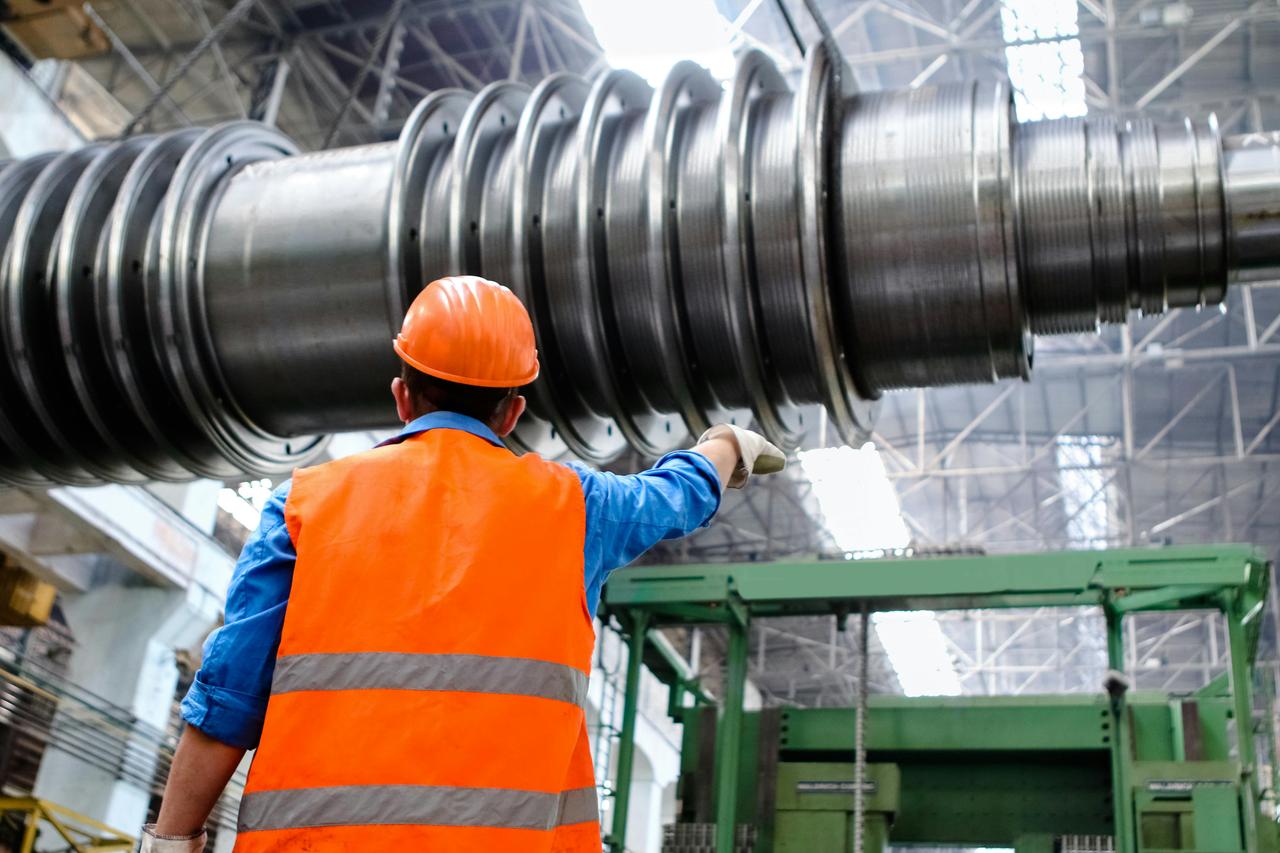
Jishuken
Jishuken is a practical learning and problem-solving method rooted in Japan and developed specifically within the framework of the Toyota Production System, as part of the continuous improvement philosophy of lean manufacturing. In this approach, managers and engineers conduct direct observations on the production floor to achieve improvements in productivity, quality, and processes. The method simultaneously aims to foster leadership development and operational excellence within the organizatio
ENEmre Özen
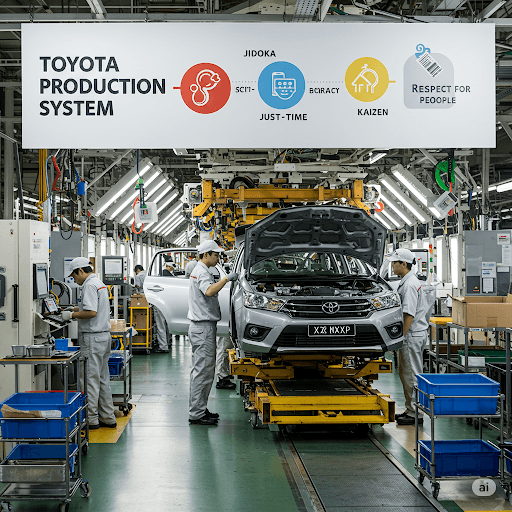
Toyota Üretim Sistemi
Toyota Üretim Sistemi (Toyota Production System - TPS), 20. yüzyılın ikinci yarısında Japonya’da Toyota Motor Corporation tarafından geliştirilmiş bir üretim yönetim sistemidir. Bu sistem, II. Dünya Savaşı sonrasında Japonya’nın ekonomik koşullarına yanıt olarak şekillendirilmiştir. Batı’daki kitlesel üretim sistemlerinden farklı olarak geliştirilen TPS, israfların azaltılması, süreçlerin sadeleştirilmesi ve üretkenliğin artırılması hedefleriyle yapılandırılmıştır. Sistem, Taiichi Ohno ve Shigeo
TREmre Özen
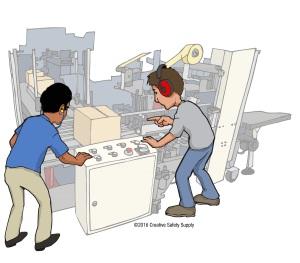
Genchi Genbutsu
Genchi Genbutsu, " gidin ve kendiniz görün " anlamına gelen Yalın üretimdeki temel bir ilkedir . Japonca "Genchi" terimi gerçek yer anlamına gelirken, "Genbutsu" gerçek şey anlamına gelir. Genchi Genbutsu, Toyota Üretim Sisteminin on üç sütunundan biridir ve insanların sorunları kendi gözleriyle görerek çözmelerini sağlamak için kurulmuştur. Sanayi dünyasında köklü bir yönetim yaklaşımı haline gelen Genchi Genbutsu (yerinde, gerçeği görme), Toyota Üretim Sistemi’nin temel taşlarından biri olarak
TRHami Aksu
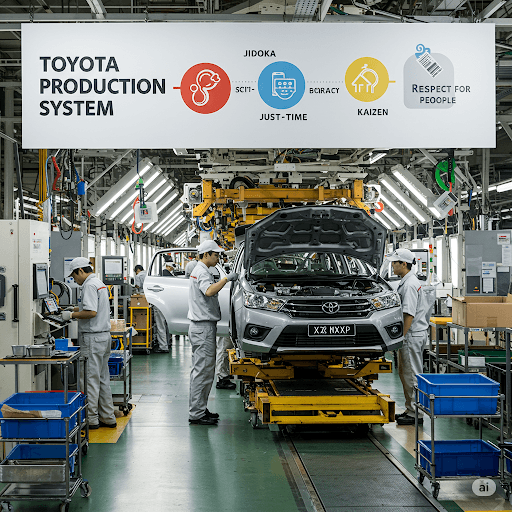
Toyota Production System
The Toyota Production System (TPS) is a production management system developed by Toyota Motor Corporation in Japan during the second half of the 20th century. Shaped in response to Japan’s economic conditions following World War II, this system was structured with the goals of eliminating waste, simplifying processes, and increasing productivity—differentiating it from Western mass production systems. TPS was shaped through the contributions of Taiichi Ohno and Shigeo Shingo, and over time, it
ENEmre Özen
Poka Yoke
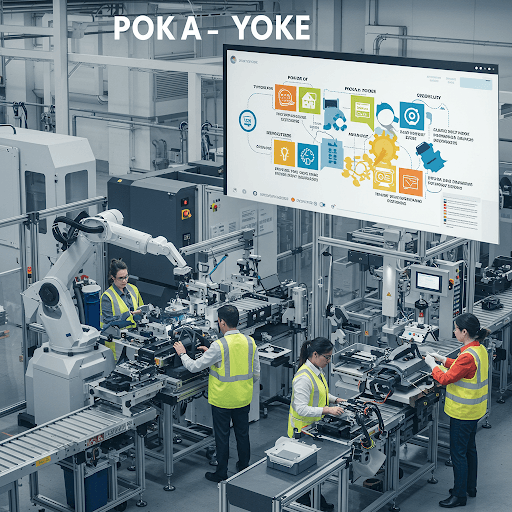
Poka Yoke is a production and quality assurance technique, meaning "protection from mistakes" or "error prevention" in Japanese. It was systematically developed in the 1960s by quality expert Shigeo Shingo at Toyota and became a cornerstone of the "Zero Quality Control" philosophy. The system aims to provide low-cost, simple, and practical solutions that either prevent human errors or immediately detect them when they occur. Poka Yoke fundamentally serves two functions: mistake-proofing (error p
ENEmre Özen
Kaizen
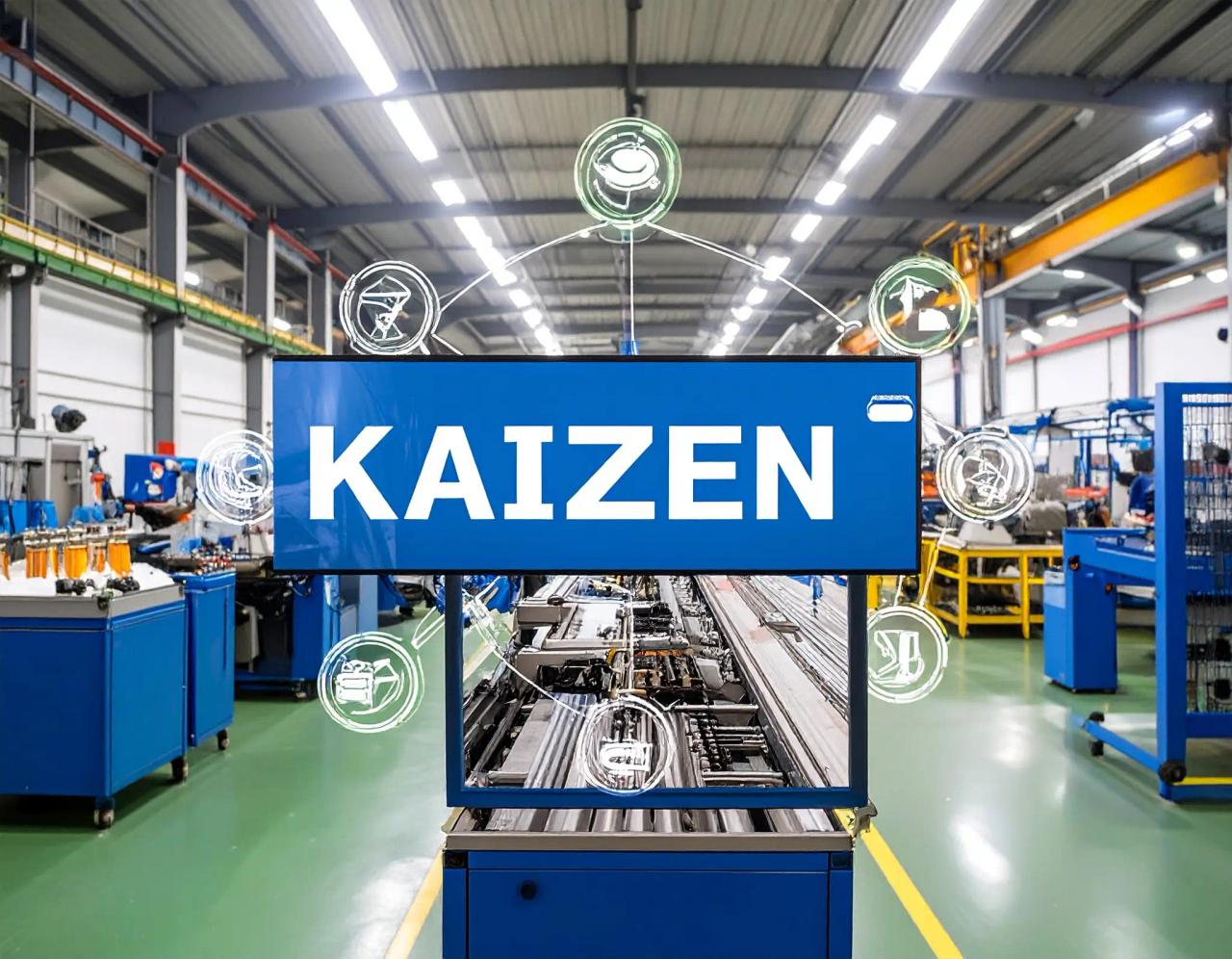
Kaizen is a Japanese-origin concept meaning "improvement" or "continuous improvement." It is defined as a fundamental element of Japanese production culture and emphasizes ongoing development at both individual and organizational levels. This concept has gained widespread recognition in the international literature, particularly within the context of the Toyota Production System (TPS), and has become a core principle in modern production and management systems. Kaizen relies on the cumulative ef
ENEmre Özen
Kaizen
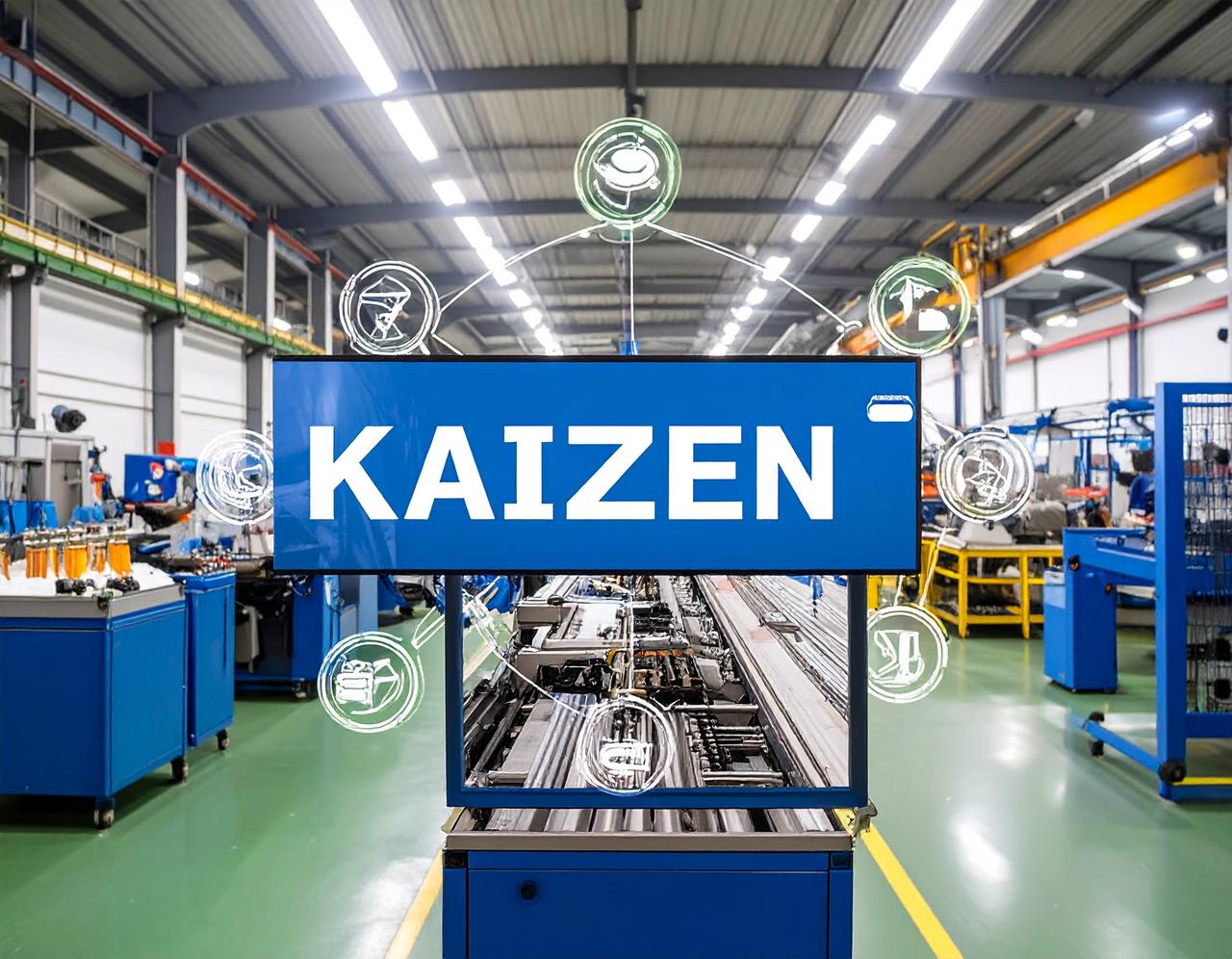
Kaizen, Japonca kökenli bir kavram olup "iyileştirme" ya da "sürekli iyileştirme" anlamına gelir. Japon üretim kültürünün temel unsurlarından biri olarak tanımlanır ve hem bireysel hem de kurumsal düzeyde sürekli gelişmeyi esas alır. Bu kavram, özellikle Toyota Üretim Sistemi (Toyota Production System - TPS) bağlamında uluslararası literatürde yaygınlık kazanmış ve çağdaş üretim ve yönetim sistemlerinde temel bir ilke haline gelmiştir. Kaizen, büyük ve ani değişimlerden ziyade, sürekli olarak ya
TREmre Özen
 Ka
KaKaizen Nedir?
Kaizen Japonca’da “kai” (değişim) ve “zen” (iyi) kelimelerinin birleşmesiyle oluşan bir sürekli iyileştirme tekniğidir. Proseslerde, ekipmanlarda veya üründe mevcut olan ancak değer üretmeyen tüm kayıpları (MUDA) ortadan kaldırmak için yapılan küçük ancak sürekli olan iyileştirme faaliyetleri olarak tanımlanabilir. Kaizen olduğumuz yer ile olmak istediğimiz yer arasındaki köprüdür. Kaizen’in Tarihi Japonya’da doğmuştur. İlk olarak 1950’lerde Toyota tarafından uygulanmaya başlanmıştır. Toyota, ür
TRAyberk Yılmaz
Jishuken
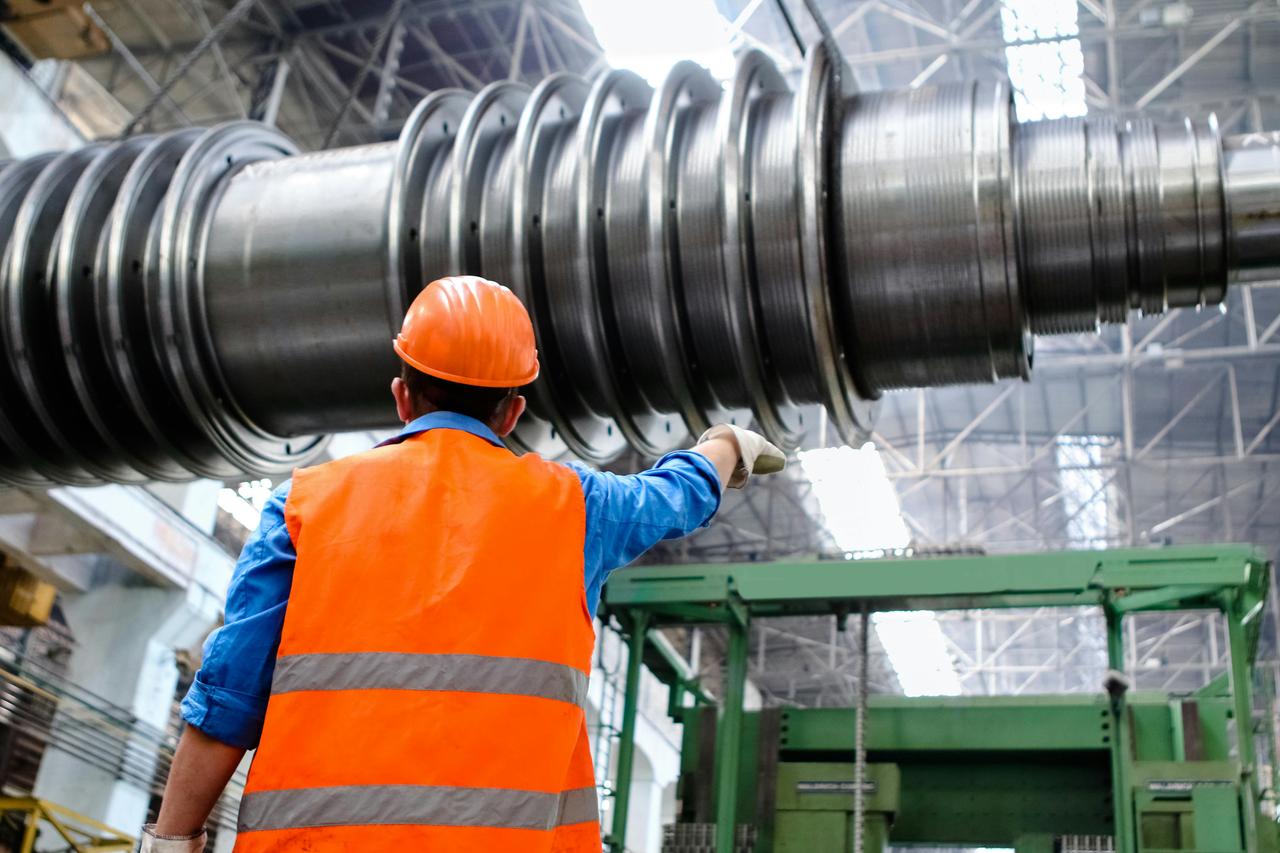
Jishuken, yalın üretim sisteminin sürekli iyileştirme anlayışı içerisinde yer alan, Japonya kökenli ve özellikle Toyota Üretim Sistemi çerçevesinde geliştirilmiş uygulamalı bir öğrenme ve sorun çözme yöntemidir. Yöneticiler ve mühendislerin üretim sahasında doğrudan gözlem yaparak verimlilik, kalite ve süreç iyileştirmeleri gerçekleştirdiği bu yöntem, işletme içinde hem liderlik gelişimini hem de operasyonel mükemmelliği eş zamanlı olarak hedefler. Jishuken, sorunların kaynağında ve doğrudan göz
TREmre Özen