

`immanuel-kant` ile İlgili Madde Sonuçları
 Ah
AhAhlaki ve Siyasal Felsefede Özerklik
“Özerklik” (autonomy) kavramı, kökenini Antik Yunanca’daki autos (kendi) ve nomos (kural, yasa) sözcüklerinin birleşiminden alır ve kelime anlamı itibarıyla “kendi kendine yasa koyma” anlamına gelir. Bu temel anlam, hem bireyin kendine ait kararlar alabilme kapasitesini hem de dışsal otoritelerden bağımsız hareket edebilme yetisini çağrıştırmaktadır. Terim ilk kez politik bir bağlamda, özellikle Antik Yunan şehir devletlerinin (polis) bağımsızlığını belirtmek üzere kullanılmıştır. Bu dönemde öze
TR
Aslı Öncan
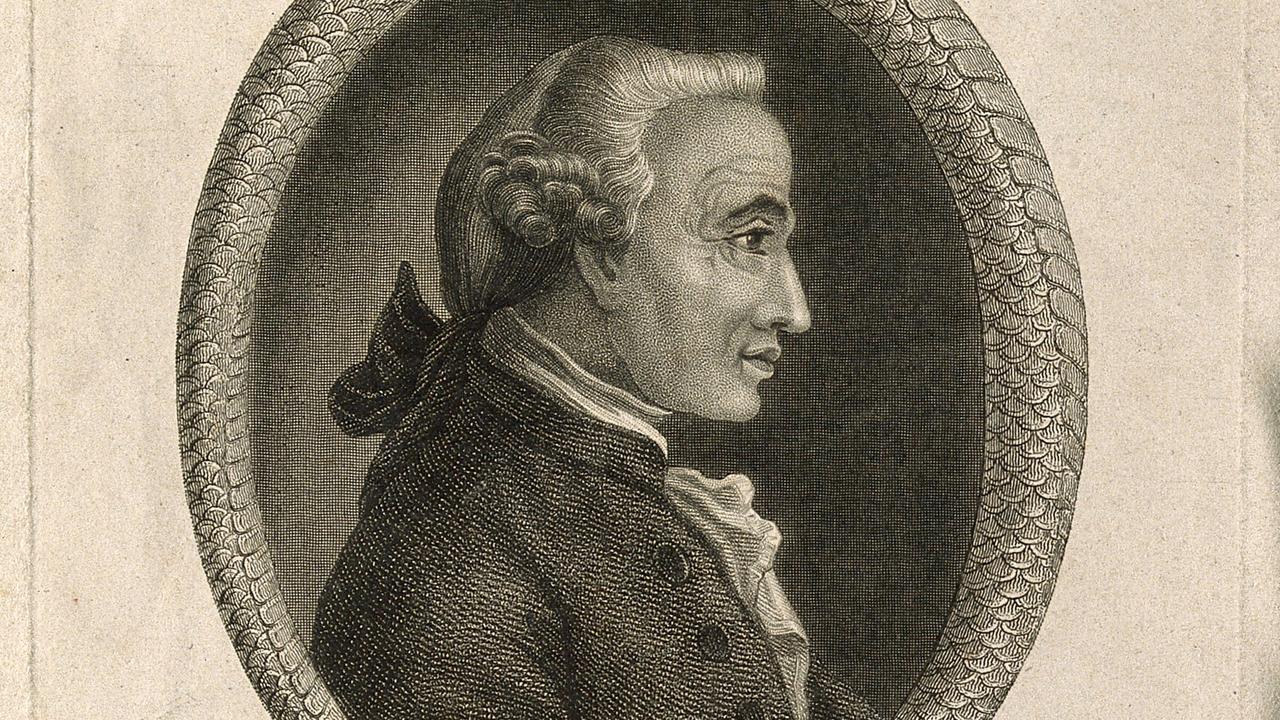
Immanuel Kant
Immanuel Kant (April 22, 1724 – February 12, 1804) was a Prussian philosopher born in Königsberg. He spent his entire life in his native city, declining offers of positions and titles in order to continue his academic career there. Between 1746 and 1758, Kant focused on the natural sciences; in the 1760s, he grew skeptical of metaphysics; and after 1769, he developed his critical philosophy. With the publication of Critique of Pure Reason (1781), he began a period in which he examined the limits
EN
Nazlı Kemerkaya
AuAutonomy in Moral and Political Philosophy
The concept of “autonomy” derives its origin from the Ancient Greek words autos (self) and nomos (law, rule), and literally means “self-legislation.” This core meaning evokes both the capacity of an individual to make decisions for themselves and the ability to act independently of external authorities. The term was first used in a political context, particularly to denote the independence of ancient Greek city-states (poleis). During this period, autonomy was associated with a community’s power
ENAslı Öncan