

`iching` ile İlgili Madde Sonuçları
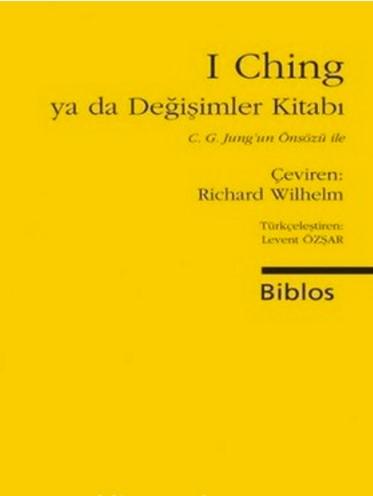
I Ching or the Book of Changes
I Ching (Chinese: 易经), translated into Turkish as Değişimler Kitabı, is a text regarded as central to Chinese thought history. Structurally, it consists of 64 hexagramsA six-pointed star symbol formed by the superposition of two inverted equilateral triangles. ">【1】. Each hexagram is composed of six horizontal lines, which may be either unbroken (yang) or broken (yin). The sixfold combinations of these two types of lines represent 2⁶, or 64 distinct states. Each hexagram symbolizes a stage in
EN
Ahsen Karakaş
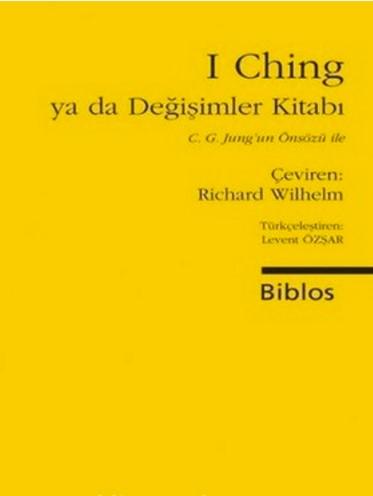
I Ching or the Book of Changes
I Ching (Chinese: 易经), translated into Turkish as Değişimler Kitabı, is regarded as a central text in the history of düşünce. Structurally, it consists of 64 hexagramsİki ters eşkenar üçgenin üst üste gelmesiyle oluşan altı köşeli bir yıldız sembolüdür. ">【1】. Each hexagram is composed of six horizontal lines, which can be either unbroken (yang) or broken (yin). The sixfold combinations of these two types of lines represent 64 distinct states, corresponding to 2⁶ possible arrangements. Each h
EN
Ahsen Karakaş
I Ching ya da Değişimler Kitabı
I Ching (Çince: 易经), Türkçeye Değişimler Kitabı olarak çevrilen, Çin düşünce tarihinde merkezi bir yere sahip olduğu kabul edilen bir metindir. Yapısal olarak 64 heksagramdanİki ters eşkenar üçgenin üst üste gelmesiyle oluşan altı köşeli bir yıldız sembolüdür. ">【1】 oluşur. Her heksagram, altı yatay çizgiden meydana gelir; bu çizgiler kesintisiz (yang) ya da kesikli (yin) olabilir. Bu iki tür çizginin altılı bileşimleri, toplamda 2⁶ yani 64 farklı düzenleme ile simgelenen durumları ifade etme
TRAhsen Karakaş