

`hagia-sophia` ile İlgili Madde Sonuçları
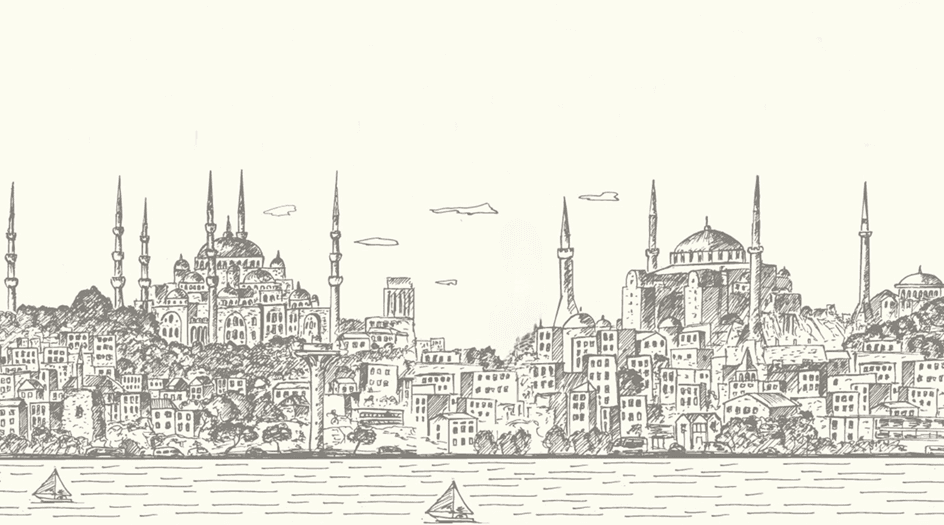
The Seven Hills of Istanbul
Istanbul, with its unique geography and deep-rooted history, has been home to numerous civilizations over the centuries. The city has been famously referred to as "built upon seven hills" since ancient times, and these hills are among the most defining features of Istanbul's historic peninsula. During the Byzantine and Ottoman periods, the structures built on these hills held great religious and political significance. Each hill carries traces of a different era, offering visitors a unique journ
EN
Kerem Akıl
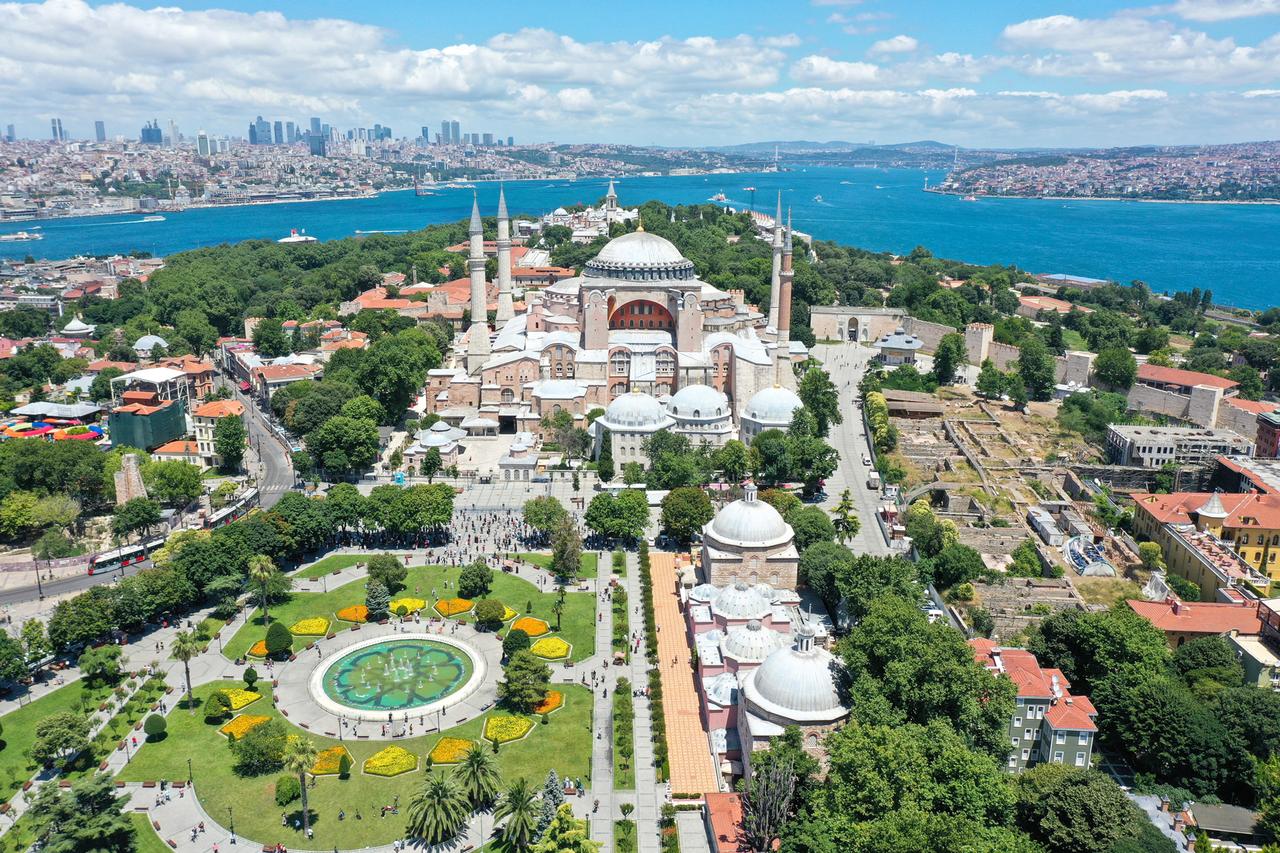
Ayasofya
Ayasofya (Resmi adıyla Ayasofya-i Kebir Cami-i Şerifi), İstanbul’un Tarihî Yarımada bölgesinde yer alan, Roma, Osmanlı ve Cumhuriyet dönemlerinde farklı dinî, siyasî ve kültürel işlevler üstlenmiş çok katmanlı bir tarihî yapıdır. Bugünkü yapı, aynı alanda inşa edilen üçüncü Ayasofya olup 532’deki Nika Ayaklanması sırasında yanan önceki kilisenin yerine İmparator Iustinianos tarafından yeniden yaptırılmış ve 27 Aralık 537’de ibadete açılmıştır.【1】 Doğu Roma başkentinin en büyük kilisesi olarak pa
TR
Onur Çolak
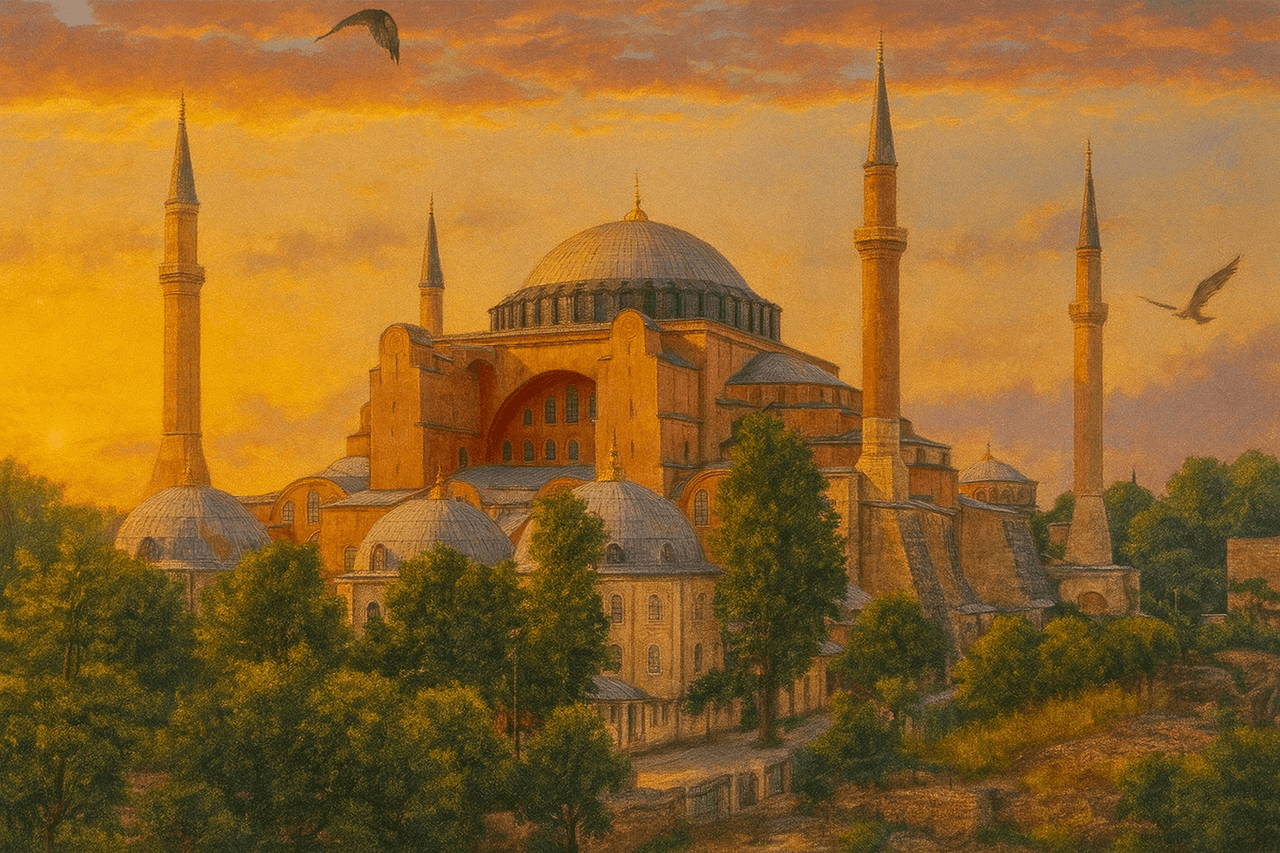
Ayasofya'nın İbadete Açılması
Ayasofya Neden Önemlidir? Ayasofya, İstanbul’da bulunan çok eski ve özel bir yapıdır. Yüzyıllar boyunca hem kilise, hem cami, hem de müze olarak kullanılmıştır. 2020 yılında tekrar cami olarak ibadete açılmıştır. Ayasofya, sadece bir bina değil, aynı zamanda tarih boyunca birçok medeniyetin izini taşıyan bir kültür hazinesidir. Ayasofya’nın Kısa Tarihi • M.S. 537: Bizans İmparatoru I. Justinianus tarafından büyük bir kilise olarak inşa edildi. • 1453: İstanbul’un fethiyle birlikte Fatih Sultan M
TR
Mustafa Cem İnci
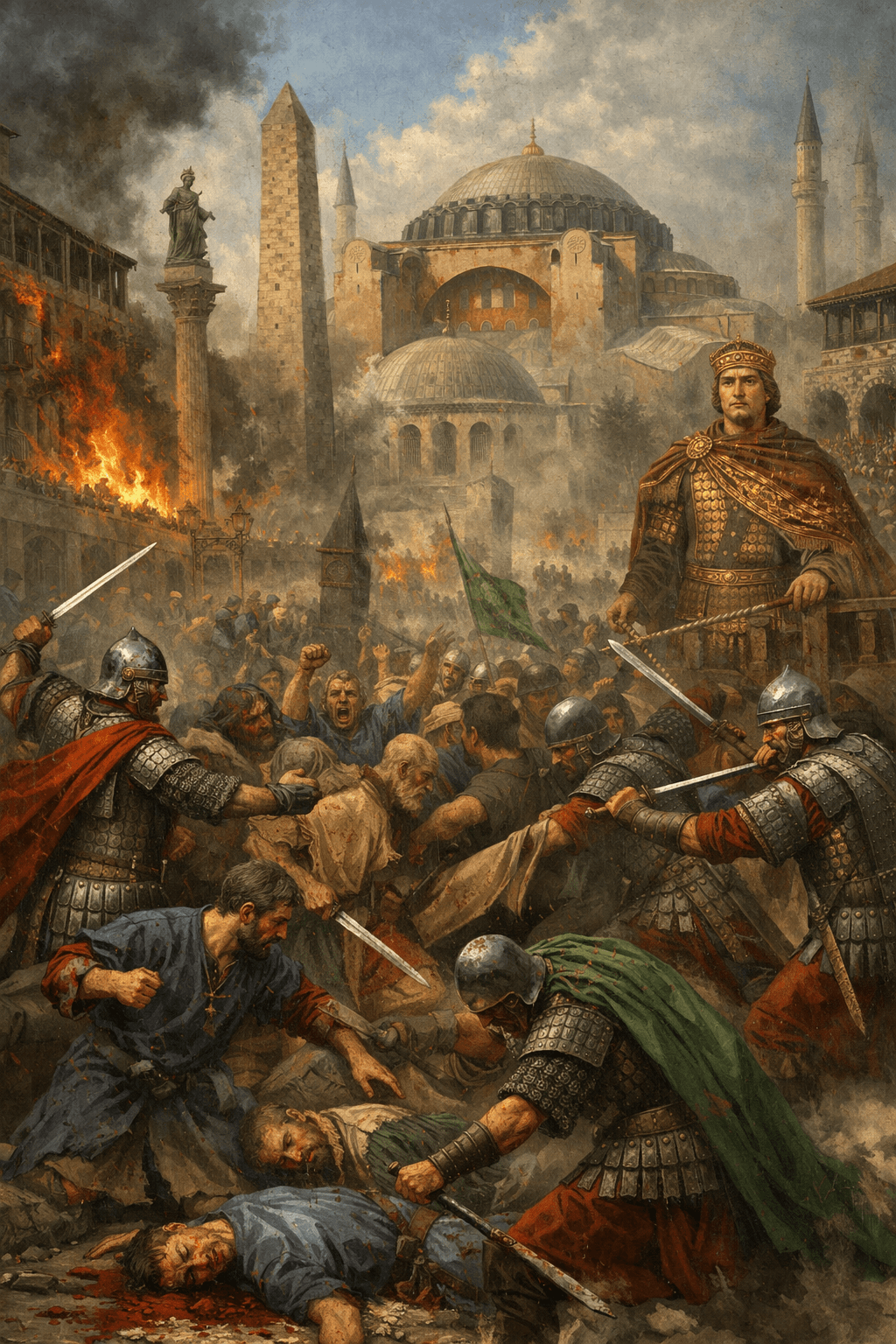
Nika Revolt
The Nika Revolt was a large-scale urban uprising that occurred in January 532 in the capital of the Eastern Roman (Byzantine) Empire, Constantinople, during the reign of Emperor I. Justinian.Büyük İstanbul Tarihi. “Nika Ayaklanması.” Büyük İstanbul Tarihi. Erişim Tarihi: 29 Aralık 2025. Erişim: https://istanbultarihi.ist/38-nika-ayaklanmasi ">【1】 The revolt began as a joint action by the circus factions, the Blues and the Greens, organized around the Hippodrome; it soon evolved into a politic
EN
Yeşim Can
The Opening of Hagia Sophia for Worship
Why Is Hagia Sophia Important? Hagia Sophia is an ancient and unique structure located in Istanbul. For centuries it served as a church, mosque, and later as a museum. In 2020 it was reopened for worship as a mosque once again. Hagia Sophia is not merely a building; it is a cultural treasure that bears the imprint of many civilizations throughout history. A Brief History of Hagia Sophia • 537 AD: Constructed as a grand church by the Byzantine Emperor Justinian I. • 1453: Converted into a mosque
ENMustafa Cem İnci
Hagia Sophia
Hagia Sophia (officially Hagia Sophia-i Kebir Cami-i Şerifi), is a multi-layered historical structure located in Istanbul’s Historic Peninsula that has served various religious, political, and cultural functions during the Roman, Ottoman, and Republican periods. The current building is the third Hagia Sophia constructed on the same site and was rebuilt by Emperor Justinian I after the previous church was destroyed in the Nika Revolt of 532. It was inaugurated for worship on 27 December 537.【1】 A
ENOnur Çolak