

`gochujang` ile İlgili Madde Sonuçları
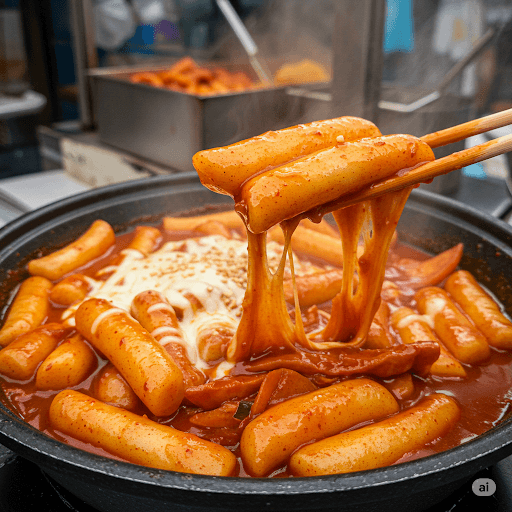
Tteokbokki
Tteokbokki, Güney Kore mutfağının önde gelen yemeklerinden biri olup pirinç keklerinin (tteok) çeşitli soslar ve malzemelerle hazırlanmasıyla oluşur. Geleneksel olarak kraliyet mutfağında yer alan tteokbokki, zamanla sokak yemeği kültürünün bir parçası haline gelmiştir. Hem Kore'de hem de dünya genelinde farklı varyasyonlarıyla tüketilmektedir. Tarihsel Gelişim Tteokbokki'nin kökeni, Joseon Hanedanlığı dönemine kadar uzanır. Bu dönemde, "gungjung tteokbokki" olarak bilinen versiyonu, soya sosu,
TR
Emre Özen
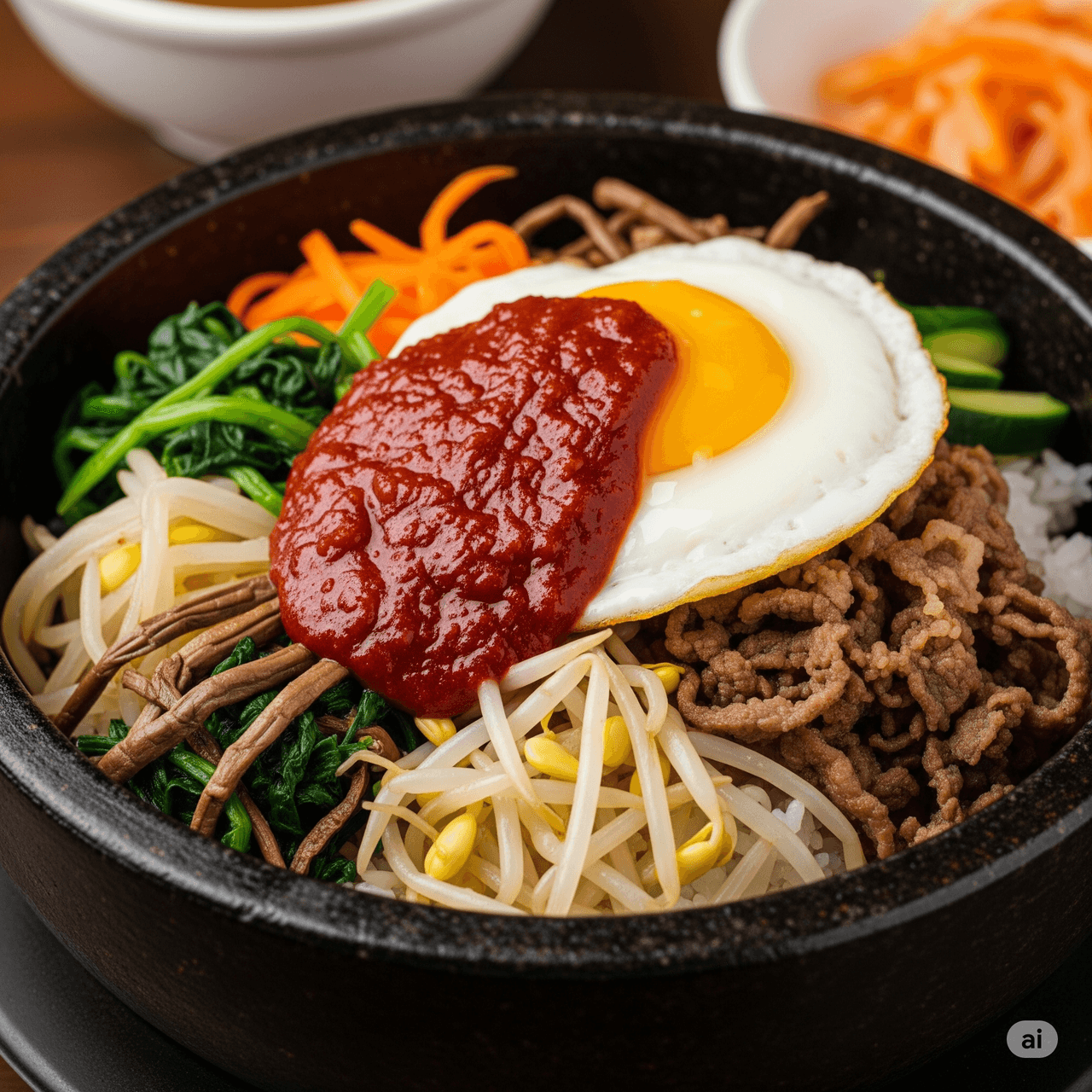
Bibimbap
Bibimbap is a traditional ethnic dish of Korean cuisine, composed of a mixture of rice, various vegetables, meat, egg, and typically spicy chili paste (gochujang). This dish holds significant importance both gastronomically and nutritionally due to its rich composition and balanced nutritional profile. Bibimbap is regarded as one of the cultural and gastronomic symbols of Korea, celebrated for its visual aesthetics and the variety of flavors created by the combination of its diverse components.
ENEmre Özen
Bibimbap
Bibimbap, Kore mutfağına ait geleneksel bir etnik yemektir ve pirinç, çeşitli sebzeler, et, yumurta ve genellikle acı biber salçası (gochujang) gibi bileşenlerin karışımından oluşur. Bu yemek, zengin içerik ve dengeli besin değerleri ile hem lezzet hem de sağlık açısından önemli bir yer tutar. Bibimbap, görsel estetiği ve farklı bileşenlerin bir araya gelmesiyle sunduğu lezzet çeşitliliğiyle kültürel ve gastronomik açıdan Kore'nin sembollerinden biri olarak kabul edilir. Tarihsel süreç içinde he
TREmre Özen
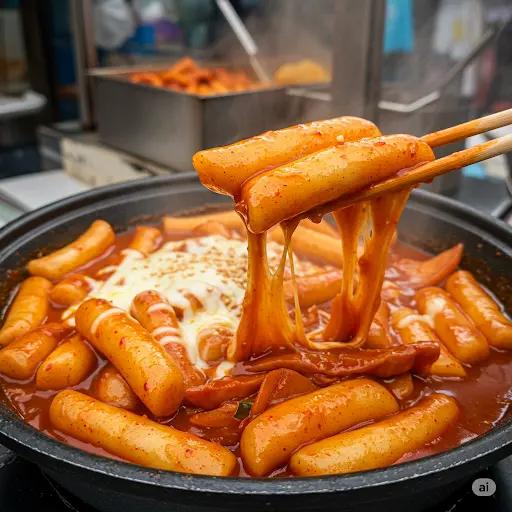
Tteokbokki
Tteokbokki is one of the leading dishes in South Korean cuisine, made by preparing rice cakes (tteok) with various sauces and ingredients. Traditionally part of the royal cuisine, tteokbokki has gradually become a staple of street food culture. It is consumed in different variations both in Korea and around the world. Historical Development The origin of tteokbokki dates back to the Joseon Dynasty. During this period, a version known as "gungjung tteokbokki" was prepared with soy sauce, meat, an
ENEmre Özen