

`gelenekselsanatlar` ile İlgili Madde Sonuçları
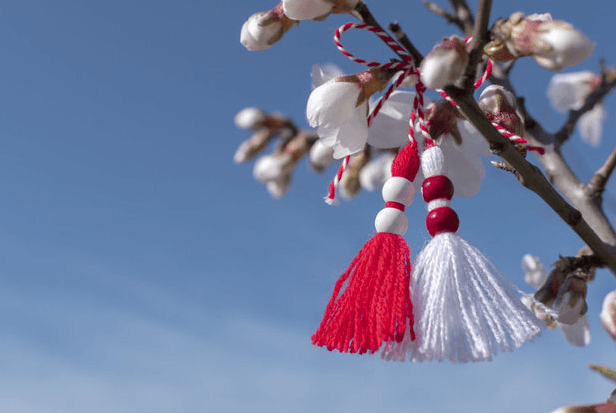
Marteniçka
Marteniçka 1 martdan etibarən mart ayı boyu taxılan, ənənəvi olaraq qırmızı və ağ ipliklərdən hazırlanan bəzəkdir. Balkanlar və Trakya bölgələrində yayılmış bir ənənə olub, Bolqarıstan mənşəlidir. Marteniçka, ağ iplik uzun ömrü, qırmızı iplik isə sağlamlıq və gücü simvolizə etməklə tanınır. Ənənəvi olaraq, sağlamlıq, şans, bolçuluq və xoşbəxtlik diləkləri ilə taxılır. Marteniçka ənənəsi, Baba Marta (Marta Nənə) günləri ilə əlaqələndirilir. Bu xüsusi gün, 1 martdan başlayır və mart ayı boyu davam
AZ
Sümeyra Uzun
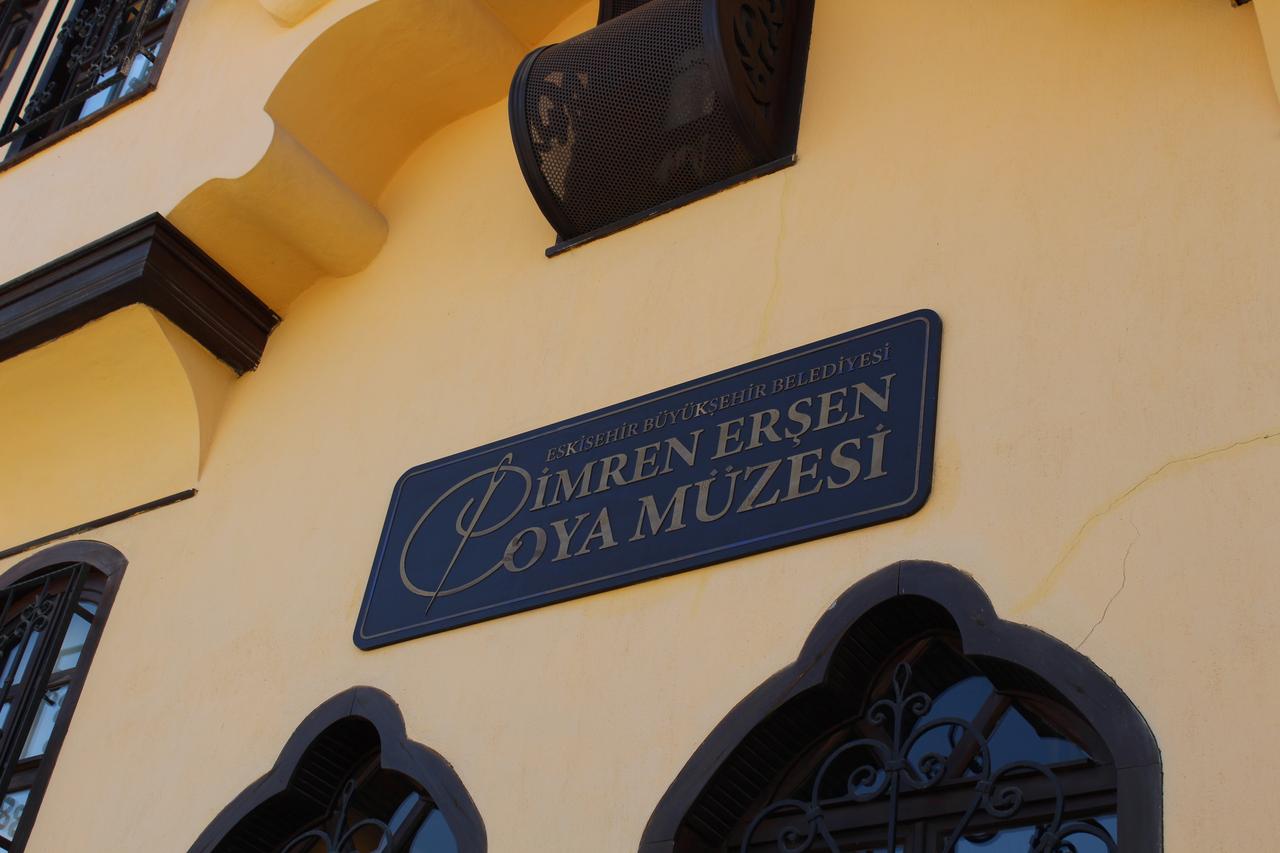
İmren Erşen Oya Museum
The İmren Erşen Oya Museum holds the distinction of being the first museum in Turkey and in the world dedicated solely to the art of oya (lace/needlework). The museum was opened to visitors on June 3, 2022, in the historical Odunpazarı region of Eskişehir. Its founding purpose is to pass on the traditional handicraft of Anatolian women, oya, to future generations by preserving its cultural, aesthetic, and symbolic values. Founder: İmren Erşen Born in Berlin in 1939, İmren Erşen graduated from An
EN
Melahat Pamuk
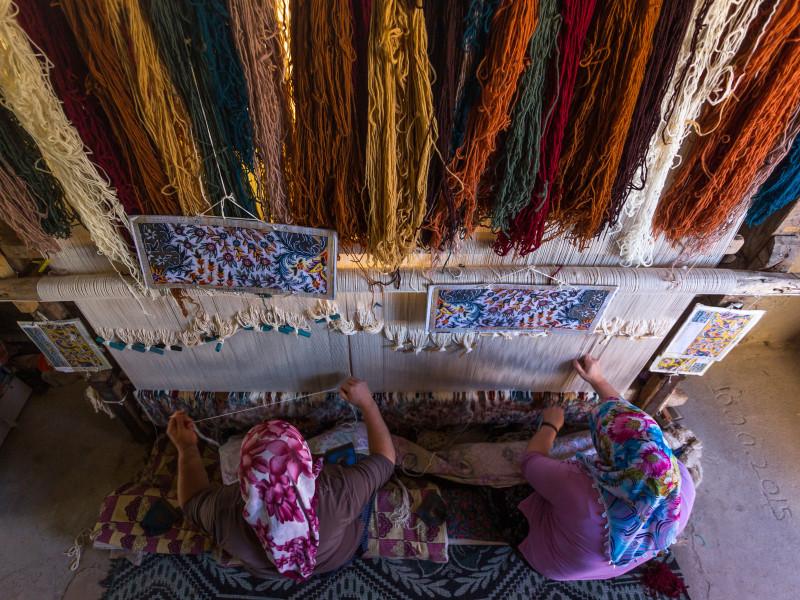
Bünyan Hand-Woven Carpet
Bünyan Hand-Woven Carpet (Bünyan El Halısı) is a type of carpet woven using traditional methods in the Bünyan district of Kayseri province and registered with a "designation of origin". As one of the important representatives of the carpet weaving tradition in Turkey, the Bünyan carpet stands out with its technical characteristics, cultural origin, and unique pattern structure. In Bünyan, carpet weaving is kept alive both as an economic activity and a cultural heritage. History The origins of Bü
ENMelahat Pamuk
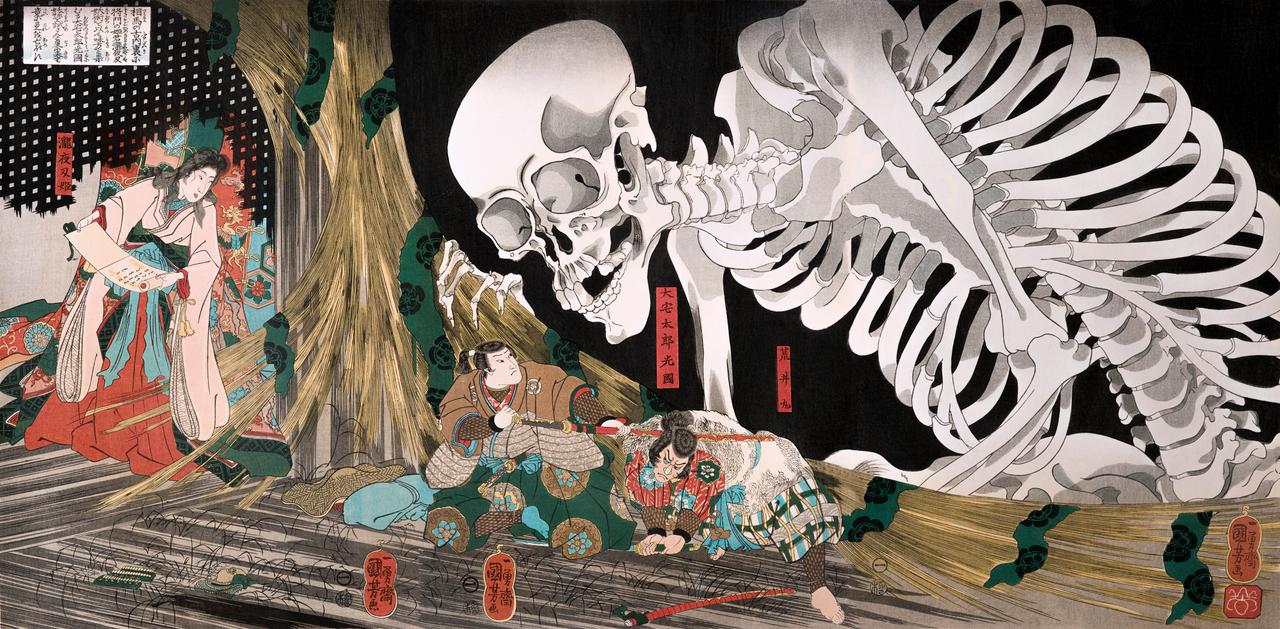
Ukiyo-e
Ukiyo-e is an art form that developed during Japan’s Edo Period (1603–1867), particularly known for its woodblock print technique. It depicts the pleasure-centered lifestyle of urban culture, theater scenes, portraits of famous actors, sumo wrestlers, and landscape views. The production process typically involves the designer artist’s drawing, the woodcarver transferring the design onto blocks, and the printer completing the reproduction. Takiyasha the Witch and the Skeleton Specter, Utagawa Kun
EN
Nazlı Kemerkaya

Stained Glass
Stained glass is a decorative glass technique created by assembling pieces of glass in different colors with lead strips, usually placed in window openings. This technique involves methods such as coloring the glass itself (pot-metal), surface painting (enamel), or applying metal oxide to the glass surface (silver stain) to achieve color. The resulting compositions, with their light-transmitting qualities, create a visual effect within the interior space of the architectural structure. Considere
ENNazlı Kemerkaya

International Day of Islamic Art
The International Day of Islamic Art is a special day established in the modern cultural calendar to recognize the contribution of Islamic arts to world heritage, promote their appreciation and encourage cultural dialogue. Proclaimed by the UNESCO General Conference, this day is observed annually on November 18. It aims to highlight the artistic legacy of Islamic civilization while fostering cultural rapprochement and strengthening tolerance and dialogue among peoples. Islamic Arts (Kültür Porta
EN
Nursena Güller
Seydiler Kilim
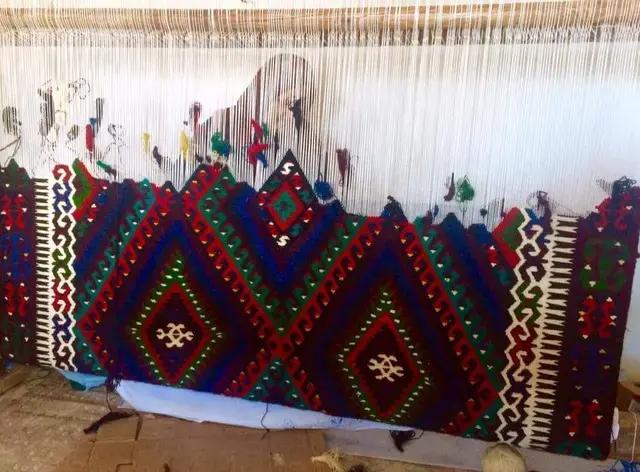
Seydiler Kilim is a geographically indicated type of flat-woven rug produced in the Seydiler, Seki, Atlıdere, and Ören neighborhoods of the Seydikemer district in Muğla Province, Türkiye. Reflecting a deep-rooted weaving tradition, it was registered as a Protected Geographical Indication on February 3, 2020, under the Industrial Property Law No. 6769, and is protected by the Fethiye Chamber of Commerce and Industry. Definition and Distinctive Features Seydiler Kilim is a traditional handwoven te
EN
Elif Laçin
Güllübahçe Cloth Dolls
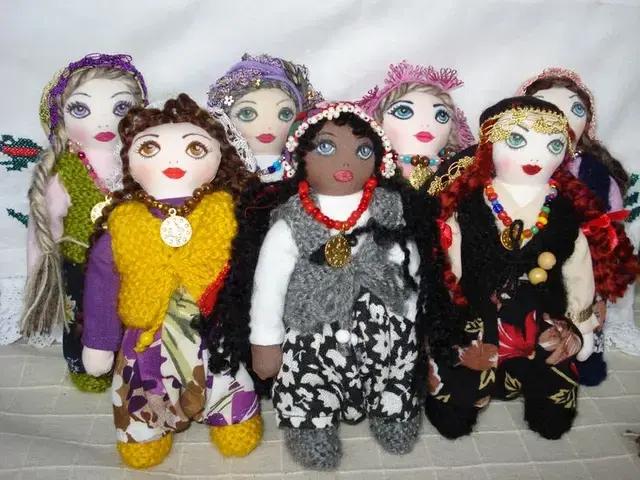
Güllübahçe Cloth Dolls are traditional handmade fabric toys produced entirely by hand in Güllübahçe Neighborhood of Söke district, Aydın province, Türkiye. Reflecting the area’s cultural identity, these dolls were registered as a Protected Geographical Indication under Law No. 6769 on Industrial Property on September 4, 2025, through the Söke Commodity Exchange. Description and Distinctive Features Güllübahçe Cloth Dolls are crafted from local fabrics and natural stuffing materials. Each doll in
ENElif Laçin
Diyarbakır Kişnişli Kolye
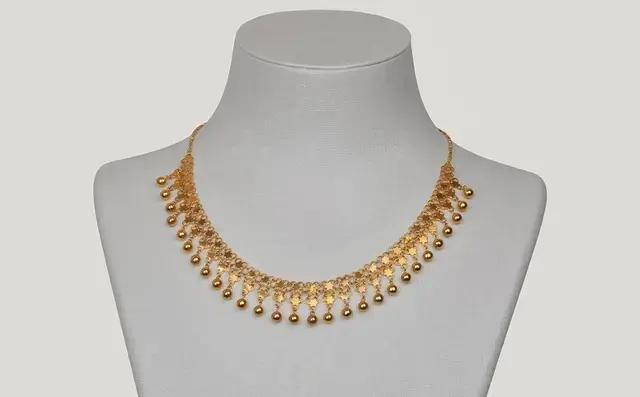
Diyarbakır kişnişli kolye is a traditional jewelry piece unique to Diyarbakır, crafted entirely by hand from 14 or 22 karat gold. Registered as a Geographical indication on July 12, 2024, under Law No. 6769 on Industrial Property, it was applied for by the Diyarbakır Chamber of Commerce and Industry. Production and processing must occur within Diyarbakır province. The necklace consists of approximately 700 pieces, each handmade and joined using soldering techniques. The balls are composed of two
ENElif Laçin
Şile Cloth
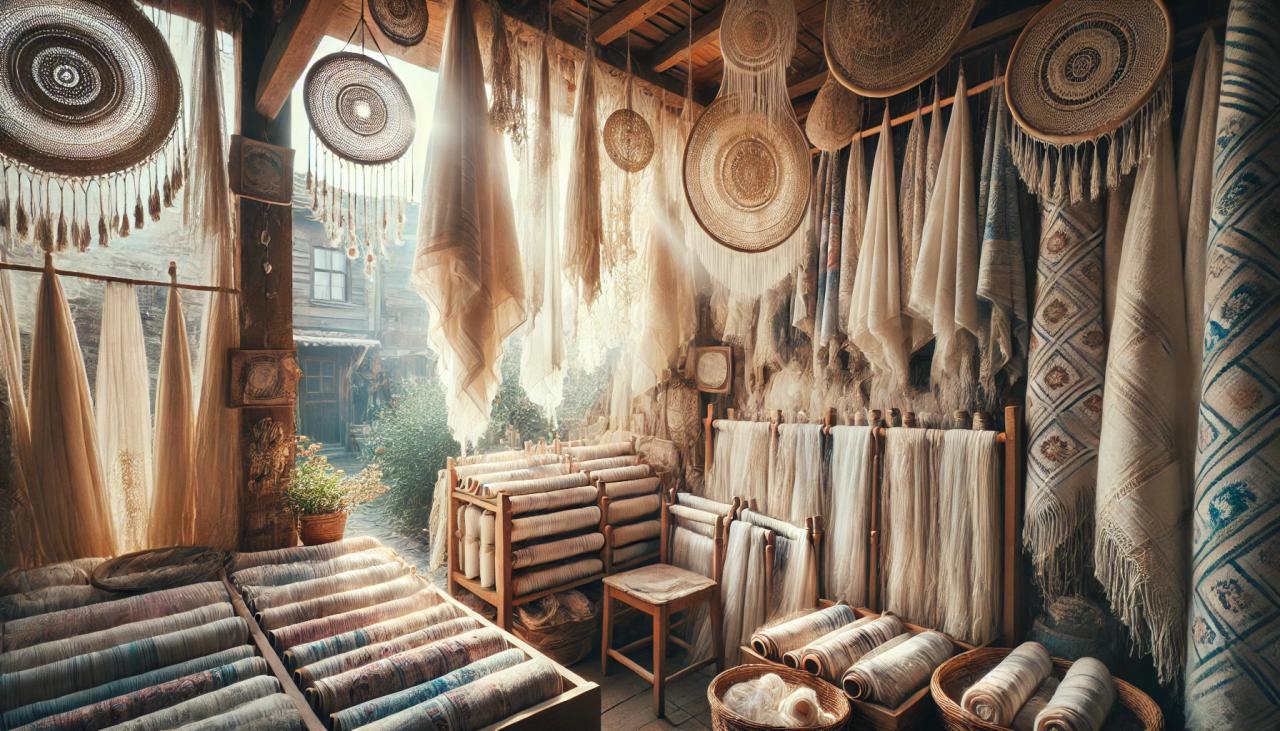
Şile Bezi is a woven fabric made from 100% cotton yarn using traditional methods in the Şile district of Istanbul and registered with a geographical indication. Its flexible and wrinkled structure, derived from highly twisted yarns, gives it a crinkled, natural surface. The production process includes sizing, weaving on hand or semi-automatic looms, bleaching with lime slurry, washing in seawater along the Şile coast of the Black Sea, and drying on sand. Şile Bezi is distinguished by both its we
EN
Sabiha Meyra Şahinler