

`element` ile İlgili Madde Sonuçları
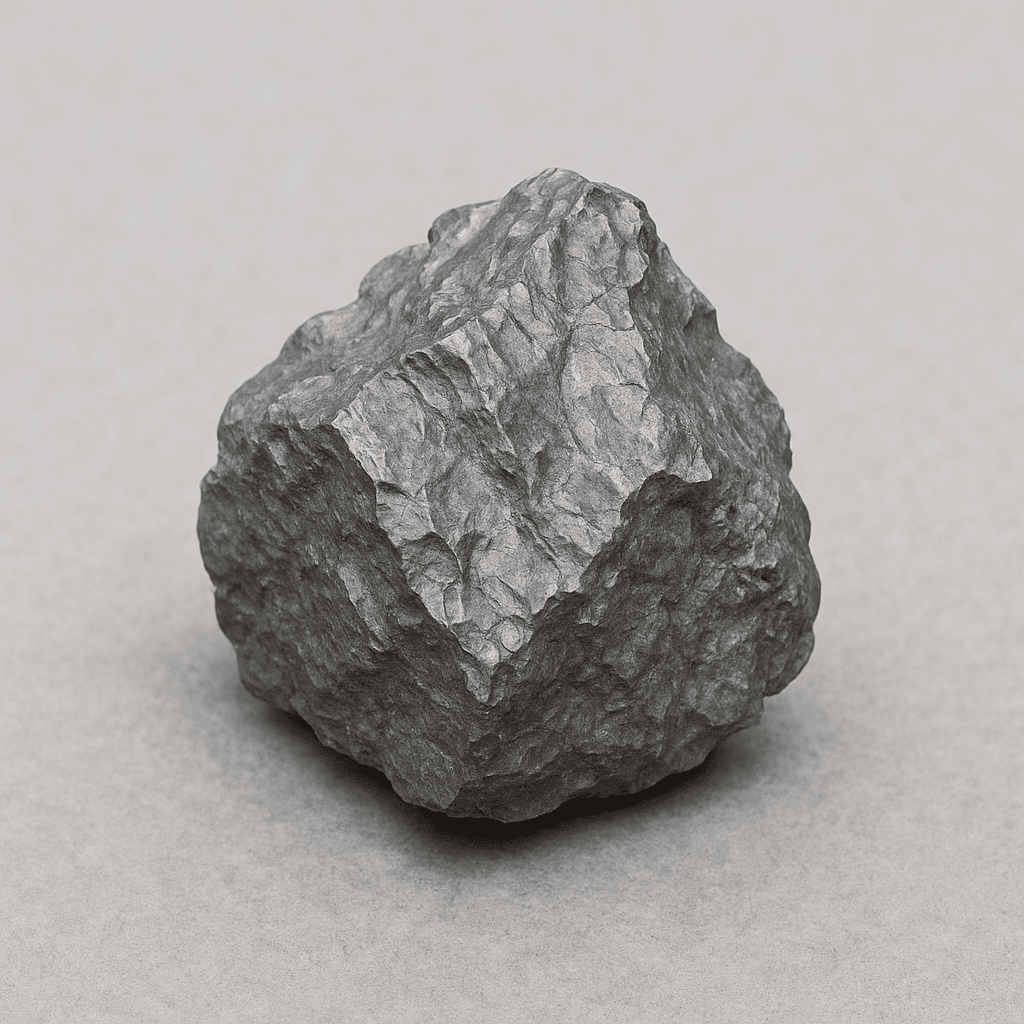
Tungsten Element
Tungsten (symbol W) is a chemical element with atomic number 74 belonging to the group of transition metals. Its name is derived from the Swedish phrase “tung sten” meaning “heavy stone”. It is located in group 6B of the periodic table and does not occur in nature in its free state; it is found only in compound minerals. Chemically it is a highly inert metal. At room temperature it does not react with air or water and dissolves only in certain strong acids. For example tungsten does not dissolve
EN
Samet Şahin
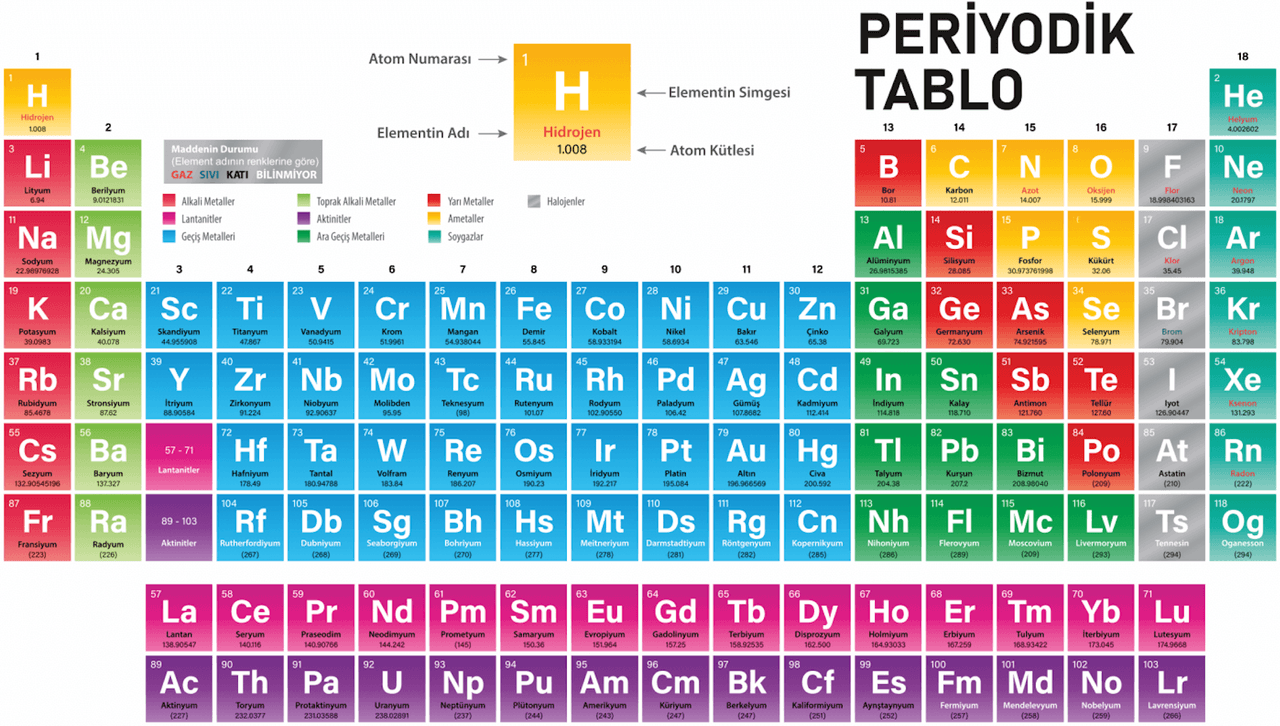
Element
An element is a pure chemical substance composed entirely of atoms of a single type, pure. Each atom in an element is defined by its atomic number, which represents the number of proton in its nucleus. This atomic number distinguishes one element from another; in other words, each element has a unique atomic number. For example, all atoms with six protons are carbon (C), while those with eight protons are oxygen (O). Elements are the fundamental building building blocks of all matter in the univ
EN
Fatih Birinci
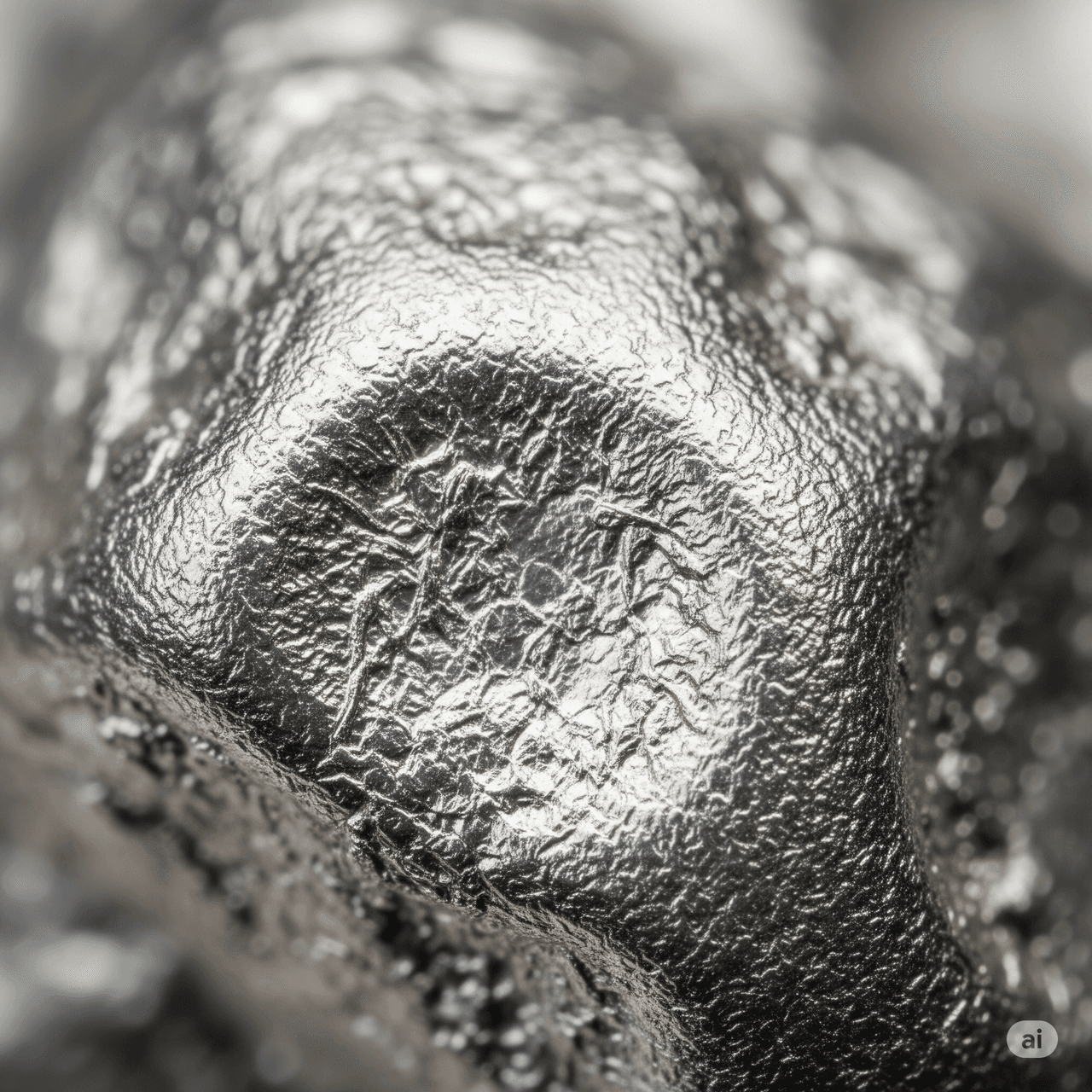
Ytterbium (Yb)
Ytterbium is a soft, silvery metal with atomic number 70, belonging to the lanthanide series. It was discovered in 1878 by Swiss chemist Jean-Charles Galissard de Marignac and named after Ytterby, the Swedish village where it was first identified. Classification and Basic Properties Ytterbium (Yb) is an element located in the sixth period of the periodic table within the lanthanide group. Its electron configuration is [Xe] 4f¹⁴6s². This fully filled 4f shell causes certain properties of ytterbiu
EN
Caner Sefa Koçyiğit
 Be
BeBeryllium
History Beryllium was first discovered in 1798 by the French chemist Louis Nicolas Vauquelin in the minerals beryl and emerald oxide. In 1828, its metallic form was isolated independently by Friedrich Wöhler and Antoine Bussy. The commercial use of beryllium increased at the beginning of the 20th century when its value as an alloying agent was recognized difference. Beryllium is a light and hard alkaline earth metal located in group 2A of the periodic table place. This rare element is typically
ENSafiye Gül Saygılı
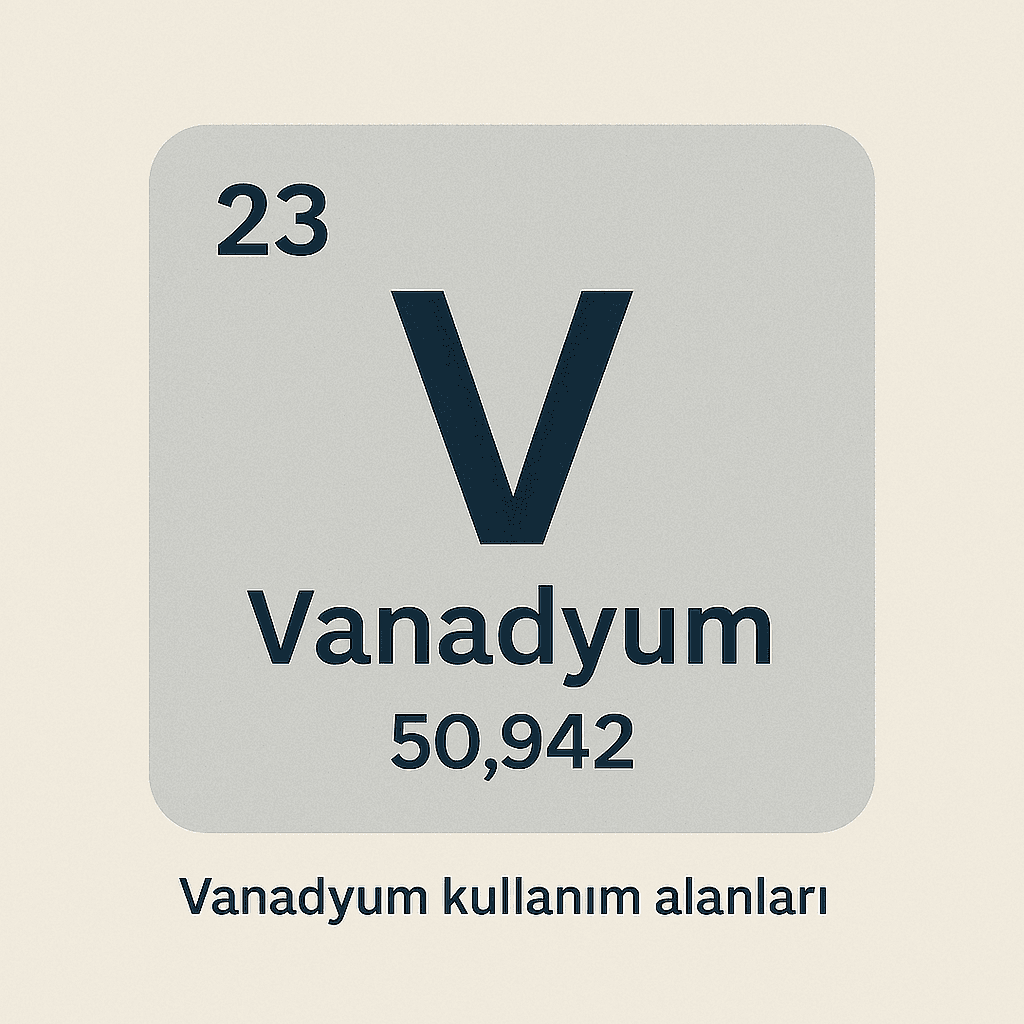
Vanadium (V)
Vanadium is a chemical element with atomic number 23 located in the transition metals group of the periodic table. This element is typically found in nature in compound form and plays various roles in both industrial and biological systems. The physical and chemical properties of vanadium make it significant across a wide range of applications from alloy technologies to biochemical processes. Discovery Vanadium was first discovered in 1801 by Mexican mineralogist Andrés Manuel del Río. Although
EN
Zehra Yayla
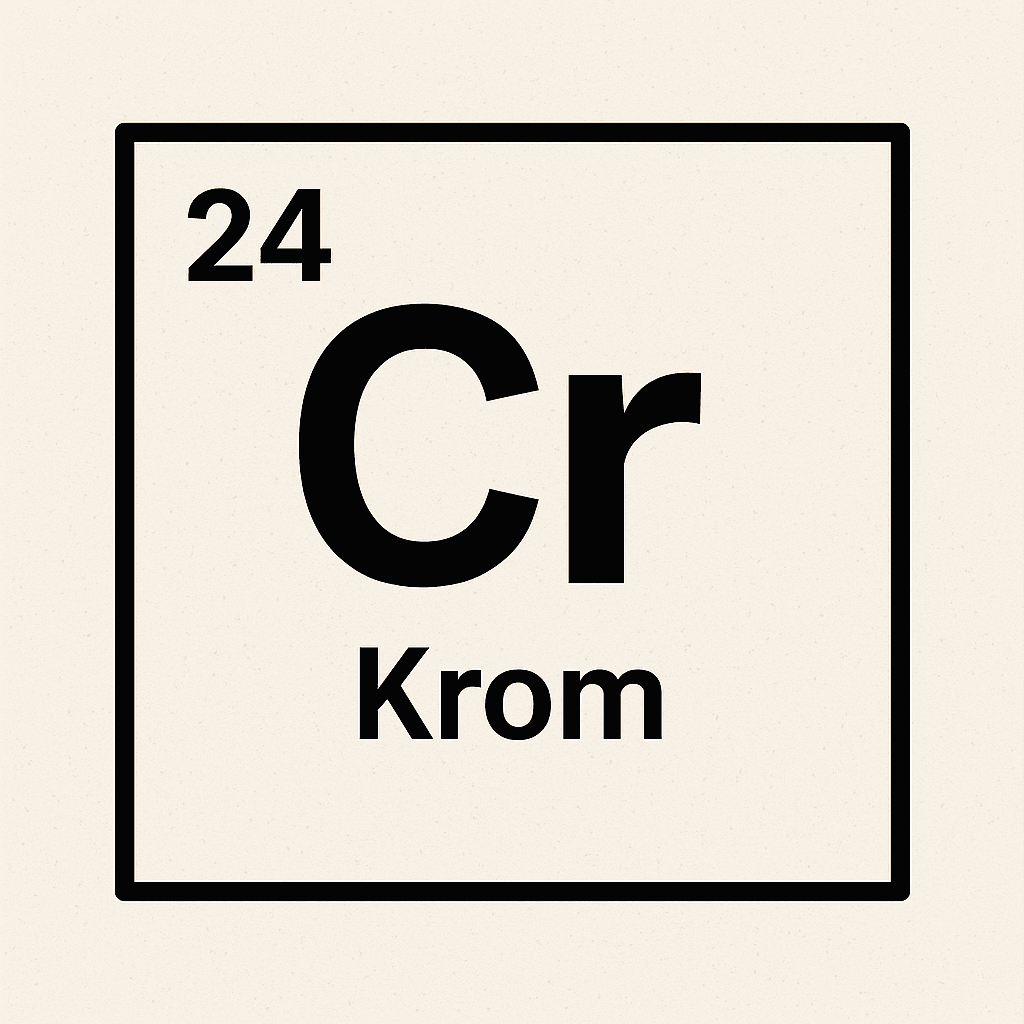
Chromium (Cr)
Chromium is a transition metal with atomic number 24 located in group 6 of the periodic table. This element is recognized for its shiny surface high hardness and resistance to corrosion and plays important roles in both industrial and biological systems. Its name is derived from the Greek word “chroma” meaning color because its compounds exhibit a wide variety of vivid colors. Chromium is indispensable especially in stainless steel production plating technologies and the pigment industry. Discov
ENZehra Yayla
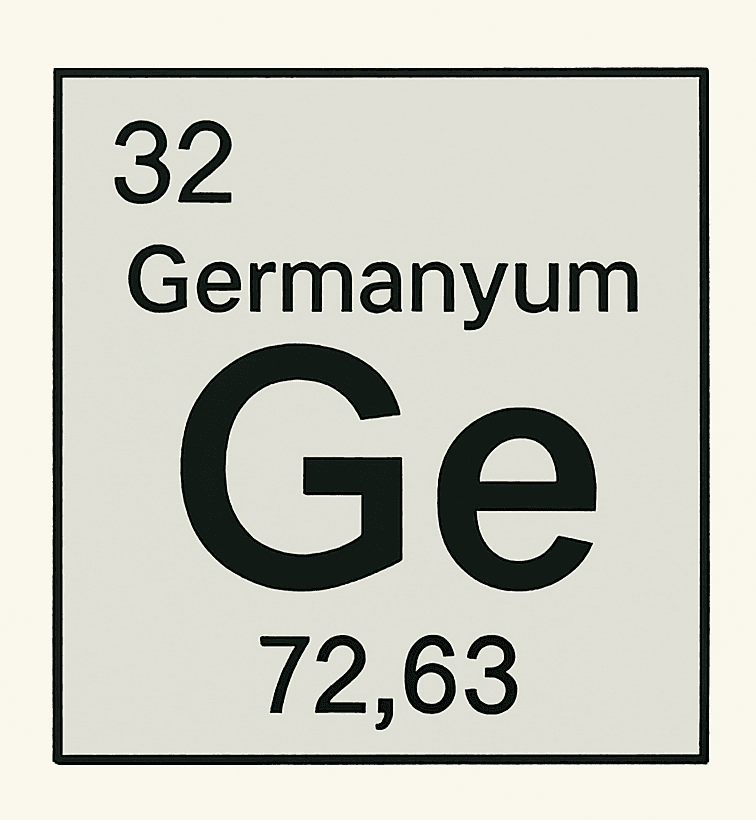
Germanium (Ge)
Germanium (Ge) is a metalloid located in group 14 of the periodic table with an atomic number of 32. This element has a bright gray appearance and has gained significant importance in electronic and optoelectronic technologies due to its semiconductor properties. Germanium exhibits chemical similarities to silicon and tin and is one of the rare elements found in nature, typically occurring in trace amounts within sulfide minerals. Discovery Germanium was discovered in 1886 by the German chemist
ENZehra Yayla
What is Fermium?
Fermium is a highly specialized element that appears in the periodic table. It is a very heavy and radioactive metal. It does not occur naturally; scientists produce it in laboratories. For this reason, it is a rare and valuable element. Discovery and Name Fermium was discovered in 1952 through reactions involving uranium and other elements. It is named after the renowned physicist Enrico Fermi, in honor of the contributions made by scientists. Properties Fermium is a very heavy element and is r
EN
Rüya Dumlu
Holmiyum (Ho)
Holmiyum, adını belki de sık sık duymadığımız ama çok ilginç özelliklere sahip bir elementtir. Bilim insanları onu kısaca "Ho" sembolüyle gösterir. Gümüş gibi parlayan, yumuşak bir metal olan Holmiyum, teknoloji ve bilim için oldukça değerlidir. Holmiyum, "Nadir Toprak Elementleri" denilen çok özel bir ailenin üyesidir. Bu ailedeki elementler doğada genellikle bir arada bulunur ve onları birbirinden ayırmak biraz zordur. Ama her birinin kendine özgü harika özellikleri vardır! Holmiyum'un Keşif H
TRCaner Sefa Koçyiğit
Darmstadtiyum (Ds)
Bugün çok özel bir elementle tanışacağız: Darmstadtiyum (okunuşu: Darm-ştat-ti-yum)! Bilim insanları onu kısaca "Ds" sembolüyle gösterir. Darmstadtiyum'u diğer elementlerden ayıran çok önemli bir özelliği vardır: O, doğada bulunmaz! Evet, yanlış duymadınız. Bu elementi bir dağda, denizde veya havada bulamayız. O, tamamen laboratuvarda, bilim insanları tarafından yapılmış "yapay" bir elementtir. Darmstadtiyum'un Doğum Yeri Bu özel element, adını Almanya'daki Darmstadt şehrinden alır. Çünkü ilk ke
TRCaner Sefa Koçyiğit