

`effect` ile İlgili Madde Sonuçları
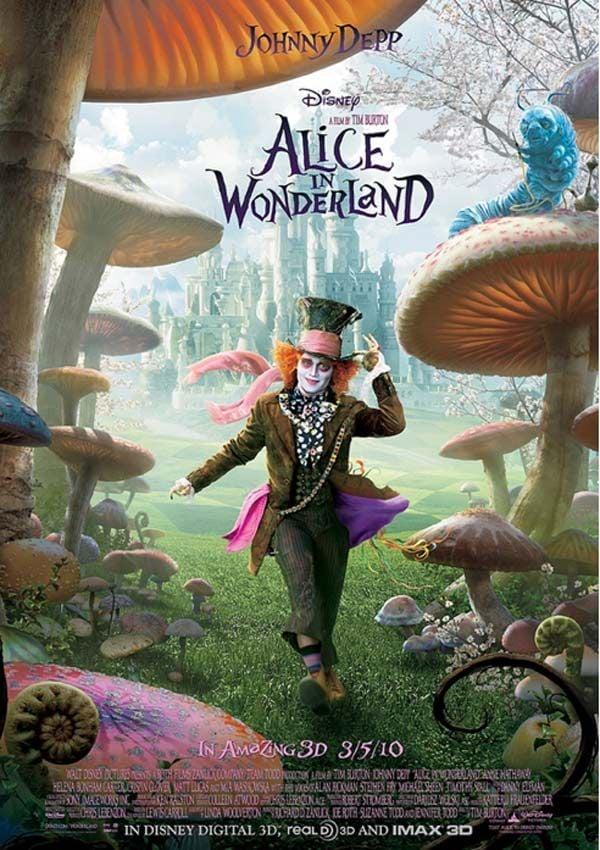
Alice in Wonderland (Film, 2010)
The film Alice in Wonderland (original title: Alice in Wonderland) is a fantasy adaptation of Lewis Carroll’s 19th-century novel of the same name. Directed by Tim Burton and produced by Disney Studios, this 2010 version diverges from previous adaptations by reinterpreting the classic story’s themes and characters through Burton’s distinctive vision. The film begins with Alice returning to the fantastical realm of Wonderland, which she visited as a child but no longer remembers. In the real world
EN
Burcu Sandıkçı
 Ef
EfEfekt
Köken İngilizce "effect" kelimesinden türetilmiştir ve Türkçeye sinemadan ve teknolojiden alınmıştır. Kullanım Alanları Sanat: Sinema ve televizyon yapımlarında görsel ve işitsel efektler anlamında kullanılır. Teknik: Çeşitli alanlarda, özellikle dijital teknolojilerde, belirli bir sonucu elde etmek için yapılan işlemler.
TR
Esra Can
MaMandela Effect
The Mandela Effect describes a phenomenon in which a large group of people collectively remember events, information, or details wrong incorrectly. These collective false memories can span a wide range, from famous quotations to historical events and even fictional characters. The term “Mandela Effect” was coined to describe this strange phenomenon and has since been widely discussed in psychology, sociology and pop culture culture. The History of the Mandela Effect: Origins and Discovery The Ma
EN
Ahsen Buyurkan
HaHalation Effect
First impressions between people are not limited to the emotions and thoughts that emerge in the first moments of an encounter; they also shape our long-term perceptions. Understanding this effect is important for learning how to make healthier evaluations in social interactions. In psychology, a single characteristic of a person—such as physical attractiveness, tone of voice, or overall demeanor—can lead us to evaluate them more broadly. This is known as the halo effect. The halo effect is the
EN
Fazlı Sefa Günay
MaMandela Effect
The Mandela Effect refers to a phenomenon where a large group of people misremember events, information, or details. These collective false memories can span a wide range, from famous quotes and historical events to even fictional characters. The term "Mandela Effect" was coined to describe this strange phenomenon and has since been widely discussed in the fields of psychology, sociology, and pop culture. History of the Mandela Effect: Origins and Discovery The Mandela Effect was first introduce
ENAhsen Buyurkan
ZeZeigarnik Effect
The Zeigarnik effect is a psychological phenomenon that posits people tend to think more about and remember more vividly tasks they have left incomplete or unfulfilled. First proposed in 1927 by Soviet psychologist Bluma Zeigarnik, this effect provides important insights into how unfinished tasks and unresolved thoughts occupy our minds in everyday life. Zeigarnik’s experiments demonstrated that individuals dwell more on the outcome of incomplete tasks and that these thoughts are mentally more “
ENFazlı Sefa Günay