
`continuous-improvement` ile İlgili Madde Sonuçları

ISO 9001
ISO 9001 is an international standard published by the International Organization for Standardization (ISO) that defines requirements for a Quality Management System (QMS). It provides a framework to help organizations consistently deliver products and services that meet customer and applicable legal and regulatory requirements and to enhance customer satisfaction. With over one million certifications issued in 189 countries worldwide it is the most widely used quality management standard. ISO 9
EN
Seda Özdemir

Gemba
Gemba is a Japanese-origin concept meaning "real place." This term is used especially in production and management fields to describe the physical location where the work actually takes place. Gemba can include both production lines and points of contact with customers. The concept is one of the fundamental pillars of lean thinking and is based on the idea that problems or opportunities can only be fully understood where the events occur.This approach, which plays a central role in the developme
EN
Emre Özen

Jishuken
Jishuken is a practical learning and problem-solving method rooted in Japan and developed specifically within the framework of the Toyota Production System, as part of the continuous improvement philosophy of lean manufacturing. In this approach, managers and engineers conduct direct observations on the production floor to achieve improvements in productivity, quality, and processes. The method simultaneously aims to foster leadership development and operational excellence within the organizatio
ENEmre Özen
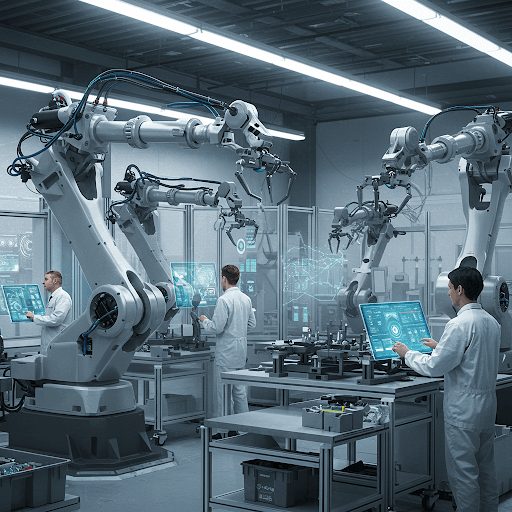
Jidoka
Jidoka is a production principle within the Toyota Production System (TPS) that refers to a mechanism enabling the detection of defects during the manufacturing process and stopping the process either automatically or through operator intervention. The term, originating from Japanese, is defined as “adding human intelligence to automation” or “automation with a human touch.” The Jidoka principle focuses on ensuring quality during production and provides a system that prevents processes from cont
AZEmre Özen
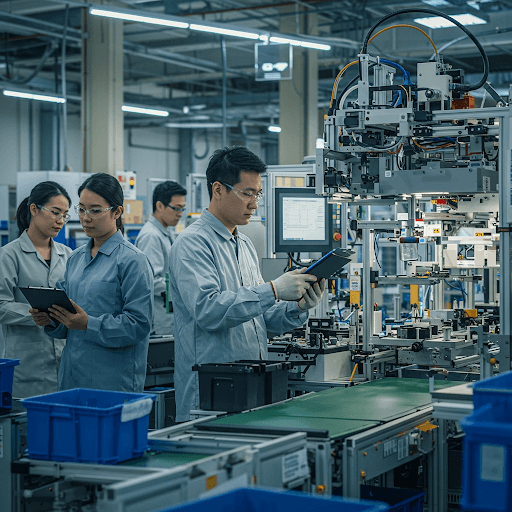
Jidoka
Jidoka is a production principle within the Toyota Production System (TPS) that refers to a mechanism enabling the detection of errors during the production process and the subsequent stopping of the process either automatically or through operator intervention. The term originates from Japanese and is defined as “infusing human intelligence into automation” or “human-controlled automation.” The Jidoka principle centers on quality within the production process and provides a structure that preve
ENEmre Özen
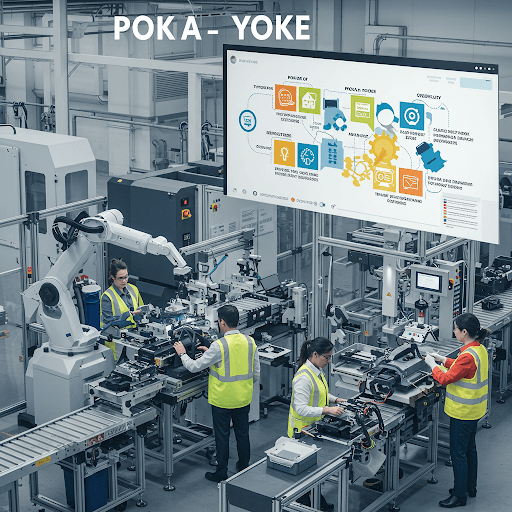
Poka Yoke
Poka Yoke is a production and quality assurance technique, meaning "protection from mistakes" or "error prevention" in Japanese. It was systematically developed in the 1960s by quality expert Shigeo Shingo at Toyota and became a cornerstone of the "Zero Quality Control" philosophy. The system aims to provide low-cost, simple, and practical solutions that either prevent human errors or immediately detect them when they occur.Poka Yoke fundamentally serves two functions: mistake-proofing (error pr
ENEmre Özen
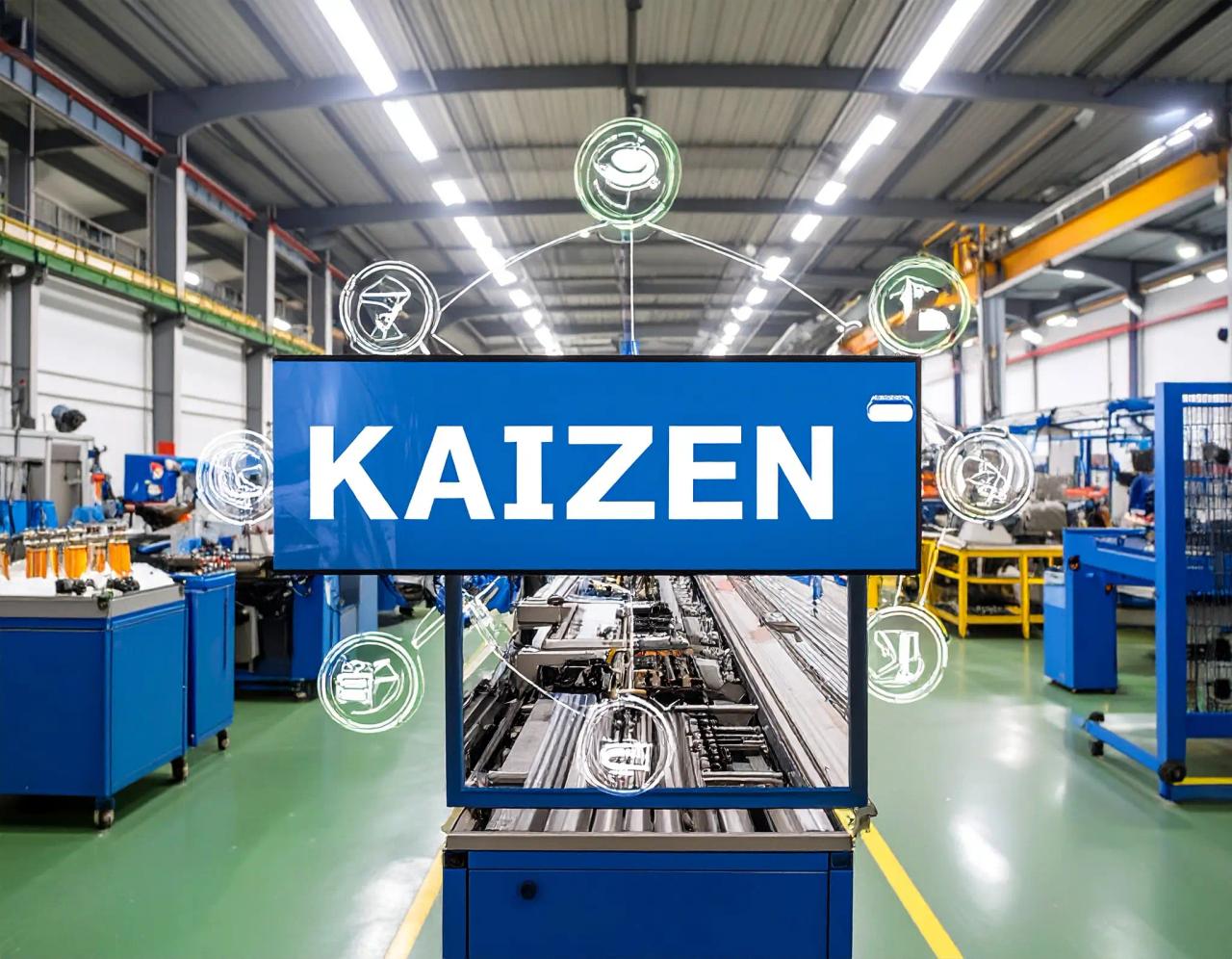
Kaizen
Kaizen is a Japanese-origin concept meaning "improvement" or "continuous improvement." It is defined as a fundamental element of Japanese production culture and emphasizes ongoing development at both individual and organizational levels. This concept has gained widespread recognition in the international literature, particularly within the context of the Toyota Production System (TPS), and has become a core principle in modern production and management systems. Kaizen relies on the cumulative ef
ENEmre Özen
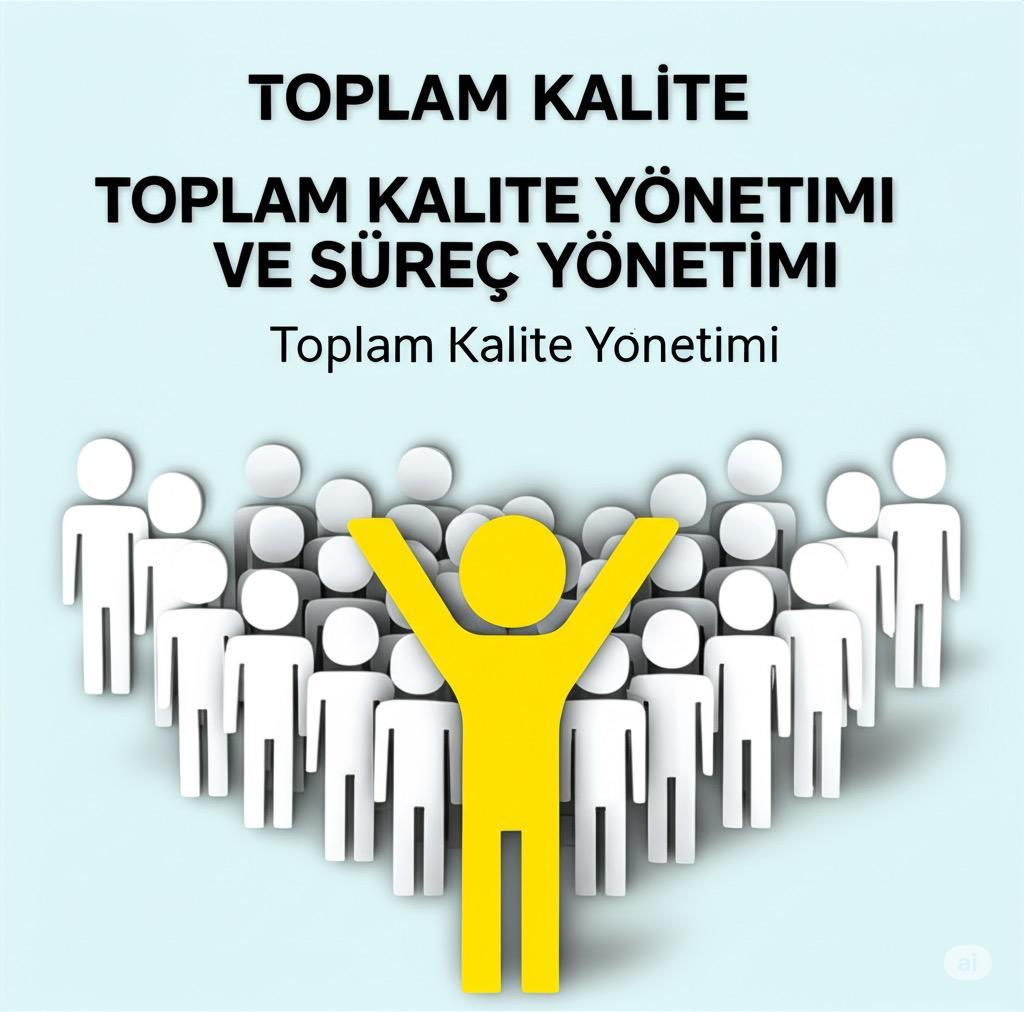
Total Quality Management
Quality can be defined as the degree to which a product or service meets specific characteristics, standards, or customer expectations. This definition encompasses both technical competence and perceived value. Quality is not merely a feature of the final product or service but an essential attribute that must be pursued throughout all production and delivery processes. Total Quality, therefore, means extending this perspective to the entire organizational performance. Total Quality Management (
EN
Şeyma Kanter
 Wh
WhWhat is Kaizen?
Kaizen is a continuous improvement technique derived from the Japanese words “kai” (change) and “zen” (good).It can be defined as small, ongoing improvement activities aimed at eliminating all forms of waste (MUDA) that exist in processes, equipment, or products but do not generate value.Kaizen is the bridge between where we are and where we want to be.The History of KaizenKaizen originated in Japan and was first implemented by Toyota in the 1950s. Toyota used Kaizen to increase efficiency and r
ENAyberk Yılmaz