

`asik-veysel` ile İlgili Madde Sonuçları
What is the Bağlama?
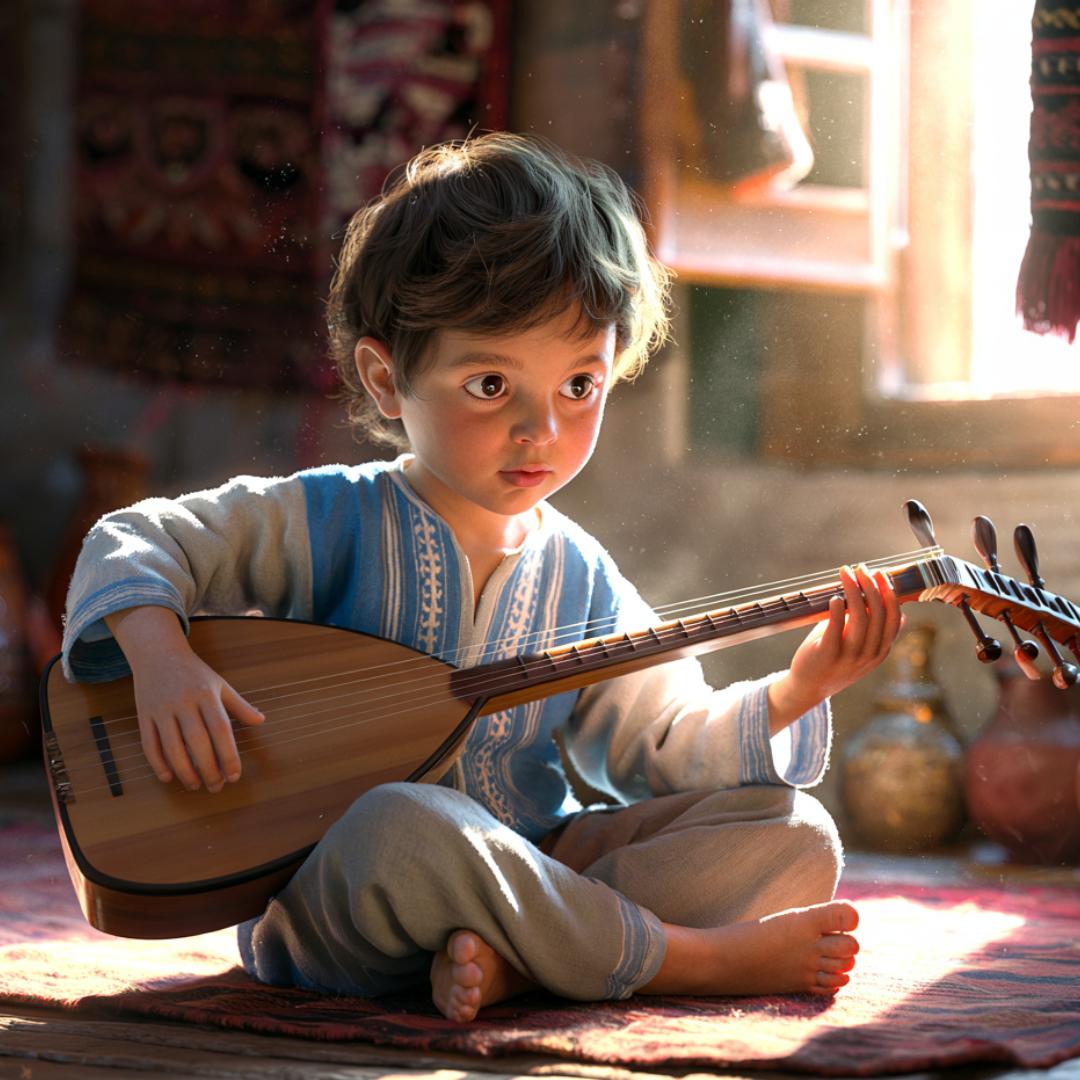
The bağlama is one of the most renowned musical instruments of Anatolia. It has a long neck, a rounded body, and consists of three main groups of strings. It is also commonly known among the people as “saz.” For thousands of years, it has carried the joys, sorrows, loves, and stories of the Anatolian people. You may encounter it at a village wedding, on a holiday morning, or within the melody of a folk song. Bağlama (Generated by Artificial Intelligence.) " image-element-format="right" image-sou
EN
Mehtap Pamuk
Bağlama Nedir?
Bağlama, Anadolu’nun en tanınmış müzik aletlerinden biridir. Sapı uzun, gövdesi yuvarlak ve üç ana tel grubundan oluşur. Halk arasında “saz” adıyla da bilinir. Binlerce yıldır Anadolu insanının sevinçlerini, üzüntülerini, aşklarını ve hikâyelerini taşır. Bir köy düğününde, bir bayram sabahında ya da bir türkünün içinde karşına çıkabilir. Bağlama (Yapay Zeka İle Oluşturulmuştur.) " image-element-format="right" image-source="https://cdn.t3pedia.org/media/uploads/2025/08/10/3Kb4aF9mWeI2McqgNaaRE4zx
TRMehtap Pamuk
The Sage of Saz and Soil: An Existential Analysis of Âşık Veysel’s Poem “Kara Toprak”
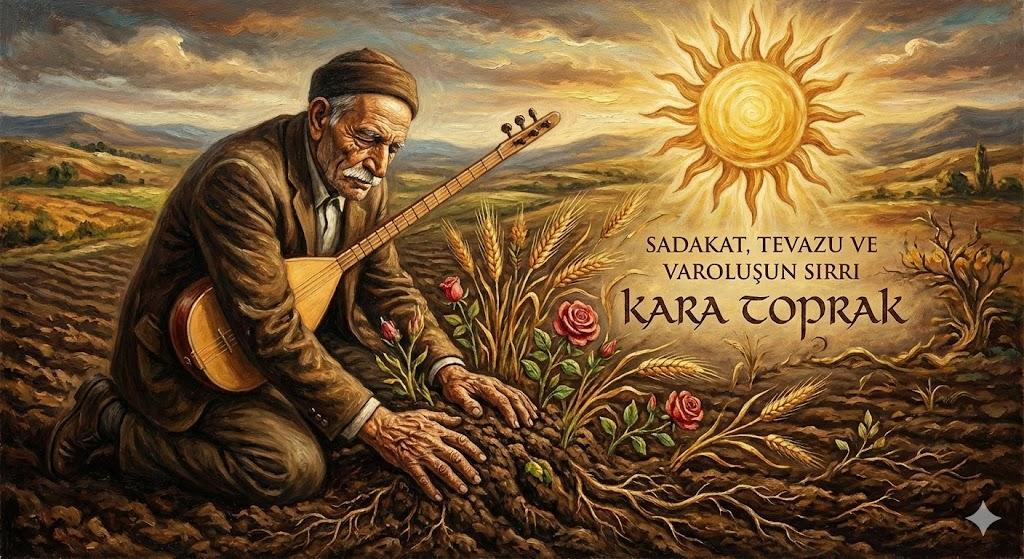
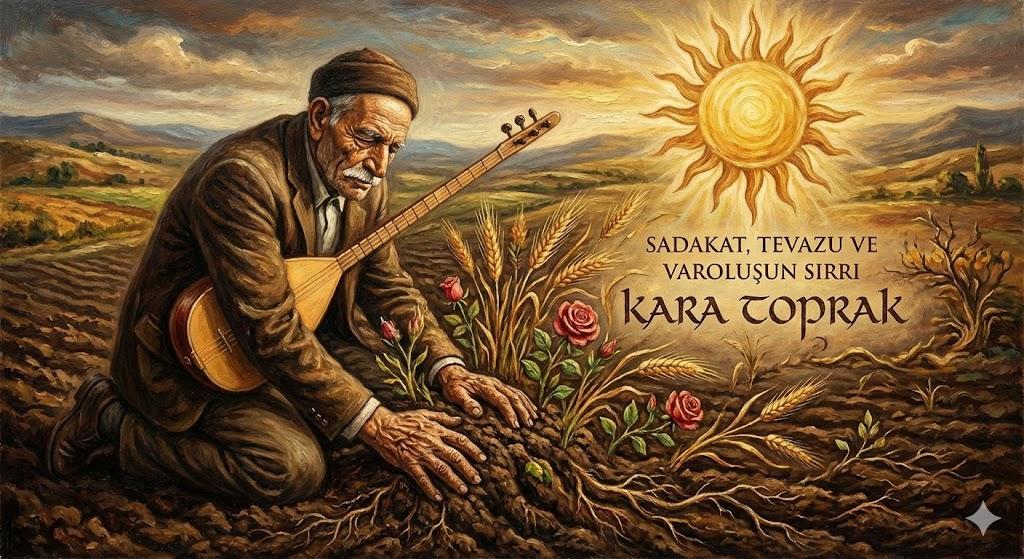
Within the thousand-year tradition of Turkish folk poetry, the ancient bond between nature and humanity has never acquired as profound a meaning as in the saz of Âşık Veysel. A life that began in 1894 in the Şarkışla district of Sivas and was plunged into darkness at the age of seven due to smallpox ultimately constructed the most luminous philosophy of nature in Turkish literature. The pinnacle of this philosophy is undoubtedly the poem “Kara Toprak,” which defines the earth not merely as a mea
EN
Bahtiyar Bora ERGÜN
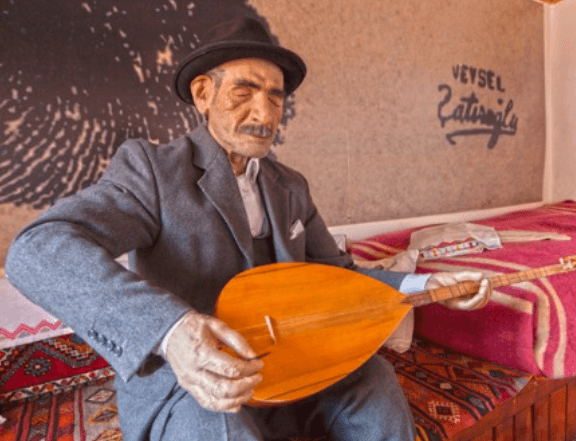
Aşık Veysel Museum
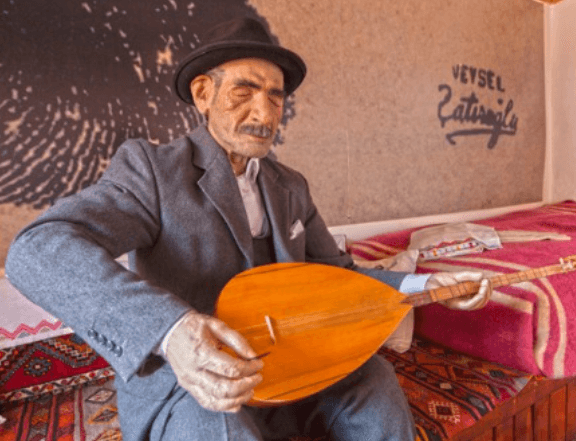
Âşık Veysel Museum is a memorial museum dedicated to the life, art, and cultural legacy of the folk poet Âşık Veysel Şatıroğlu. The museum is located in the village of Sivrialan, in the district of Şarkışla, Sivas Province, Türkiye, in the very house where Âşık Veysel was born, raised, and spent most of his life. Foundation and History The museum’s foundation was laid after Âşık Veysel’s death, driven by the desire to preserve his cultural legacy. The house where he was born, raised, and spent h
EN
Ahsen Güneş
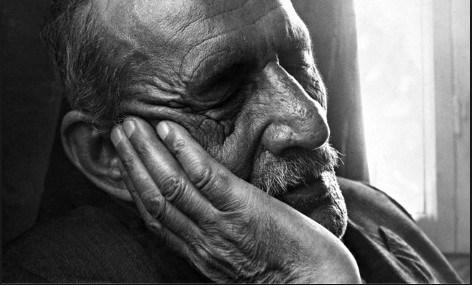
Âşık Veysel
Âşık Veysel, full name Âşık Veysel Şatıroğlu, is regarded as one of the most important representatives of 20th-century Anatolian âşıklık tradition, blending traditional folk poetry with a modern sensibility and leaving enduring contributions to Turkish culture as a folk minstrel. Despite his visual impairment, the works produced by Âşık Veysel have been recognized for bridging intellectual circles and folk culture. The artist addressed themes of humanity and society through oral narration and hi
EN
Nida Öztürkmen
Âşık Veysel
Âşık Veysel, tam adıyla Âşık Veysel Şatıroğlu, 20. yüzyıl Anadolu âşıklık geleneğinin en önemli temsilcilerinden biri olarak, hem geleneksel halk şiirini modern bir duyarlılıkla harmanlamış hem de Türk kültürüne kalıcı eserler bırakmış bir halk ozanıdır. Aşık Veysel'in görme engeline rağmen ürettiği eserler, aydın çevreler ve halk kültürü arasında bağlantı kuran bir nitelikte değerlendirilmiştir. Sanatçı, eserlerinde insan ve toplum temalarını ele alarak bunları sözlü anlatım ve sazıyla ifade et
TRNida Öztürkmen
Aşık Veysel Müzesi
Âşık Veysel Müzesi, halk ozanı Âşık Veysel Şatıroğlu’nun yaşamına, sanatına ve kültürel mirasına adanmış bir anı müzesidir. Müze, Türkiye'nin Sivas iline bağlı Şarkışla ilçesinin Sivrialan Köyü'nde, Âşık Veysel’in doğup büyüdüğü ve hayatının büyük bölümünü geçirdiği evde yer almaktadır. Âşık Veysel Müzesi (T.C Kültür ve Turizm Bakanlığı) " image-alternate="" image-element-format="right"> Kuruluşu ve Tarihçesi Müzenin temeli, Âşık Veysel’in ölümünden sonra onun kültürel mirasını koruma düşünce
TRAhsen Güneş
Aşık Veysel Museum
Âşık Veysel Museum is a memorial museum dedicated to the life, art, and cultural legacy of the folk poet Âşık Veysel Şatıroğlu. The museum is located in the village of Sivrialan, in the district of Şarkışla, Sivas Province, Türkiye, in the very house where Âşık Veysel was born, raised, and spent most of his life. Âşık Veysel Museum (Ministry of Culture and Tourism of the Republic of Türkiye) " image-alternate="" image-element-format="right"> Founding and History The foundation of the museum w
EN
Ahsen Güneş
Aşık Veysel: Master of Folk Songs That Touch the Heart
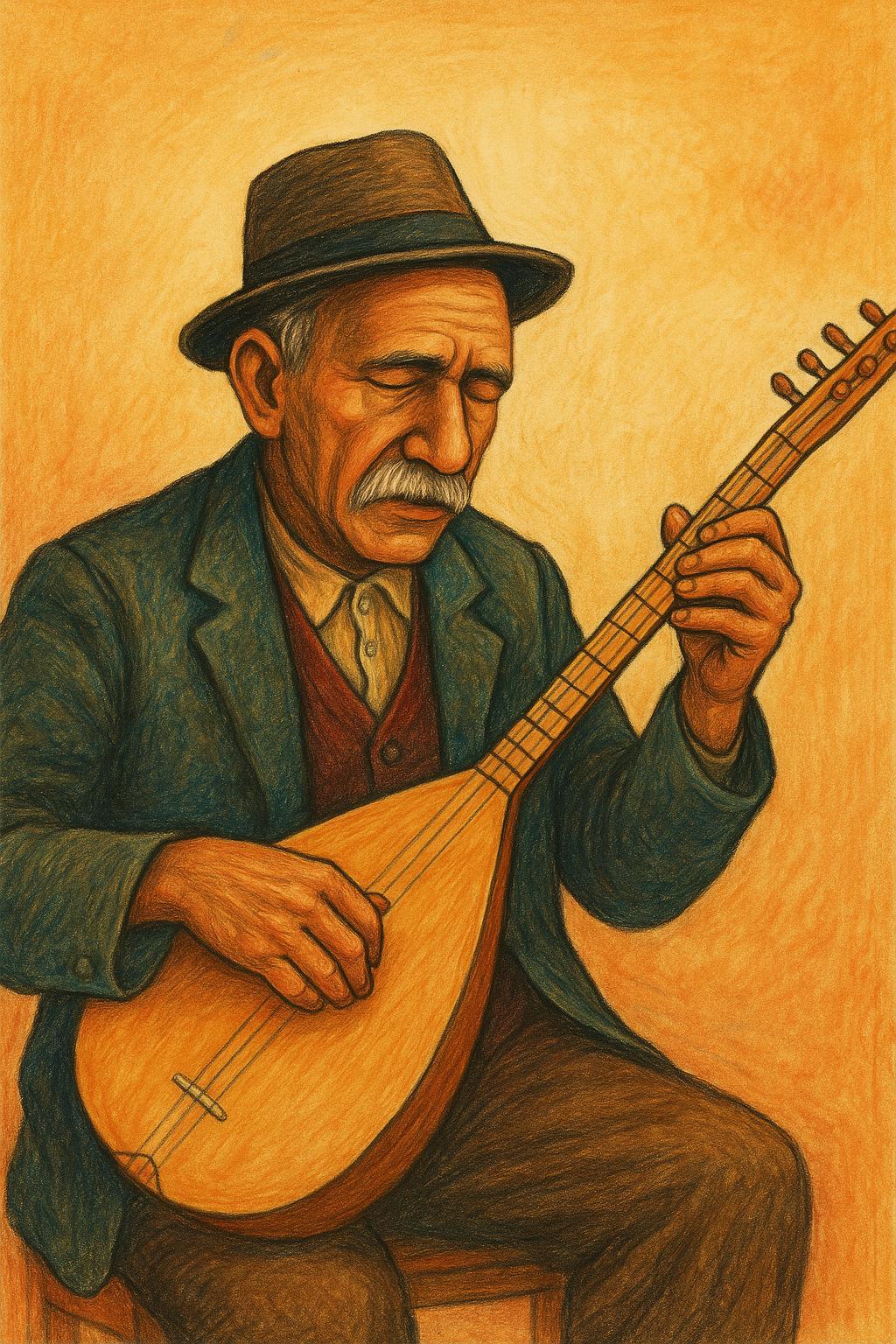
Aşık Veysel is one of the most beloved poets and ozans of Turkish folk literature. His real name is Veysel Şatıroğlu. He was born in 1894 in the village of Sivrialan, part of the Şarkışla district of Sivas. Despite losing his sight at a young age, he persistently and unwaveringly learned to play the saz and recite poetry. He dedicated his life to folk songs, human love, and nature. The Great Determination of Young Veysel At the age of seven, Aşık Veysel lost both eyes due to smallpox. Life was d
EN
Mustafa Cem İnci
Sazın ve Toprağın Bilgesi: Âşık Veysel’in "Kara Toprak" Şiirinde Varoluşsal Bir Analiz
Türk halk şiirinin bin yıllık geleneği içinde, doğa ve insan arasındaki o kadim bağ hiç kimsenin elinde Âşık Veysel’in sazı kadar derin bir anlam kazanmamıştır. 1894 yılında Sivas’ın Şarkışla ilçesinde başlayan ve çiçek hastalığı nedeniyle yedi yaşında karanlığa gömülen bir yaşam, aslında Türk edebiyatının en aydınlık doğa felsefesini inşa etmiştir. Bu felsefenin zirve noktası ise hiç kuşkusuz, toprağı sadece bir üretim aracı değil, bir "sadık yar" ve "ontolojik köken" olarak tanımlayan "Kara To
TR
Bahtiyar Bora ERGÜN