

`antonio-santelia` ile İlgili Madde Sonuçları
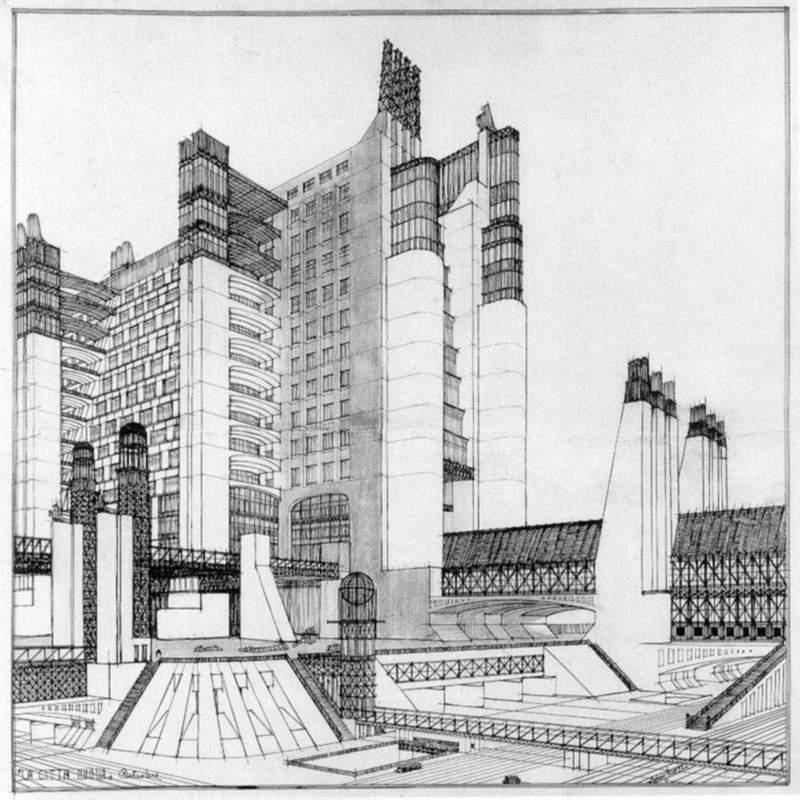
Futurist Architecture
Futurist architecture emerged in the early 20th century in Italy under the influence of the Futurism movement, aiming to adapt speed, dynamism, technology, and machine aesthetics into spatial design. This approach rejected traditional forms and ornamentation, instead embracing industrial materials such as steel, concrete, and glass. With sharp angles, curved lines, and dynamic forms, it sought to create an impression of movement. History Futurist architecture was the architectural reflection of
EN
Nazlı Kemerkaya
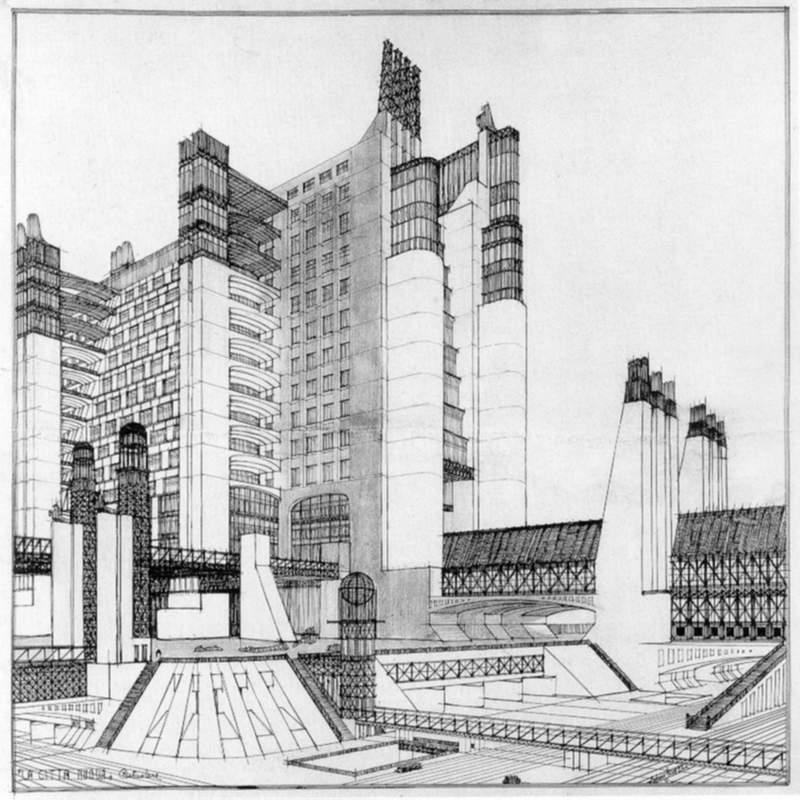
Fütürist Mimari
Fütürist mimari, 20. yüzyılın başlarında İtalya’da Fütürizm akımının etkisiyle gelişen, hız, dinamizm, teknoloji ve makine estetiğini mekânsal tasarıma uyarlamayı amaçlayan mimari anlayıştır. Bu yaklaşım, geleneksel biçim ve süslemeyi reddederek çelik, beton ve cam gibi endüstriyel malzemelere yönelmiş, keskin açılar, eğrisel çizgiler ve devingen formlarla hareket izlenimi yaratmıştır. Tarihçe Fütürist mimari, İtalya’da Filippo Tommaso Marinetti’nin 1909 tarihli Fütürist Manifesto’sunun ardından
TRNazlı Kemerkaya