

`zoology` Related Article Results
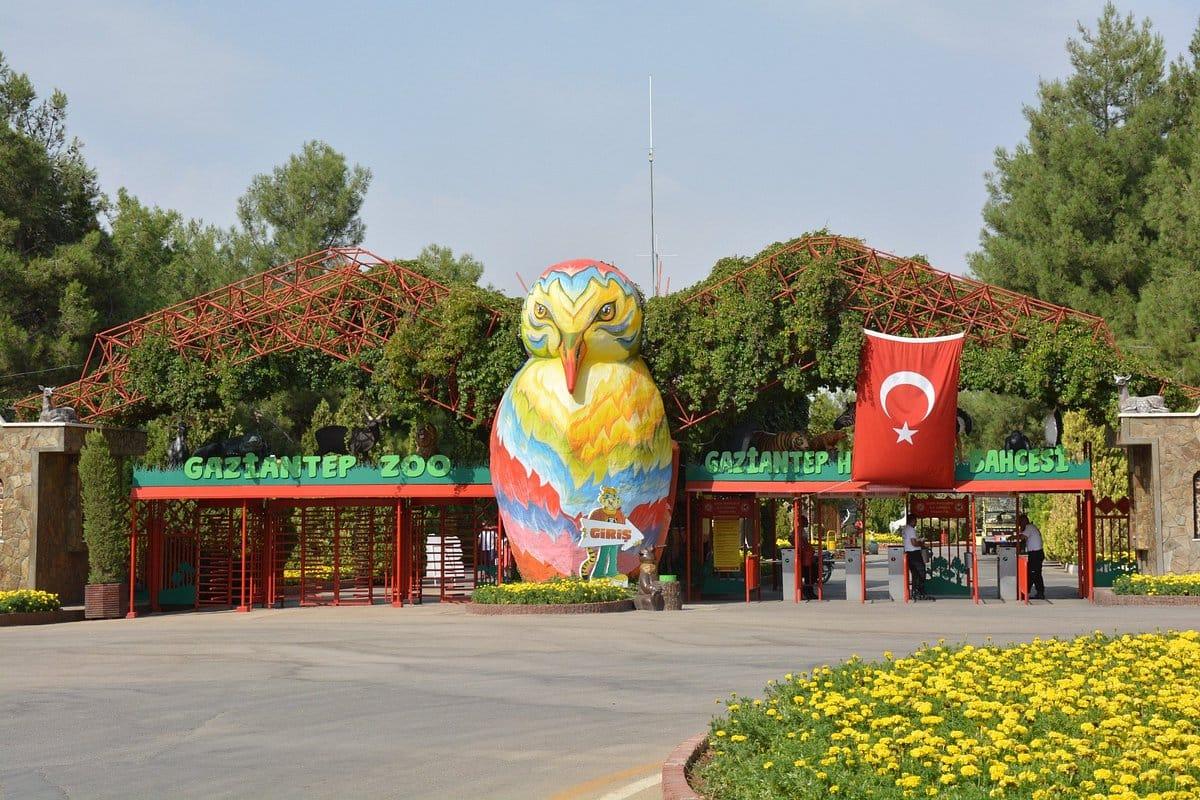
Gaziantep Metropolitan Municipality Zoo
The Gaziantep Zoo, established by the Gaziantep Metropolitan Municipality within the Sign Forest on a 1000-dönüm site, is recognized as the largest zoo in Türkiye, the second largest in Europe, and one of the first four zoos in the world. Following Fatma Şahin’s assumption of the presidency of municipality in 2014, together the zoo has continued to expand through numerous innovative projects. The zoo is home to 7,100 animals of 325 species and welcomes millions of visitors annually. As of 2019,
EN
Mehmet Polat
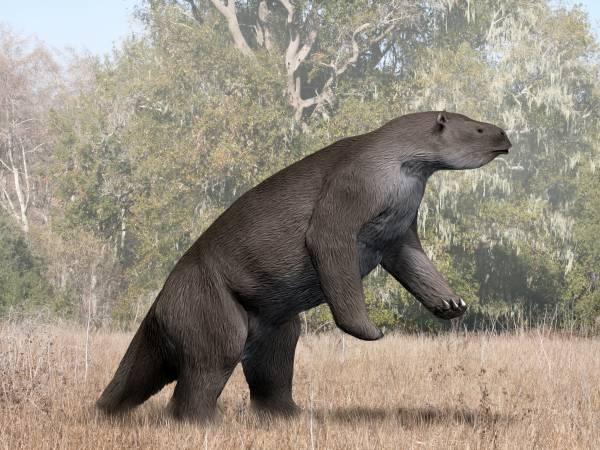
Megatherium
Megatherium is a genus of extinct animals belonging to the family Megatheriidae that lived during the Pleistocene epoch. The species was first discovered in 1788 in the Luján region of Argentina and described by Cuvier. The most well-known species of this genus is Megatherium americanum, which is regarded as one of the largest land mammals of prehistoric times, reaching weights of approximately four tons and lengths of up to six meters. The genus name derives from the Greek for “great beast.” Me
EN
Ertuğrul Erdağlı
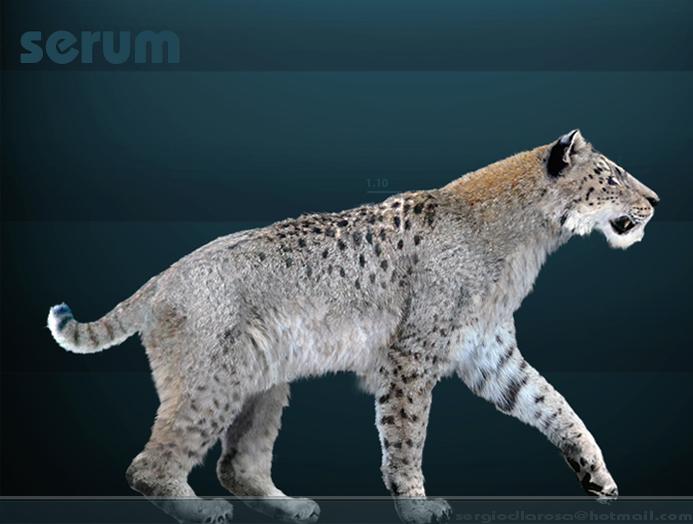
Homotherium
Homotherium is an extinct genus of saber-toothed cat belonging to the subfamily Machairodontinae within the family Felidae and the tribe Homotherini. This genus was first described by Fabrini in 1890. Homotherium persisted from the Pliocene until the end of the Pleistocene and was widely distributed across Eurasia, Africa, and North America. As one of the best-known machairodontine genera, Homotherium is commonly referred to as a saber-toothed cat, yet it possesses distinct and specialized morph
ENErtuğrul Erdağlı
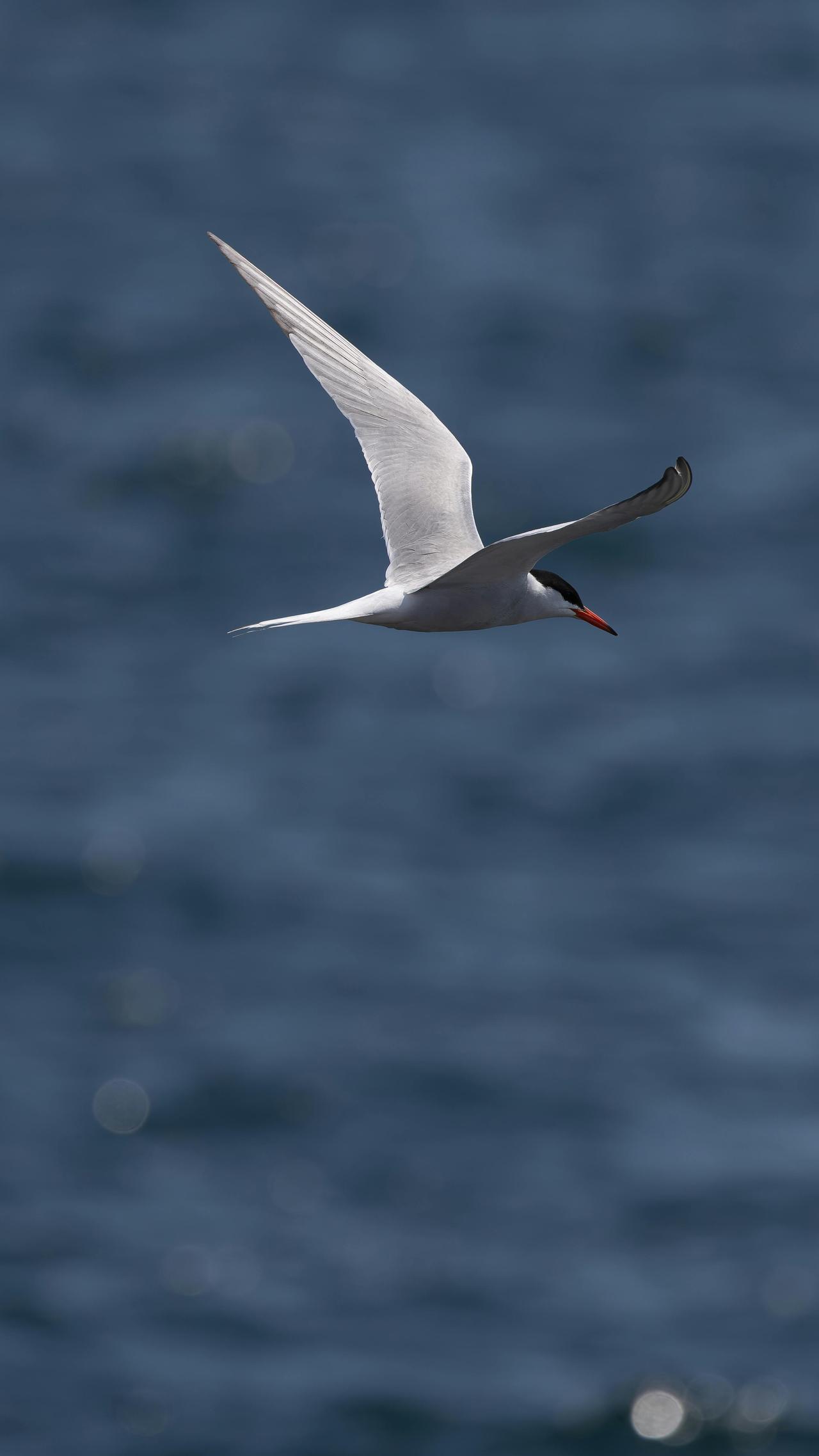
Arctic Tern (Sterna paradisaea)
Arctic Tern (Sterna paradisaea) is a species of seabird belonging to the family Sternidae. The species is particularly known for its extremely long-distance migrations. It follows a migratory route that moves between the polar regions of the Northern and Southern Hemispheres throughout the year. Breeding grounds are primarily located in the polar and subarctic regions of the Northern Hemisphere, while during the nonbreeding season it exhibits a wide distribution extending as far south as the wat
EN
Hanifenur Yaman
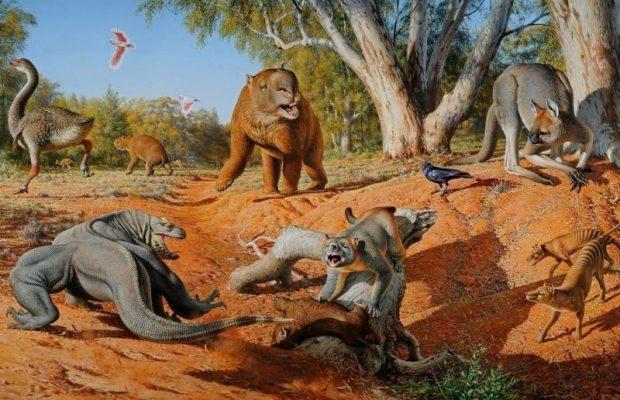
Megafauna
Megafauna The term megafauna refers to large-bodied black vertebrates. These concept can be classified in two different ways within an ecological context. In most definitions, megafauna are considered to be animals weighing more than 44 kg; however, in some studies, particularly those focusing on ecosystem engineering and seed dispersal like ecological functions, a stricter threshold of more than 1000 kg is used. This second definition encompasses very large animals such as those from the Pleist
EN
Ertuğrul Erdağlı
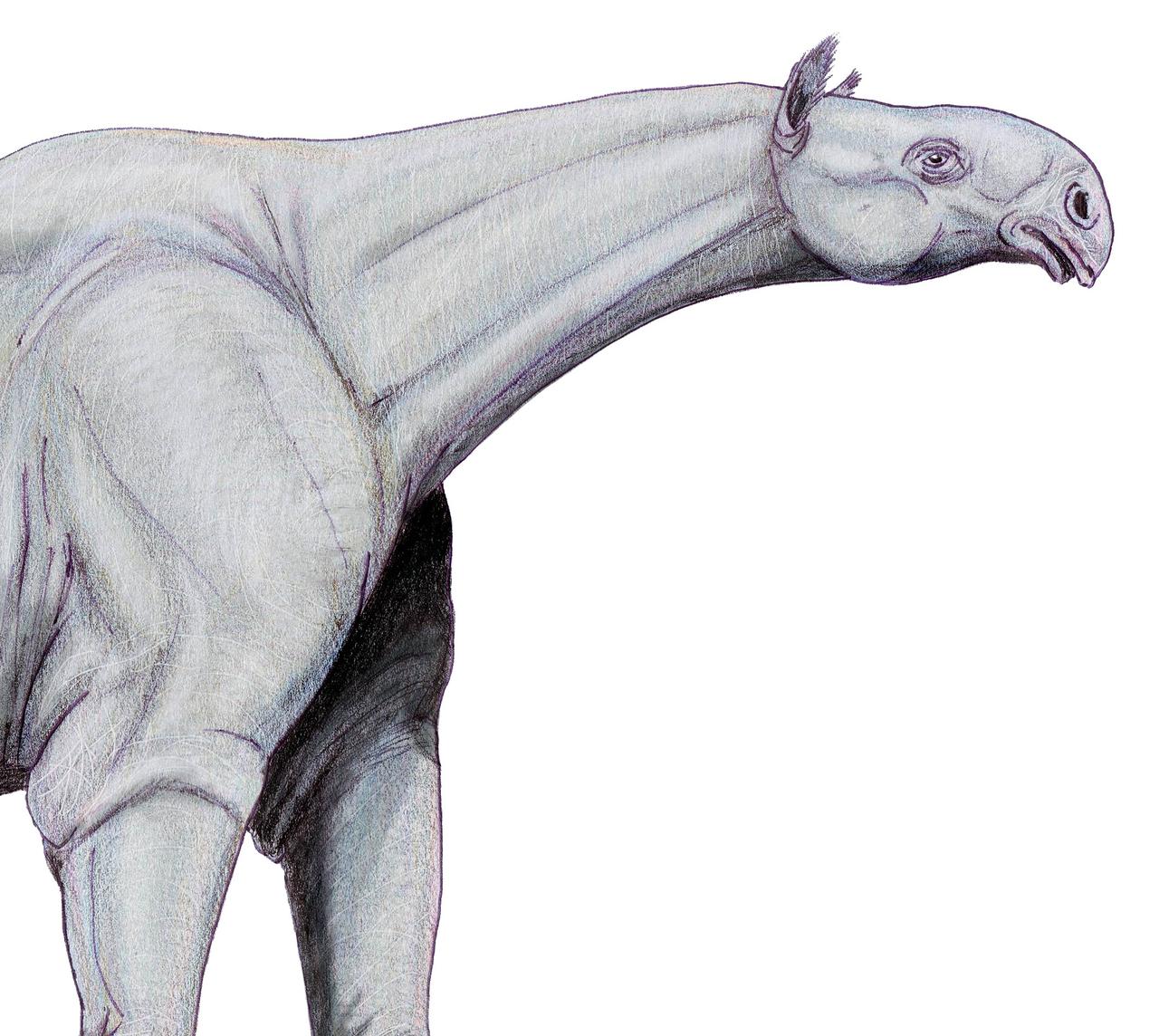
Paraceratherium
Paraceratherium is an extinct genus of perissodactyl (odd-toed) mammal that lived from the Early Miocene to the Late Oligocene. It is generally regarded as the largest mammal to have ever lived. Remains of this giant animal have been found particularly in Asia; China, Mongolia, Kazakhstan, Pakistan and Türkiye like regions. First described in 1911 by C. Forster-Cooper, Paraceratherium belongs to the subfamily Indricotheriinae and is classified within the superfamily Rhinocerotoidea. Systematic P
ENErtuğrul Erdağlı
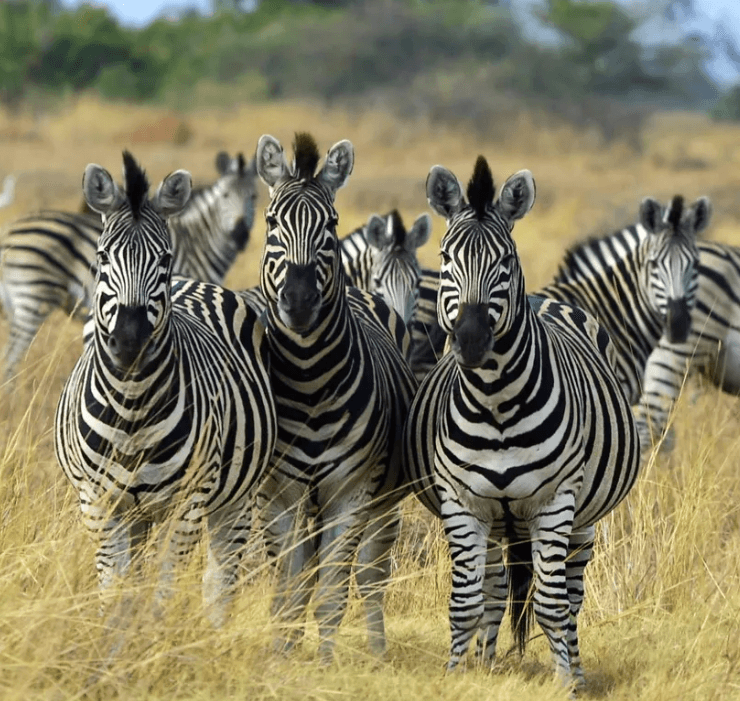
Zebra
Zebraf (Equus quagga, Equus grevyi, Equus zebra) are herbivorous mammals belonging to the Equidae family, recognized by their black-and-white striped coats and widespread presence across the African continent. They are commonly found in open grasslands, savannas, and semi-arid regions. Zebraf are divided into three main species distinguished by their stripe patterns and habitats: the plains zebra (Equus quagga), Grevy’s zebra (Equus grevyi), and the mountain zebra (Equus zebra). Physical Charact
EN
Emine Beyza Yiğittürk
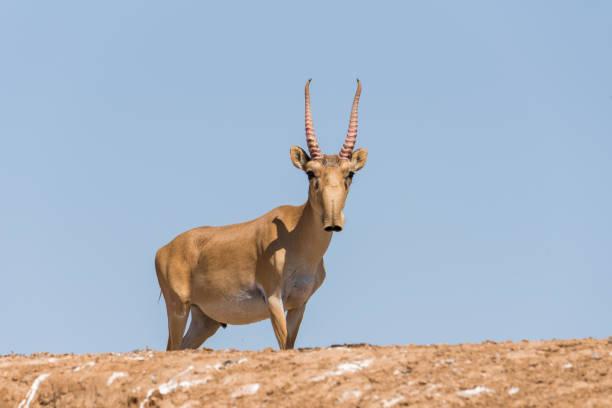
Saiga Antelope (Saiga tatarica)
The saiga antelope (Saiga tatarica) is a unique mammal species native to the vast and arid steppes of Asia, currently endangered. Its most striking physical feature is its large, drooping nose resembling a trunk. This nose structure plays an important role in adapting to its environment. Physical Characteristics and Adaptations The saiga antelope’s nose filters dusty steppe air to protect its lungs and warms cold air during winter to keep respiratory passages warm. Its light-colored coat, slende
ENAbdulkadir Tamkoç
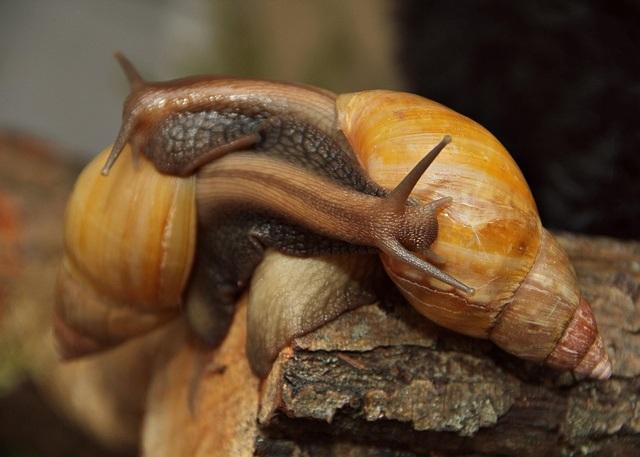
Giant African Snail (Achatina fulica)
Giant African Snail (Achatina fulica) (Bowdich, 1822) is a terrestrial gastropod species native to the continent of Africa and belonging to the family Achatinidae. It is considered the most important land snail pest in tropical and subtropical regions. The family is represented in Africa by approximately 200 species and 13 genera.S. K. Raut ve G. M. Barker, "Achatina fulica Bowdich and Other Achatinidae as Pests in Tropical Agriculture," içinde Molluscs as Crop Pests, ed. G. M. Barker (Wallingfo
EN
Furkan Çıracı
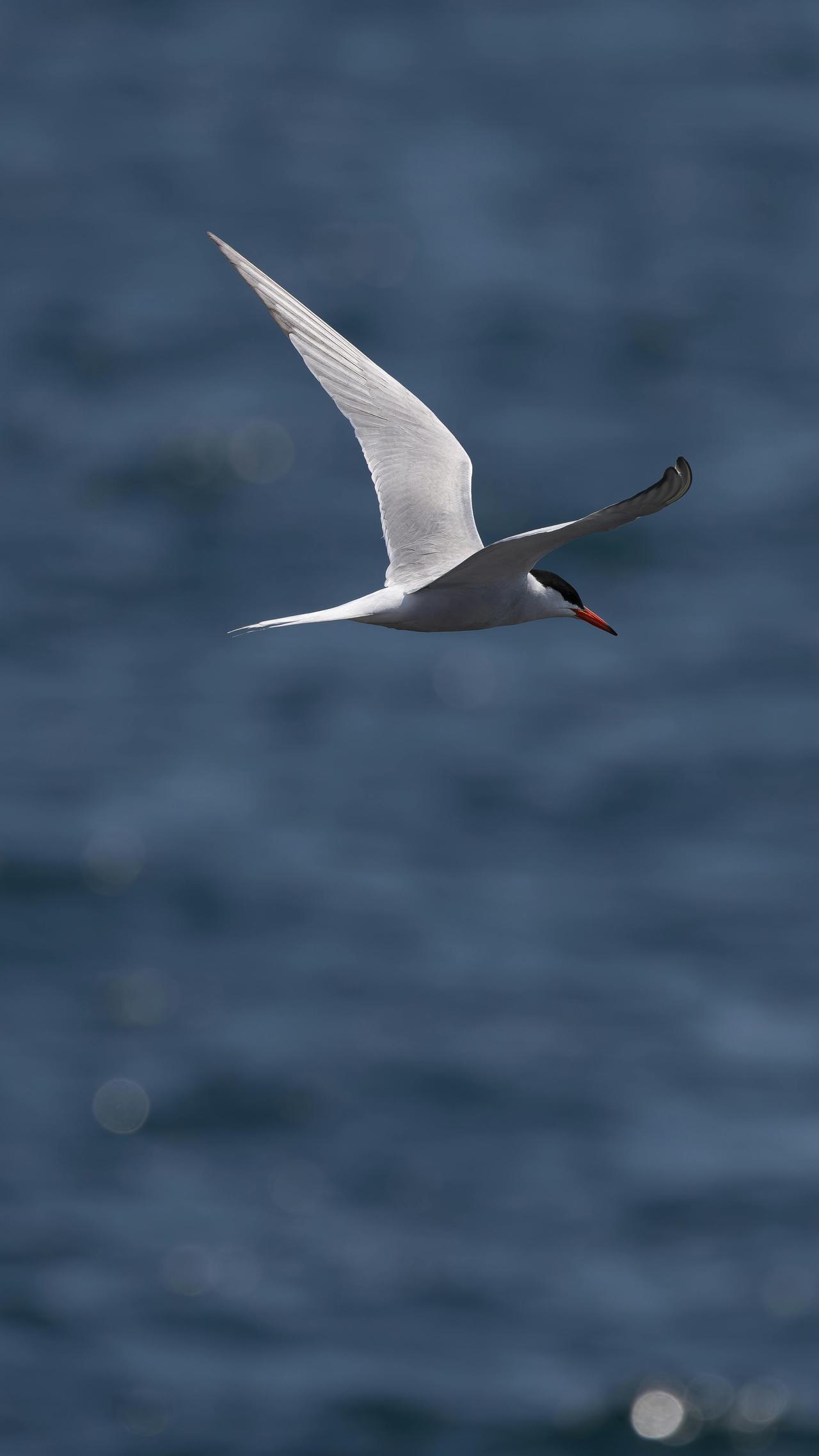
Arctic Tern (Sterna paradisaea)
Arctic Tern (Sterna paradisaea) is a species of seabird belonging to the family Sternidae. The species is particularly known for its extremely long-distance migrations. It attracts attention through its migration route, which moves between the polar regions of the Northern and Southern Hemispheres throughout the year. Its breeding grounds are primarily located in the polar and subarctic regions of the Northern Hemisphere, while during the nonbreeding season it exhibits a wide distribution extend
EN
Hanifenur Yaman