

`ziggurats` Related Article Results
Pyramid
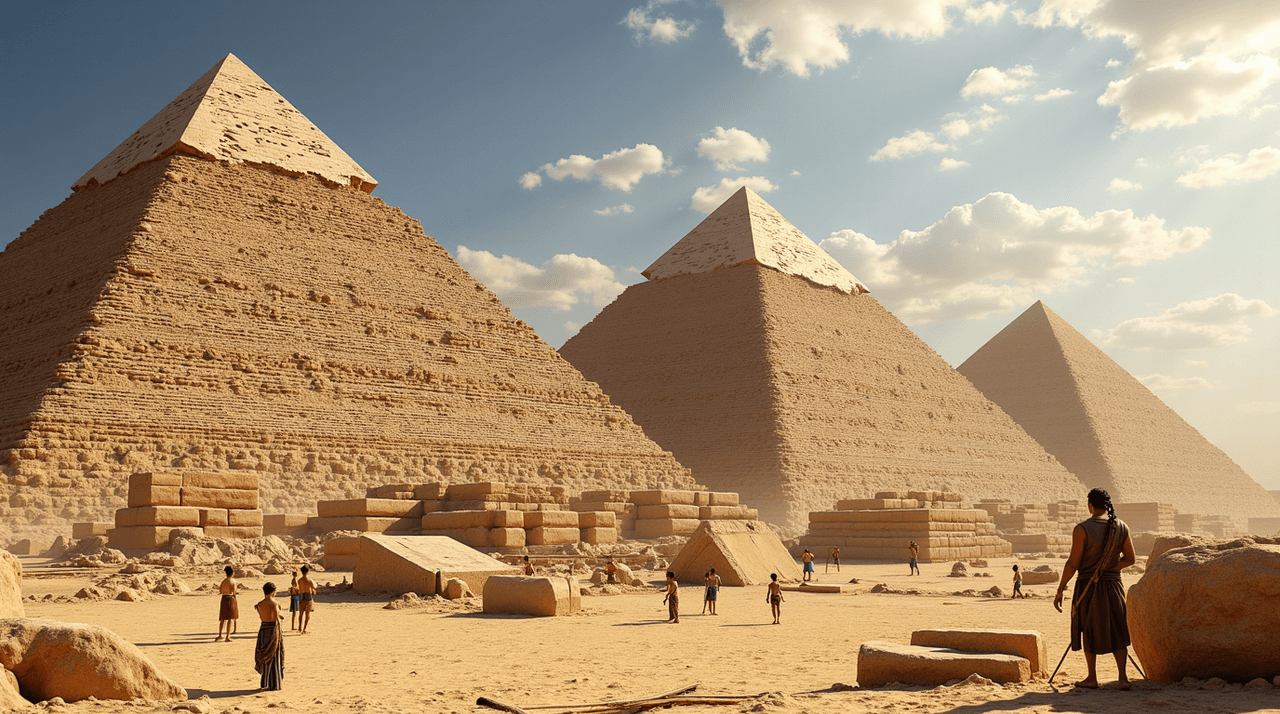
Pyramids are geometric structures with a broad base that narrows toward the top and are typically covered with four triangular faces. Throughout history, many civilizations have constructed them as monuments, tombs, or temples. In ancient Egypt, pyramids were used as pharaohs’ tombs, while in Mesopotamia they were built in the form of ziggurats dedicated to the gods. In Mesoamerica, the Maya, Aztecs, and Olmecs used pyramids for religious ceremonies and sacrificial rituals. These structures not
EN
Fatihhan Adana
Mesopotamian Architecture
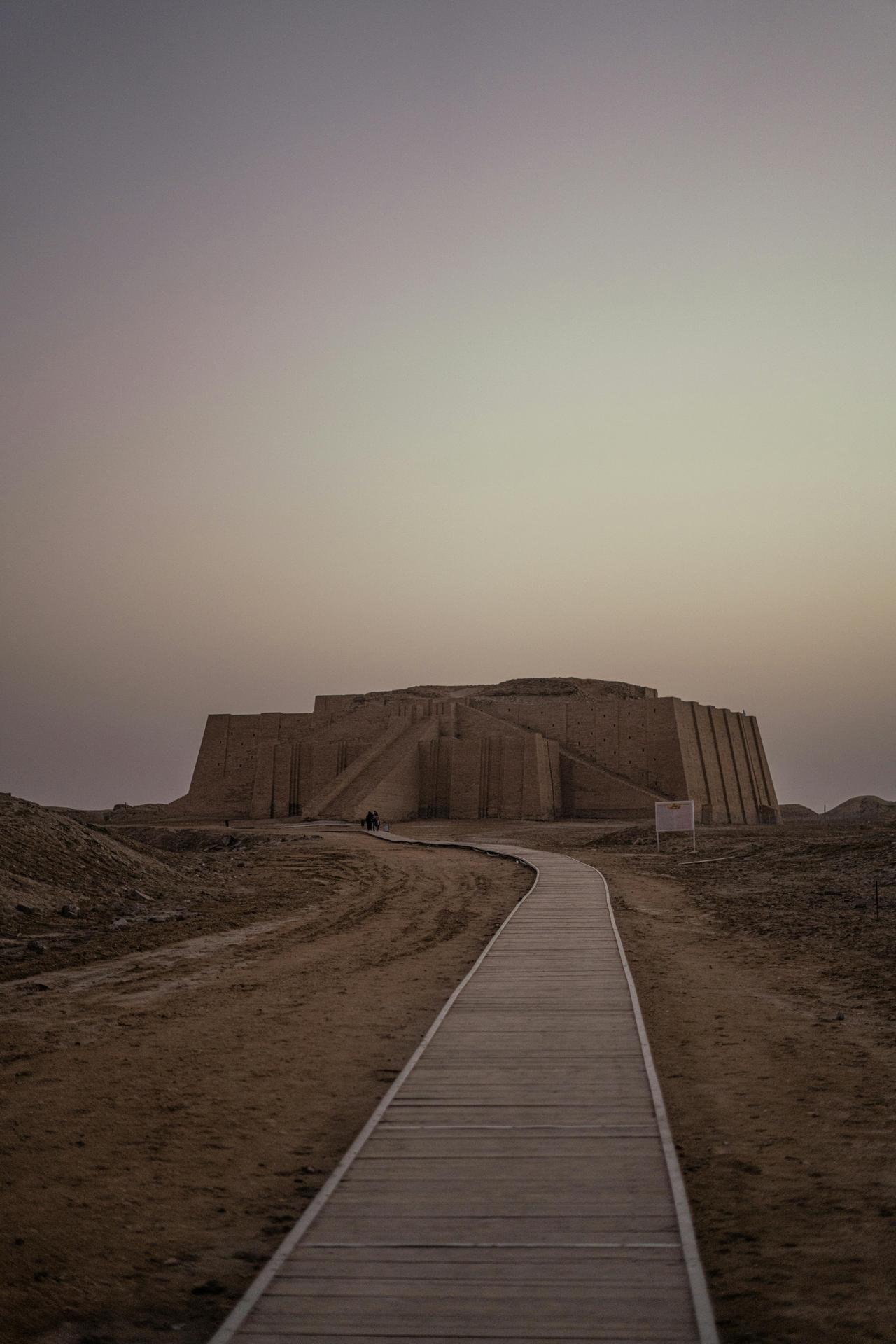
Mesopotamian architecture denotes an original building culture that emerged on the fertile lands between the Tigris and Euphrates rivers, where some of humanity’s earliest large-scale settlements appeared. This architectural understanding, which began developing from the 6th millennium BCE, evolved not only in terms of construction technology but also as an integrated system encompassing social organization, belief systems, and economic arrangements. Despite the challenging environmental conditi
EN
Esra Özkafa
Pyramid
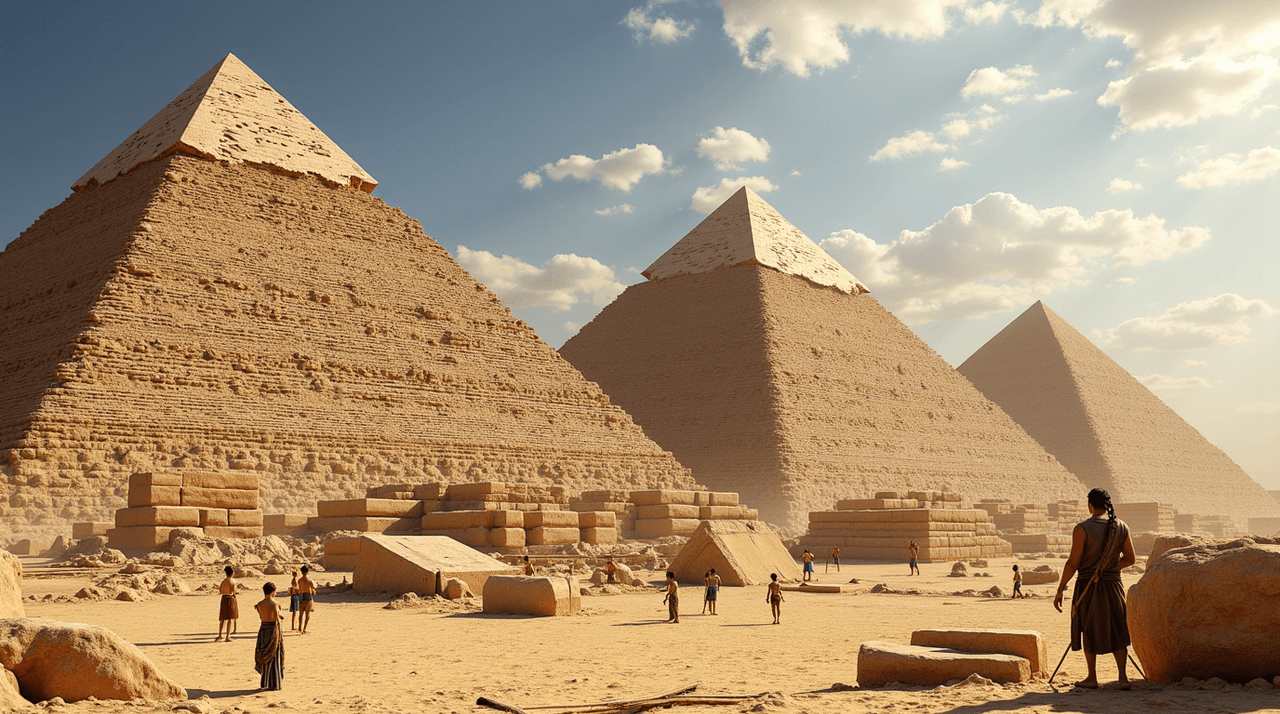
Pirams are geometric structures with a broad base that narrows toward the top and are typically covered by four triangular faces. Throughout history, they have been constructed by many civilizations as monuments, tomb or temples. In ancient Egypt, pirams were used as pharaohs’ tombs, while in Mesopotamia they were built as ziggurats dedicated to the gods. In Mesoamerica, the Maya, Aztecs, and Olmecs used pirams for religious ceremonies and sacrifice rituals. Over time, these structures not only
EN
Fatihhan Adana
Mesopotamian Architecture
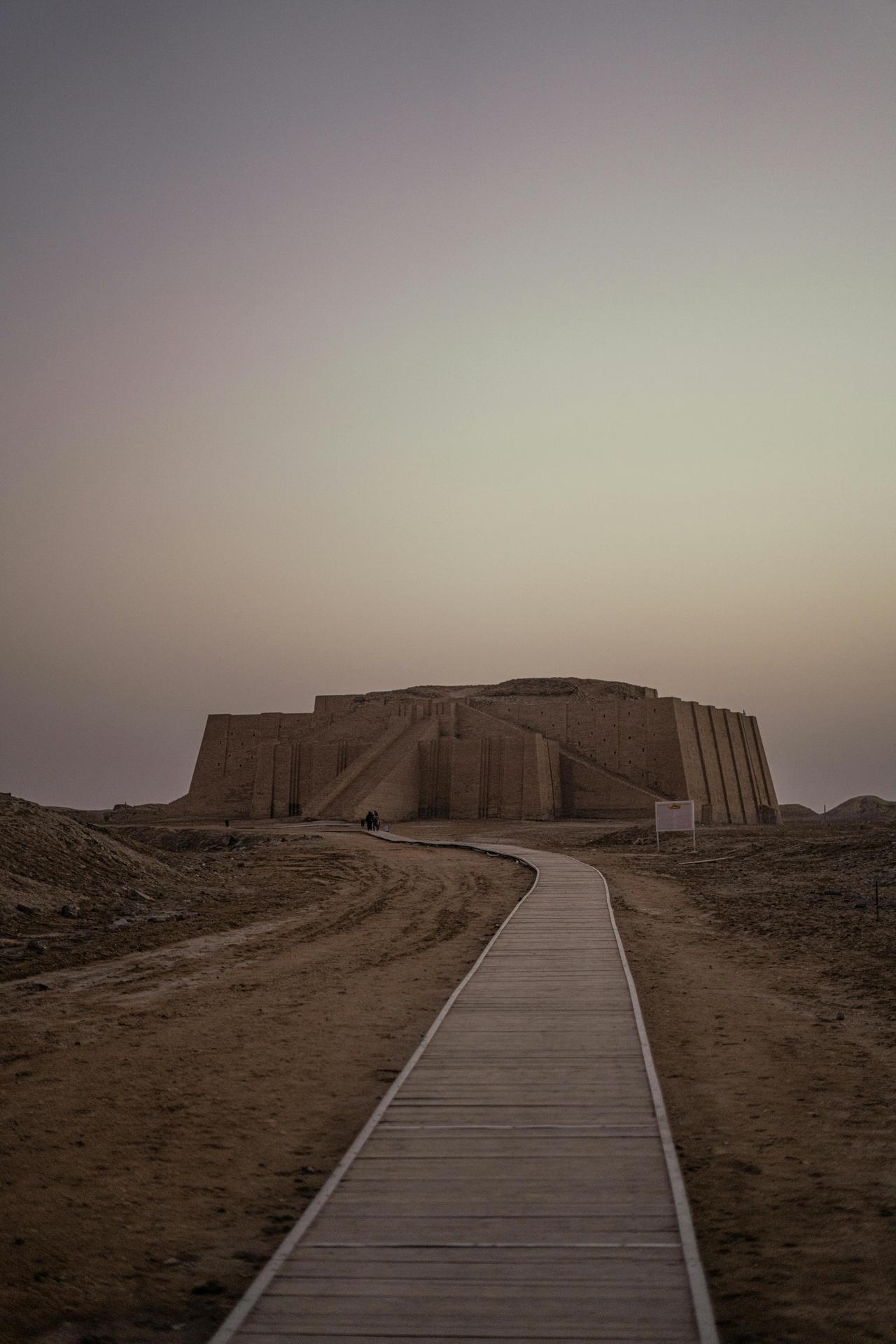
Mesopotamia Architecture refers to an original building culture that emerged on the fertile lands between the Tigris and Euphrates rivers, where some of humanity’s earliest major settlements appeared. This architectural understanding, which began developing from the 6th millennium BCE, evolved not only in terms of construction technology but also as an integrated system encompassing social organization, belief systems and economic arrangements. Despite the challenging environmental conditions, a
EN
Esra Özkafa