

`zeugmamosaics` Related Article Results
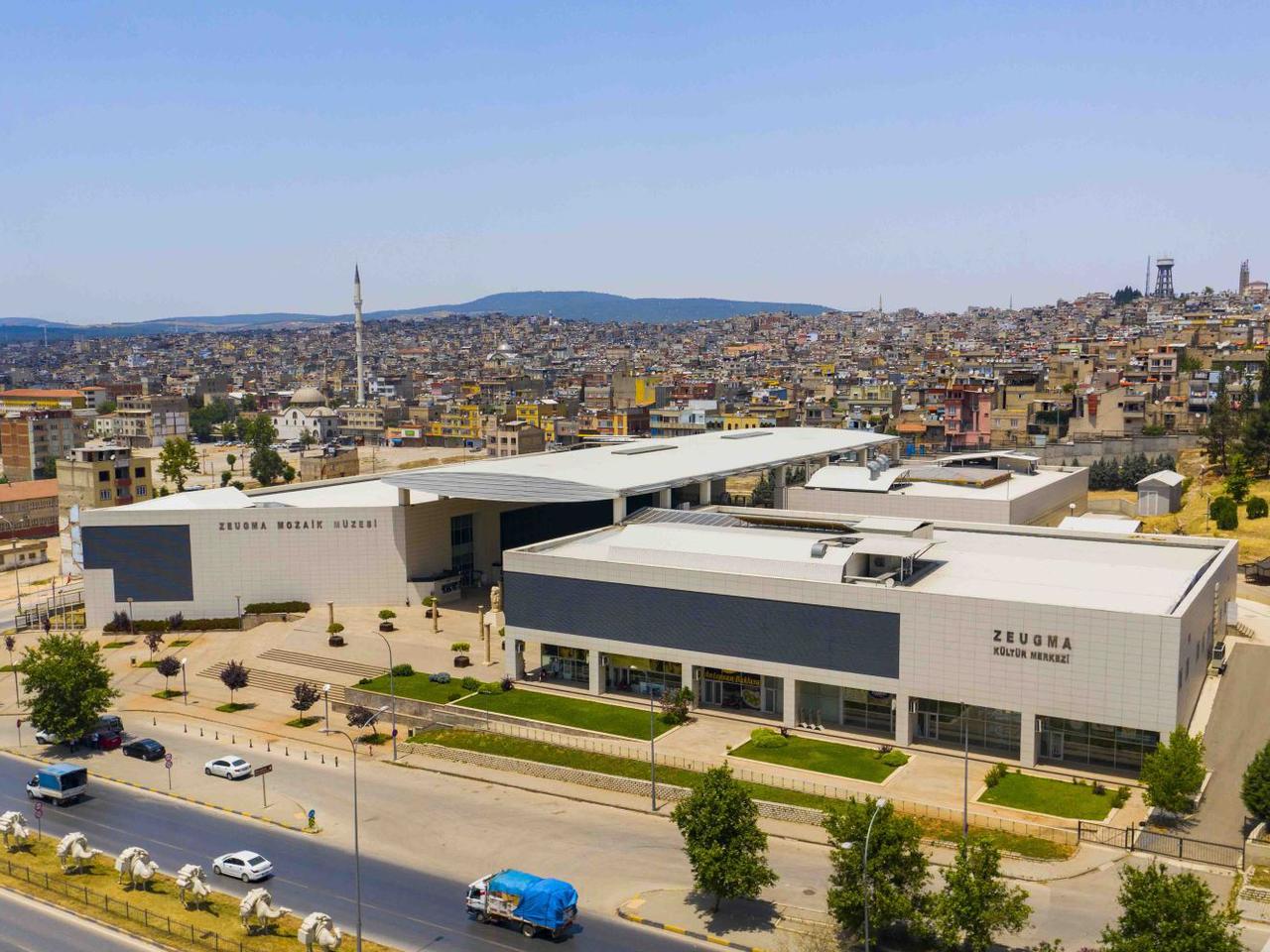
Zeugma Mosaic Museum
The Zeugma Mosaic Museum is an important museum located in Gaziantep, where mosaics excavated from the ancient city of Zeugma are displayed. Opened in 2011, the museum is the largest mosaic museum in Turkey, covering an area of 30,000 square meters. The museum has a total exhibition area of 2,815 square meters, which includes 2,448 square meters of mosaics from the Roman and Late Antiquity periods, 140 square meters of wall paintings, 4 Roman-period fountains, 20 columns, 4 limestone statues, an
EN
Nazlı Kemerkaya
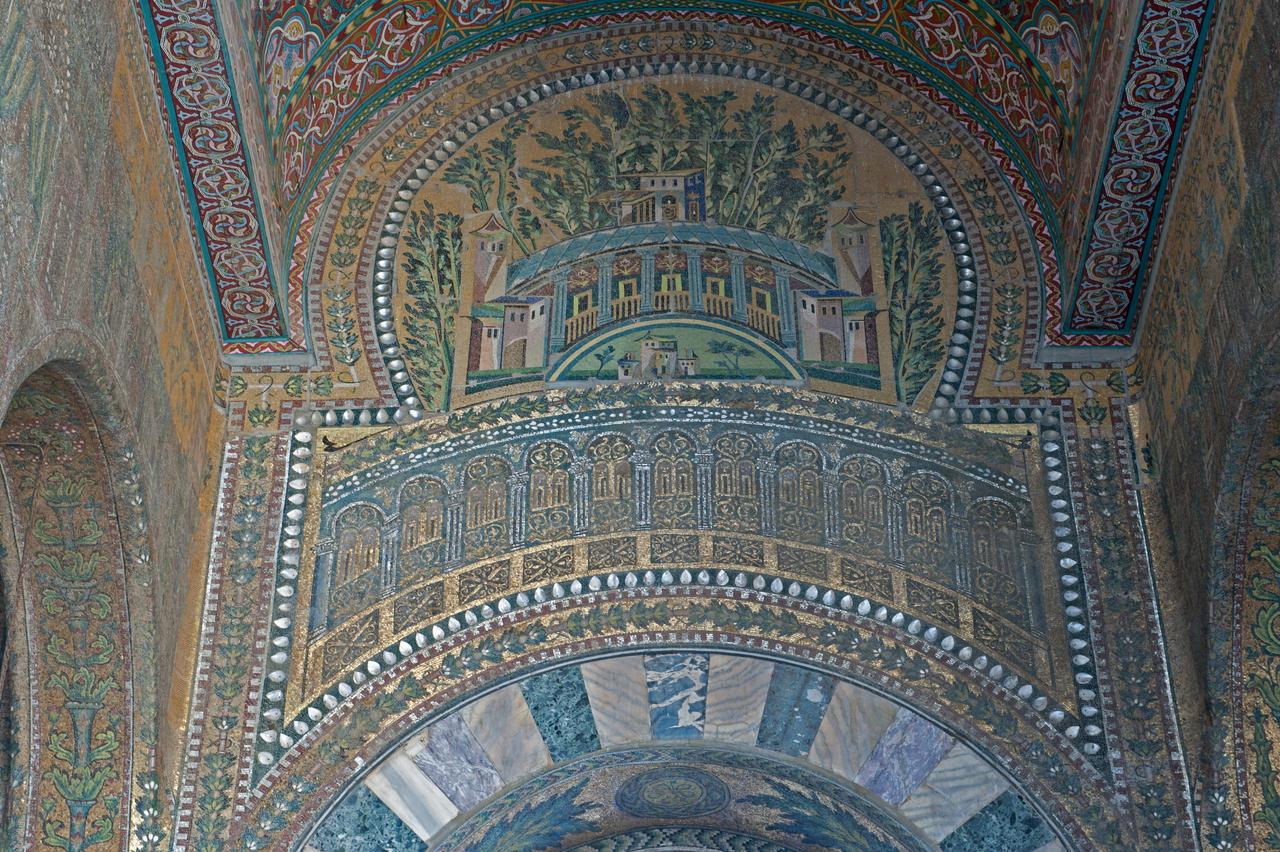
Mosaic
Mosaic is a two- or three-dimensional pictorial technique formed by arranging small pieces of stone, glass, ceramic, marble, paper, or similar hard materials side by side on a specific surface to create a pattern or figure. The visual images produced by this technique are also referred to by the same name. The art of mosaic has been widely used throughout history in architectural structures for flooring, wall, and ceiling coverings, both for aesthetic and functional purposes. Although the etymol
ENNazlı Kemerkaya
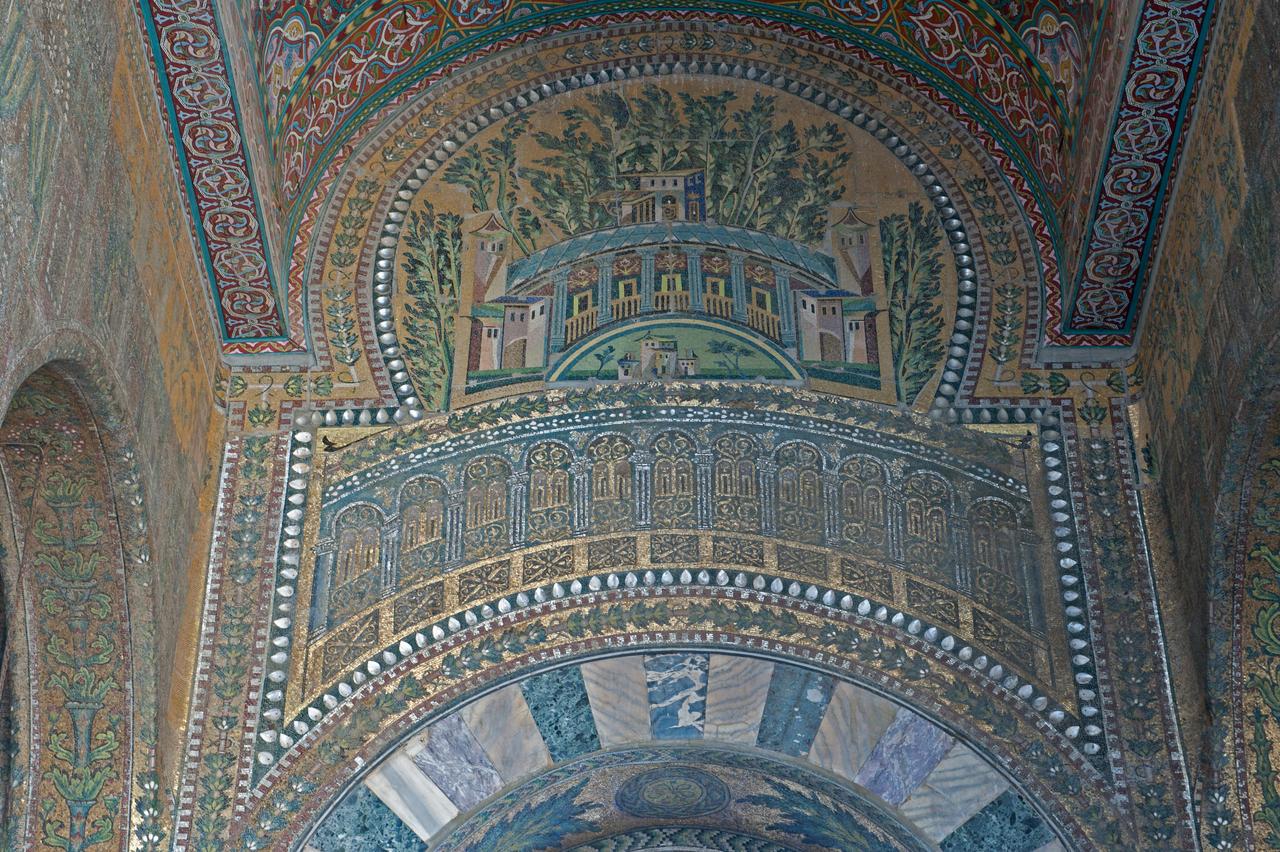
Mosaic
Mosaic art is a form of visual art that involves the arrangement of small, colorful stones, pieces of glass, ceramics, or other materials to create patterns, figures, or decorations on surfaces. It has been primarily used for decorative purposes on the walls, ceilings, and floors of architectural works. Mosaics have been an important artistic expression throughout history, valued not only for their aesthetic qualities but also for their storytelling potential. Etymology The term "mosaic" is deri
ENNazlı Kemerkaya