

`zen-buddhism` Related Article Results
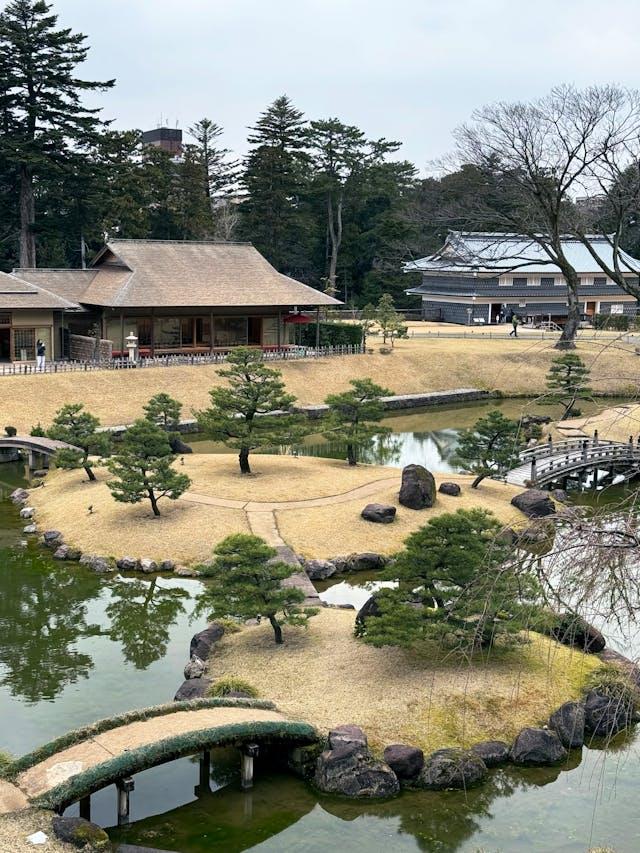
Japanese Garden Art
Japanese garden art is an art form shaped by aesthetic and compositional elements with a history spanning over a thousand years, reflecting the spirit and culture of various periods. Originating from Chinese gardens, Japanese gardens gradually developed their own unique character through philosophical and religious influences such as Shinto and especially Zen Buddhism. Japanese Garden Art (Pexels) " image-alternate="" image-element-format="right"> Core Elements and Compositional Principles Ja
EN
Yunus Emre Yüce
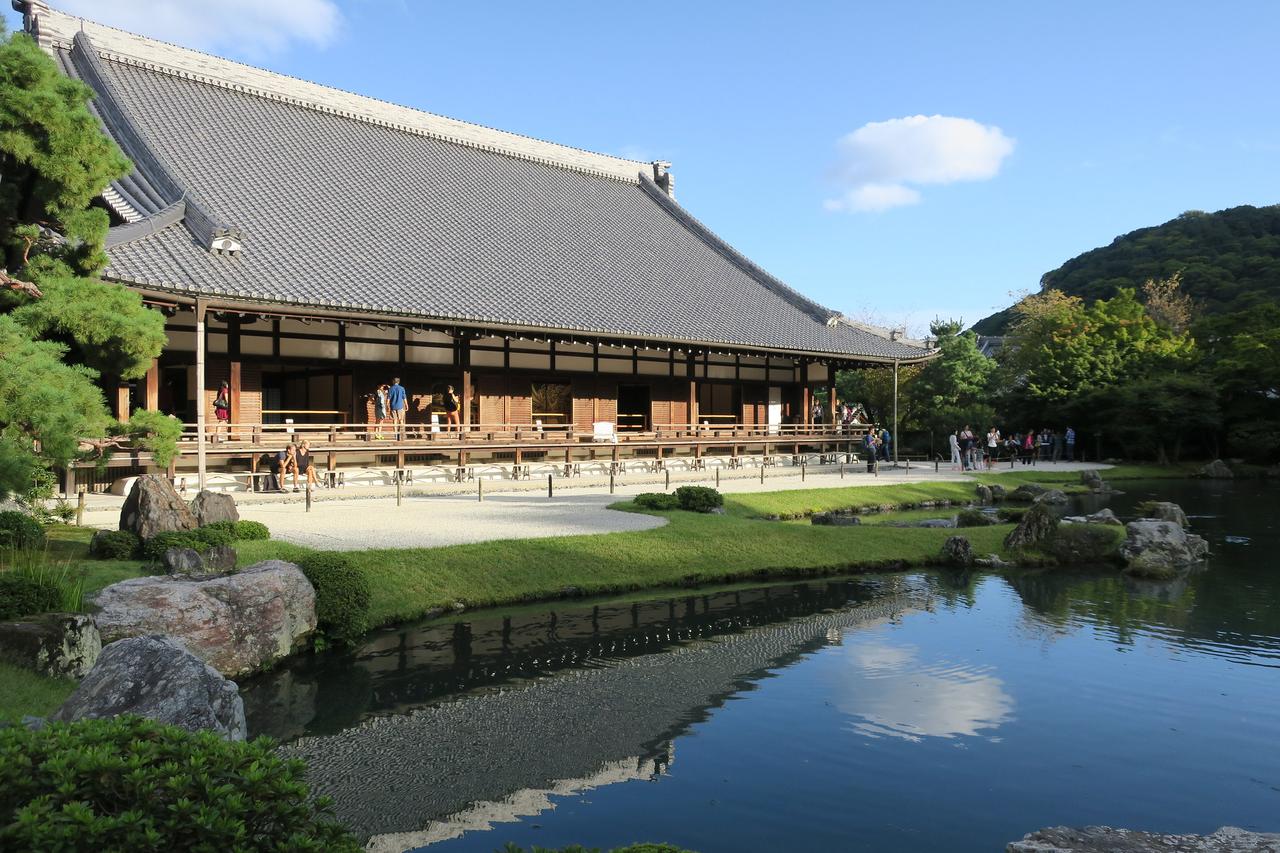
Zen Garden
Zen gardens (Japanese: 枯山水 Karesansui), known as Karesansui in Japanese, are minimalist yet meaningful landscape compositions consisting of rocks, gravel, sand, and minimal vegetation, closely associated with Zen Buddhism in Japan. These gardens typically do not include water; instead, white gravel or sand is raked in wave-like patterns to represent rivers or ponds. The stones symbolize mountains, mosses represent islands, and the empty spaces reflect the infinity of nature. Kamakura Zen Garden
EN
Nazlı Kemerkaya
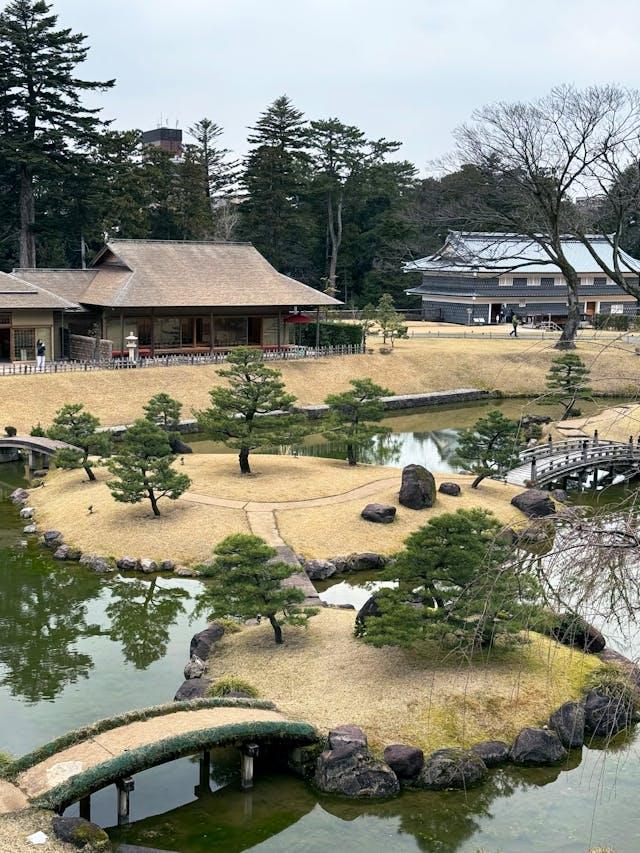
Japanese Garden Art
Japanese garden art is an art form shaped by aesthetic and compositional elements with a history spanning over a thousand years, reflecting the spirit and culture of various eras. Originating from Chinese gardens, Japanese gardens gradually developed their own unique character through philosophical and religious influences such as Shintoism and especially Zen Buddhism, which are indigenous to Japan. Core Elements and Composition Principles Japanese gardens aim to integrate nature and culture int
ENYunus Emre Yüce
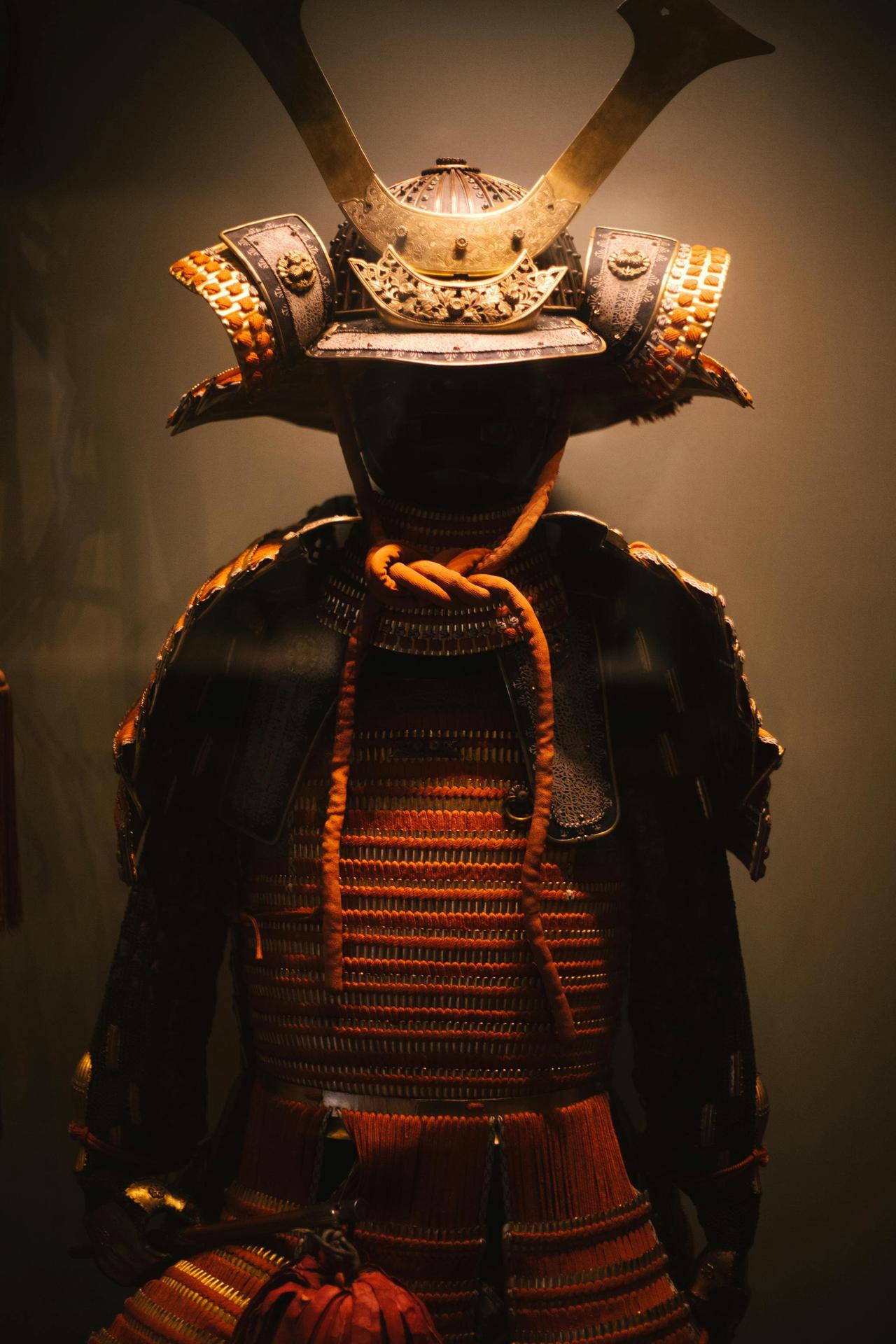
Japanese Mythology: Samurai
Samurai constituted one of the fundamental elements of Japan’s military, political, and social structure over a period of approximately eight centuries. The term “samurai” is derived from the Japanese verb “saburau,” meaning “to serve,” reflecting this class’s loyalty to supreme authority and their sense of duty. Initially emerging as aristocratic warriors, the samurai gradually became a class of fighters in the service of feudal lords, particularly increasing their political influence during th
ENMuhammed Sonğuralp