

`yunusemre` Related Article Results
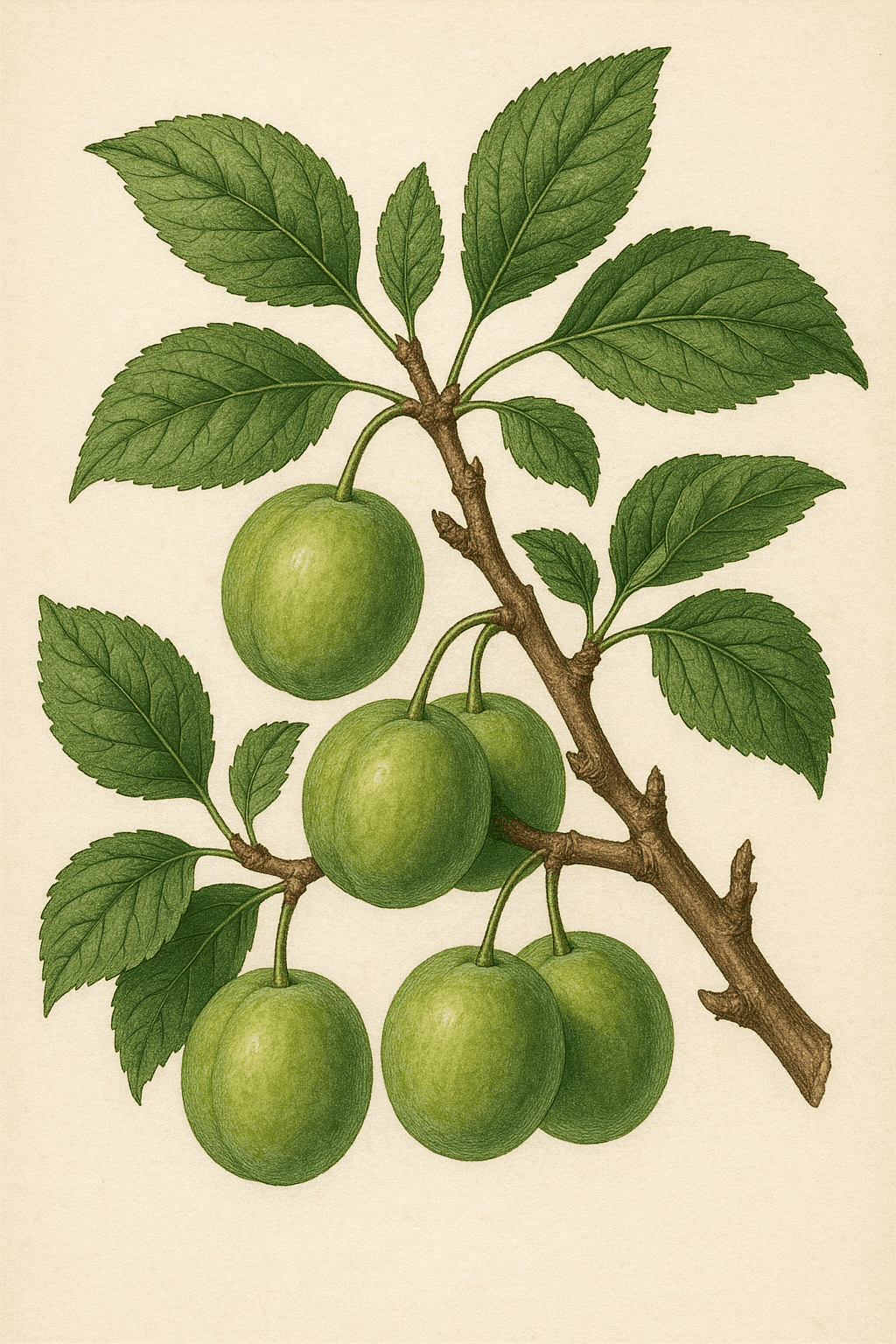
I stepped out to the plum tree (Poem)
The satirical poem beginning with “I climbed onto the plum branch,” attributed to Yûnus Emre, is one of the most extensively commented texts in the classical exegesis tradition due to its structure built on Sufi symbols. Yûnus, who expressed the Islamic worldview and concepts of love and human perception in Turkish poetry during the thirteenth century, has given this poem a unique place within the exegesis tradition. This poem in the satirical genre is constructed with seemingly illogical images
EN
Burak Enes
 Wa
WaWater Metaphor
Yunus Emre and Mevlana Celaleddin Rumi deeply explore themes of love, the soul, existence, and unity with the creator through the use of water. The water metaphor also symbolizes the transformation in a person's journey of existence, their inner journey, and the discovery of divine love. In Sufi thought, water is not just a source of life but also a tool to reach spiritual maturity and unity with the creator. These metaphors delve into the depths of Sufism, describing how a person evolves spirit
EN
Sümeyra Uzun
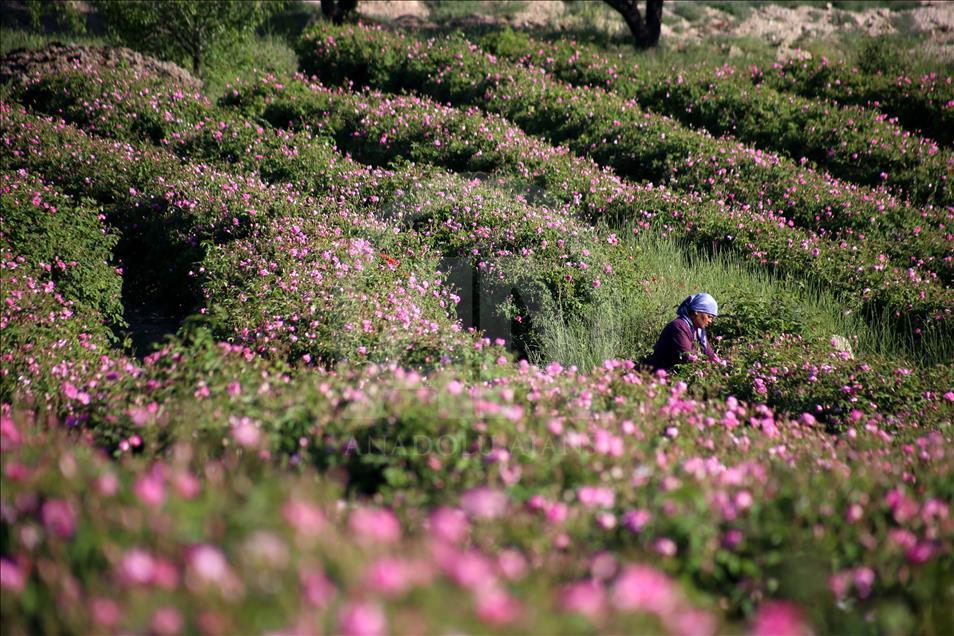
Güneykent Gül Bahçeleri
Güneykent, Isparta ilinin Gönen ilçesine bağlı, Türkiye’nin gül yağı üretim kapasitesinin önemli bir kısmını karşılayan ve tarımsal faaliyetlerini "Rosa Damascena" (Isparta Gülü) üzerine yoğunlaştırmış stratejik bir yerleşim birimidir. Kasaba, coğrafi konumu, iklim özellikleri ve toprak yapısı itibarıyla gül tarımına en elverişli havzalardan birinde yer almaktadır. Gönen ilçesi genelinde bin kadar üretici tarafından sürdürülen yaklaşık 3745 dekarlık gül tarımı alanının yarısından fazlası, tek ba
TR
Arifenur özseven
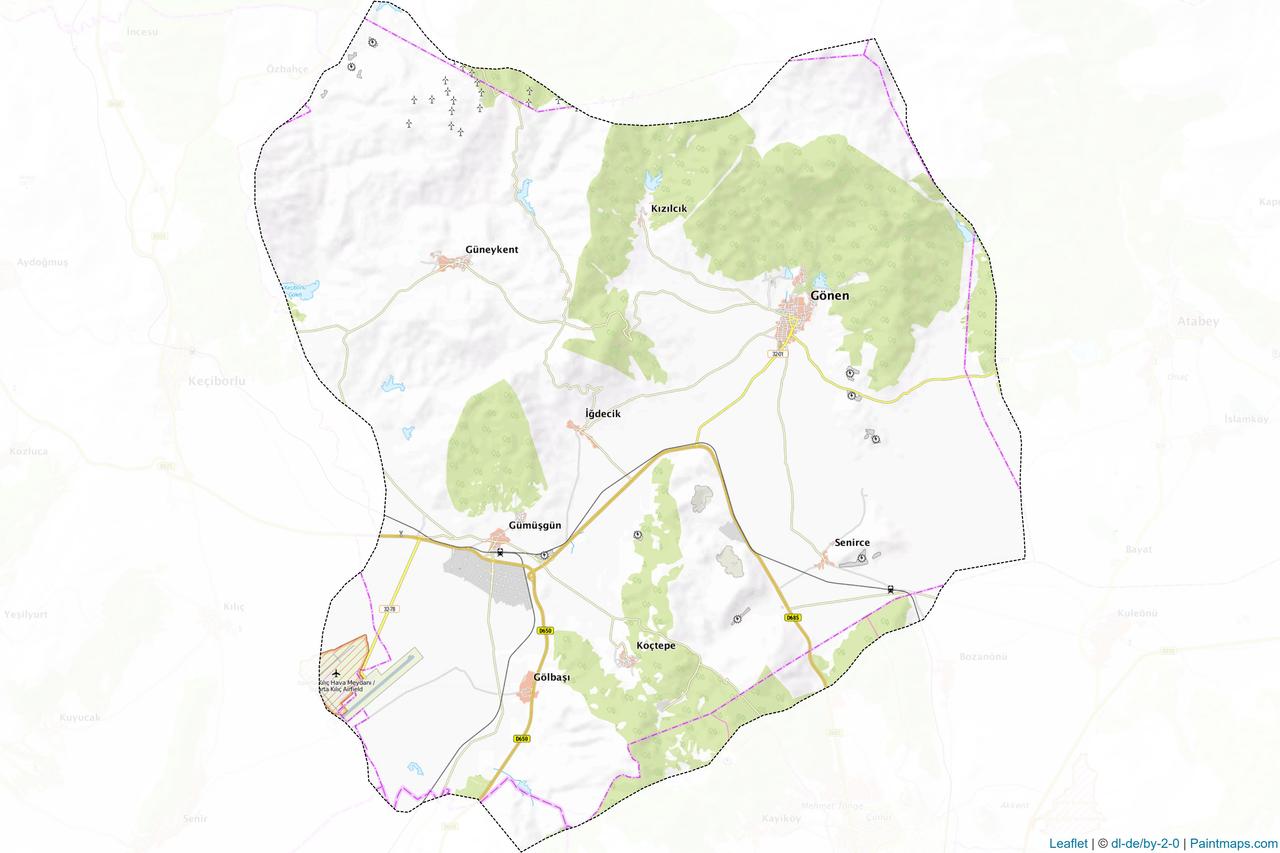
Gönen (Isparta-İlçe)
Gönen, Isparta ilinin kuzeyinde yer alan; doğusunda Atabey, kuzeyinde Uluborlu, batısında Keçiborlu ve güneybatısında Burdur ili ile komşu bir ilçedir. İlçe merkezi, deniz seviyesinden yaklaşık 1 020 m yükseklikte, Isparta–Burdur karayoluna 5 km’lik asfalt bir yolla bağlanan Kırıkçayır mevkiinde kuruludur. Yüzölçümü 372 km², 2024 TÜİK verilerine göre nüfusu 6 877’dir. Akdeniz iklimi etkisindeki ilçede yaz ve kış aylarında sürekli akan kalıcı bir akarsu bulunmaz. Coğrafya Kuzeyde Tınaz Dağı (yakl
TR
Melahat Pamuk
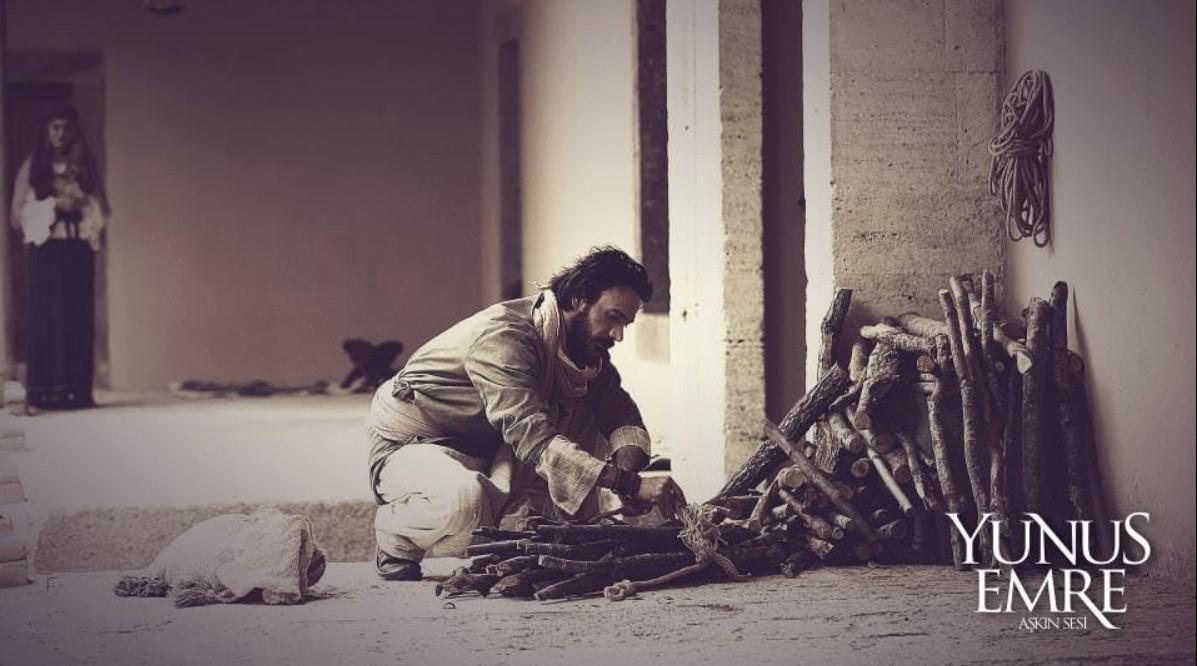
Yunus Emre : Aşkın Sesi ( Film)
2011 yılında vizyona giren Yunus Emre: Aşkın Sesi, 13. yüzyılda Anadolu’da yaşamış olan mutasavvıf şair Yunus Emre’nin hayatını ve tasavvufi yolculuğunu konu alan biyografik nitelikte bir sinema filmidir. Yönetmenliğini Kürşat Kızbaz’ın üstlendiği yapım, Yunus Emre’nin bireysel dönüşümünü ve dönemin sosyal yapısı içindeki konumunu dramatik bir kurgu içerisinde işler. Film, tasavvufi düşüncenin sinema aracılığıyla aktarılmasına yönelik Türkiye'deki örnekler arasında yer almaktadır. Konusu Film, A
TR
Büşranur Akpınar
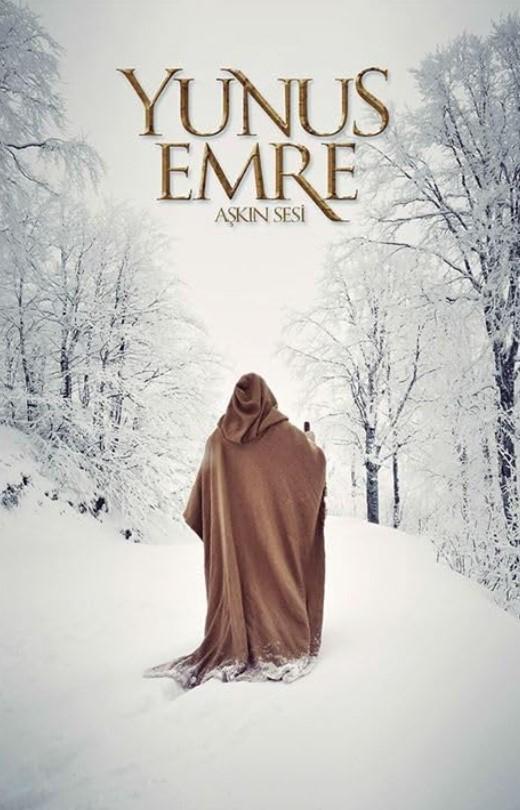
Yunus Emre: The Voice of Love (Film)
Released in 2011, Yunus Emre: The Voice of Love is a biographical film that portrays the life and spiritual journey of the 13th-century Anatolian Sufi poet Yunus Emre. Directed by Kürşat Kızbaz, the film narrates Yunus Emre’s transformation and his role within the social fabric of his time through a dramatic storyline. The production is among the examples in Türkiye of conveying Sufi philosophy through cinema. Plot Set during the disintegration period of the Anatolian Seljuk State amidst the dev
ENBüşranur Akpınar
YuYunus Emre Institute
Founded under Law No. 5653 in 2007, the Yunus Emre Foundation is a public organization established to promote Turkey’s language, history, culture, and art. Its objectives include providing information and resources related to these fields to the international community, offering Turkish language and cultural education abroad, and enhancing cultural exchanges between Turkey and other countries. As an affiliate of the Foundation, the Yunus Emre Institute focuses on teaching Turkish and conducting
EN
Nurten Yalçın
Çıktım Erik Dalına (Şiir)
“Çıktım erik dalına” diye başlayan şathiye, Yûnus Emre’ye nispet edilen ve tasavvufî sembollerle kurulmuş yapısı nedeniyle klasik şerh geleneğinde en fazla açıklanan metinlerden biridir. XIII. yüzyılda İslami anlayışla şekillenen dünya görüşünü, aşk ve insan telakkisini Türkçe şiirle dile getiren Yûnus’un bu şiiri, şerh geleneğinde ayrı bir yer işgal etmiştir. Şathiye türündeki bu manzume, görünüşte mantık dışı, gündelik tecrübeyle uyuşmayan imgelerle kurulmuş, ancak tasavvufî literatürde remiz
TRBurak Enes
İstanbul'un Levanten Mimarları
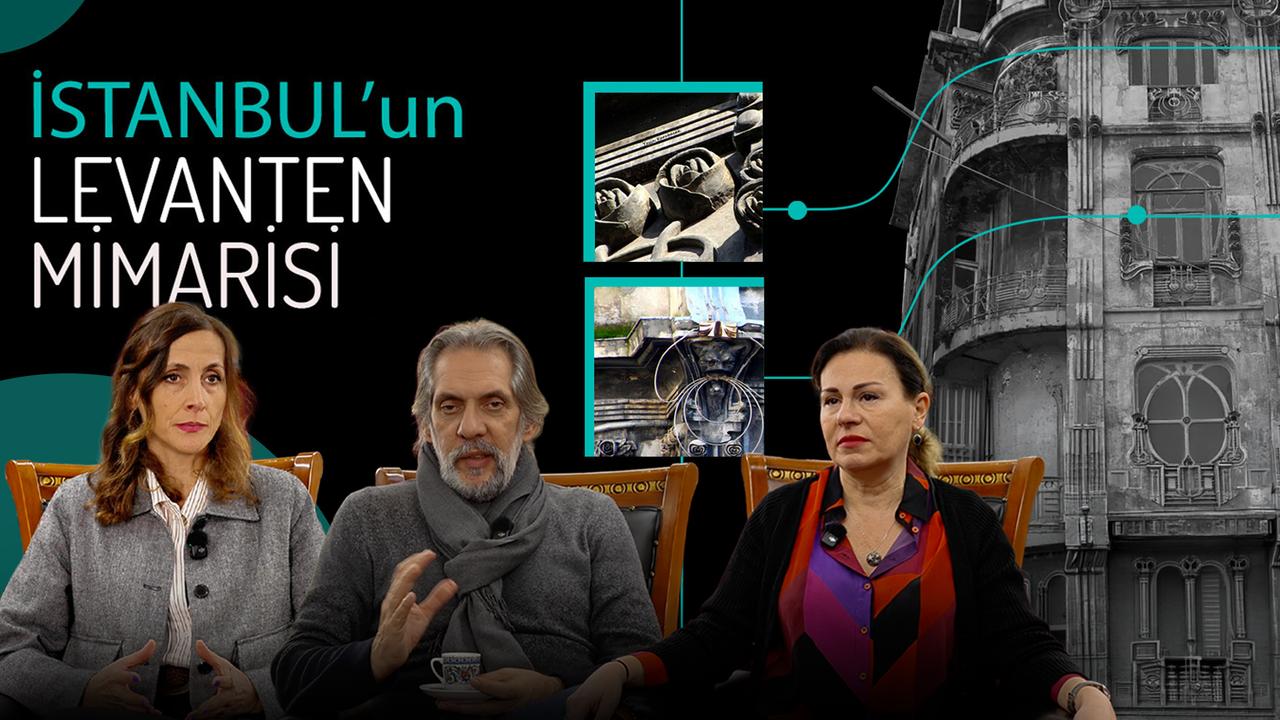
“İstanbul’un Levanten Mimarları”, 20. yüzyılın eşiğindeki İstanbul’u, yapısal kimliğini belirleyen Levanten mimarların eserleri üzerinden ele alan bir sohbettir. Yunus Emre Enstitüsünün düzenlediği “Taş, Mekân, Hayâl: Levanten Mimarların İstanbul’u” sergisini tamamlayan röportajlardan doğan video çalışması, bu alanda önemli eserleri bulunan Doç. Dr. Hatice Adıgüzel, Doç. Dr. Luca Orlandi ve Doç. Dr. Seda Kula’yı ilk kez bir araya getirdi. Sanatçı Bahar Yalçın’ın sulu boya yapıtlarından oluşan se
TR
Yunus Emre Enstitüsü
Yunus Emre Divanı (Kitap)
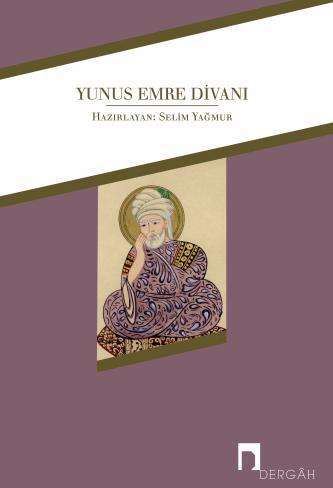
Yunus Emre Divanı, Türk tasavvuf edebiyatının önemli temsilcilerinden Yunus Emre’ye ait şiirlerin bir araya getirildiği bir eserdir. Dergâh Yayınları tarafından yayımlanan bu kitap, Yunus Emre’nin divan şiiri biçemindeki eserlerini içermekte olup, şairin düşünce dünyasını, tasavvufi anlayışını ve Anadolu’da halk şiiri geleneğiyle harmanladığı özgün dilini yansıtmaktadır. Konu Kitap, Yunus Emre’nin tasavvufi ve halk edebiyatı ögelerini barındıran şiirlerini kapsamlı biçimde sunar. Şairin insan, d
TR
Muhammed Samed Acar