

`yildiz-intelligence-organization` Related Article Results

Ottoman Intelligence during the Reign of Abdulhamid II
Ottoman State intelligence activities have been regarded throughout history as a vital element for the state’s survival, with espionage operations widely employed especially in border regions and diplomatic relations. However, these activities reached their most systematic and institutionalized form during the reign of Sultan Abdulhamid II (1876–1909). Abdulhamid placed intelligence at the center of state administration to control internal opposition and defend the empire against external threat
EN
Nurten Yalçın

Ottoman Intelligence during the Reign of Abdulhamid II
In the Ottoman State, intelligence activities have been regarded throughout history as a vital element for the survival of the state, with espionage being widely employed especially in border regions and diplomatic relations. However, these activities reached their most systematic and institutionalized form during the reign of Sultan Abdulhamid II (1876–1909). Abdulhamid placed intelligence at the center of state administration to control internal opposition and defend the empire against externa
EN
Nurten Yalçın
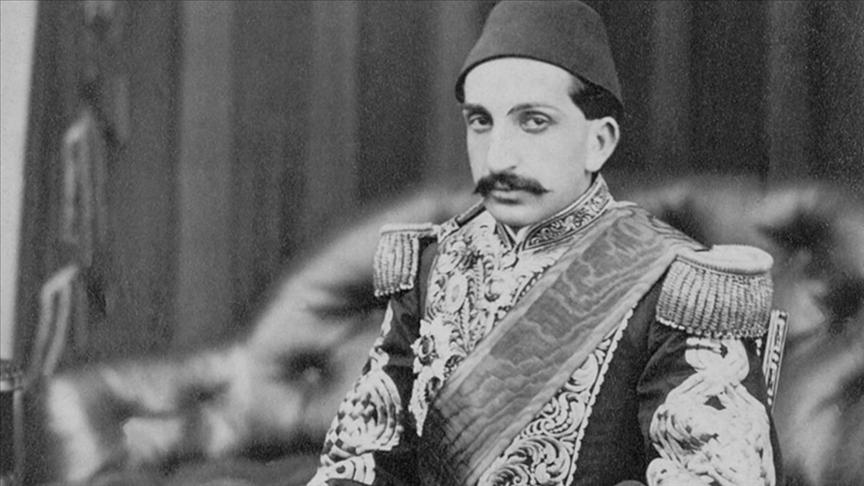
Yıldız Intelligence Organization
The Yıldız Intelligence Organization emerged as a defensive mechanism against the serious internal and external threats faced by the Ottoman Empire during the reign of Sultan Abdülhamid II, and it laid the foundations of modern Turkish intelligence. It attracted attention through its centralized structure, direct allegiance to the Sultan, extensive network of agents, and detailed information-gathering mechanisms. In the context of its time, this organization played a critical role in understandi
EN
Elif Laçin