

`world-literature` Related Article Results
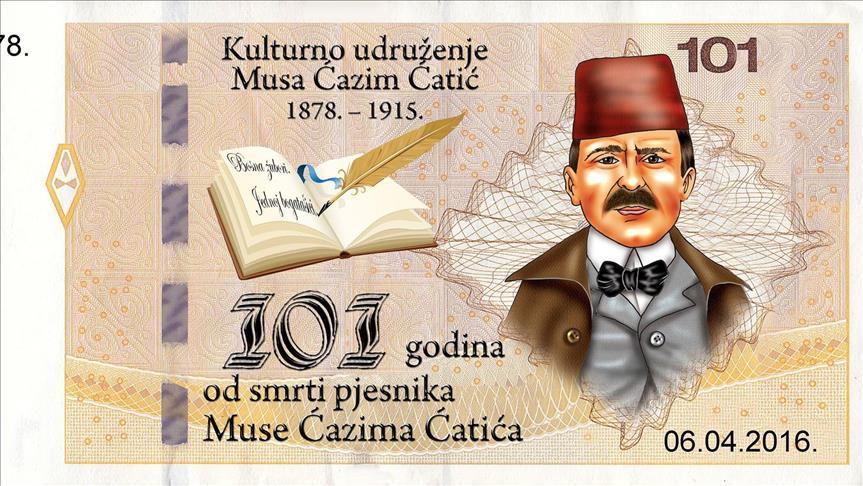
Musa Ćazim Ćatić
Musa Ćazim Ćatić (Musa Kazım Çatiç) (1878, Modriça – 6 April 1915, Tešanj), one of the important poets of Bosnia and Herzegovina. Ćatić possessed a unique artistic sensibility that blended the Ottoman-influenced classical culture with the European centered modern literary sensibility. He is also known for his literary essays, poetic translations, and cultural contributions. With a deep interest in both Eastern and Western literatures, particularly through his studies on Turkish literature, Ćatić
EN
Meryem Şentürk Çoban
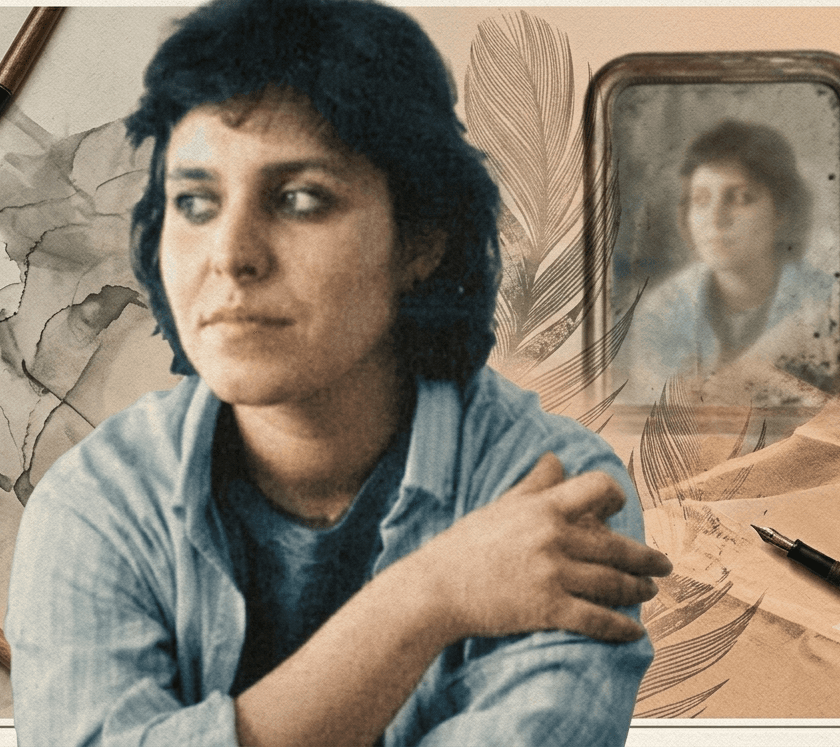
Nilgün Marmara in the Backyard of the Earth
Human beings occupy in the universe a space equal to the volume of their own emptiness. But some spirits fill that emptiness with such a sharp, unyielding seepage that even the silence left behind becomes a roaring river. Nilgün Marmara was one of those delicate and unyielding voices who treated this planet as a two-step lodging and watched its backyards early on, choosing departure as an act of will to preserve her own truth. Her poetry is a spiritual journey that wanders at the limits of endur
EN
Nursena Şahin
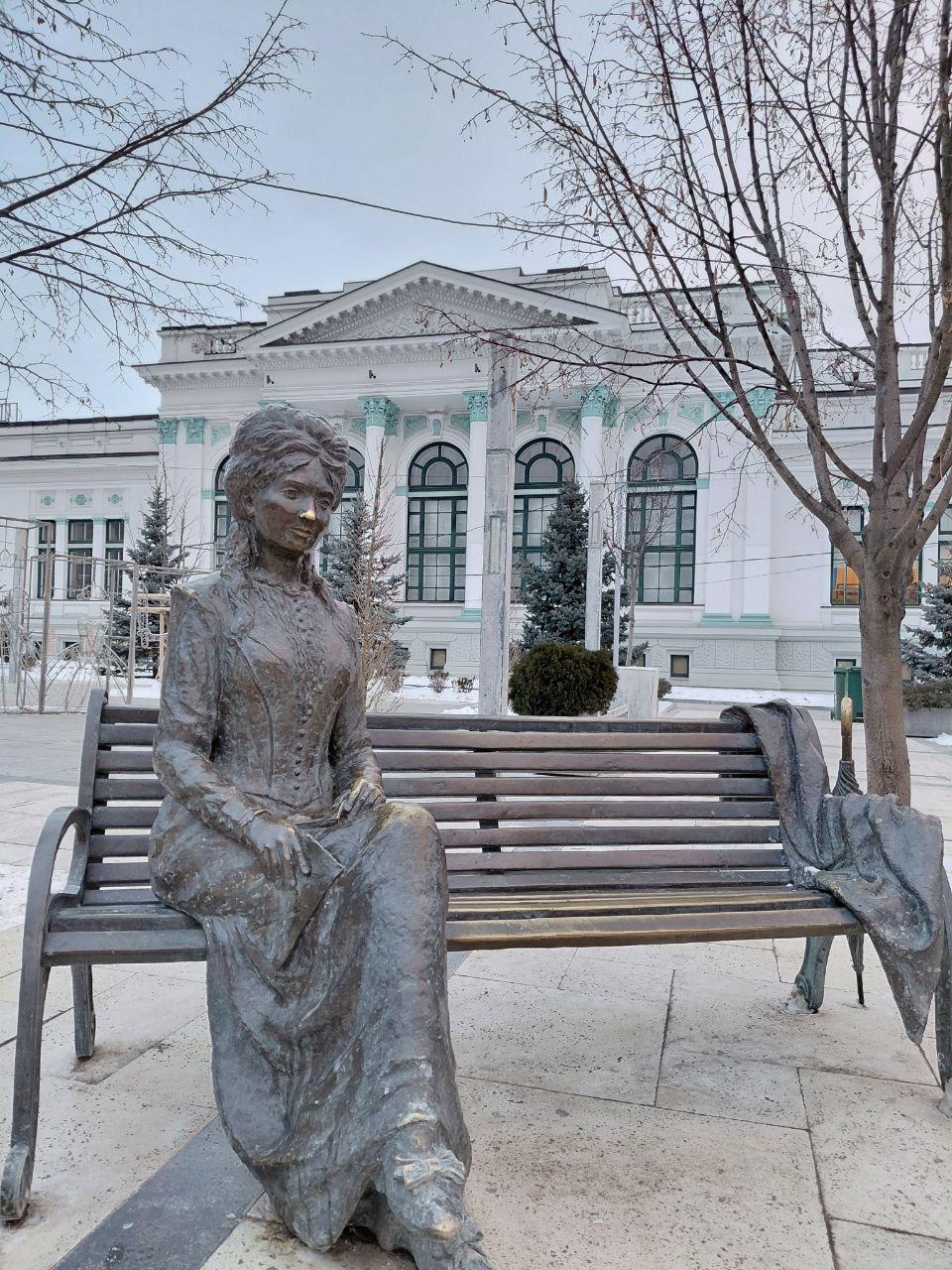
Mihai Eminescu Square: The Heart of Chișinău That Breathes Culture
From the elegant capitals of Eastern Europe, Chișinău (country: Republic of Moldova) appears at first glance as a quiet city; yet as you move toward its center, you begin to notice that every corner holds a story. One of the city’s cultural arteries, Eminescu Square, is not merely a meeting point—it is a living open-air museum where literature, architecture, and modern art converge on a single stage. A Square Named After a Poet The square takes its name from Mihai Eminescu, one of the most rever
EN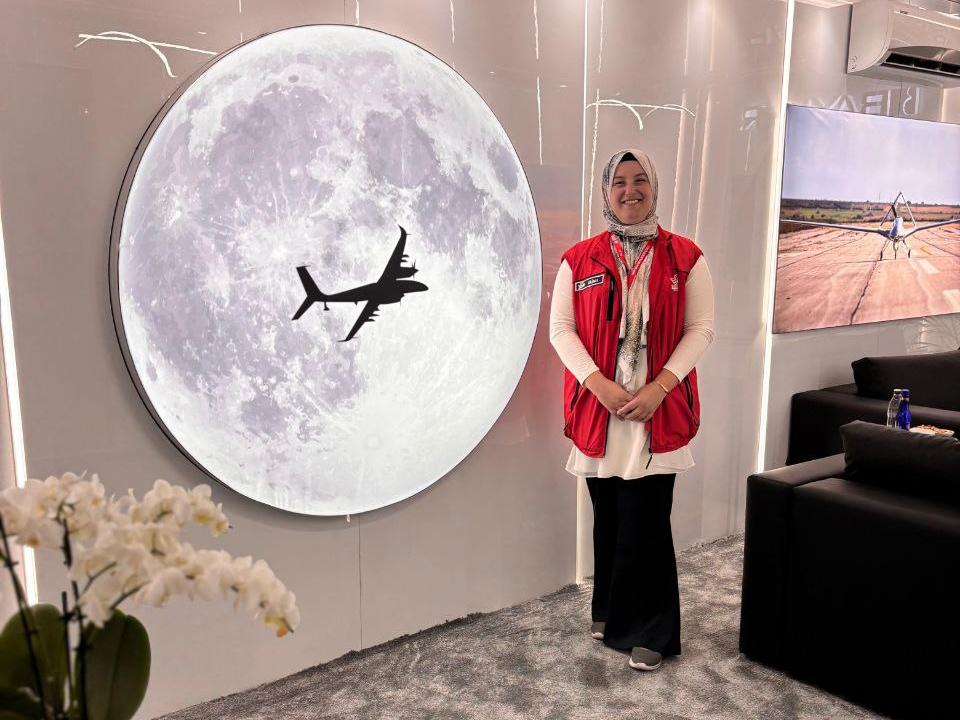
Oksana Gülünay
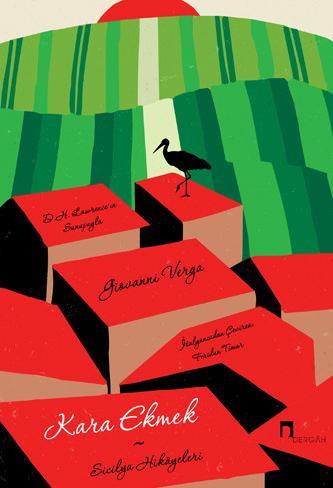
Black Bread Sicilian Stories (Book)
Black Bread – Sicilian Stories is a work by Giovanni Verga, one of the most important figures in Italian literature. Published by Dergâh Yayınları in April 2024, this book consists of stories that deeply explore rural life and the hardships of the working class in Verga’s time. The narratives are drawn from real-life fragments of the village where Verga lived and where his family originated. Summary of Contents The book provides a detailed account of the lives of peasants and the working class i
EN
Muhammed Samed Acar
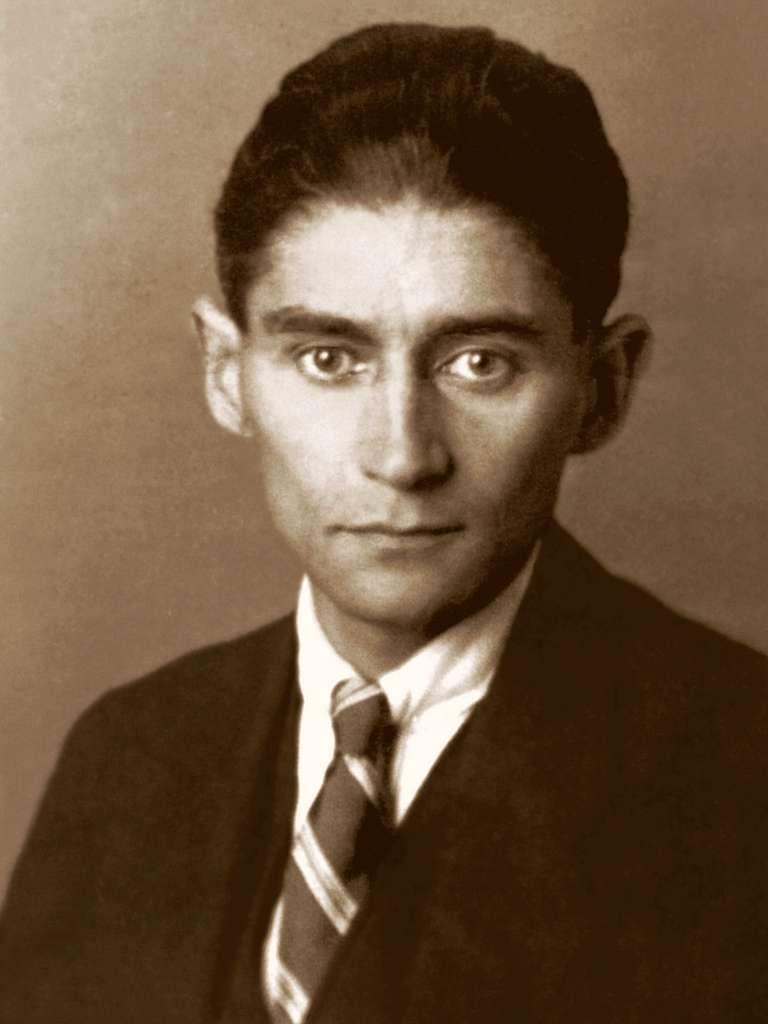
Franz Kafka
Franz Kafka was born on 3 July 1883 in Prague, then part of the Austro-Hungarian Empire, in an old apartment near the boundary of the Jewish ghetto. His father, Hermann Kafka, rose from a poor Jewish family to become a merchant, while his mother, Julie Kafka, came from a wealthy German-speaking Jewish family. Both parents were engaged in commerce. Of the six children in the family, Kafka was the eldest; two of his brothers, George and Heinrich, died in childhood, and his three sisters, Elli, Val
ENNursena Şahin