

`wooden-architecture` Related Article Results
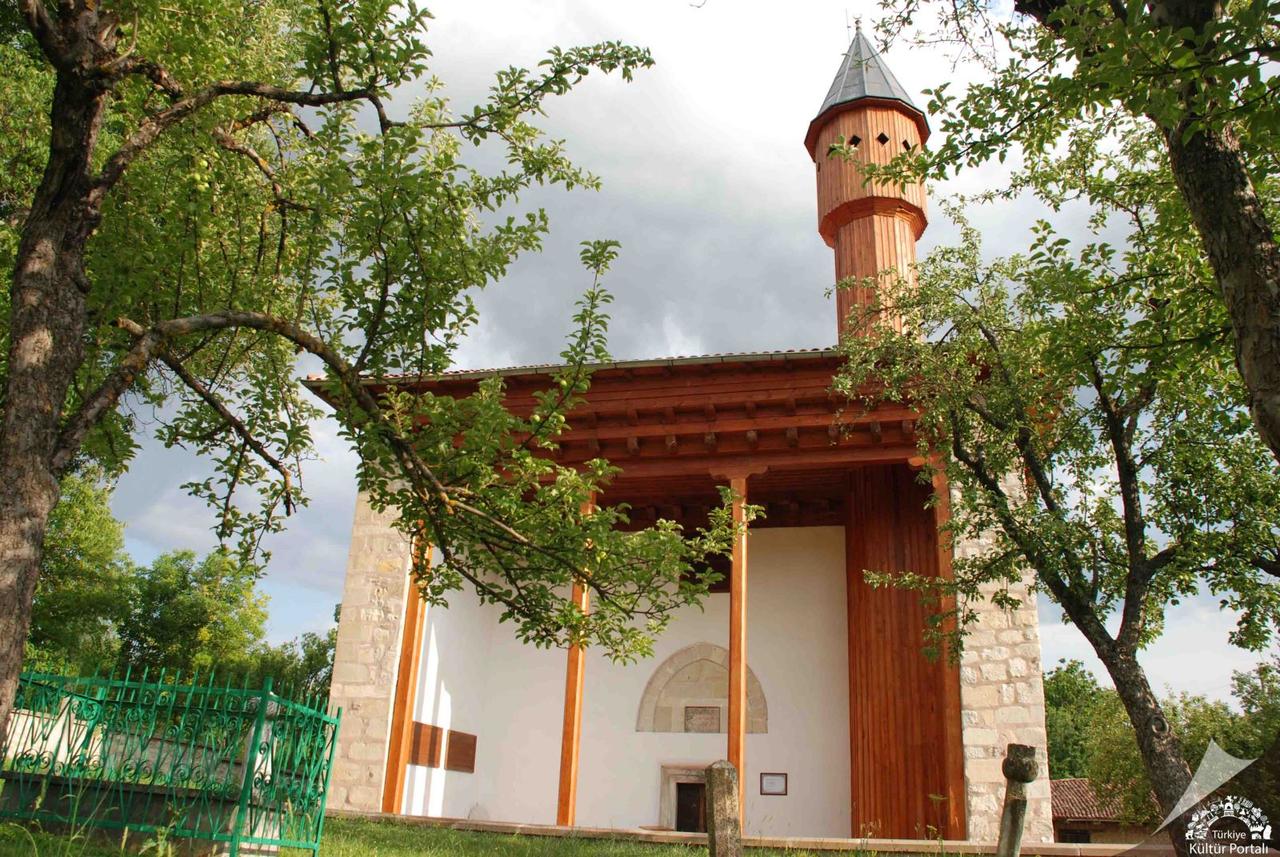
Mahmut Bey Mosque
One of the most original examples of the wooden mosque tradition in Anatolian Turkish architecture, the Mahmut Bey Camii is located in the village of Kasaba, within the central district of Kastamonu. Built in 1366 during the Candaroğulları Beylik period by Mahmut Bey, the structure is distinguished by its construction using the lap-joint technique without nails and its original ink-painted decorative elements within the interior space. The mosque’s architectural features, decorative repertoire,
EN
Sevgi Kıraç
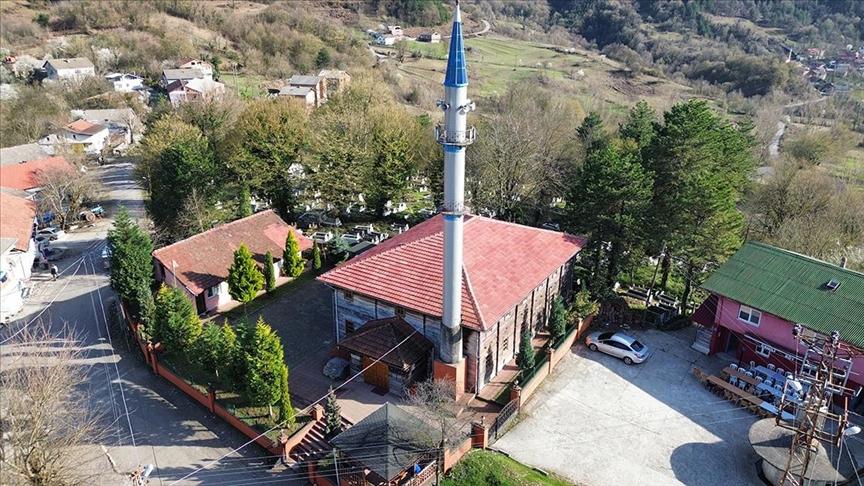
Akçahatipler Village Central Mosque
Akçahatipler Köyü Merkez Cami is a traditional mosque located in the eastern settlement center of Akçahatipler Village, within the boundaries of Çaycuma District in Zonguldak Province, near Bartın. Constructed entirely of wood using the çantı technique, it is estimated to have been built in the first half of the 19th century. The structure is one of the rare examples of çantı mosques in the Western Black Sea region, notable for both its architectural planning and the skilled use of its timber fr
EN
Metin Terzioğlu
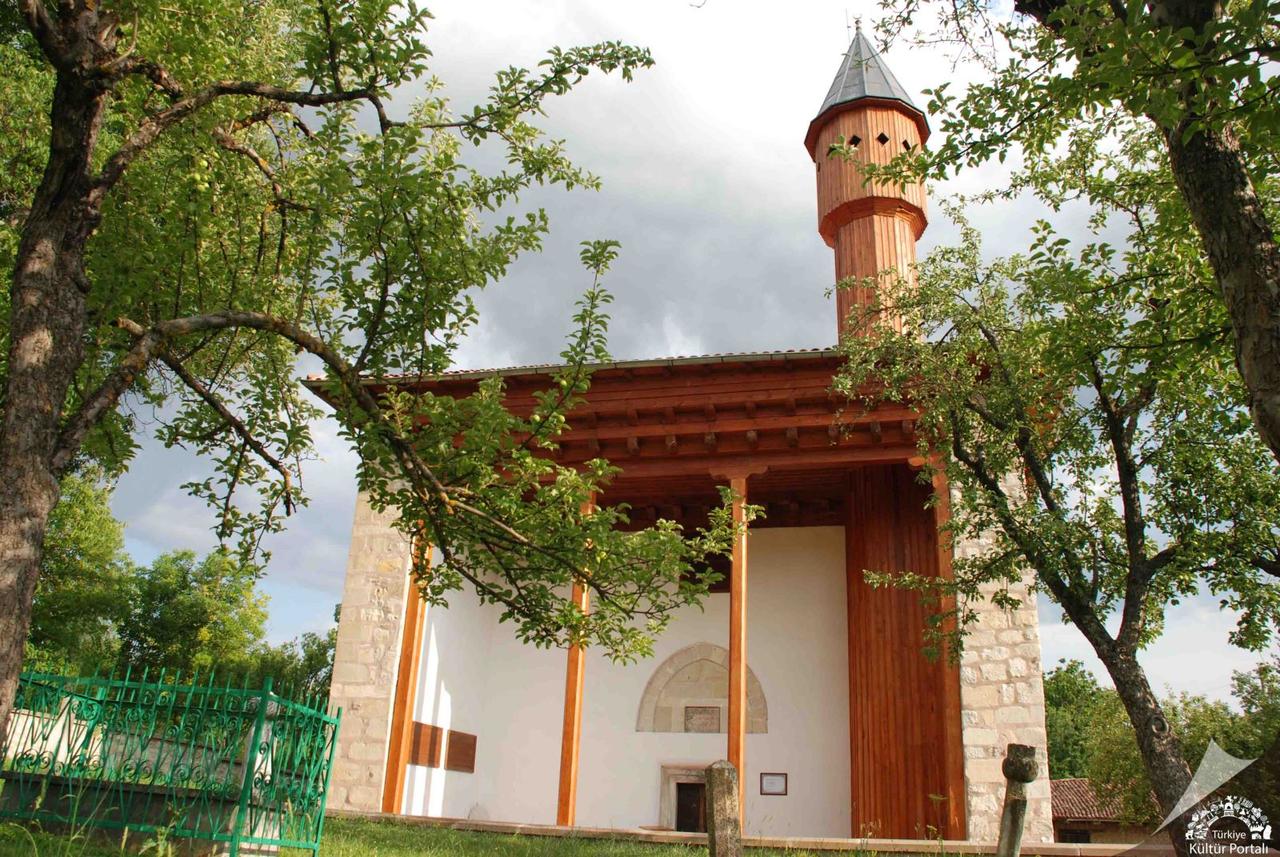
Mahmut Bey Mosque
One of the most original examples of the wooden mosque tradition in Anatolian Turkish architecture, the Mahmut Bey Camii is located in the village of Kasaba, within the central district of Kastamonu. Built in 1366 during the period of the Candaroğulları Beyliği, the structure stands out for its construction using the lap-joint technique without nails and for its original calligraphic decorations within the interior space. The mosque’s architectural features, decorative repertoire, and preserved
EN
Sevgi Kıraç
Orhan Gazi Camii
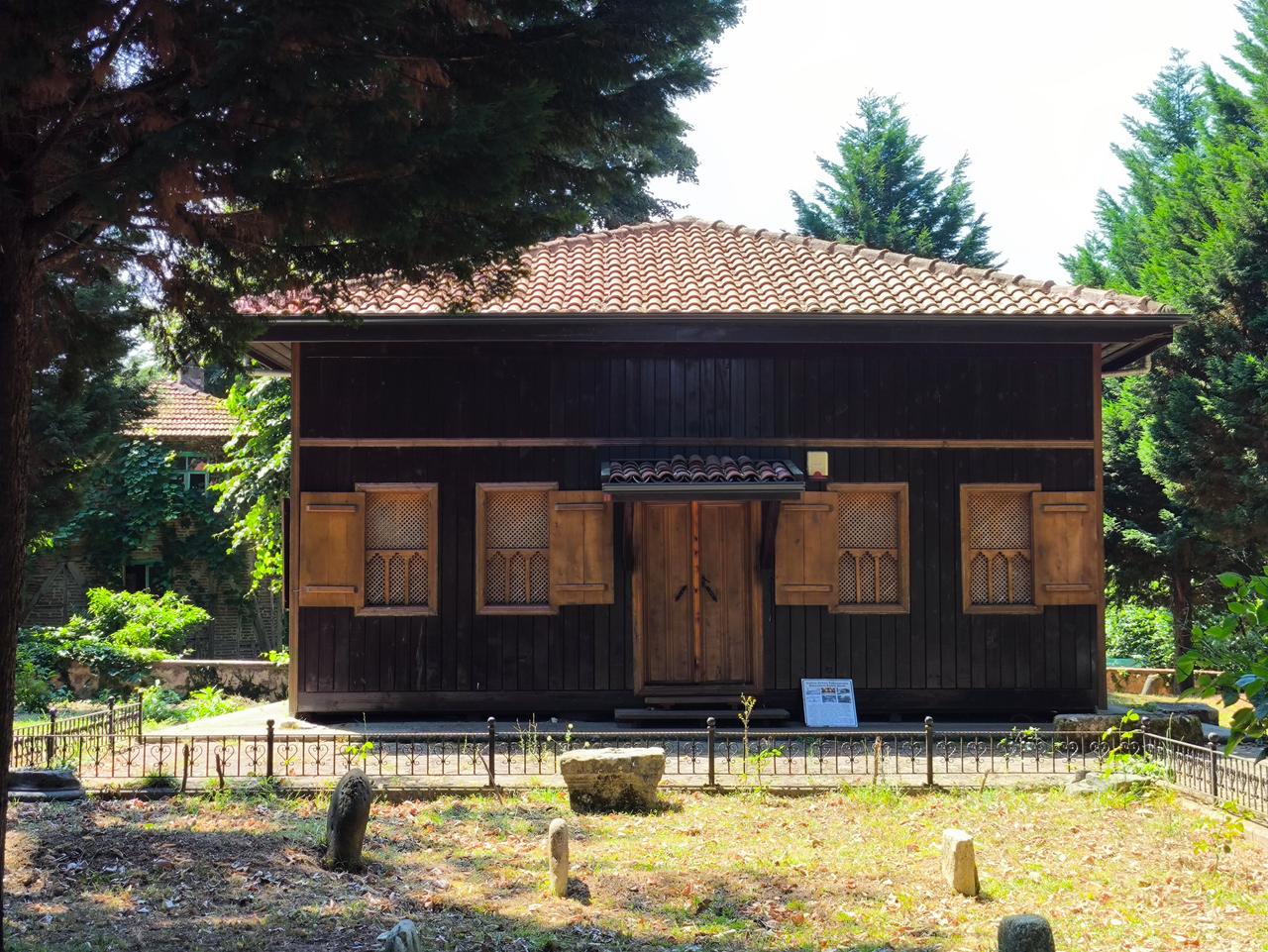
Orhan Gazi Camii is a significant wooden place of worship from the Ottoman period, located in Çayağzı Village, Akçakoca District of Düzce Province. It is believed to have been commissioned by Orhan Gazi, one of the founders of the Ottoman State, upon his arrival in the region in 1323. The structure is recognized as one of the most notable examples of the “bag-type” mosques in the area. History In 1323, during a campaign to incorporate Skopje into Ottoman territory, Orhan Gazi and his army, due t
EN
Yusuf Bilal Akkaya
Göğceli Mosque
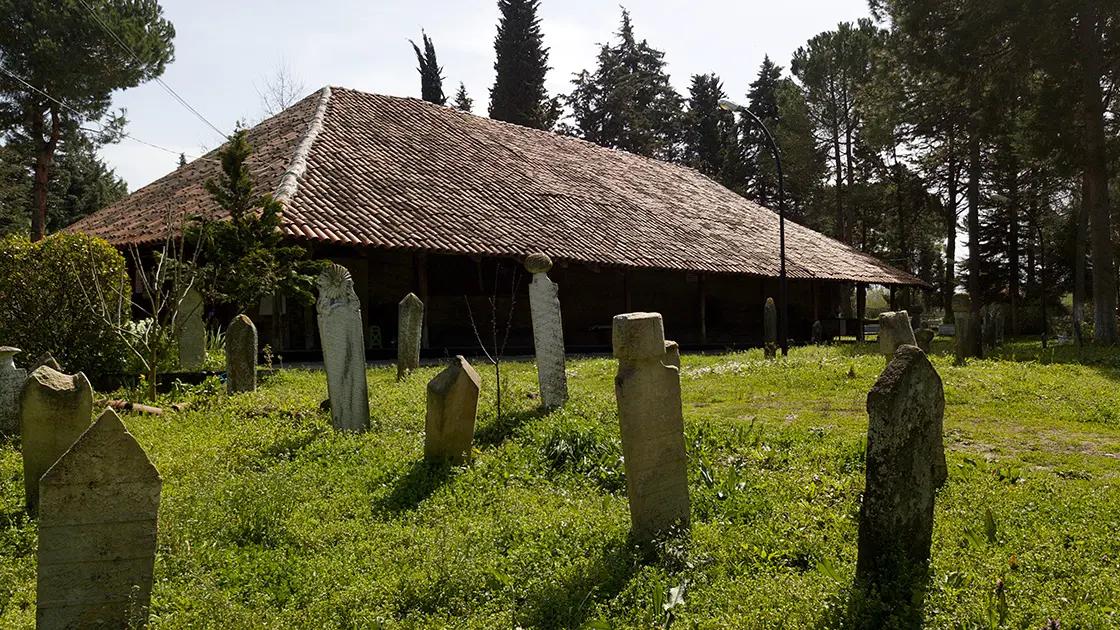
Göğceli Mosque is an original wooden worship structure located within the borders of Çarşamba district, Samsun province, in Türkiye's Black Sea Region, and dates back to the Anatolian Seljuk period. It holds a special place in architectural history due to its construction entirely without nails and its survival for centuries. Also known as the "Nail-less Mosque," this structure is one of the rare surviving examples of traditional wooden building techniques in Anatolia. Geographical and Urban Loc
EN
Sümeyye Akkanat Terzioğlu
Akçahatipler Village Central Mosque
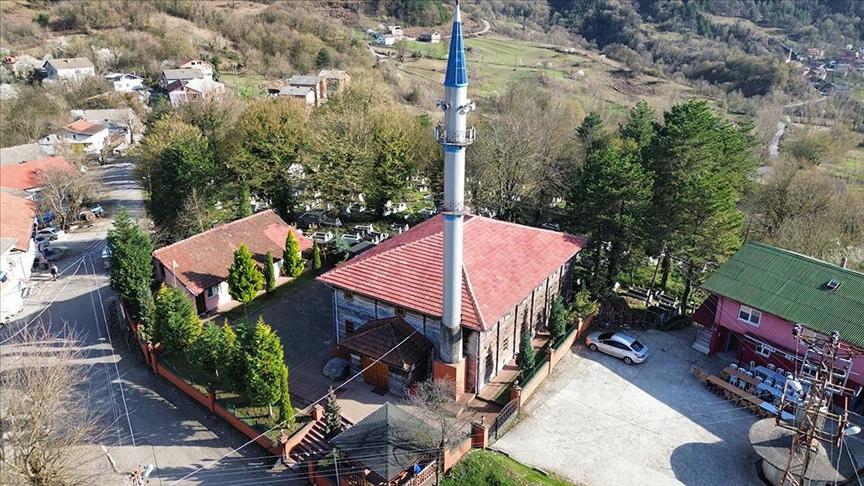
Akçahatipler Village Central Mosque is a traditional wooden mosque constructed using the çantı technique, located at the center of the eastern settlement of Akçahatipler Village within the boundaries of Çaycuma District in Zonguldak Province, near Bartın. Estimated to have been built in the first half of the 19th century, the structure is one of the rare examples of çantı mosques in the Western Black Sea region, notable for both its architectural planning and the skilled use of its timber-frame
EN
Metin Terzioğlu
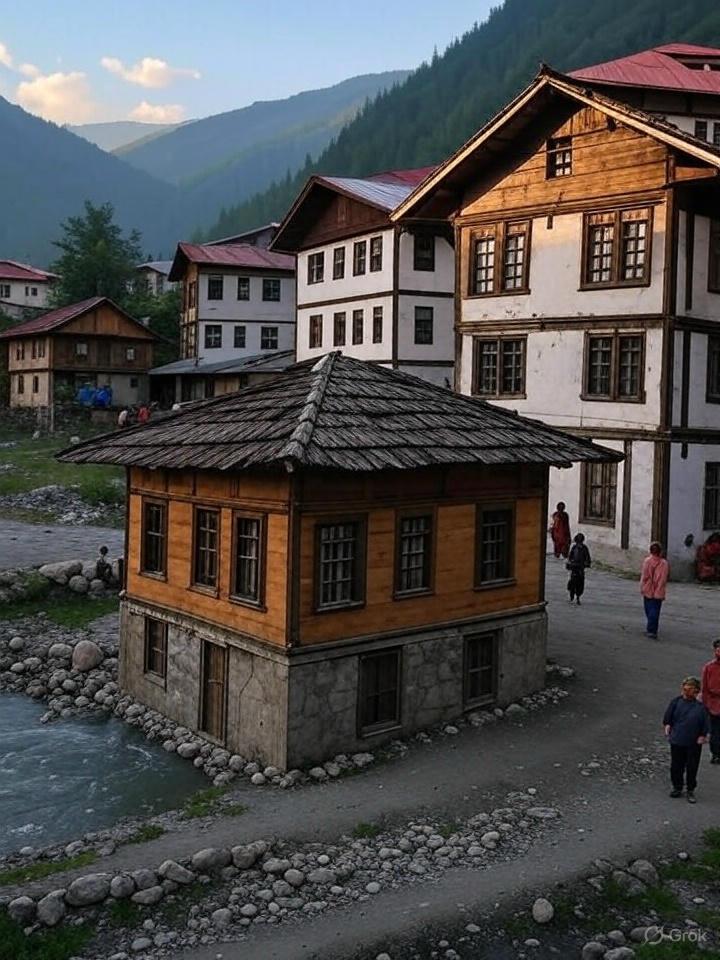
Şavşat Houses
The traditional rural houses in Şavşat district of Artvin are original architectural examples shaped by the region’s harsh climatic conditions, social structure, and cultural values. These houses are typically constructed using timber-frame techniques and serve the patriarchal family structure in which multiple generations share the same living space. Architectural Plan and Spatial Organization Şavşat houses generally consist of three to four rooms. A defining feature of the floor plan is the ce
EN
Kardelen Durukan