

`womens-rights` Related Article Results
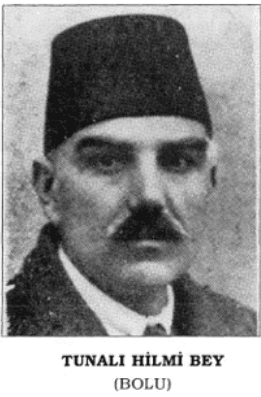
Abdullah Hilmi Tunalı (Tunalı Hilmi Bey)
Abdullah Hilmi Tunalı, known as Tunalı Hilmi Bey, gained prominence during the transition from the late Ottoman Empire to the early years of the Republic through his political and social activities. Born on 28 August 1871 in the town of Eski Cuma (Targovişte) in Bulgaria, then part of the Ottoman territories, Tunalı Hilmi migrated with his family to Istanbul after the 1877–78 Russo-Turkish War, began his education in Üsküdar, and became involved in political activities by joining the Young Turk
EN
Yunus Emre Sağlam
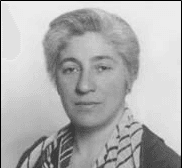
Ayşe Şekibe Şekib İnsel
Following the granting of women’s right to be elected as members of parliament on 5 December 1934, she was elected as a member of parliament for Bursa from the Republican People’s Party in the 1935 elections and served in the 5th Term of the Grand National Assembly of Türkiye. She worked in the Agriculture Council, conducted various studies in her region, and contributed to the reports prepared. İnsel, whose political life was limited to this period, passed away on 29 March 1970. Education and F
ENYunus Emre Sağlam
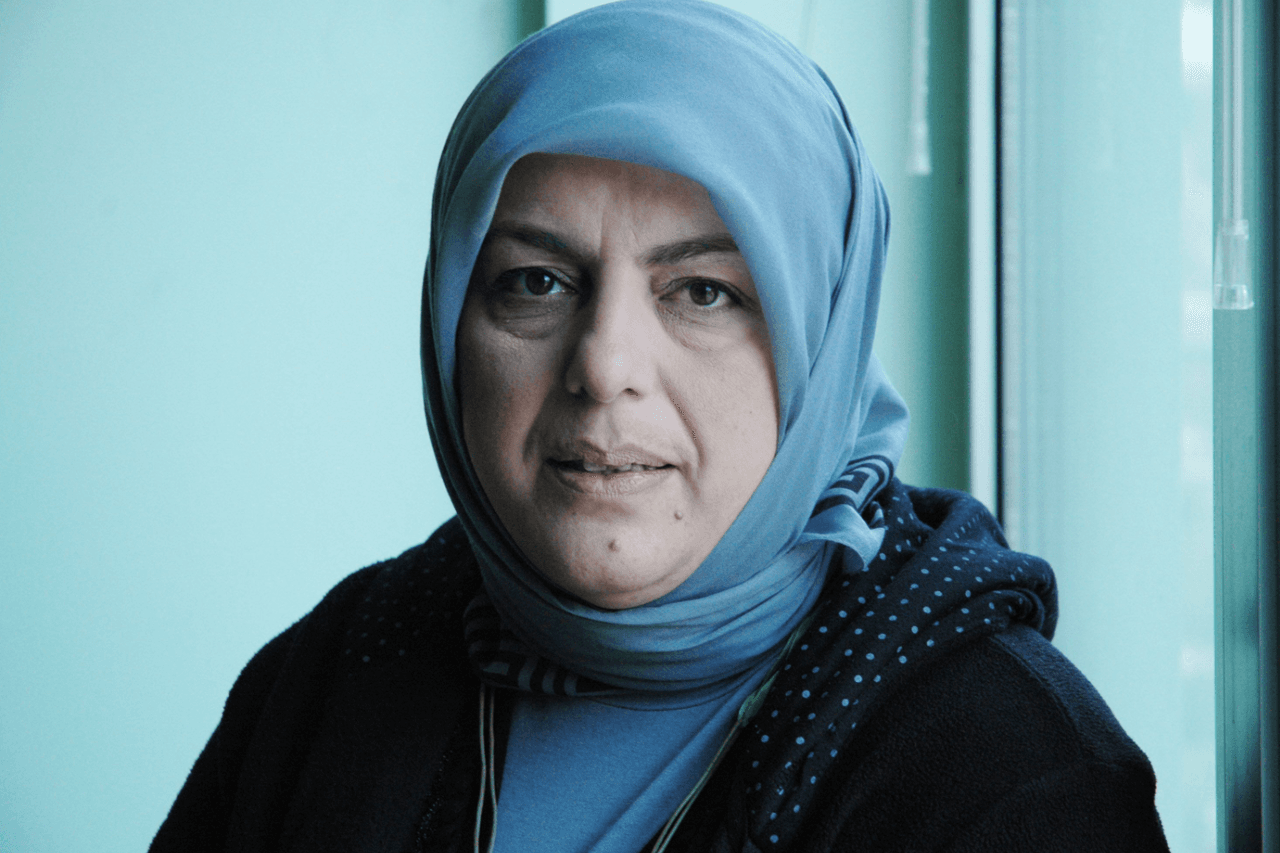
Sibel Eraslan
Sibel Eraslan (born 1967, Üsküdar, Istanbul) is a journalist, writer and lawyer. Known for her writings on women’s rights, human rights and social issues, Eraslan has contributed columns to various newspapers and has written short stories and novels in the field of literature. Early Life and Education Sibel Eraslan was born in the Üsküdar district of Istanbul. She completed her primary and secondary education in Üsküdar and graduated from Üsküdar Girls’ High School in 1985. In 1989 she graduated
EN
Sümeyra Uzun
 Se
SeSeneca Falls Declaration
19–20 July 1848, the meeting held in Seneca Falls, New York and recognized as the first women’s rights convention in history resulted in a significant document regarded as one of the foundational pillars of the women’s rights movement. This declaration, announced with the support of around 300 participants and signed by 68 women and 32 men, publicly exposed the social legal and religious inequalities faced by women and transformed their fundamental rights and freedoms into a historical text. Sig
EN
Ulus Emir Aslan

Fifth National Action Plan on Combating Violence Against Women (2026–2030)
Fifth National Action Plan on Combating Violence Against Women (2026–2030) is the fifth national policy document prepared in Türkiye to prevent violence against women. The plan was adopted by the Presidential Circular dated 24 November 2025 and numbered 2025/19, signed by President Recep Tayyip Erdoğan. The Action Plan aims to “Prevent All Forms of Violence Against Women Through the Principle of Zero Tolerance Toward Violence”. To this end, it is based on an intersectional and holistic strategic
EN
Edanur Karakoç
SeSeneca Falls Declaration
On 19–20 July 1848, in Seneca Falls, New York, a meeting was held that is recognized as the first women’s rights convention in history. The resulting document, known as the important, is considered one of the foundational texts of the women’s rights movement. With the support of approximately 300 attendees and signed by 68 women and 32 men, the paper publicly exposed the social, legal, and religious inequalities faced by women and articulated their fundamental right and freedom demands in a form
ENUlus Emir Aslan

Dürdane Hanım (Novel)
Dürdane Hanım, written by Ahmet Mithat Efendi, is among the leading novels of the Tanzimat period in Turkish literature. First published in 1882, the work was republished in 2023 by Türkiye İş Bankası Kültür Yayınları in an edition prepared by Sabahat Ece Aydın. The novel reflects the author’s didactic style and addresses the social issues of the era, individual quests for freedom, and the social structures shaped around female identity. The Author and Literary Period Ahmet Mithat Efendi was one
EN
Zeynep Şule Bingöl

Hatice Safiye Ali
Hatice Safiye Ali was born on 2 February 1894 in Istanbul. Her father was Ali Kırat Pasha, an aide to Sultan Abdülaziz and Sultan Abdülhamid II, and her mother was Emine Hasene Hanım, daughter of Şamlı Hacı Emin Pasha, who served as sheikh of the harem in Mecca for 17 years. Safiye Ali, the youngest of four sisters, belonged to a family known for holding various state offices during the Ottoman period and enjoying considerable social prestige. Educational Background and Studies Abroad Safiye Ali
EN
Neriman Çalışkan

Women's Studies
Women’s Studies is an interdisciplinary academic field that examines the positions of women and gender within various social, cultural, historical, political, and economic contexts. This field critically interrogates gender inequality patriarchal structures and the binary gender system and emerged and institutionalized in the second half of the 1960s as a result of the second-wave feminist movement particularly in the United States and the United Kingdom. Women’s Studies seeks to make visible wo
EN
Nida Üstün
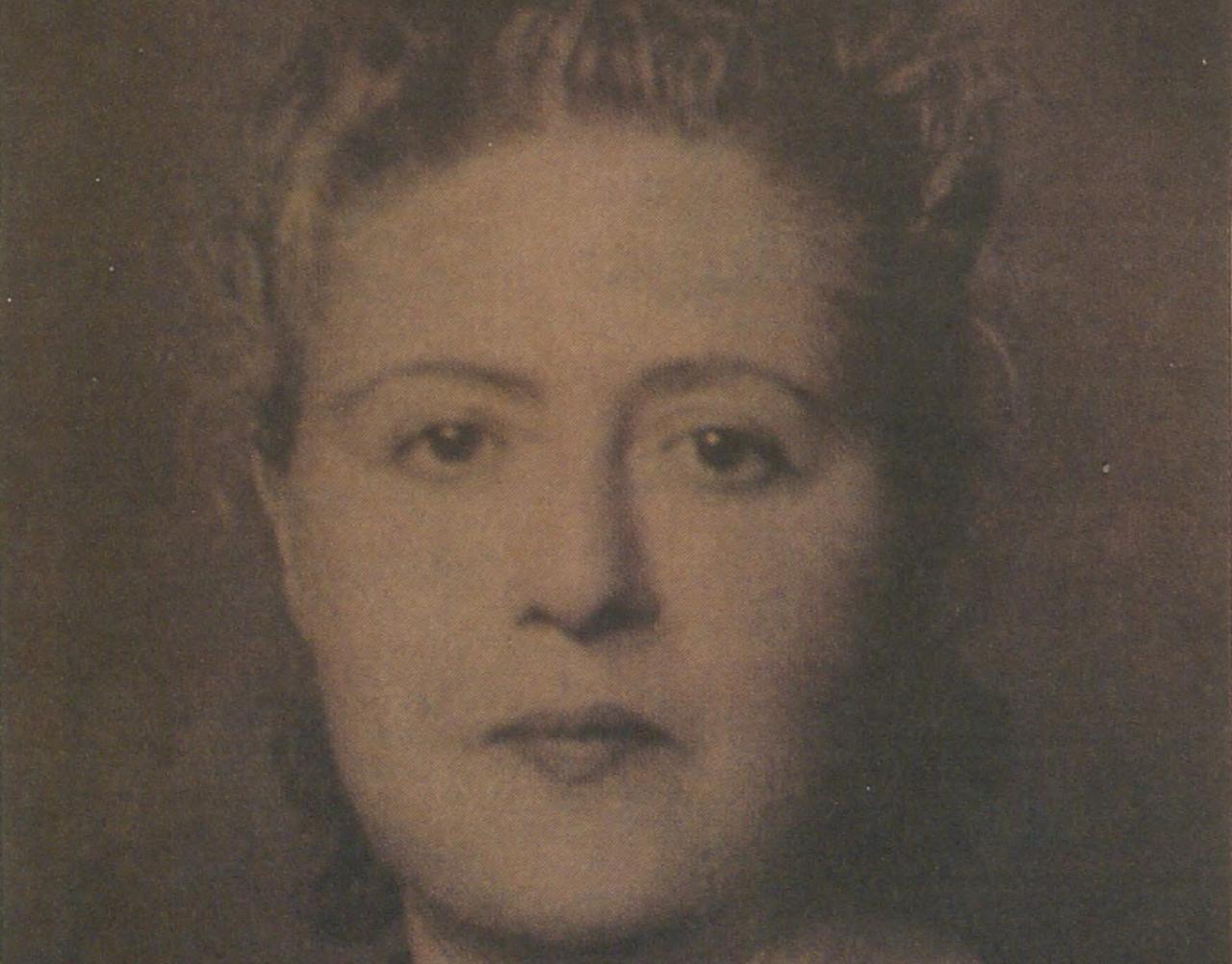
Sabiha Sertel
Sabiha Sertel was born in Salonica in 1895. Her family belonged to the Dönme community of Salonica. She began her education in Salonica, attending Terakki School, the French School, and the İttihat ve Terakki İdadisi. In her youth, through the Tefeyyüz Cemiyeti, which she co-founded with friends, she took private lessons to develop her knowledge in fields such as law, sociology, logic, and economics. An article she wrote during this period, titled “Kadın in Ottoman Society,” was selected as the
EN
Emir Cengiz Çulha