

`wolf` Related Article Results

Börü (Film)
Börü is a 2018 action and war film. The screenplay was written by Alper Çağlar, and the film is directed by Can Emre and Cem Özüduru. It serves as a sequel to the similarly titled television series. Film centers on the story of an elite team within the Special Operations Forces (PÖH). Set within a fictional narrative, it uses Türkiye's close period political and social events as its backdrop. Summary The film follows a special operations team known as "Börü" with the radio code 34-50. The team m
EN
Enes Bakkar
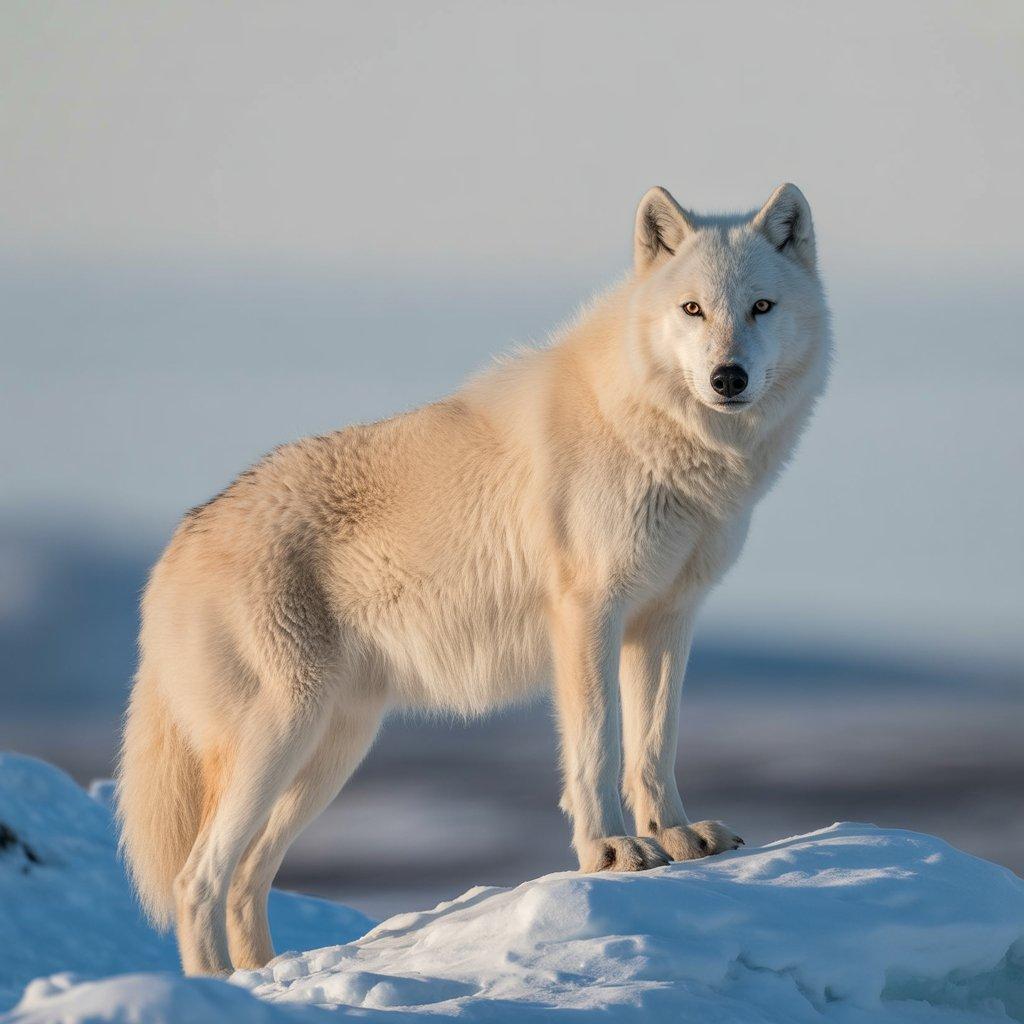
Polar Bear
The Arctic wolf (Canis lupus arctos) belongs to the dog family. It is a bold and agile animal that lives in cold regions covered in ice and snow. One of the most distinguishing features that set it apart from other wolves is its thick, pure white fur. This fur helps it blend into snowy environments. Additionally, its strong and long legs enable it to move easily across snow and ice. What Color Are They? The fur of Arctic wolves is mostly pure white, allowing them to disappear among snow and ice.
EN
Buse Nur ŞEN

The Concept of Kut in Turkish Culture
Kut is a central concept in the ancient Turkic belief system and state philosophy, conveying meanings of sanctity, legitimacy, and divine approval. In Old Turkic, kut was used to denote “sacred power,” “right to rule,” or “divine grace.” According to this understanding, a khan or khagan holds the right to rule because he has been endowed with kut by God. In this sense, kut is not merely a secular attribute of authority; it is also regarded as a divine credential. The concept of kut, rooted in th
EN
Hümeyra Yılmaz

Börü (Film)
Börü is a 2018 Turkish action and war film. The screenplay was written by Alper Çağlar, with co-direction by Can Emre and Cem Özüduru. It serves as a sequel to the television series of the same name. The film centers on the story of an elite team within the Police Special Operations (PÖH). Set within a fictional framework, it uses Türkiye’s recent political and social events as its backdrop. Summary The film focuses on a special operations team known as “Börü,” with radio code 34-50. The team co
EN
Enes Bakkar
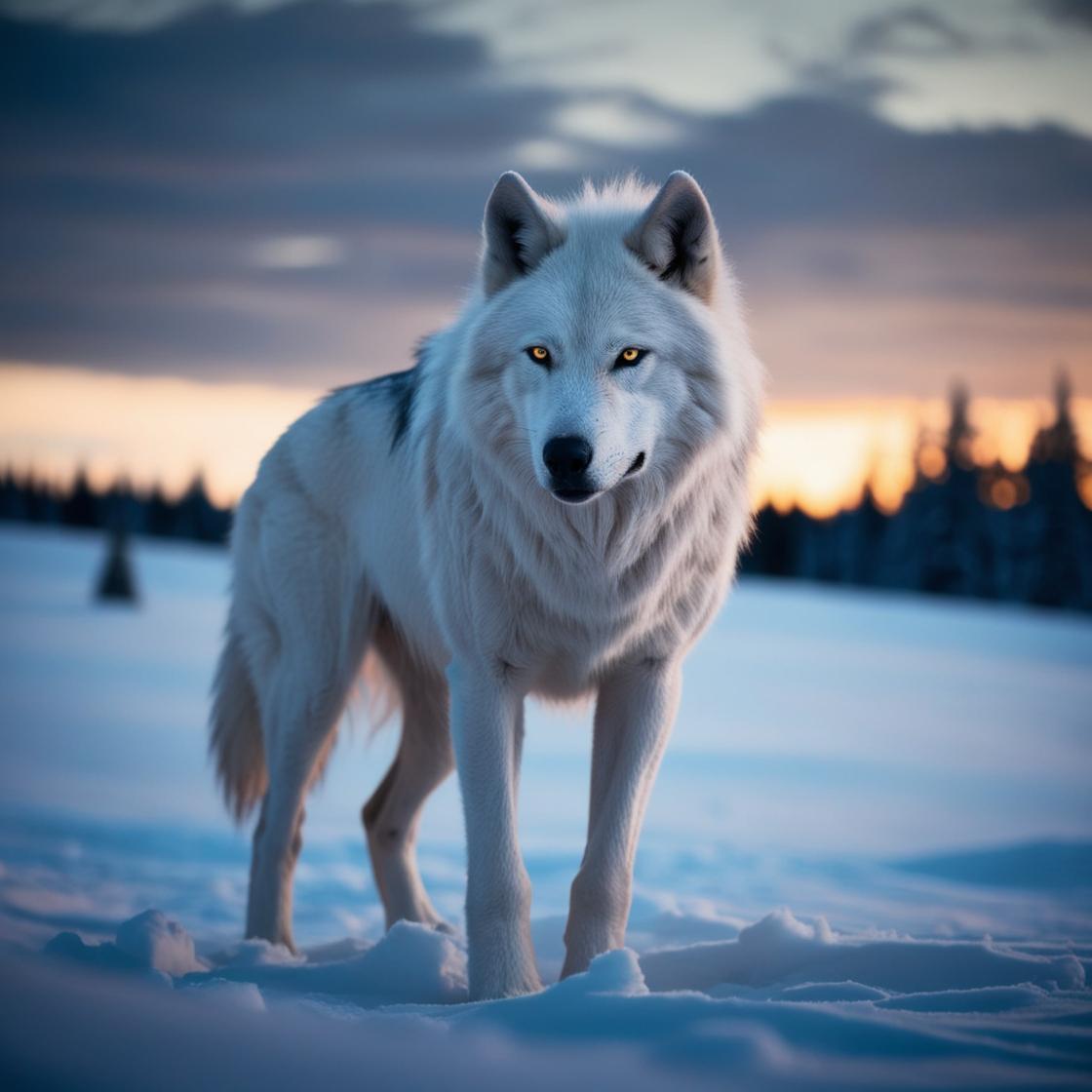
Ulukurt
Ulukurt (Aenocyon dirus), a large extinct predator that lived in Pleistocene-era Americas. Ancient DNA analyses have demonstrated that, contrary to earlier assumptions, this animal is not closely related to wolves but instead belongs to a very ancient and distinct canid lineage (Aenocyon genus) that diverged approximately 5.7 million years ago and evolved independently in the Americas. Representative Ulukurt Image (Generated by Artificial Intelligence.) " image-element-format="right" image-sourc
EN
Caner Sefa Koçyiğit

The Concept of Kut in Turkish Culture
Kut is a central concept in the ancient Turkic belief system and state philosophy, embodying meanings of sanctity, legitimacy, and divine endorsement. In Old Turkic, kut was used to denote “sacred power,” “right to rule,” or “divine favor.” According to this understanding, a khagan or khan holds the right to rule because he has been endowed with kut by God. In this sense, kut is not merely a secular attribute of power but is regarded as a divine credential of authority. The concept of kut, roote
EN
Hümeyra Yılmaz