

`water-cycle` Related Article Results
 Wa
WaWater Cycle (Hydrological Cycle)
The water cycle (hydrological cycle) is a natural process that describes the continuous movement of water between the atmosphere, land, and oceans. In this process, water exists in different physical states—solid, liquid, and gas—and circulates continuously among the various components of the Earth system. The atmosphere, oceans, lakes, rivers, glaciers, soil, and living organisms are among the key components of this cycle. The water cycle is a dynamic system that prevents water from remaining s
EN
Zeynep Aydın
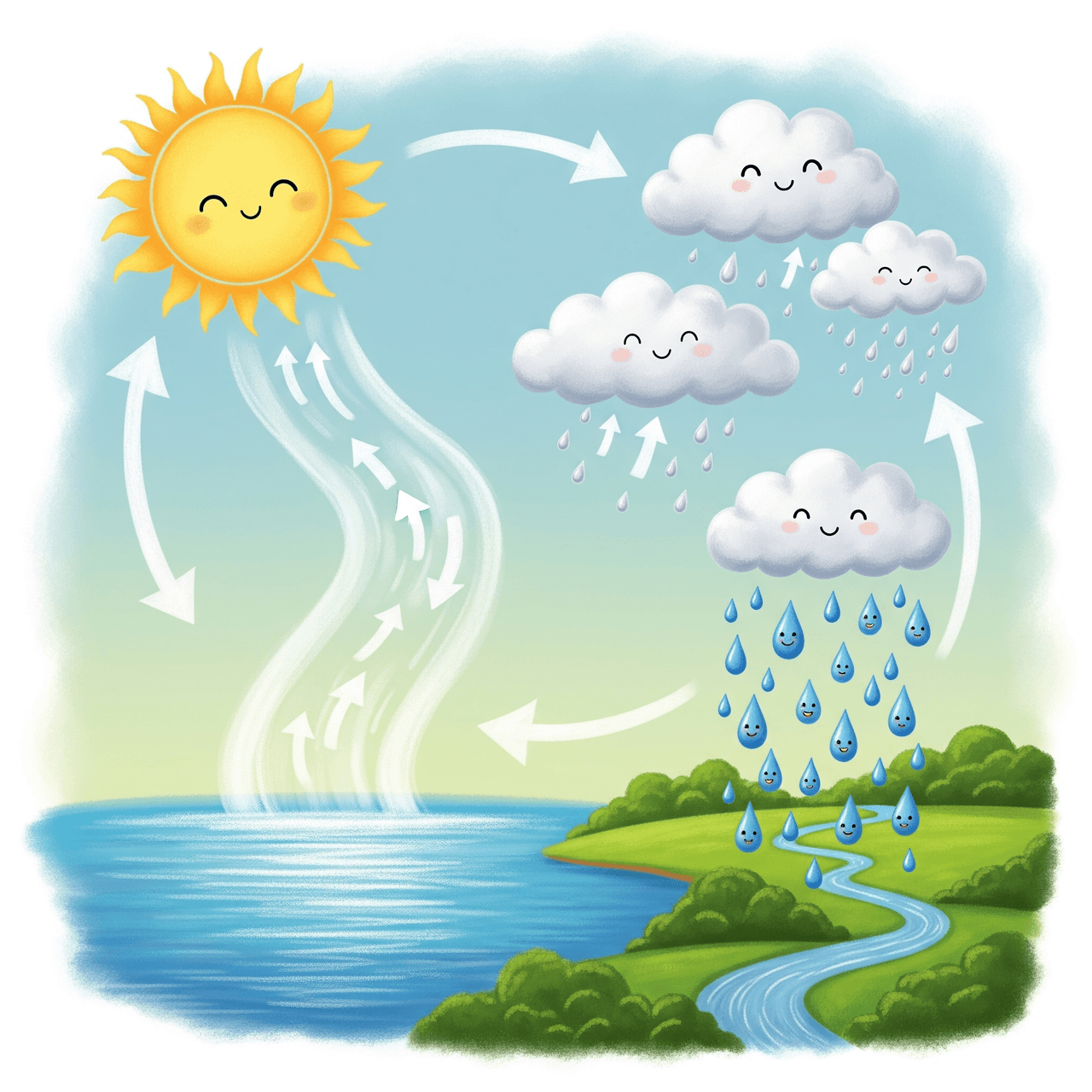
Why Does Water Evaporate at Every Temperature?
Water can evaporate not only when it reaches its boiling point but also at lower temperatures. This means it is not necessary for water to reach 100 °C. When you leave a glass of water on a windowsill during summer you will notice its level decreases. This is evaporation! Water can evaporate at any temperature because not all water molecules have the same speed (kinetic energy). Water Cycle and Evaporation (Generated by Artificial Intelligence.) " image-element-format="right" image-source="https
EN
Hikmet Can Urhan
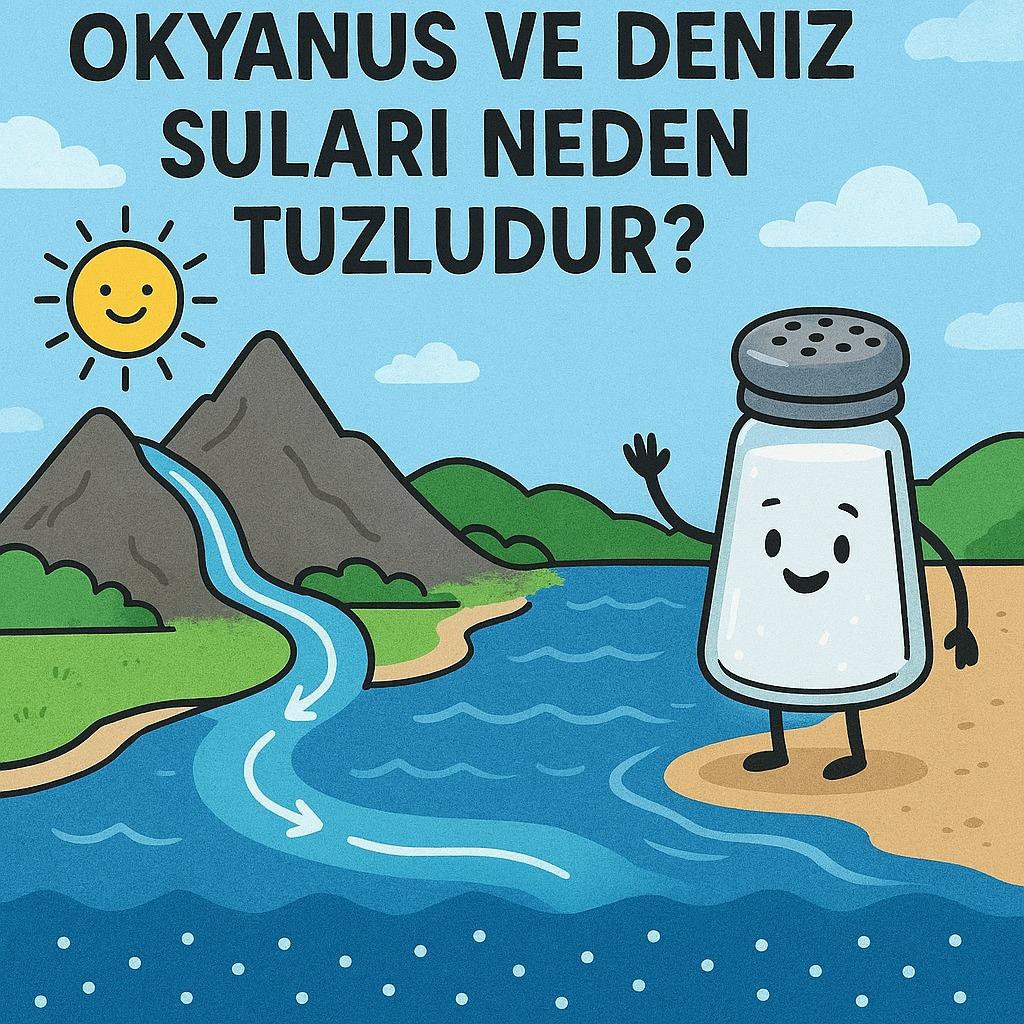
Why Are Ocean and Sea Waters Salty?
Oceans and seas are salty because they contain large amounts of salt (mineral-based substances). Most of this salt has dissolved into the water through the erosion of rocks and minerals emerging from the seafloor. This process, which has continued for millions of years, has shaped the oceans into their current state. The Power of Rain When raindrops fall on rocks, they slowly erode them (break them into small fragments). Minerals within the rocks (natural stone materials) dissolve and mix with t
EN
Fatma Köroğlu