

`vienna` Related Article Results
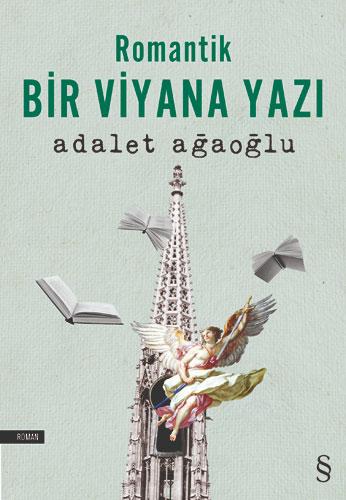
A Romantic Vienna Text (Book)
A Romantic Vienna Narrative, written by Barış Bıçakçı, is a novel intertwined with memory, the past, and the teaching profession. The novel explores an inner journey to Vienna following a teaching career shaped by disappointments. Plot The novel traces the thirty-five-year professional life of history teacher Kamil Kaya and his days after retirement in Vienne. The story begins when the narrator-author, residing in London with his nephews, travels to Vienne under the pretext of attending a book s
EN
Mehmet Denizhan
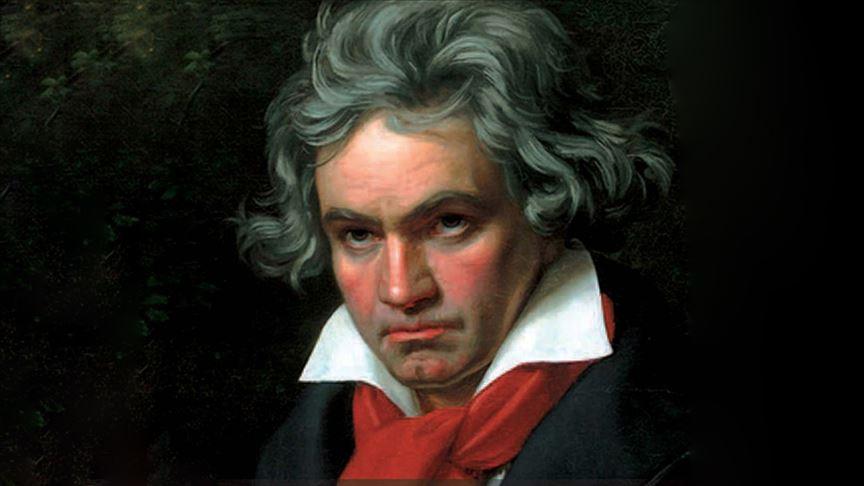
Ludwig van Beethoven
Ludwig van Beethoven was born on December 17, 1770 in Bonn, Germany. His grandfather, Ludwig Beethoven, was a musician of Flemish origin known as a church music director, violinist, and tenor. His mother, Maria Magdalena, came from a family of servants and died of tuberculosis in 1787. His father, Johann Beethoven, also served as a tenor in the same church but became an indifferent parent due to alcoholism. Ludwig had two brothers, Kaspar (1774–1815) and Johann (1776–1848). After his mother’s de
EN
Yahya B. Keskin
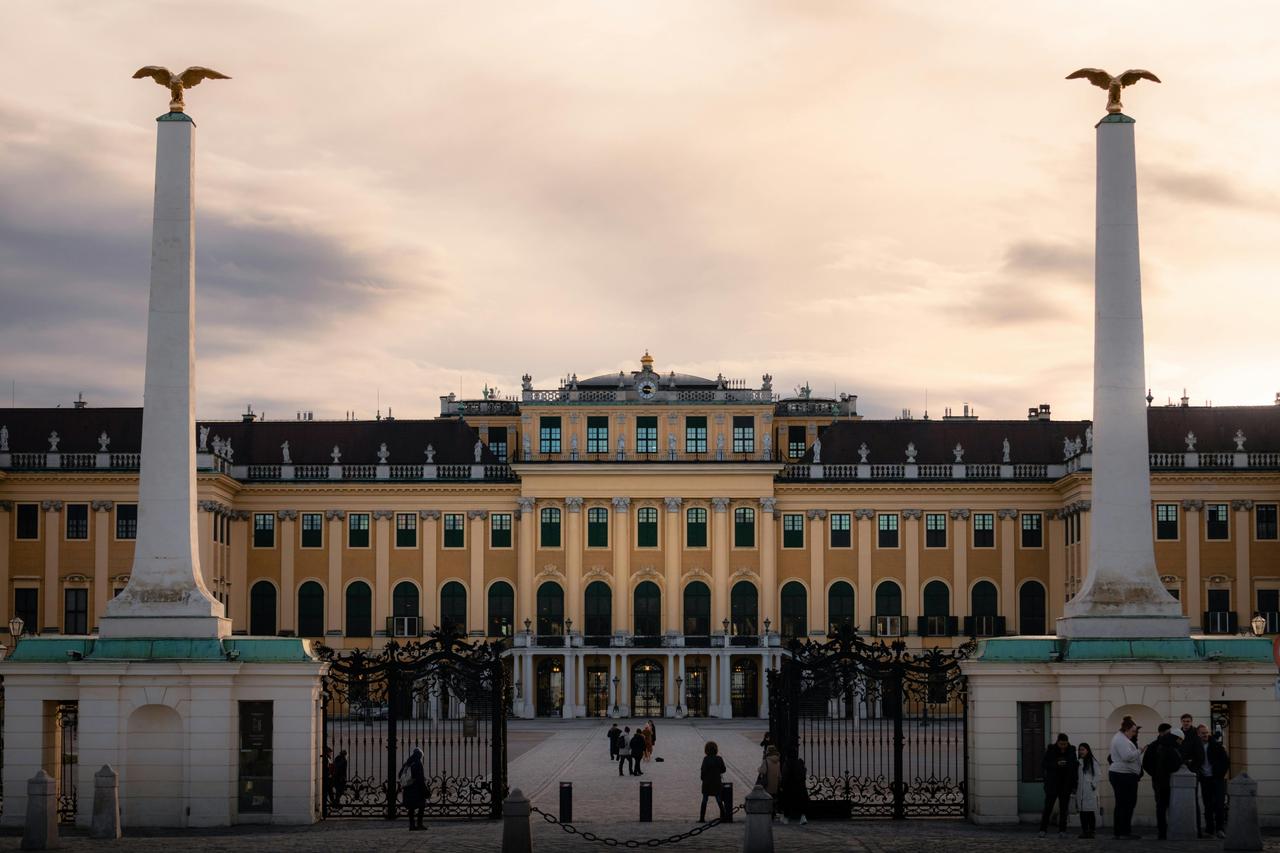
Schönbrunn Palace
Schönbrunn Palace is a historic palace and garden complex listed on the UNESCO World Heritage List, renowned for its Baroque architecture and expansive landscape design. Originally constructed as the Habsburg dynasty’s summer residence, the site embodies a cultural landscape that reveals the evolving tastes and political representation of successive Habsburg rulers through centuries of transformation. It was inscribed on the UNESCO World Heritage List in 1996. Located in Vienna, the palace is no
EN
Meryem Şentürk Çoban
 Vi
ViVienna Coffee House Culture
Vienna café culture is an important cultural element. The interior design of Vienna cafés also shapes the identity of the space. Thonet chairs marble tables newspaper racks and high-ceilinged rooms that create a warm atmosphere are key features of these venues. Architecture here is not merely aesthetic but also functional; its structure designed for prolonged sitting offers visitors a suitable environment for reflection. Cafe Central Vienna 2024 (Photo: Melike Erol) " image-element-format="right
EN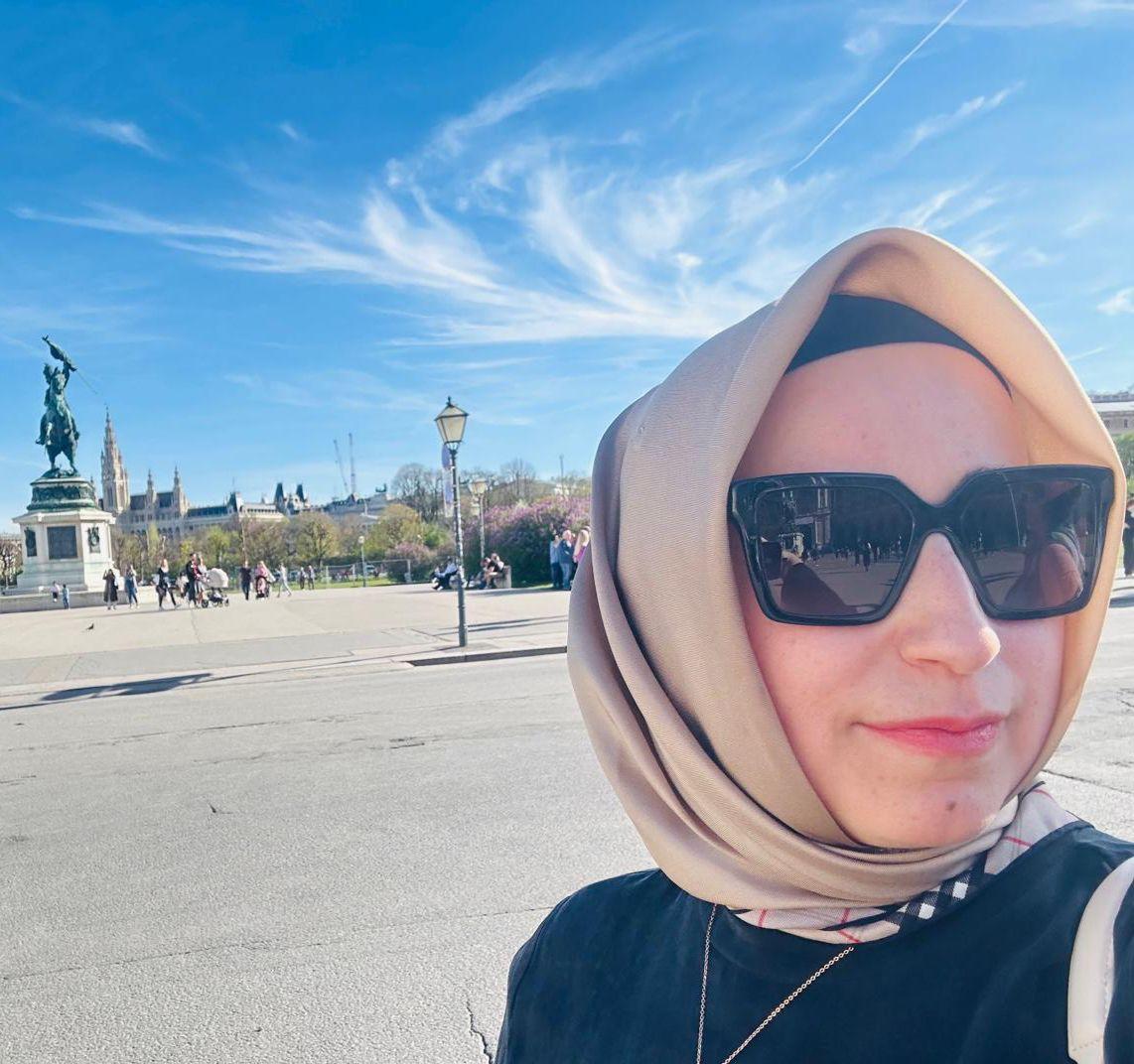
Melike Erol
Elisabeth Amalie Eugenie von Wittelsbach (Sisi)
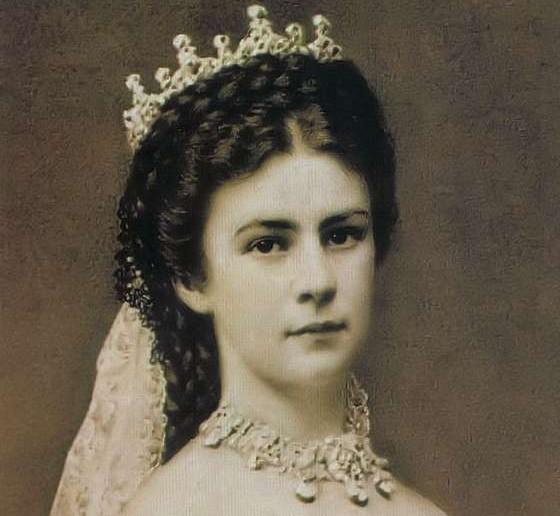
Known widely as “Sisi,” Elisabeth Amalie Eugenie von Wittelsbach (1837–1898) is one of the most captivating figures in 19th-century European history as Empress of Austria and Queen of Hungary. Youth and Marriage Elisabeth Amalie Eugenie von Wittelsbach was born on 24 December 1837 in Munich. Her father was Duke Maximilian of Bavaria (1808–1888), and her mother was Ludovika (1808–1892). A member of the House of Wittelsbach, Elisabeth was the fourth of her parents’ ten children. Her childhood unfo
ENMeryem Şentürk Çoban
SiSisi Museum
Sisi Museum is a museum dedicated to the life of Empress Elisabeth of Austria (1837–1898). Located within the Hofburg Palace in Vienna, it offers a comprehensive exhibition of the empresss personal belongings, private life and position within the imperial court. Founding and Purpose The museum was established to introduce visitors to Elisabeths personality, daily life and role within the empire. The exhibits aim to present Elisabeth not only as an empress but also through her individual traits.
ENMeryem Şentürk Çoban
Franz Ferdinand's Car
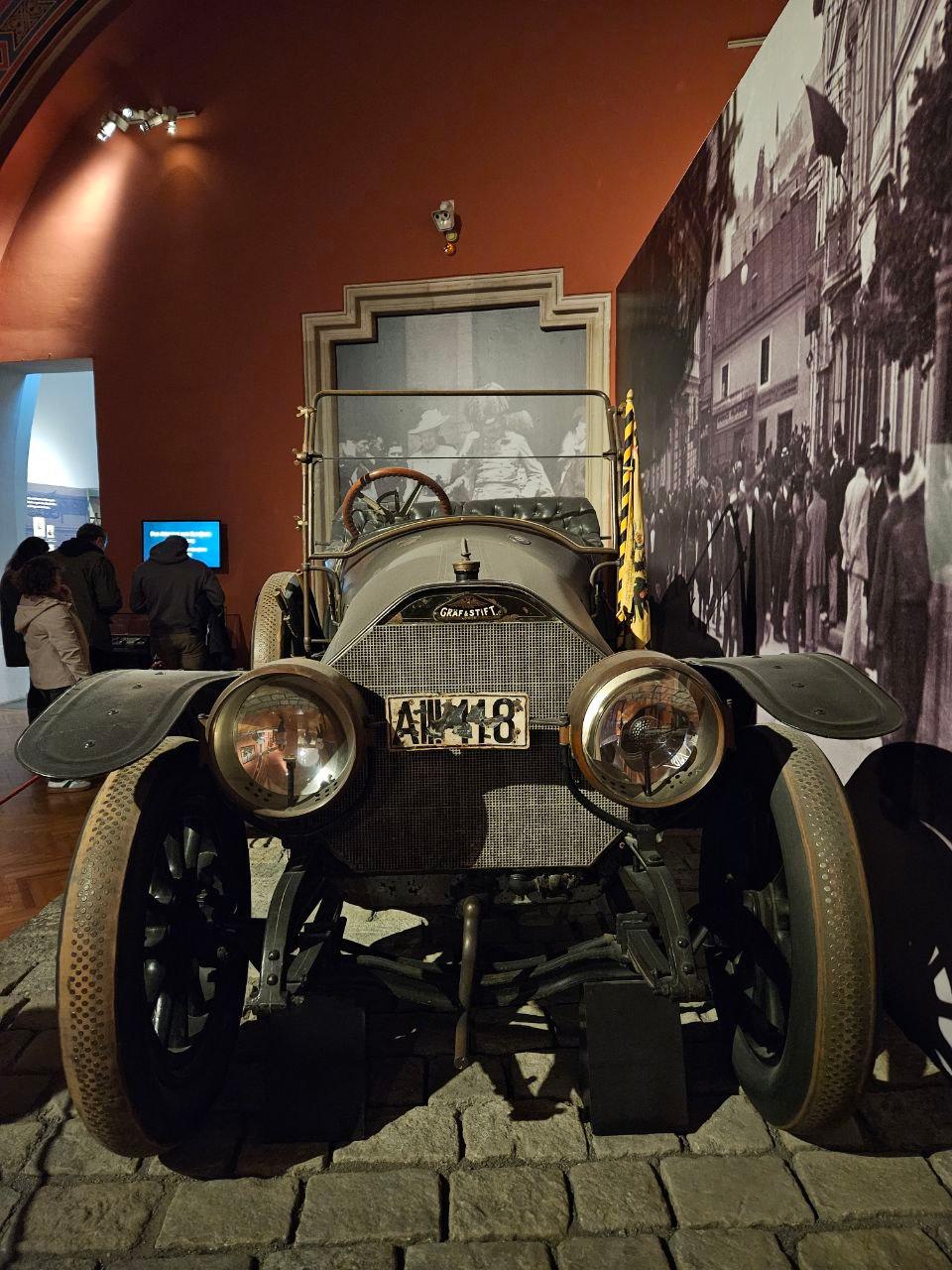
Sometimes a single object tells the story of a person or an era. The dark-colored, open-top automobile standing in the hall of the Heeresgeschichtliches Museum (Museum of Military History) in Vienna is precisely such an object. This 1910 Gräf und Stift model is more than just an ordinary car; it is the silent witness to the event that ignited one of the bloodiest wars of the twentieth century. The vehicle in which Archduke Franz Ferdinand of Austria-Hungary and his wife Sophie rode for the last
ENMeryem Şentürk Çoban