

`valve` Related Article Results
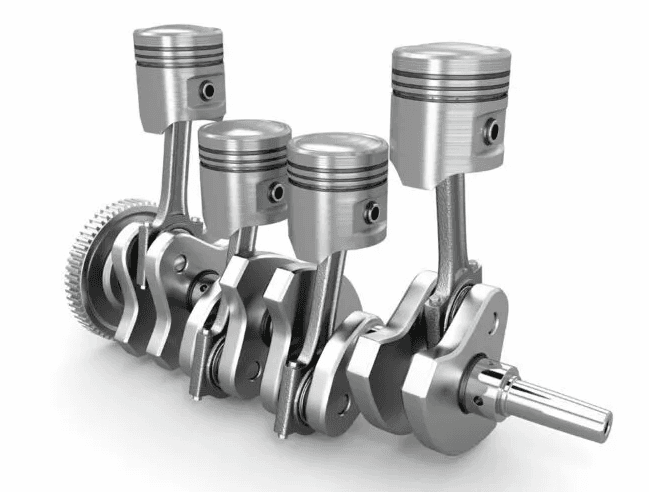
Crankshaft
Crankshaft is a shaft located at the bottom of internal combustion engines that converts the linear motion of pistons into rotational motion. This rotation is transmitted via the transmission to the wheels, enabling the vehicle to move. As the engine’s primary rotating component, the crankshaft operates in harmony with numerous other components to ensure the engine runs smoothly and efficiently. Haynes. “What Is a Car Crankshaft?” Haynes. Accessed 31 March 2025. https://haynes.com/en-gb/tips-tut
EN
Elyesa Köseoğlu
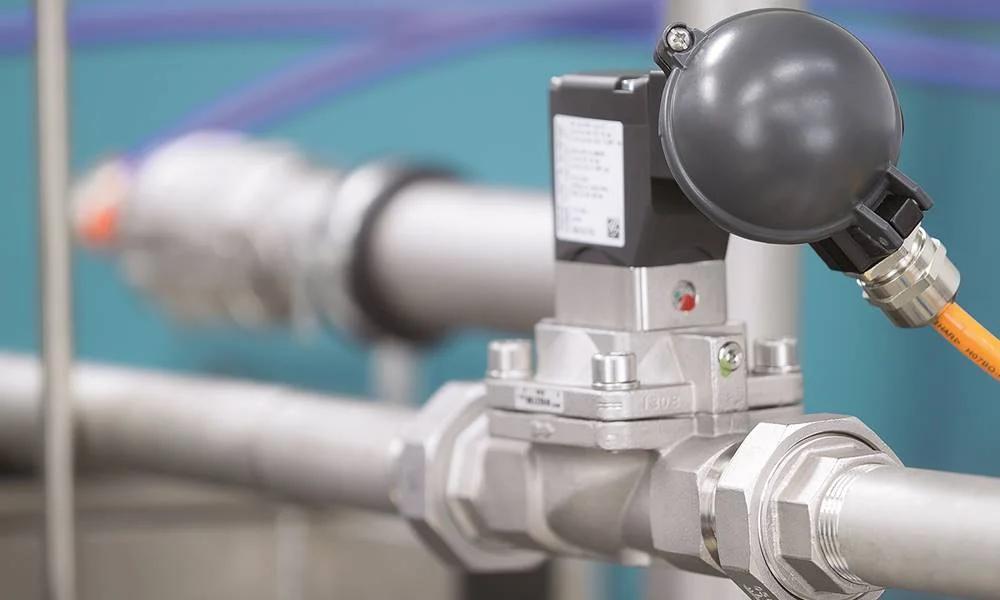
Valve
A valve is a control device used in a fluid system to initiate, stop, direct, or regulate the flow of gases, liquids, or vapors. Valves, as one of the fundamental components of energy systems, piping networks, and industrial automation, are designed in many forms to suit different conditions and application requirements. Basic Structural Features A typical valve consists of the following components: Body: The main structure of the valve through which the fluid flows. It is commonly manufactured
EN
Samet Şahin
 Hy
HyHydraulic Systems
Hydraulic systems are one of the transmission technologies that hold a prominent place in modern engineering and industry. These systems utilize the incompressibility of liquids to convert energy into mechanical motion and are frequently used in applications requiring high power. The fundamental principle of hydraulic systems is based on Pascal’s Law: pressure applied to a liquid in a closed system is transmitted equally to every point in the system. Hydraulic system is a mechanism that transmit
ENBeyza Nur Türkü
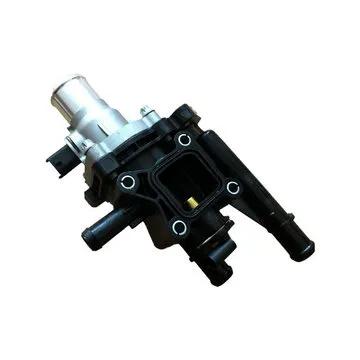
Thermostat
A thermostat is a temperature regulator that controls the flow of coolant in internal combustion engines. It optimizes performance by enabling the engine to rapidly reach its ideal operating temperature and maintain it consistently. Operating Principle When the engine is cold, the thermostat remains closed, preventing coolant from flowing into the radiator. As the engine temperature reaches approximately 80–90 °C, the wax-like substance inside the thermostat expands, opening the valve. This dire
EN
Ufuk Yarar
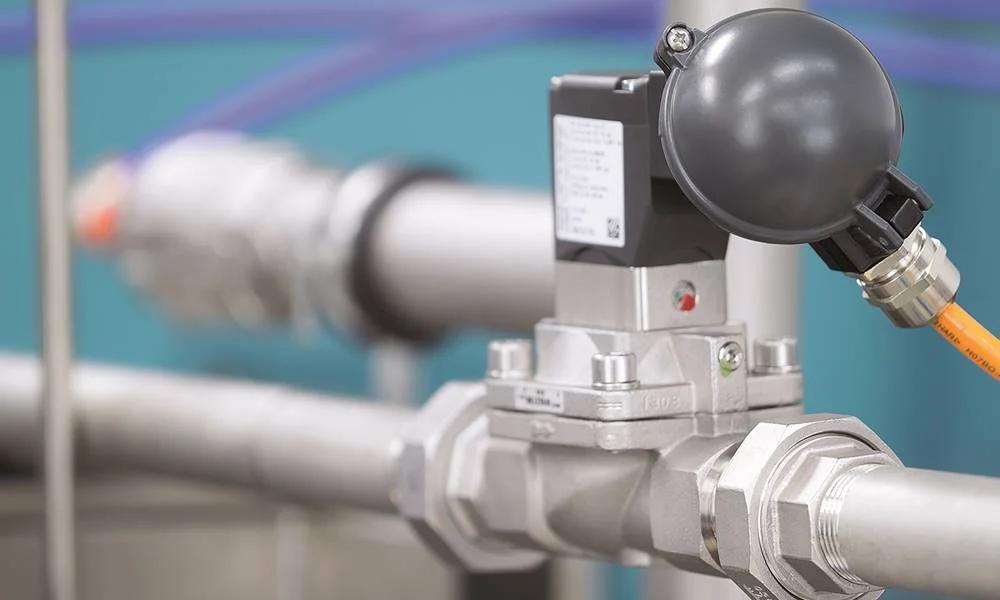
Valve
A valve is a control device used in fluid systems to initiate, stop, direct, or regulate the flow of gases, liquids, or vapors. Valves, as one of the fundamental components of energy systems, piping networks, and industrial automation, are designed in many forms to suit different conditions and application requirements. Basic Structural Features A typical valve consists of the following components: Body: The main structure of the valve through which the fluid passes. It is commonly manufactured
EN
Samet Şahin
Engine Knock
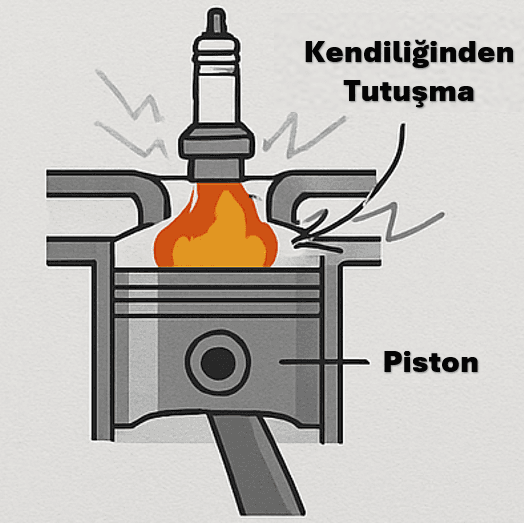
Knock is a phenomenon in internal combustion engines characterized by an audible sound resulting from a sudden pressure increase caused by the spontaneous ignition of the air-fuel mixture within the cylinder due to temperature and pressure effects, rather than uncontrolled ignition by spark plug. This situation is referred to as “detonation” or “knock”. Mechanism of Knock In Otto cycle engines (spark-ignition gasoline engines), the normal combustion process initiated by the spark plug progresses
ENElyesa Köseoğlu
Valve
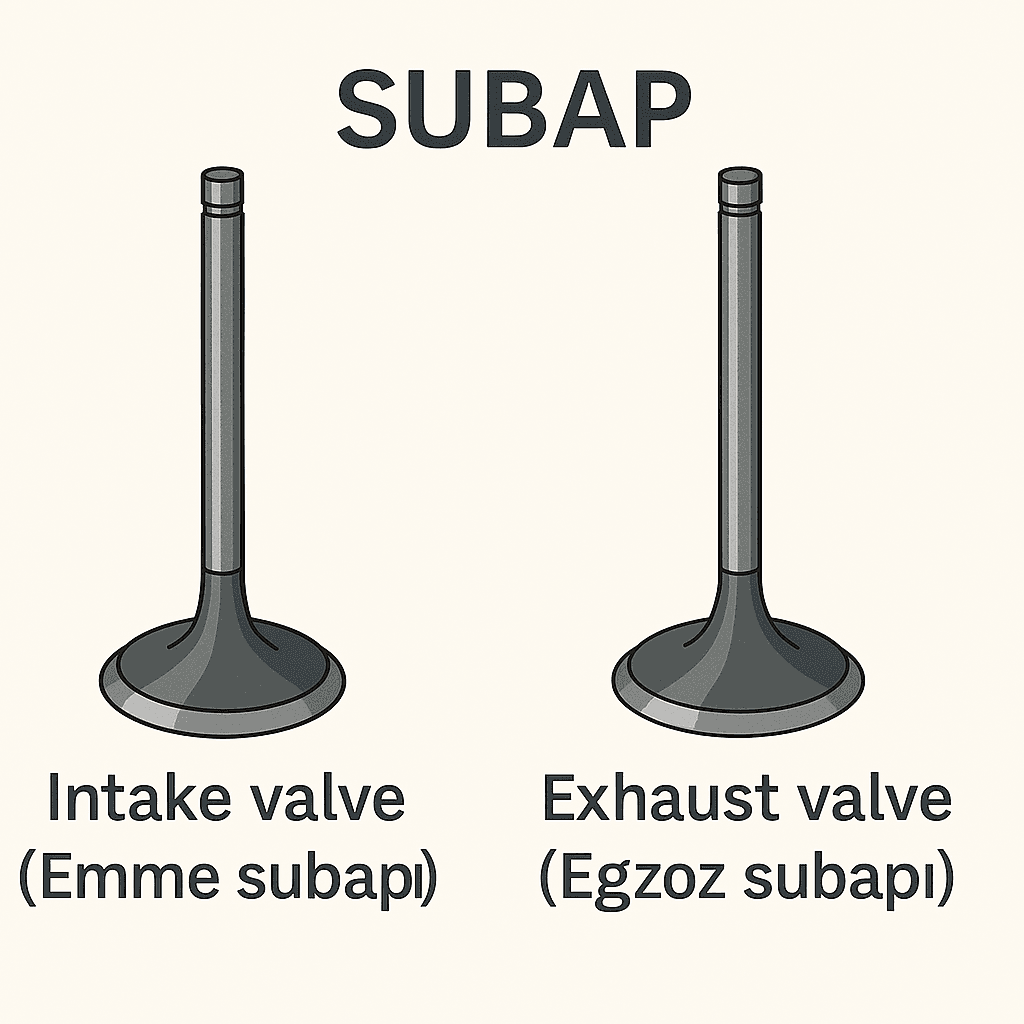
Valves are the systems in internal combustion engines that enable the intake and exhaust processes. Intake valves allow the fuel-air mixture into the combustion chamber, while exhaust valves permit the expulsion of gases produced after combustion. Valves are vital for the proper operation of the engine and are typically mounted on the cylinder head. What Is the Purpose of Valves? Valves regulate the intake and exhaust processes by opening and closing the entry and exit pathways in the engine. Ea
ENElyesa Köseoğlu
Valve
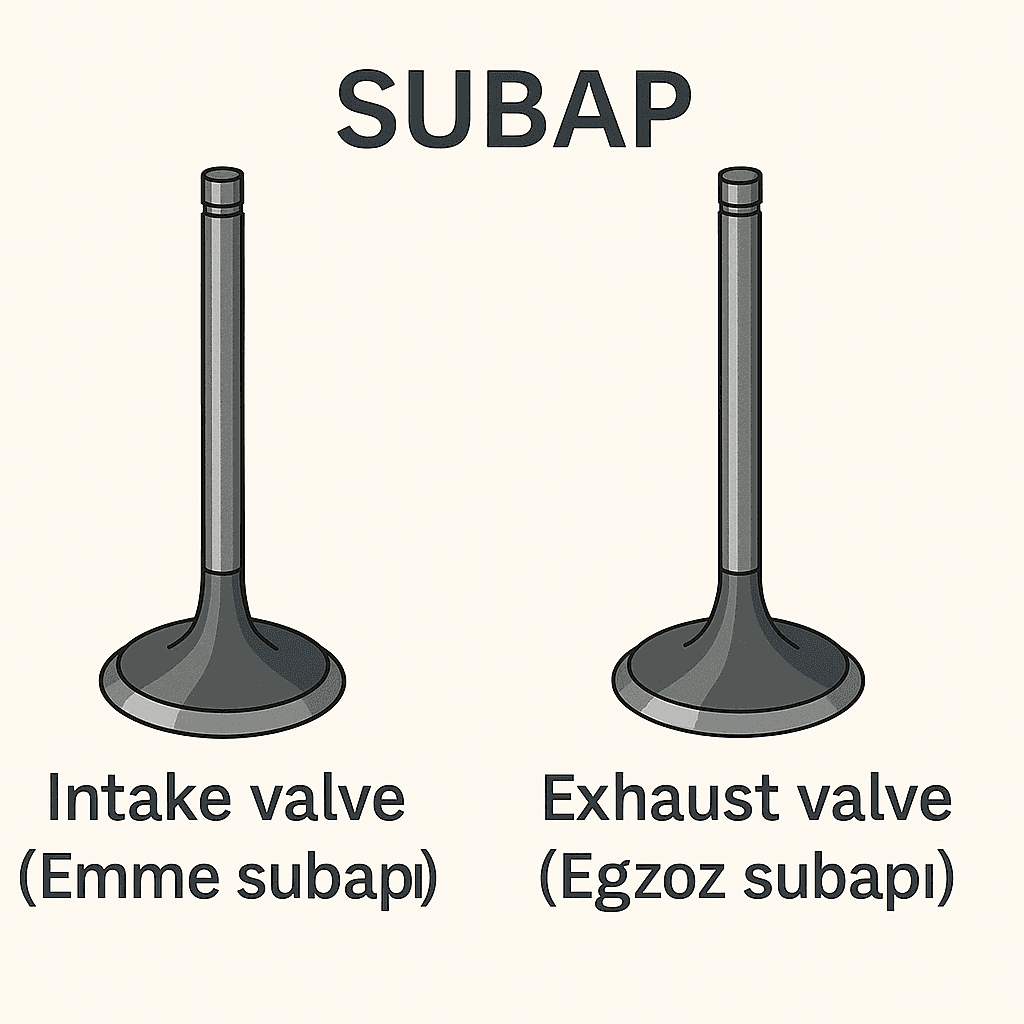
The valve is the system in internal combustion engines that enables the intake and exhaust processes. Intake valves allow the fuel-air mixture into the combustion chamber, while exhaust valves permit the expulsion of gases produced after combustion. Valves are vital for the proper operation of the engine and are typically mounted on the cylinder head. What Is the Purpose of a Valve? Valves regulate the intake and exhaust processes by opening and closing the pathways for gas flow in the engine. E
ENElyesa Köseoğlu
Crankshaft
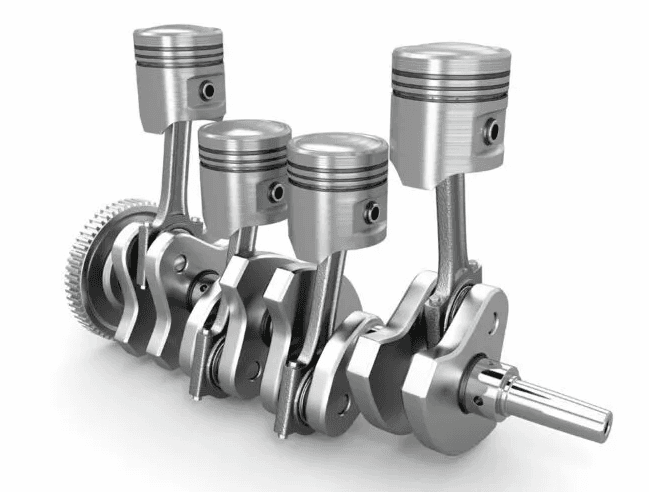
Crankshaft is a eccentric shaft located at the bottom of internal combustion engines that converts the linear motion of pistons into rotational motion. This motion is transmitted to the transmission via the flywheel and then to the wheels, enabling the vehicle to move. As the engine’s primary rotating component, the crankshaft works in harmony with many other parts to ensure the engine operates smoothly and efficiently. Haynes. “What Is a Car Crankshaft?” Haynes. Erişim tarihi 31 Mart 2025. http
ENElyesa Köseoğlu
HyHydraulic Systems
Hydraulic systems are one of the power transmission technologies that hold an important place in modern engineering and industry. These systems utilize the incompressibility of liquids to convert energy into mechanical motion and are frequently used in applications requiring high power. The fundamental principle of hydraulic systems is based on Pascal’s Law: pressure applied to a liquid in a closed system is transmitted equally to every point in the system. A system hydraulic is a mechanism that
ENBeyza Nur Türkü